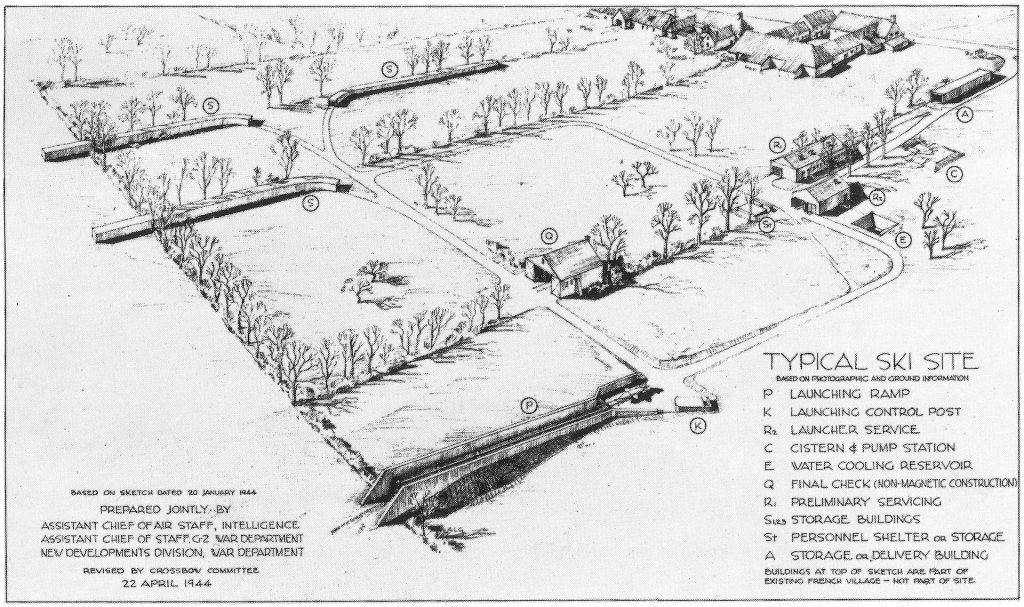
5 December 1943: The Air Offensive Against the V-1 Sites Begins
Allied bombers start attacking the concrete launch ramps hidden in the woods of northern France, from which Germany plans to fire its flying bombs at London.
Dispatches involving Germany.
Allied bombers start attacking the concrete launch ramps hidden in the woods of northern France, from which Germany plans to fire its flying bombs at London.
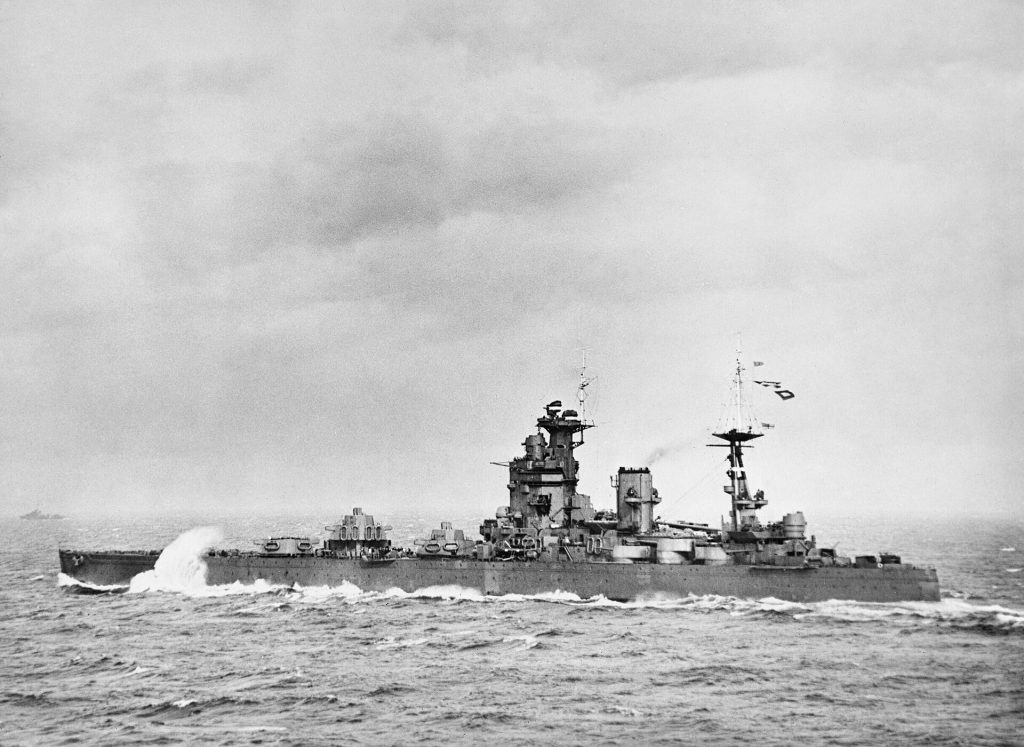
Entering Loch Ewe, the flagship of the Home Fleet detonates a magnetic mine laid by a U-boat, putting one of Britain’s most powerful battleships out of action for eight months.
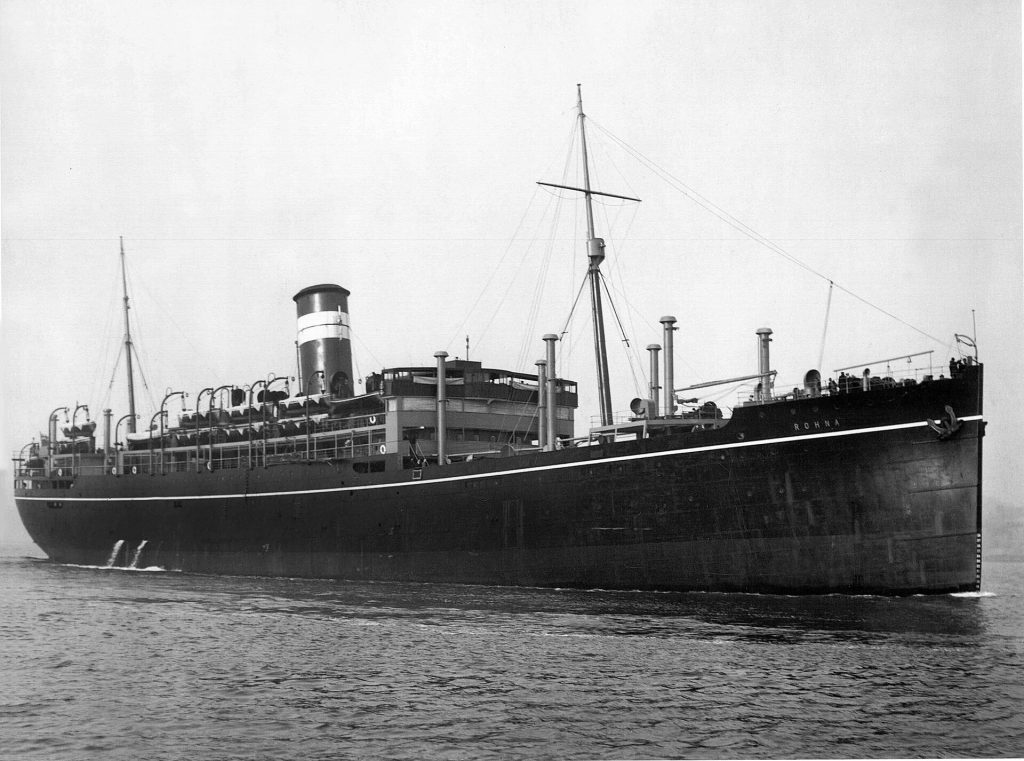
Off the coast of Algeria, a German radio-guided glide bomb strikes a British troopship carrying 2,000 American soldiers. More than 1,000 of them die in a disaster kept secret for decades.
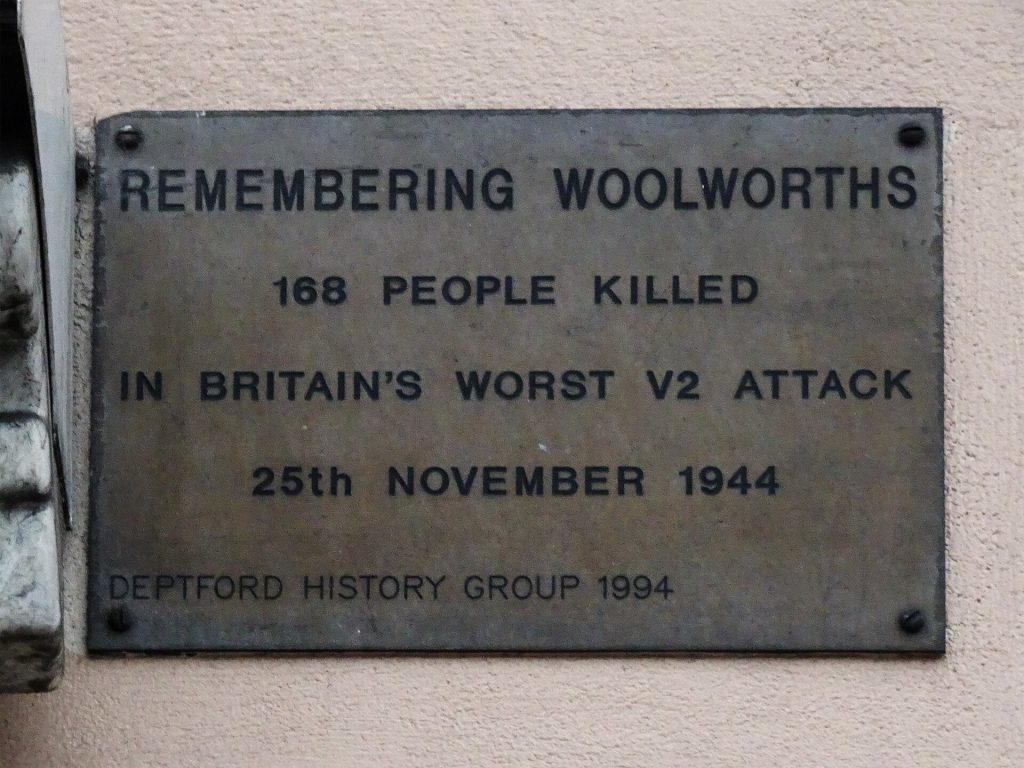
Without warning, a German V-2 rocket falls on a busy Woolworths store in south-east London on a Saturday, killing 168 people in the deadliest V-2 attack in Britain.
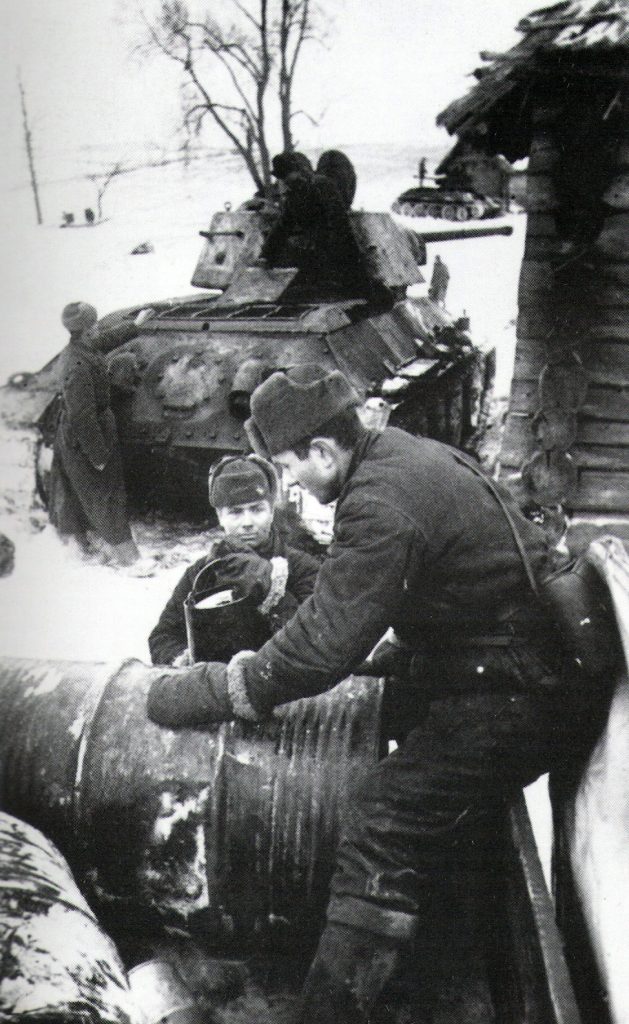
Soviet tank columns from north and south meet at the village of Sovetsky, trapping the German Sixth Army and its allies, some 250,000 to 300,000 men, at Stalingrad.
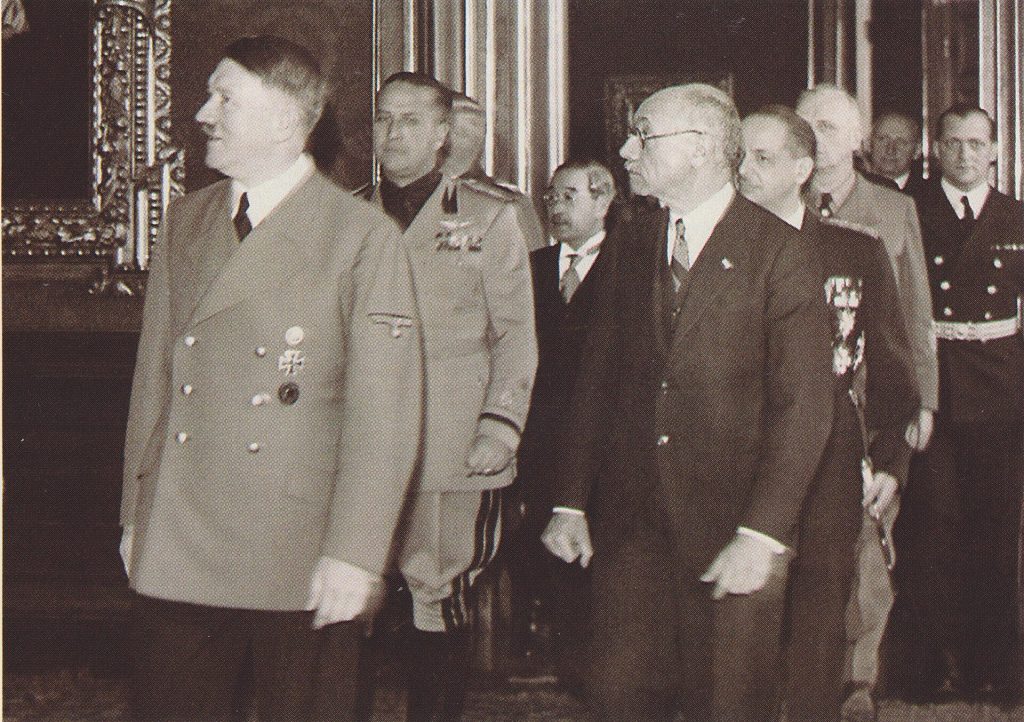
Rewarded with territory taken from its neighbours, Hungary signs the Tripartite Pact, becoming the fourth member of the Axis alliance.

Off the coast of Western Australia, a cruiser closes in on a merchant ship that is not what it seems. Both vessels are lost, and none of Sydney’s 645 men survive.
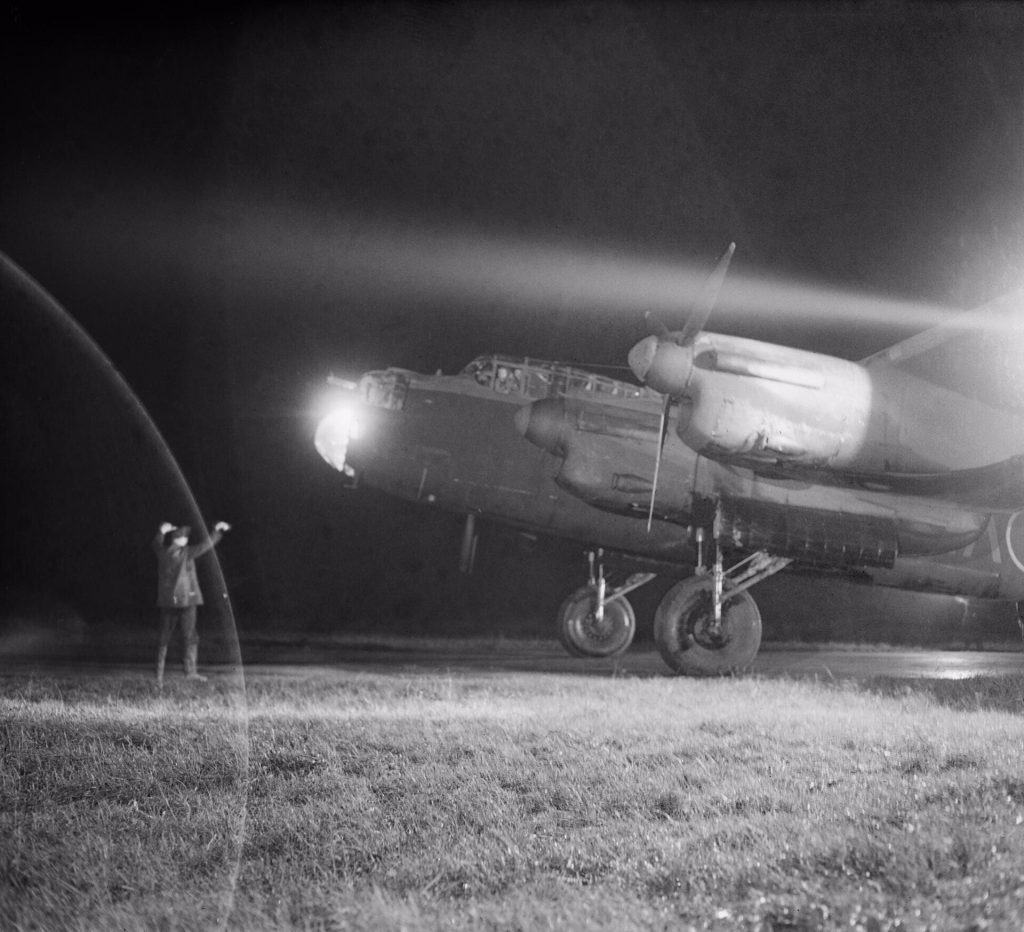
Hundreds of Lancasters head for the German capital, opening a winter offensive that Arthur Harris believes can wreck Berlin from end to end and cost Germany the war.

After nearly three weeks of street fighting, Albanian partisans drive the last German troops out of their capital as the Wehrmacht withdraws from the Balkans.
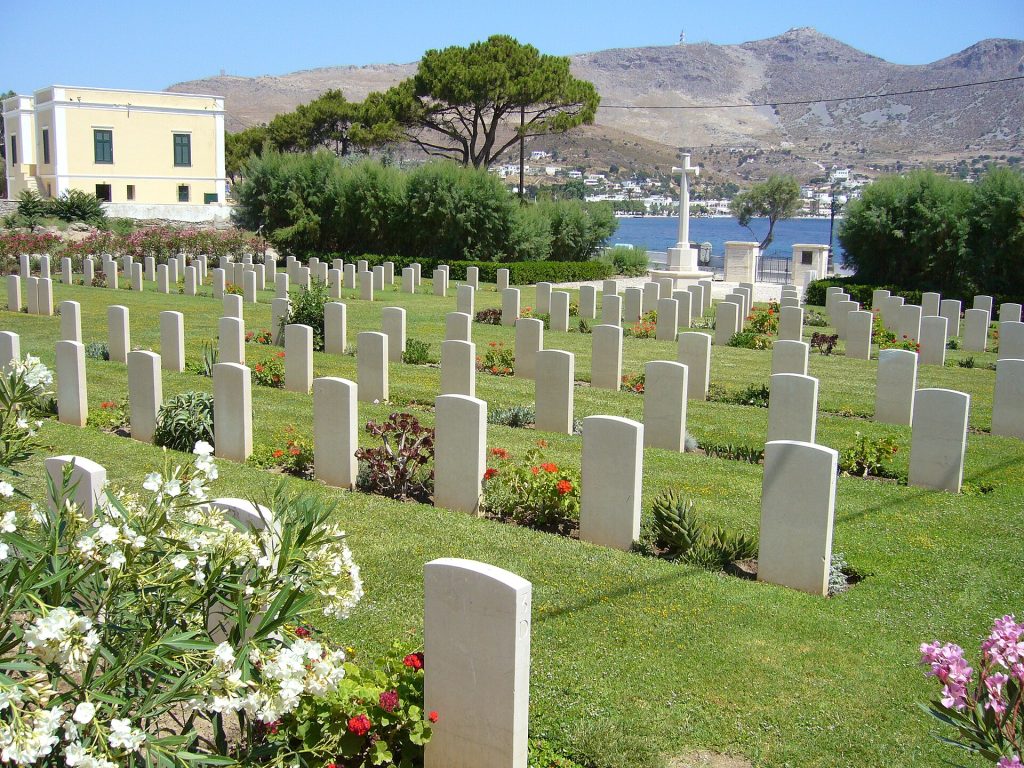
After four days of fighting against paratroops and seaborne landings under constant air attack, the British garrison on the Aegean island of Leros surrenders.
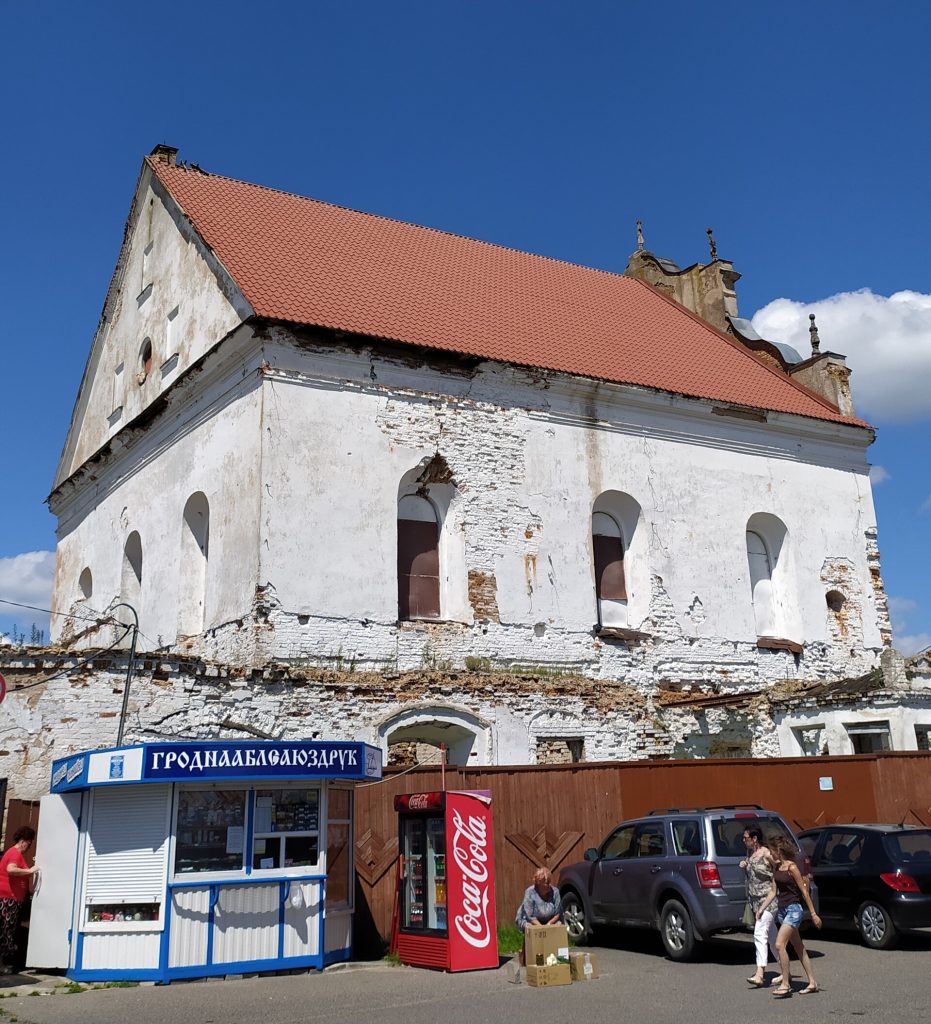
German killing squads and local auxiliaries drive some 9,000 Jews from the ghetto of Słonim to pits outside the town and shoot them in a single day.
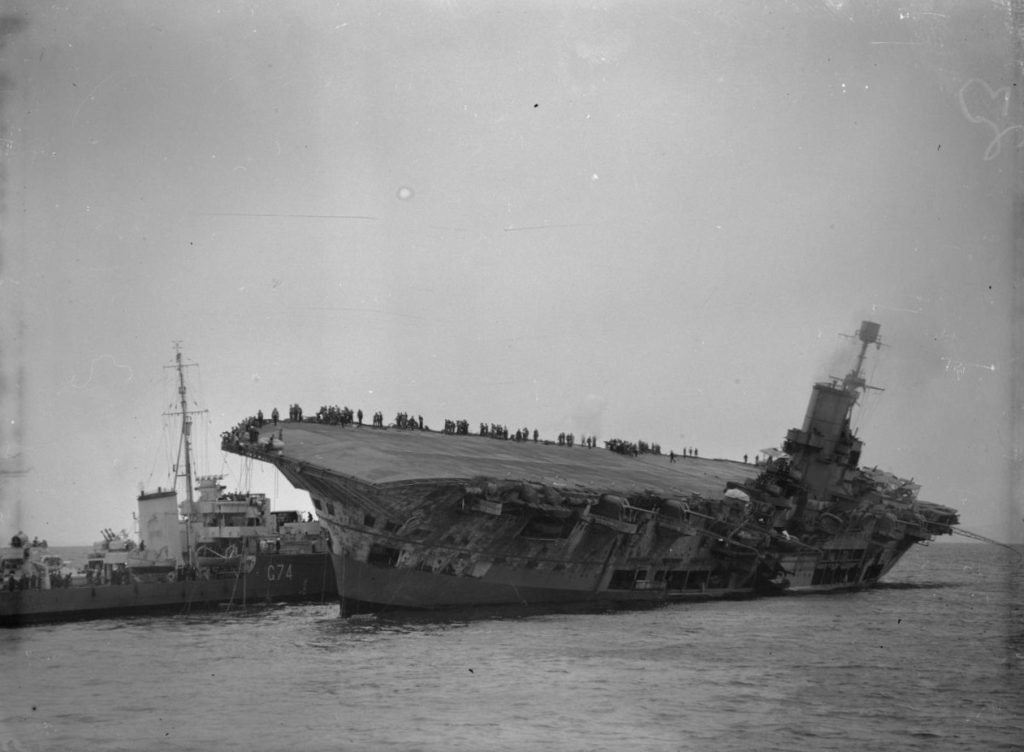
Within sight of Gibraltar, a single torpedo from U-81 strikes the Royal Navy’s most famous aircraft carrier, the ship German propaganda had claimed sunk two years before.
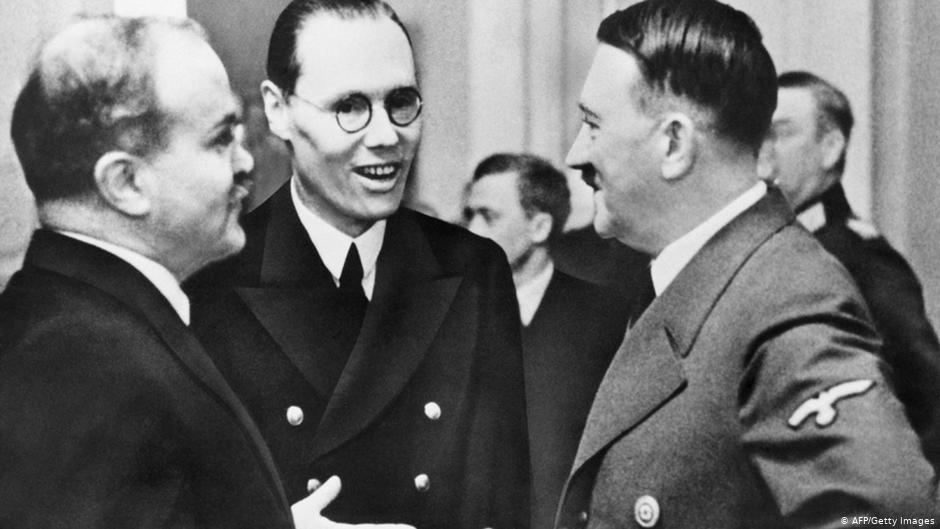
Stalin’s foreign minister arrives in Berlin to discuss the Soviet Union joining the Axis. The talks fail, and within five weeks Hitler orders preparations to invade.
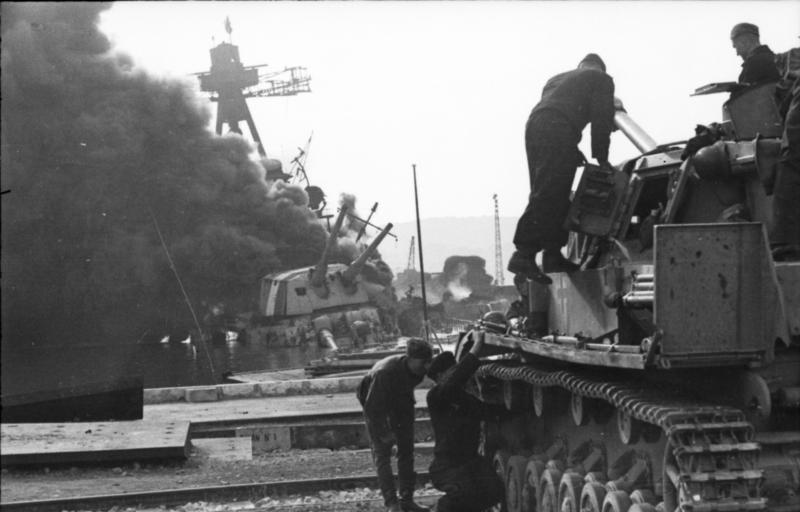
Three days after the Allied landings in North Africa, German and Italian troops pour into the unoccupied zone of France, ending the fiction of Vichy independence.
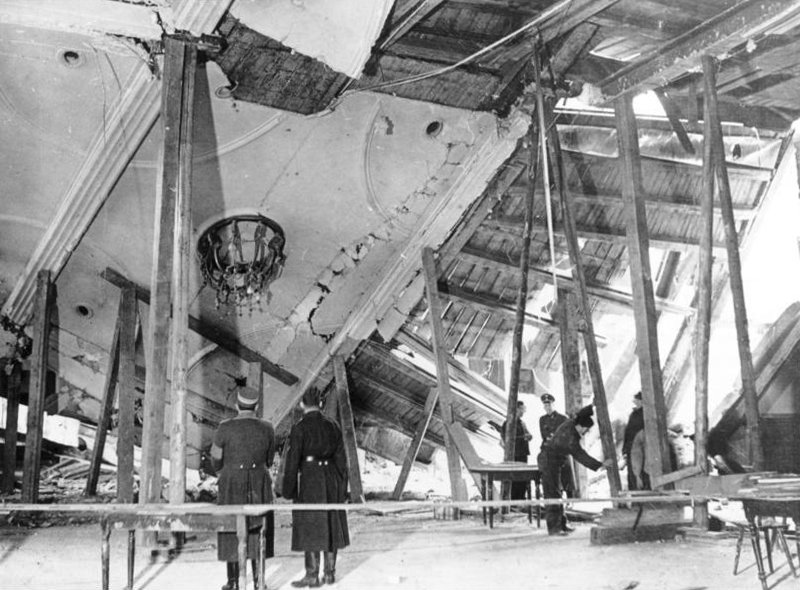
A lone carpenter’s time bomb wrecks the Munich beer hall where Hitler has just spoken. It explodes 13 minutes after he leaves.
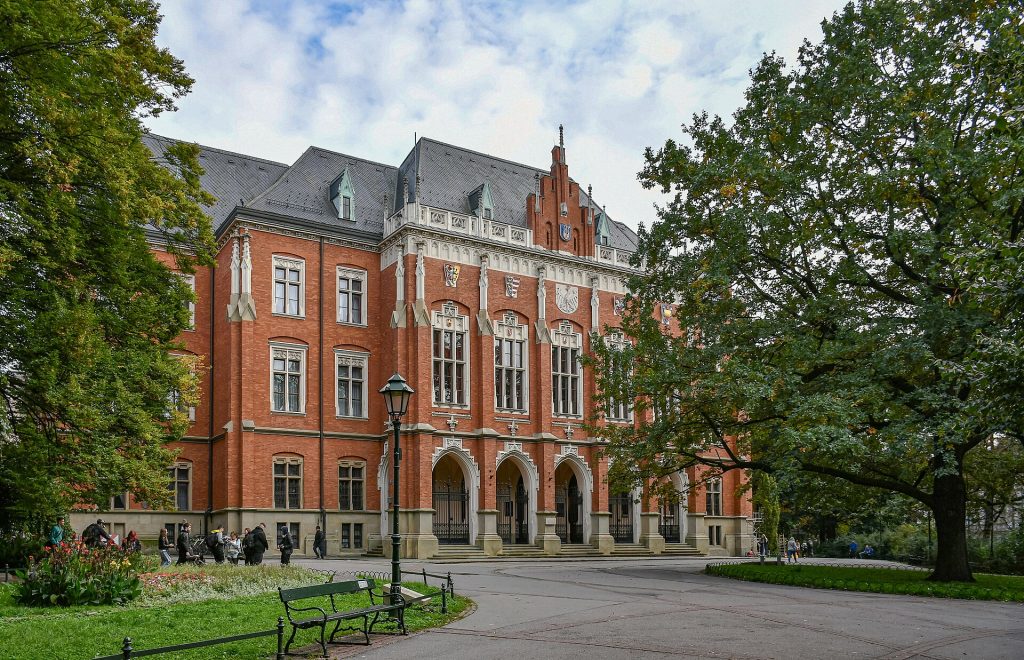
Summoned to a lecture at Kraków’s ancient university, 184 Polish scholars are arrested by the Gestapo and sent to a concentration camp, the opening blow of a campaign to destroy Poland’s educated class.
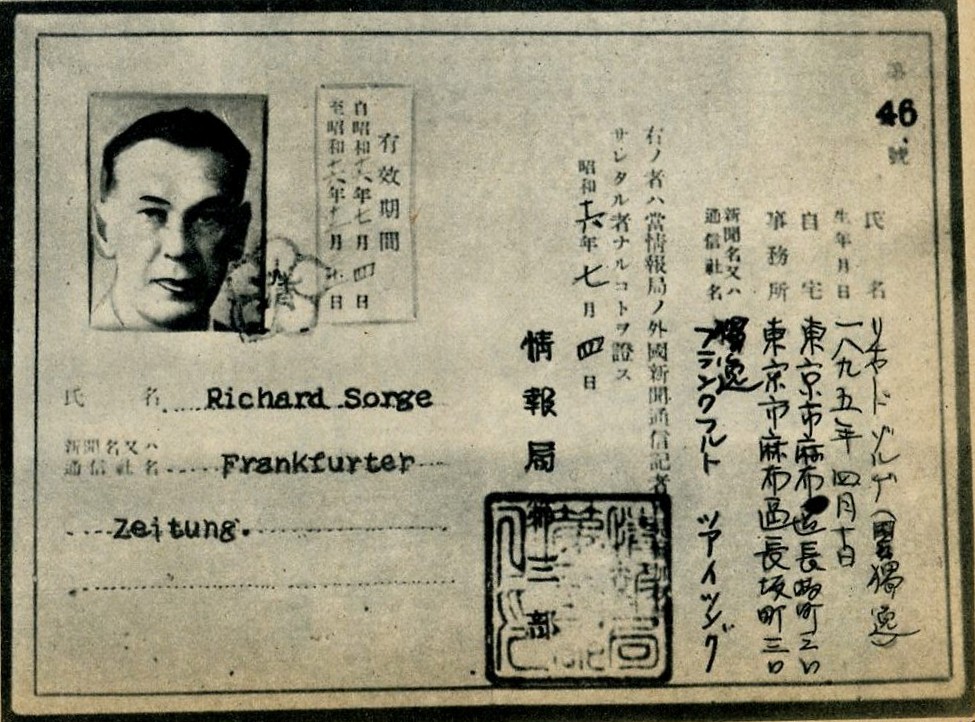
In a Tokyo prison, the Soviet master spy who warned Moscow of Barbarossa and learned that Japan would not attack the Soviet Union goes to the gallows.
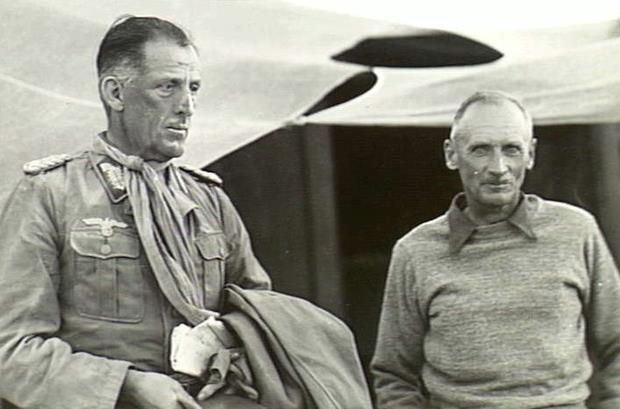
Defying Hitler’s order to stand or die, Rommel turns his broken army west, ending the Second Battle of El Alamein and the Axis threat to Egypt.
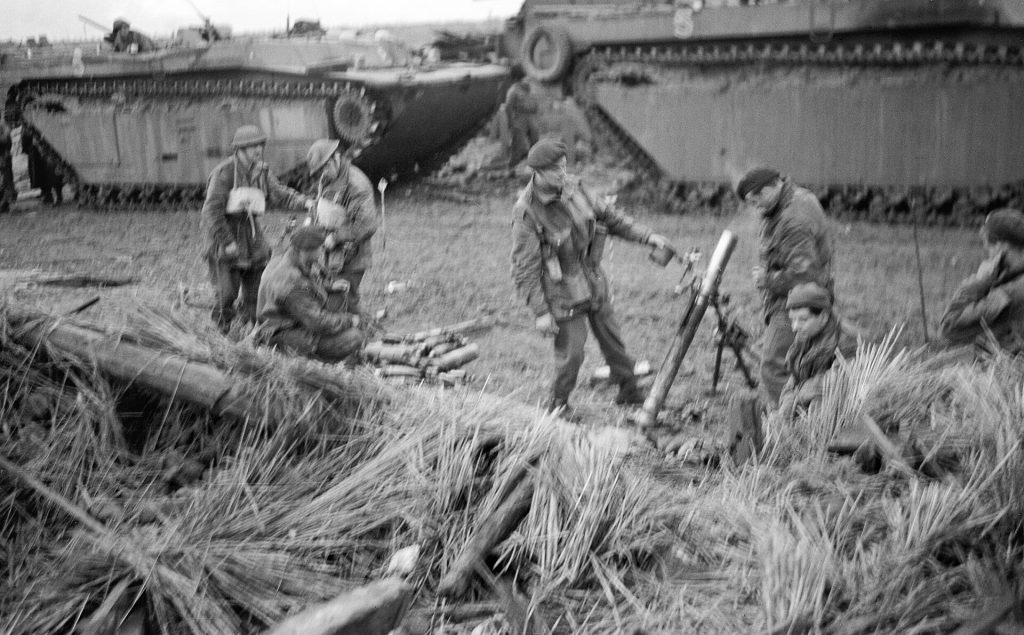
Commandos cross the Scheldt and land on a flooded Dutch island to break the last German grip on the approaches to Antwerp, the port the Allied armies desperately need.
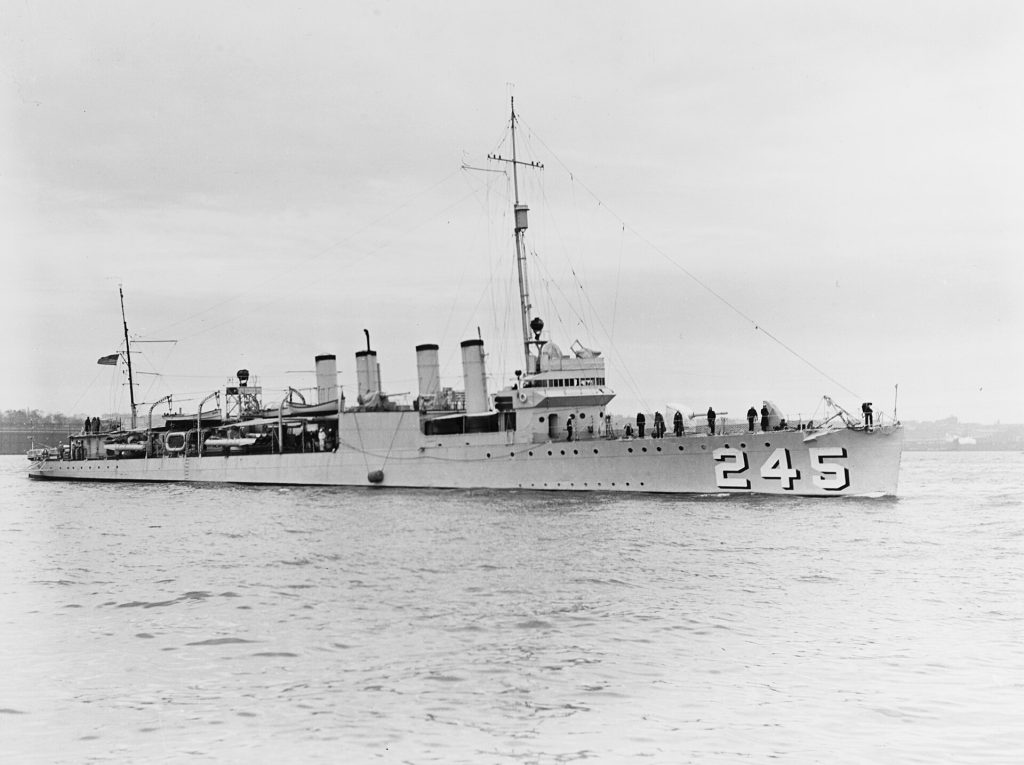
West of Iceland, a U-boat torpedoes the American destroyer Reuben James while she escorts a convoy. She is the first US warship sunk in the war, five weeks before Pearl Harbor.
 United Kingdom
 United States
 Soviet Union
 Germany
 Japan
 France
 Poland
 South Africa