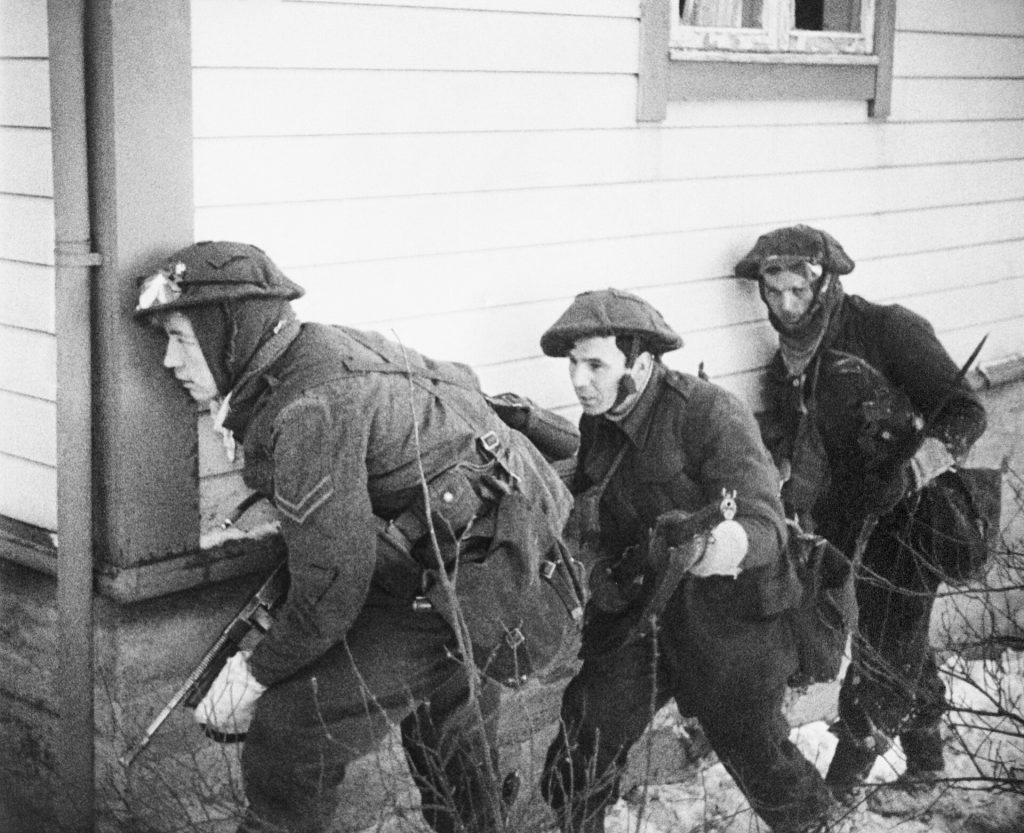
27 December 1941: The Vågsøy Raid
British commandos and Norwegian volunteers storm the island town of Måløy on the Norwegian coast. The raid is small, but it changes how Hitler garrisons Norway.
Campaigns and battles on land.
British commandos and Norwegian volunteers storm the island town of Måløy on the Norwegian coast. The raid is small, but it changes how Hitler garrisons Norway.
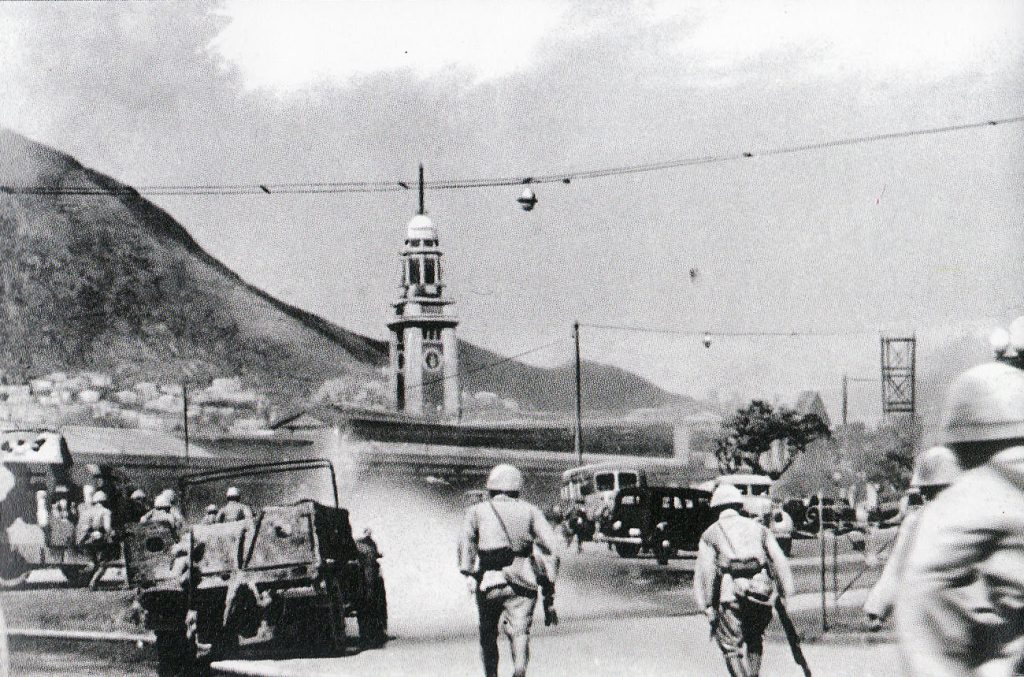
After eighteen days of fighting, the British colony of Hong Kong surrenders to Japan on Christmas Day. Its Commonwealth garrison and civilians face nearly four years of occupation.
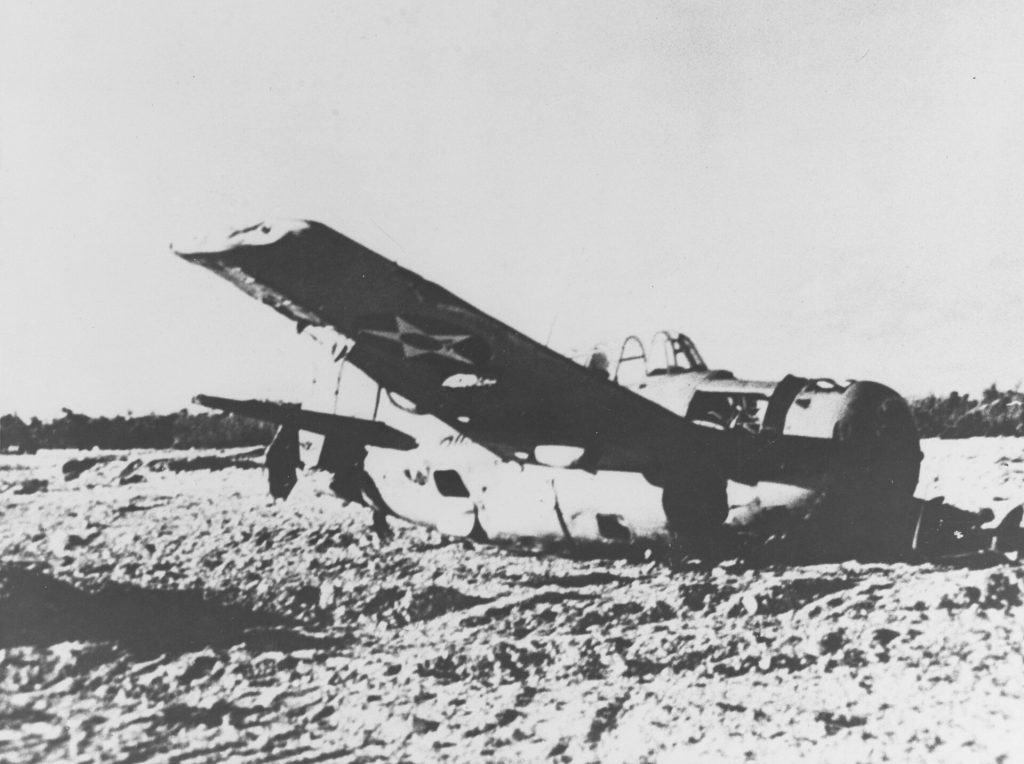
After beating off one invasion and holding out for two weeks, the Marine garrison of Wake Island is overwhelmed by a second Japanese assault. The relief force turns back.
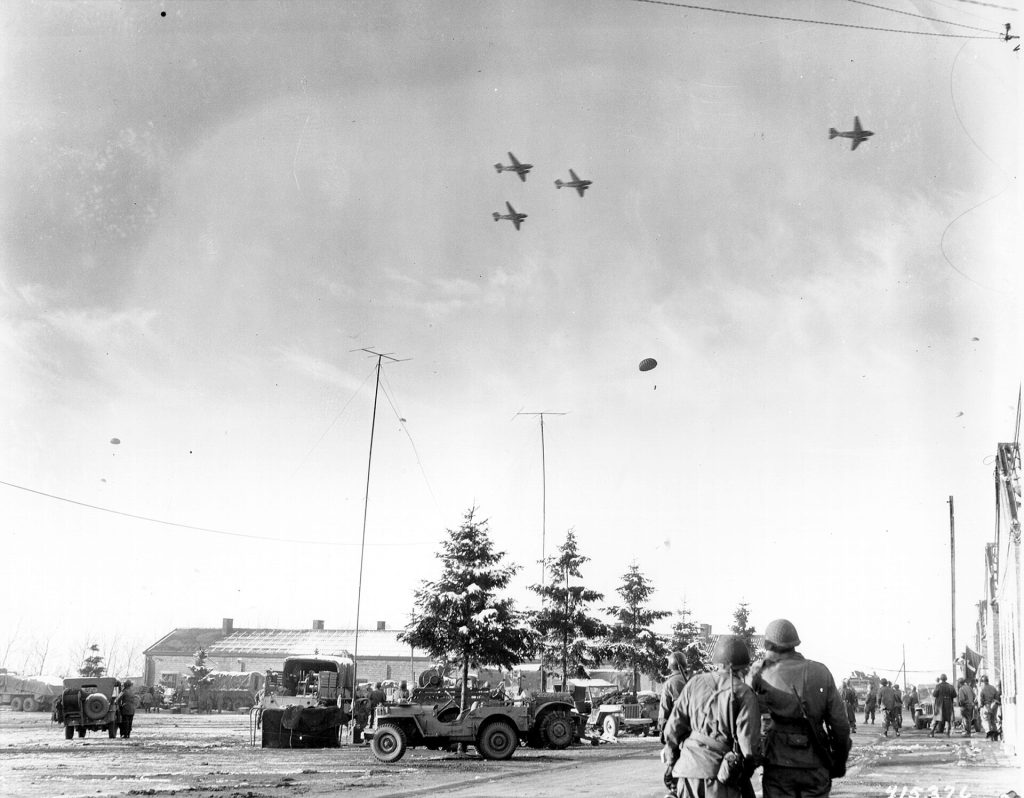
Surrounded at the Belgian crossroads town of Bastogne, the American commander receives a formal German demand to surrender. His one-word reply becomes legend.
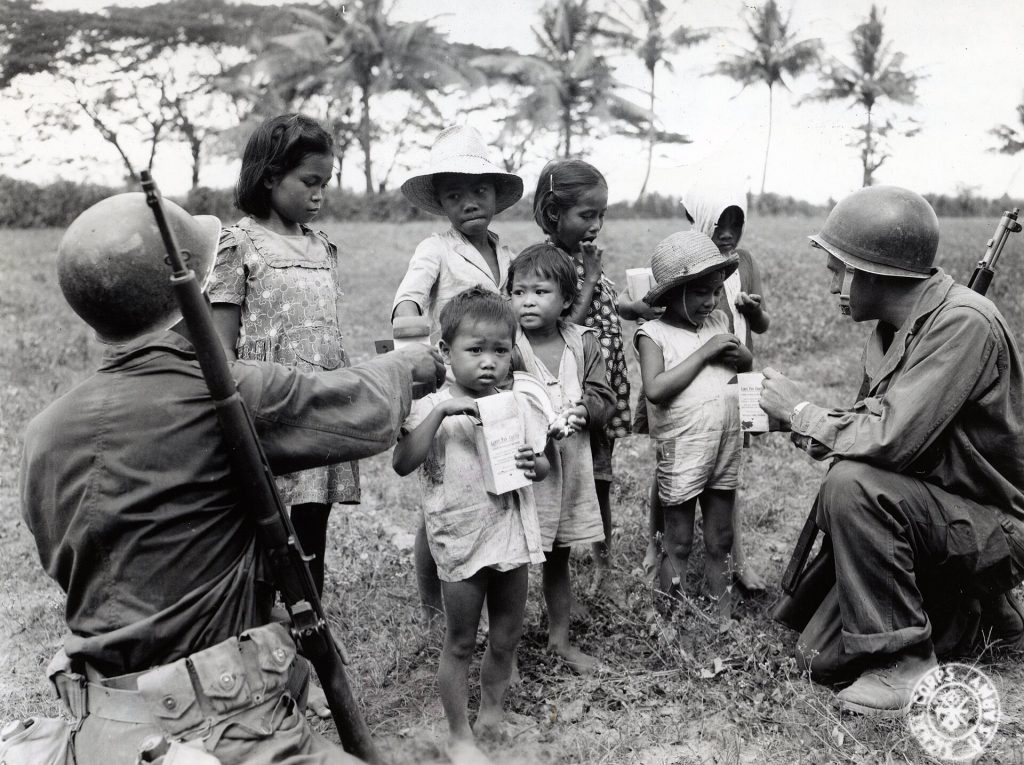
American troops land almost unopposed on Mindoro in the Philippines to build airfields for the coming invasion of Luzon. The real fight is at sea, against kamikazes.
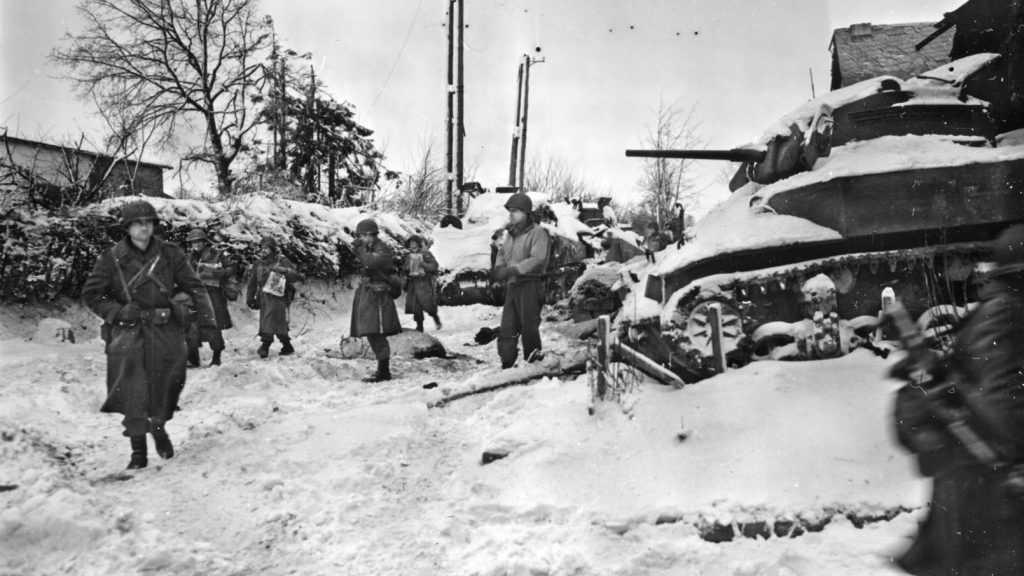
Out of the fog-bound forests of the Ardennes, three German armies smash into a thinly held American front. Hitler’s last great gamble in the west has begun.
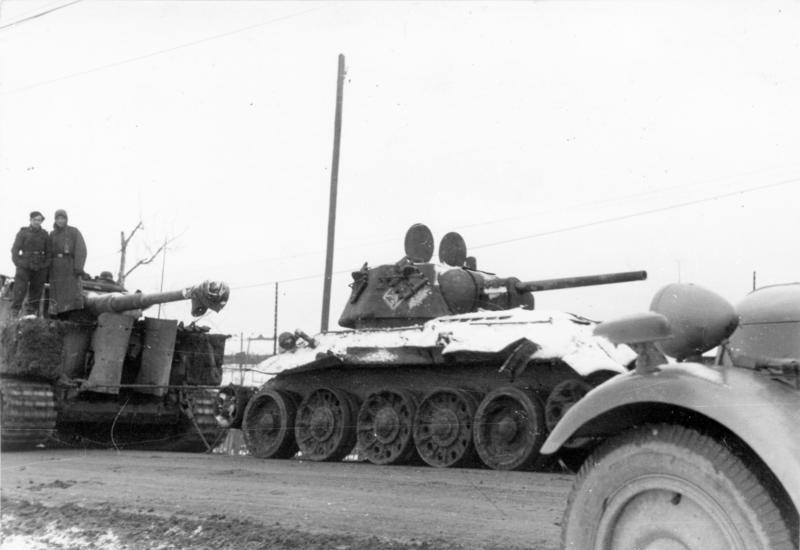
Field Marshal von Manstein launches a desperate attempt to break through to the German Sixth Army trapped at Stalingrad. His panzers get within about 50 kilometres, and no closer.
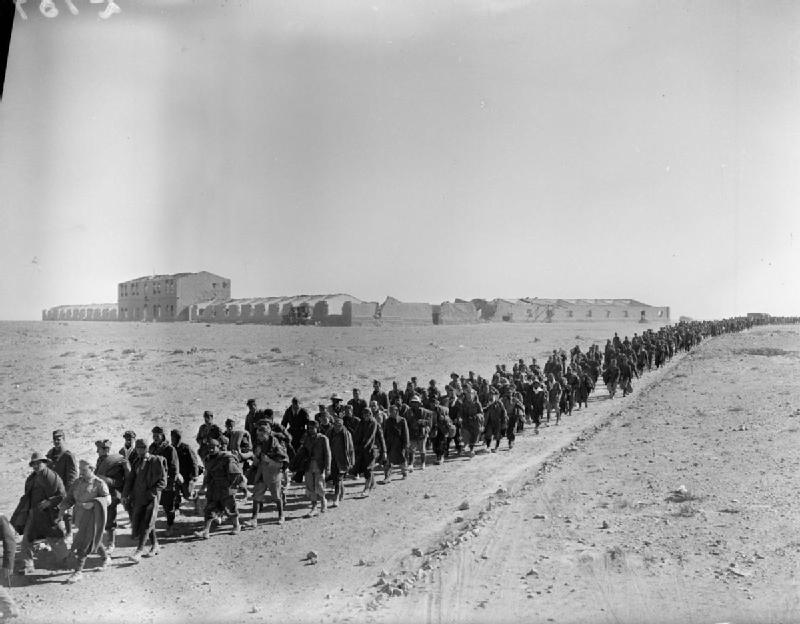
A small British and Indian force strikes the Italian army that has invaded Egypt. Planned as a five-day raid, it becomes a two-month rout that captures well over 100,000 prisoners.
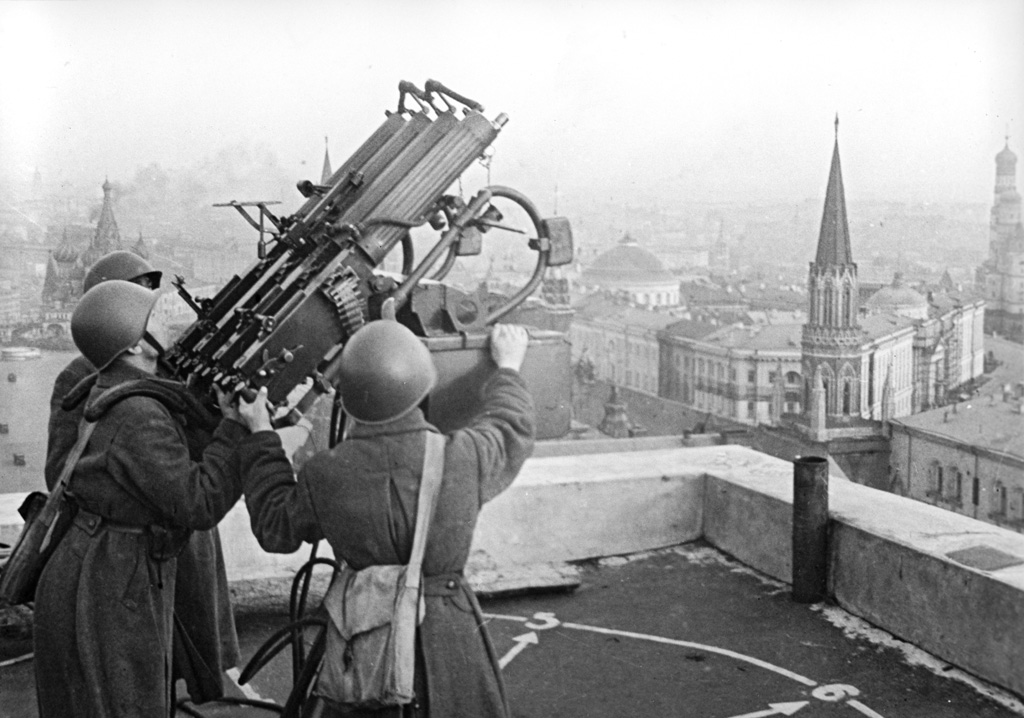
In temperatures far below freezing, the Red Army launches a surprise counter-offensive against the exhausted German armies outside Moscow. For the first time, the Wehrmacht is thrown back.
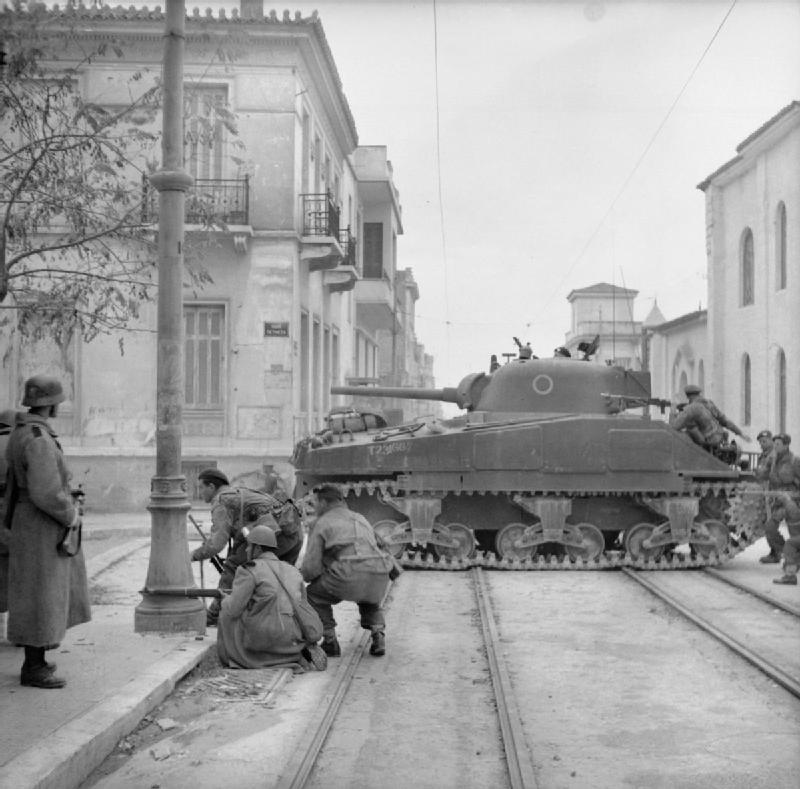
Weeks after the Germans leave Athens, police open fire on a left-wing demonstration in Syntagma Square. British troops and Greek resistance fighters are soon fighting street by street.
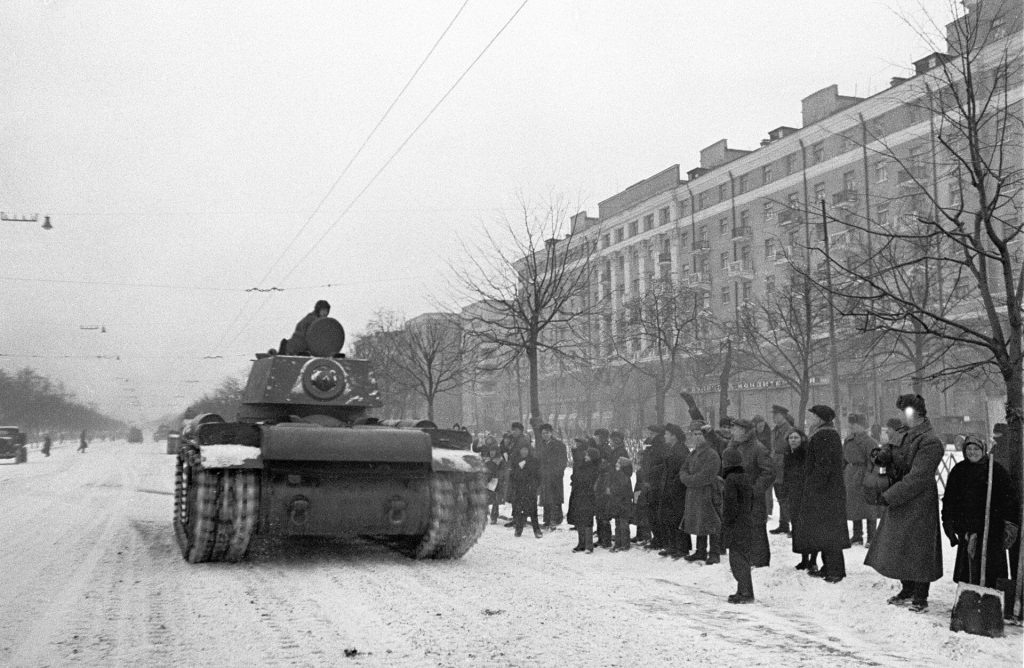
With German armies less than a hundred kilometres away, Stalin stages the traditional revolution parade in Moscow. The troops march past the Kremlin and straight on to the front.
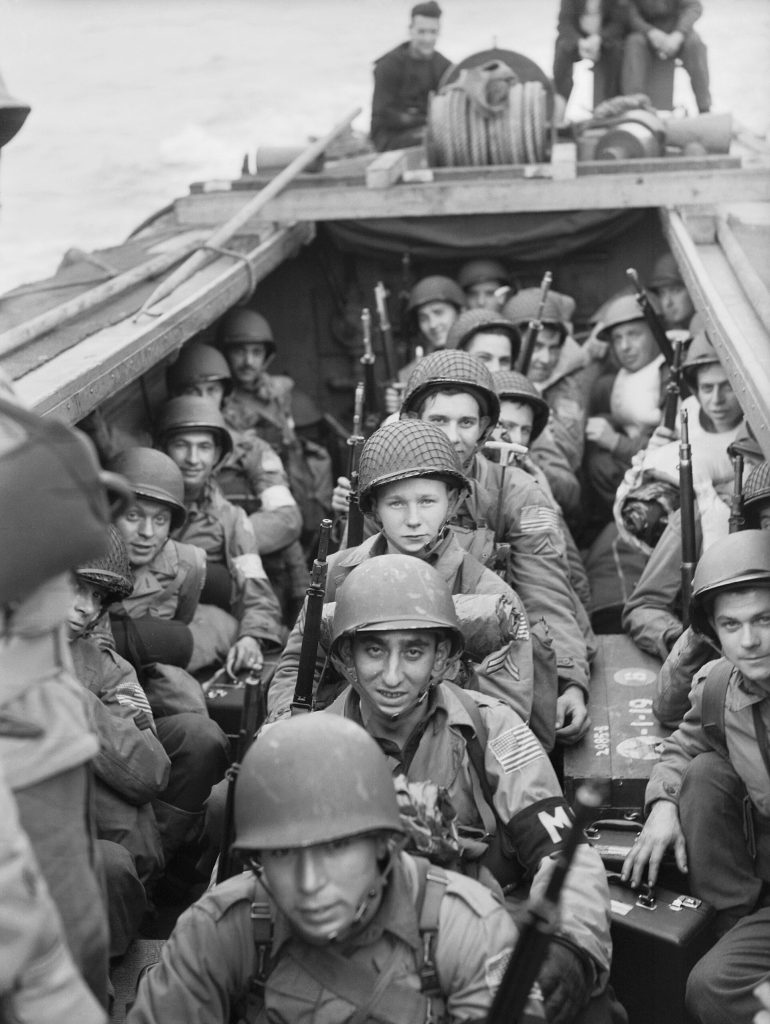
American and British forces land at Casablanca, Oran and Algiers in the first great Anglo-American offensive of the war, under a little-known general named Dwight Eisenhower.
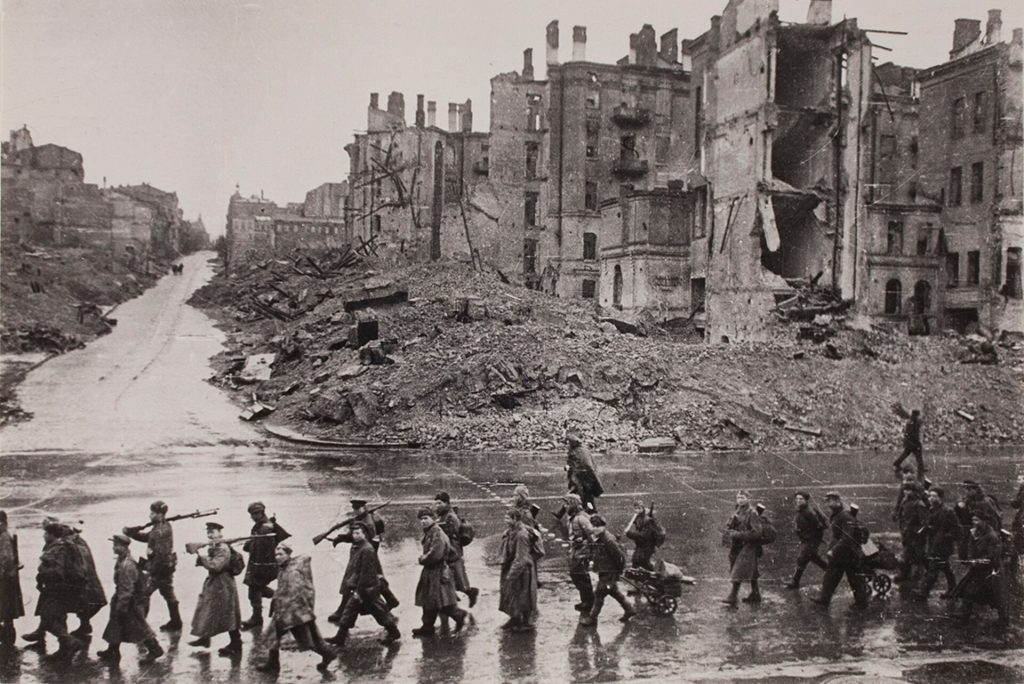
Two years and two months after it fell, the Red Army retakes the Ukrainian capital, on the eve of the anniversary of the October Revolution.
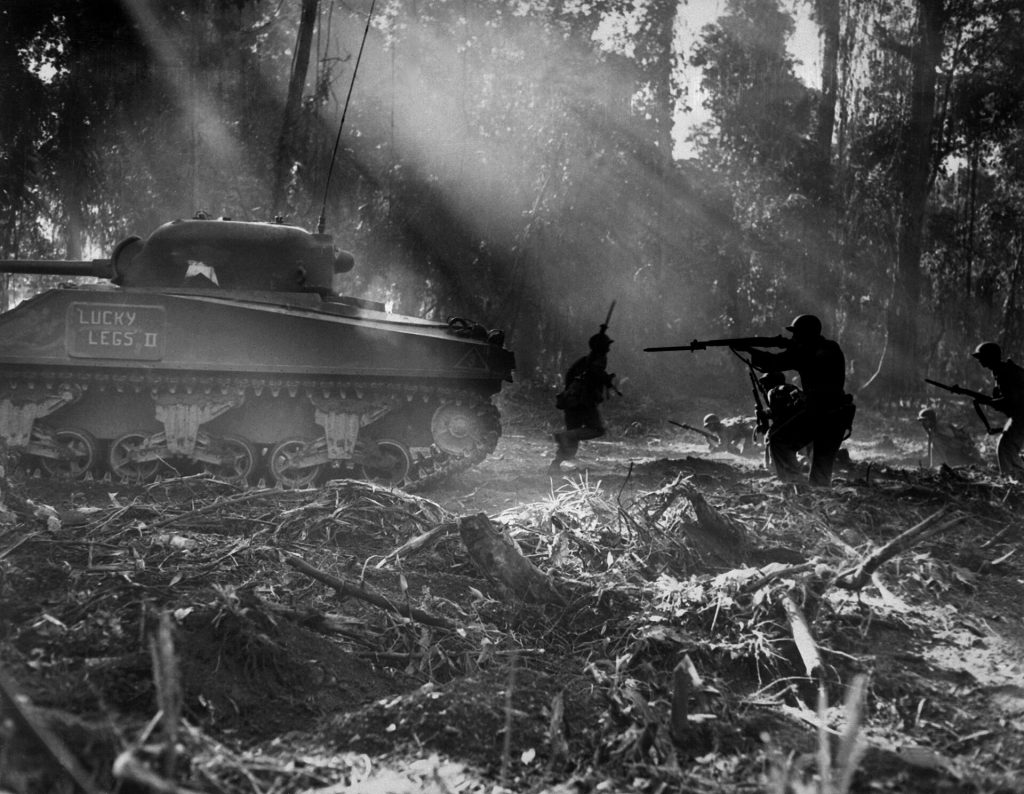
US Marines land on the west coast of Bougainville, deep in the Solomon Islands, to build airfields within fighter range of Japan’s great base at Rabaul.
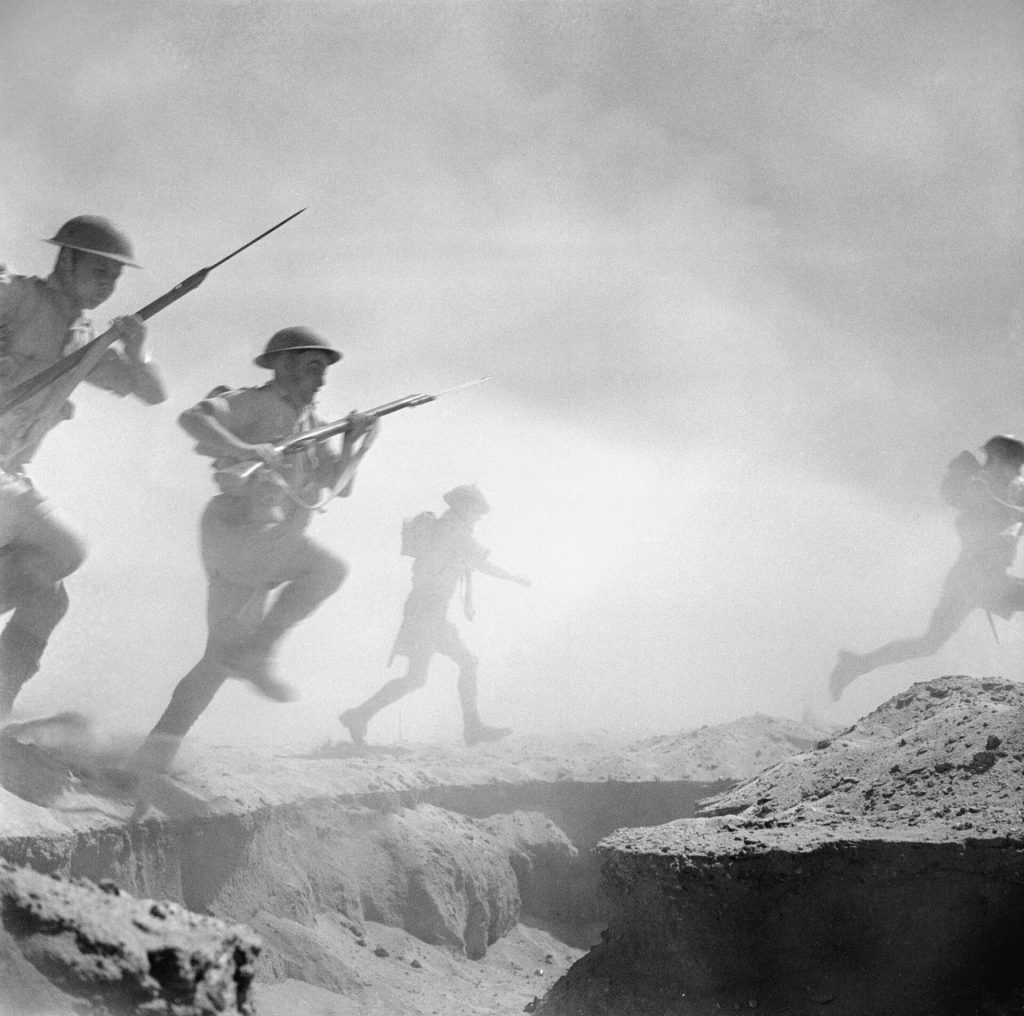
After ten days of grinding attrition at El Alamein, Montgomery launches a final hammer blow. British armour pays a terrible price, but the Axis line finally cracks.
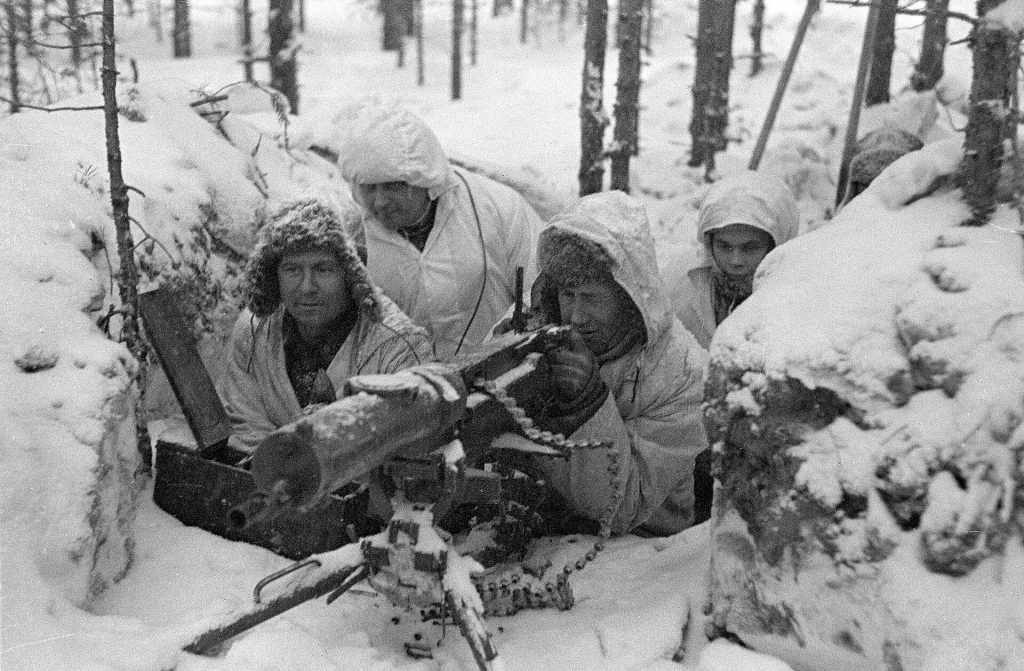
After a staged border incident, the Soviet Union invades Finland and bombs Helsinki. A small nation of under four million prepares to fight one of the largest armies in the world.
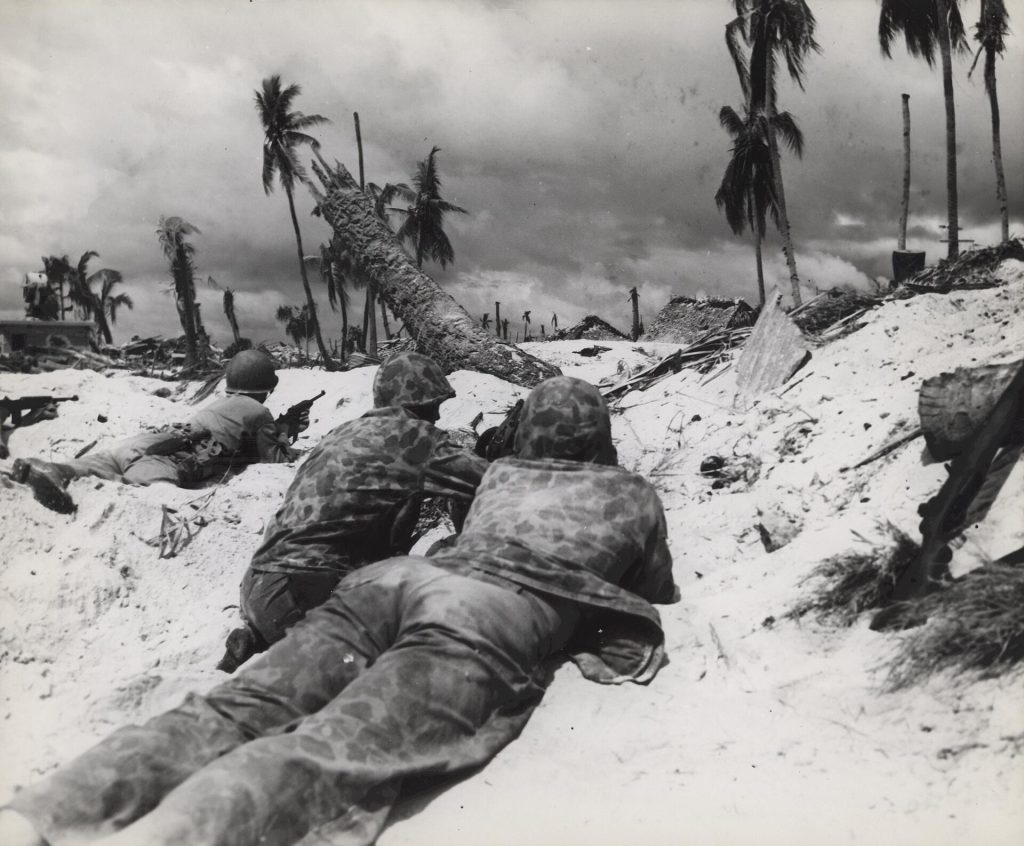
US Marines storm the heavily fortified island of Betio in the Gilberts. A low tide strands their landing craft on the reef, and the price of the first major assault in the Central Pacific shocks America.
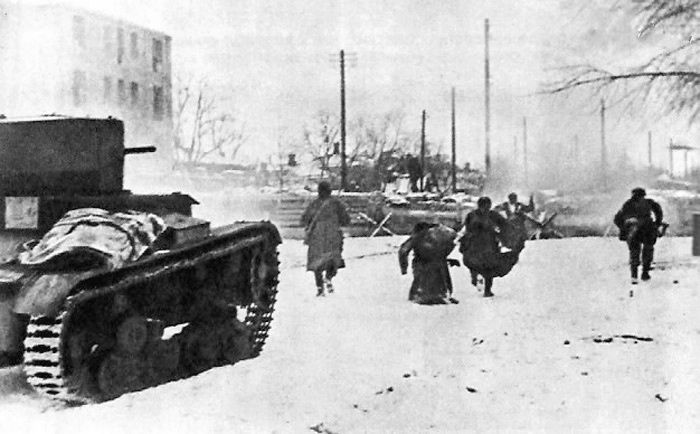
German panzers seize Rostov-on-Don, the gateway to the Caucasus. A week later they are thrown out, the first time in the war a major German army is forced into a strategic retreat.
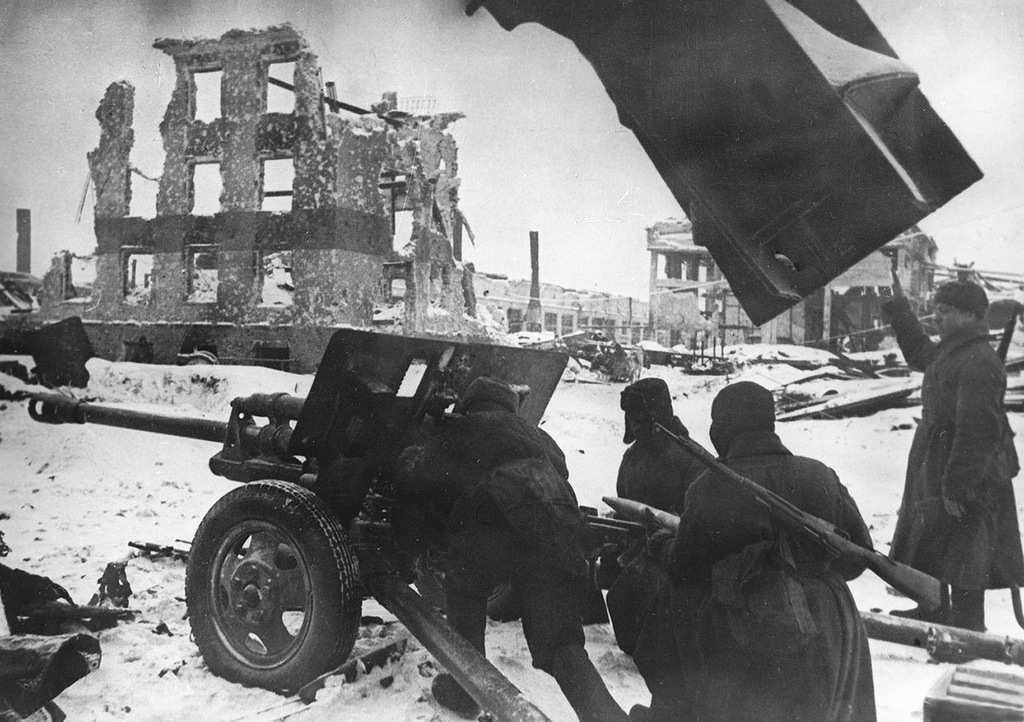
Out of freezing fog, Soviet armies smash through the weak Romanian flanks north and south of Stalingrad. Within four days the German Sixth Army is surrounded.
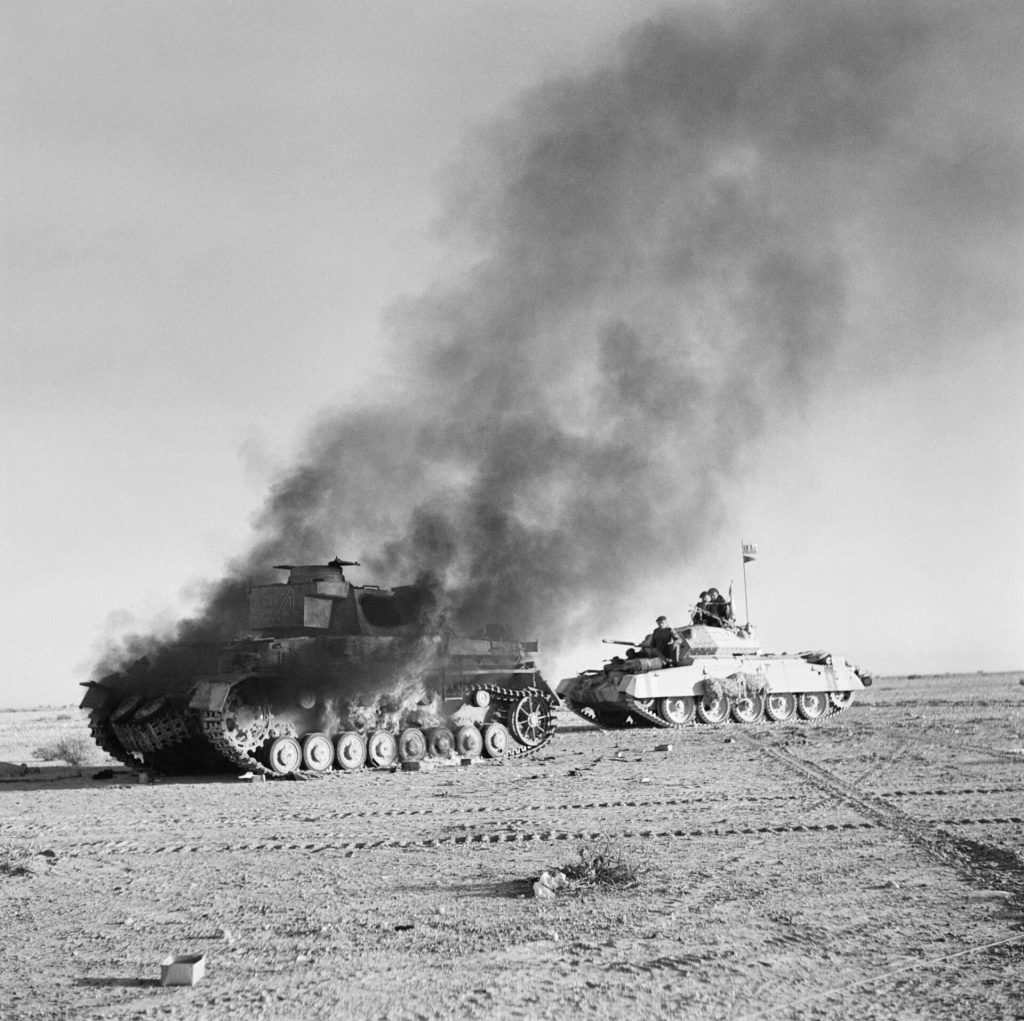
The newly formed British Eighth Army, with South African, New Zealand and Indian divisions in its ranks, strikes into Libya to relieve besieged Tobruk and take on Rommel in the open desert.
 United Kingdom
 United States
 Soviet Union
 Germany
 Japan
 France
 Poland
 South Africa