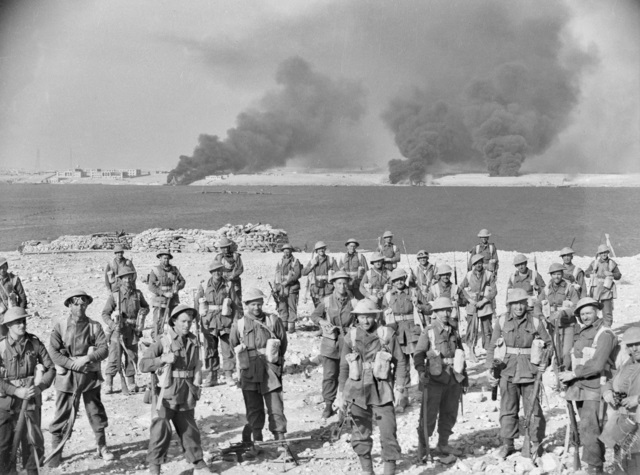
21 January 1941: The Capture of Tobruk
Fresh from victory at Bardia, the 6th Australian Division storms the fortress of Tobruk. By the next afternoon its harbour is in Allied hands.
Every dispatch dated in January, across all six years of the war.
Fresh from victory at Bardia, the 6th Australian Division storms the fortress of Tobruk. By the next afternoon its harbour is in Allied hands.
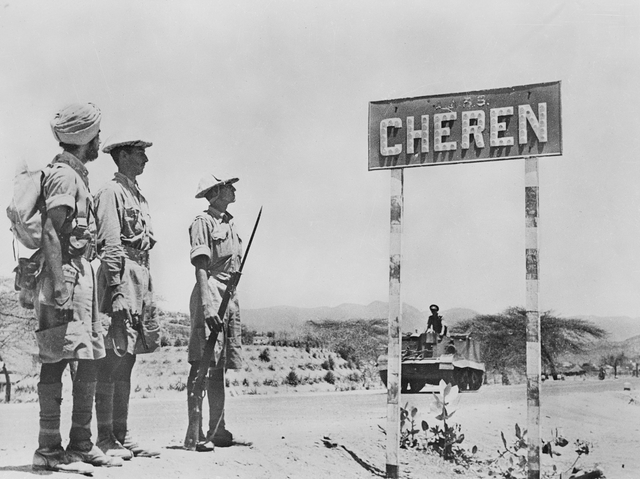
British and Indian troops cross from the Sudan into Italian Eritrea. The campaign that follows will end Mussolini’s empire in East Africa.
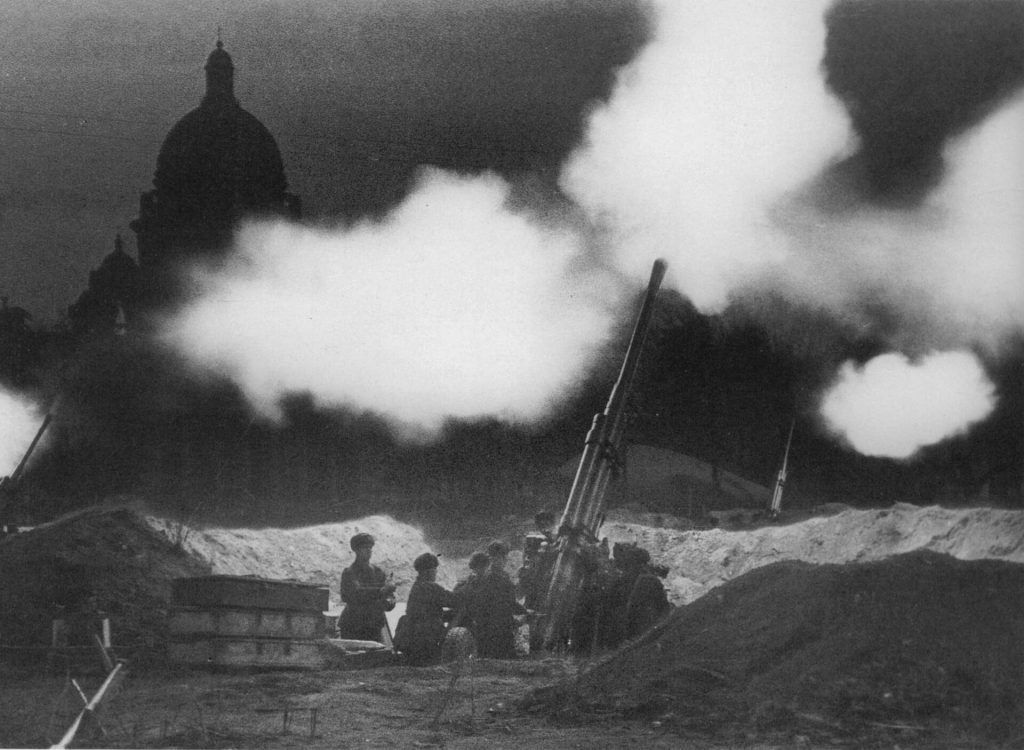
Soldiers of the Leningrad and Volkhov fronts meet south of Lake Ladoga. After nearly 500 days, a land link to the besieged city is open.
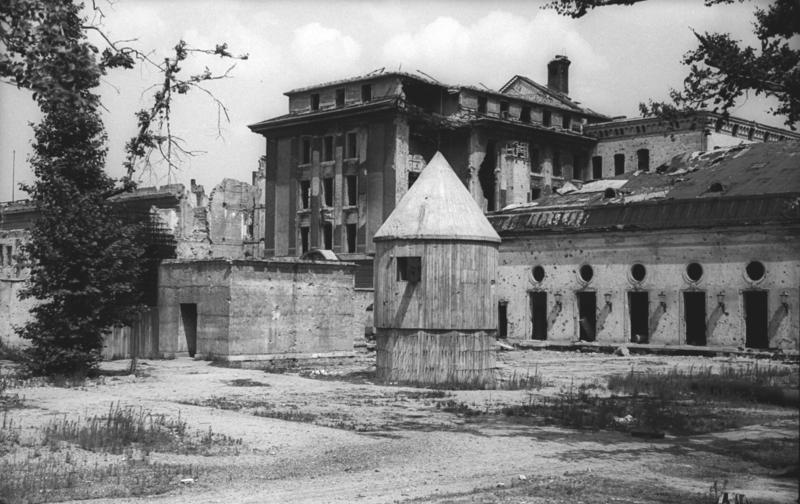
With the Ardennes offensive failed and the Red Army surging across Poland, Hitler returns to Berlin and takes up residence underground. He will never leave.
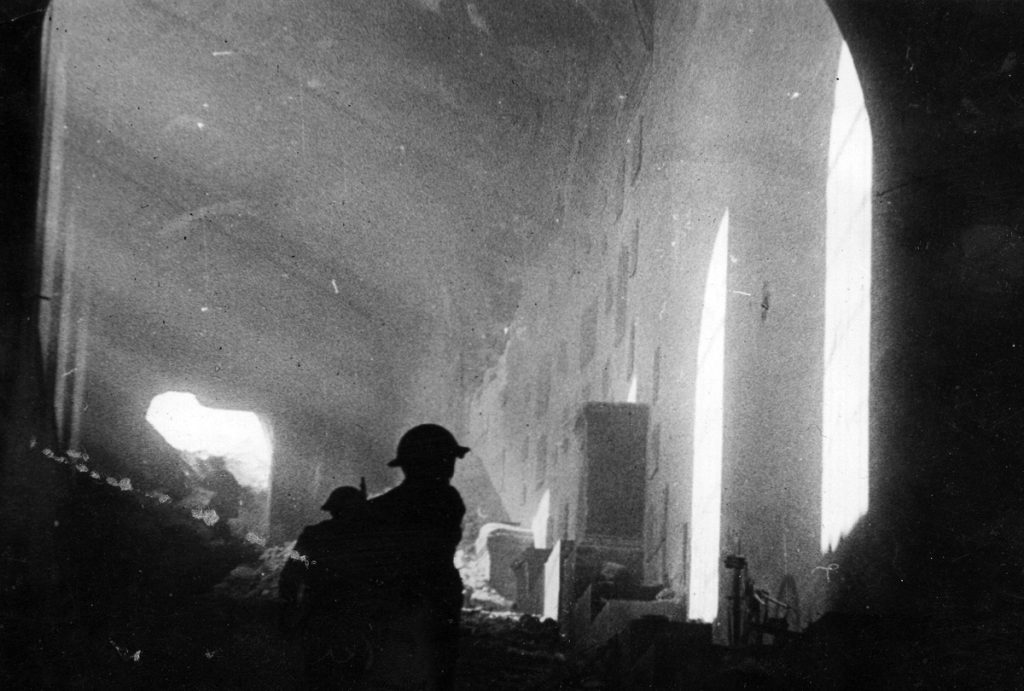
British troops cross the Garigliano to open the first of four bloody battles for the Gustav Line, the German barrier blocking the road to Rome.
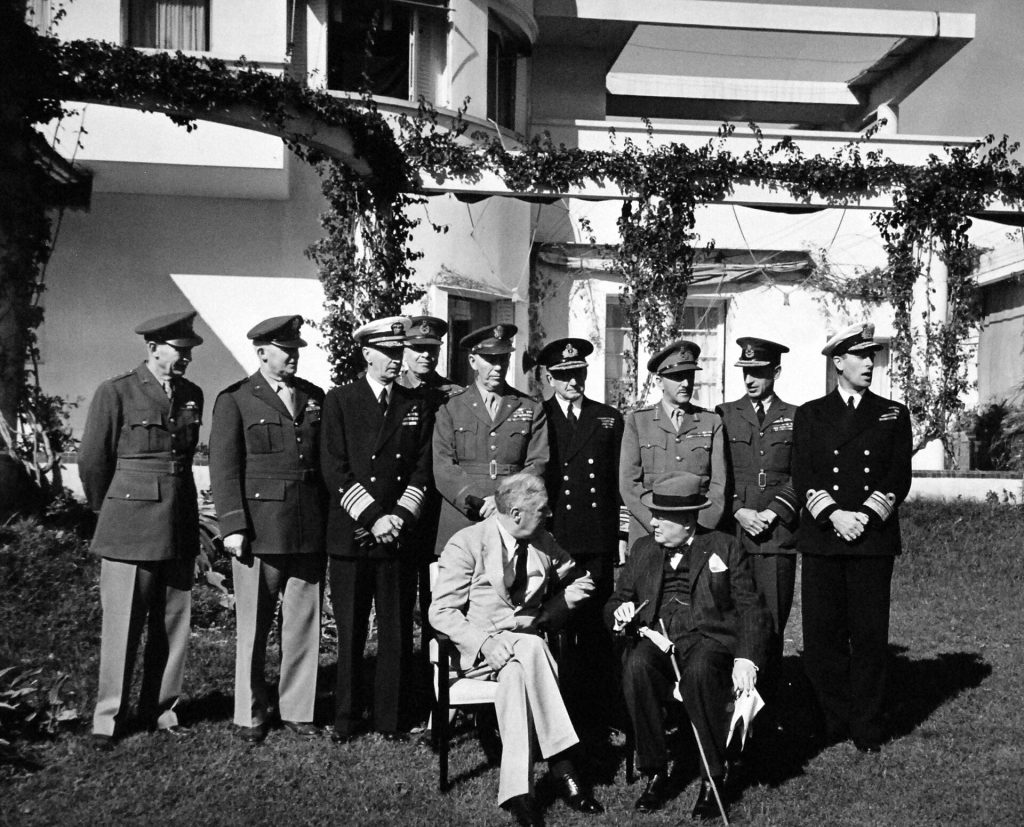
Roosevelt and Churchill meet in liberated Morocco to plan the next year of the war. They leave with a decision on Sicily and a demand the Axis will hear loud and clear: unconditional surrender.

Sixteen months after work began, the US War Department’s vast new headquarters in Arlington, Virginia, is finished. It is the largest office building in the world.
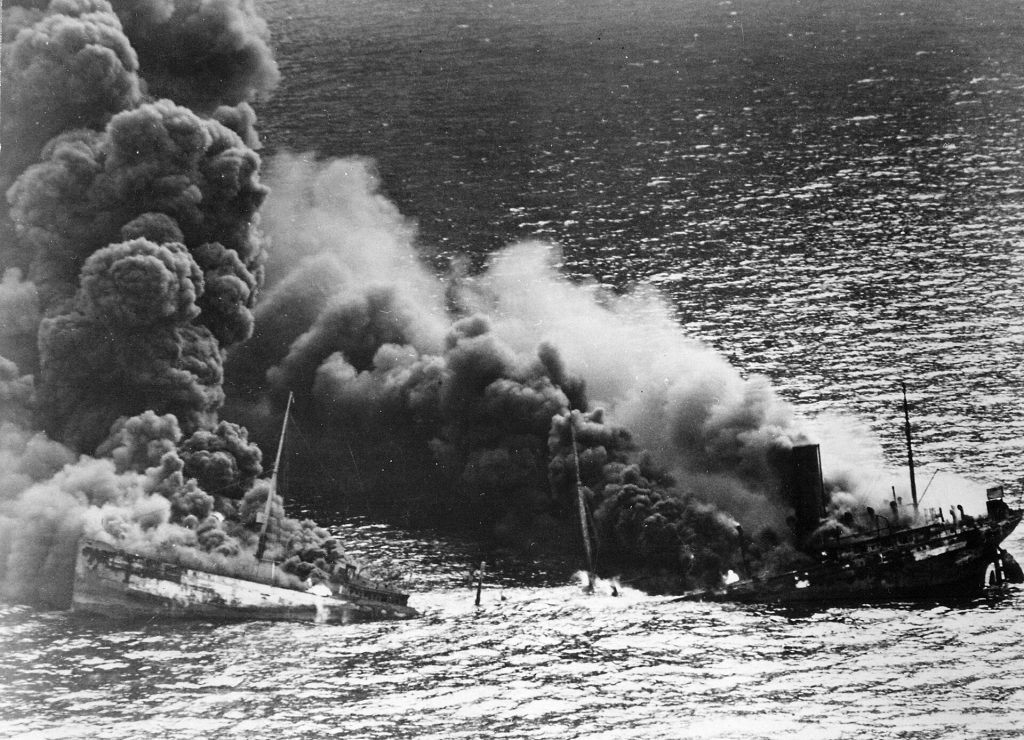
A handful of German U-boats arrive off the coast of North America. For months they will sink tankers and freighters within sight of brightly lit seaside towns.
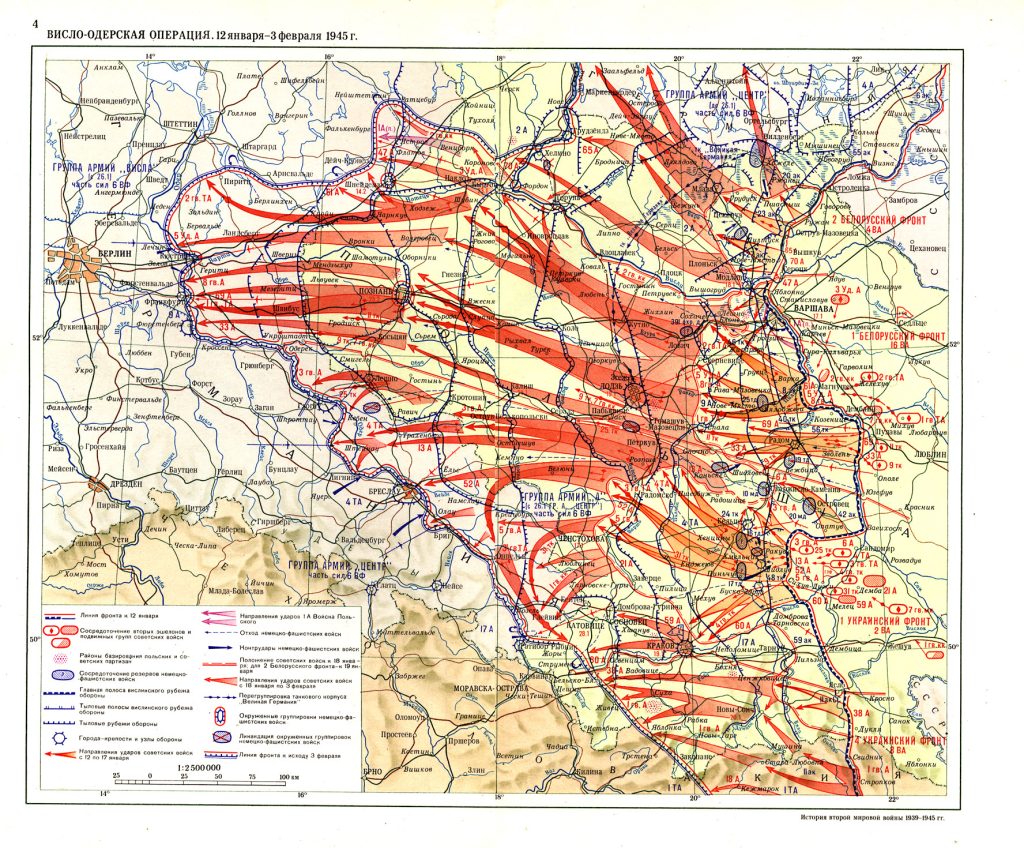
From its bridgeheads on the Vistula, the Red Army launches its greatest offensive of the war. In three weeks it will advance hundreds of kilometres to the Oder, within striking distance of Berlin.
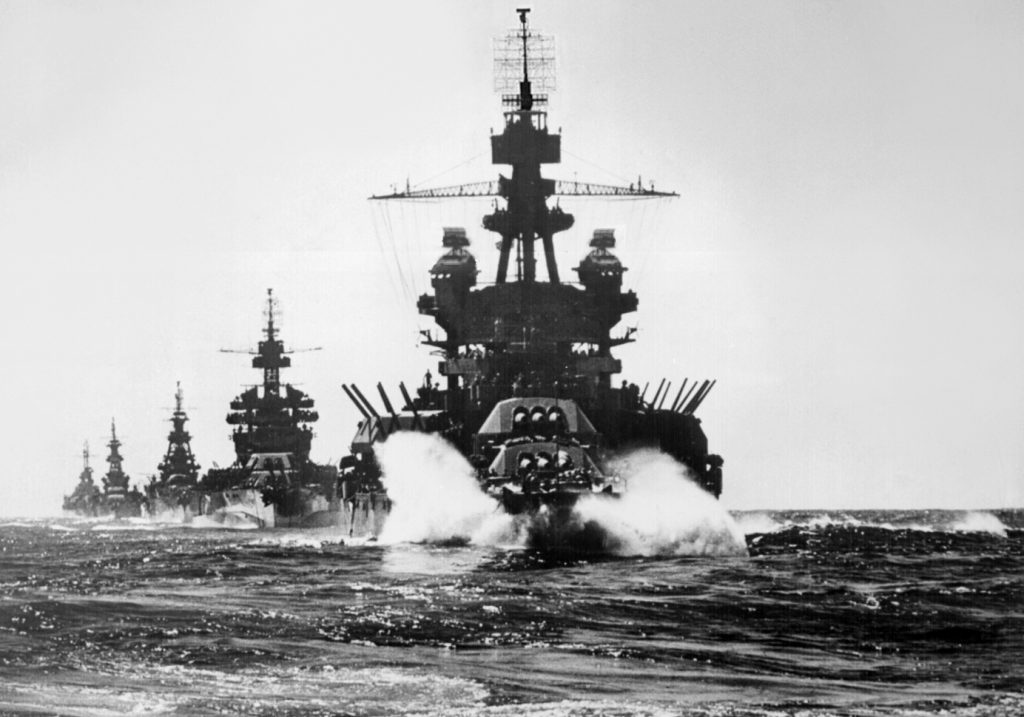
Three years after the Japanese came ashore at the same beaches, the US Sixth Army lands on Luzon to begin the campaign to retake Manila.
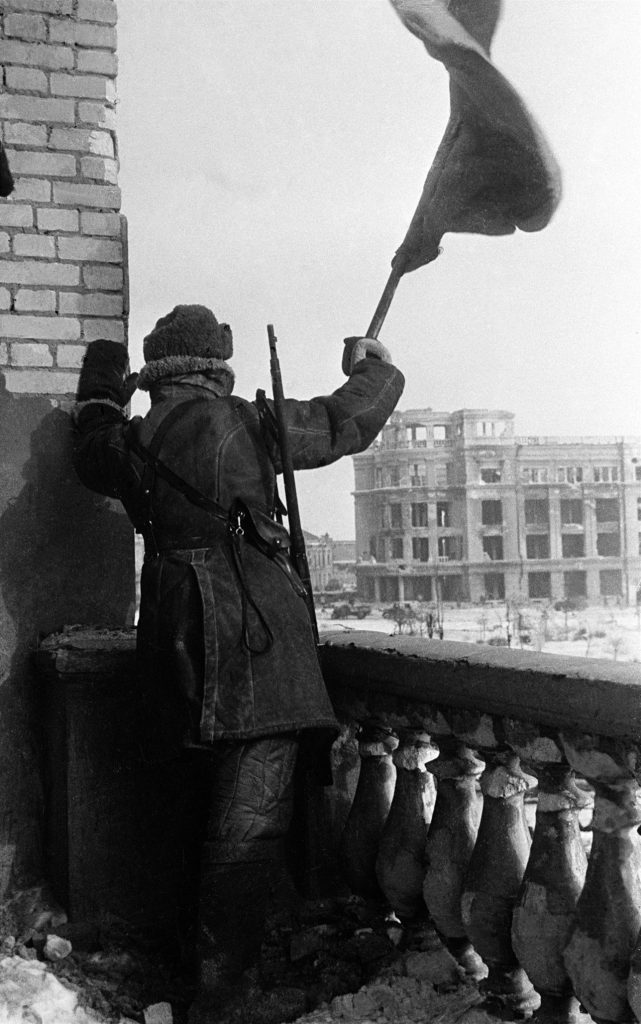
Paulus has rejected the call to surrender. At dawn, thousands of Soviet guns open fire on the starving German Sixth Army trapped at Stalingrad.
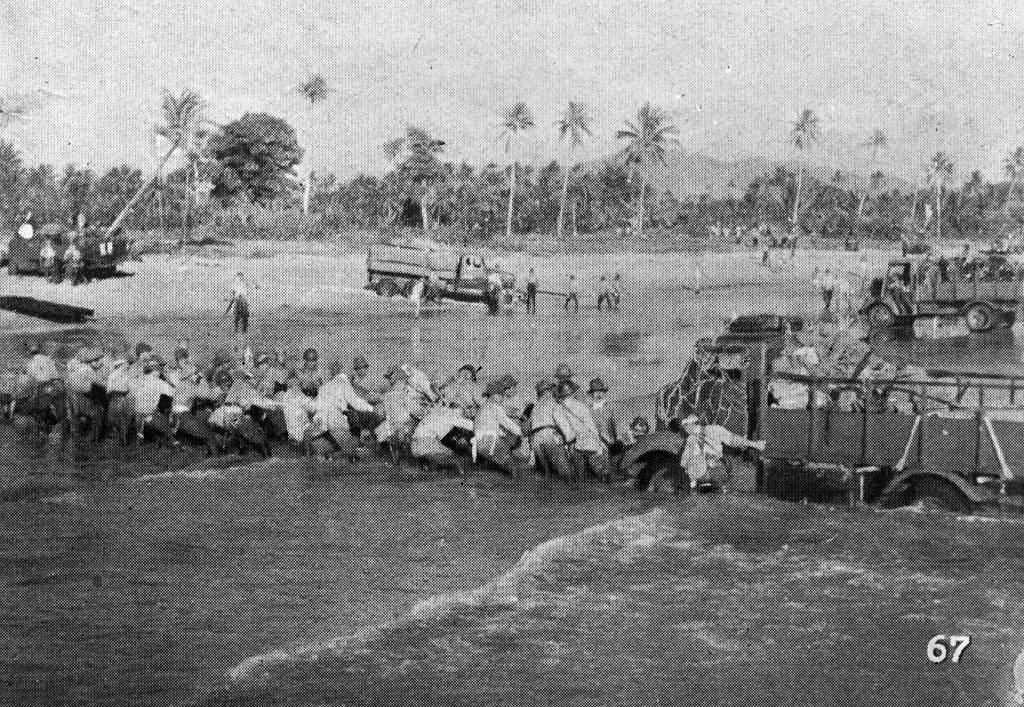
Japan strikes at the oil of the Dutch colonies, landing on Tarakan off Borneo and dropping paratroopers on Celebes. The resources it went to war for are now within reach.
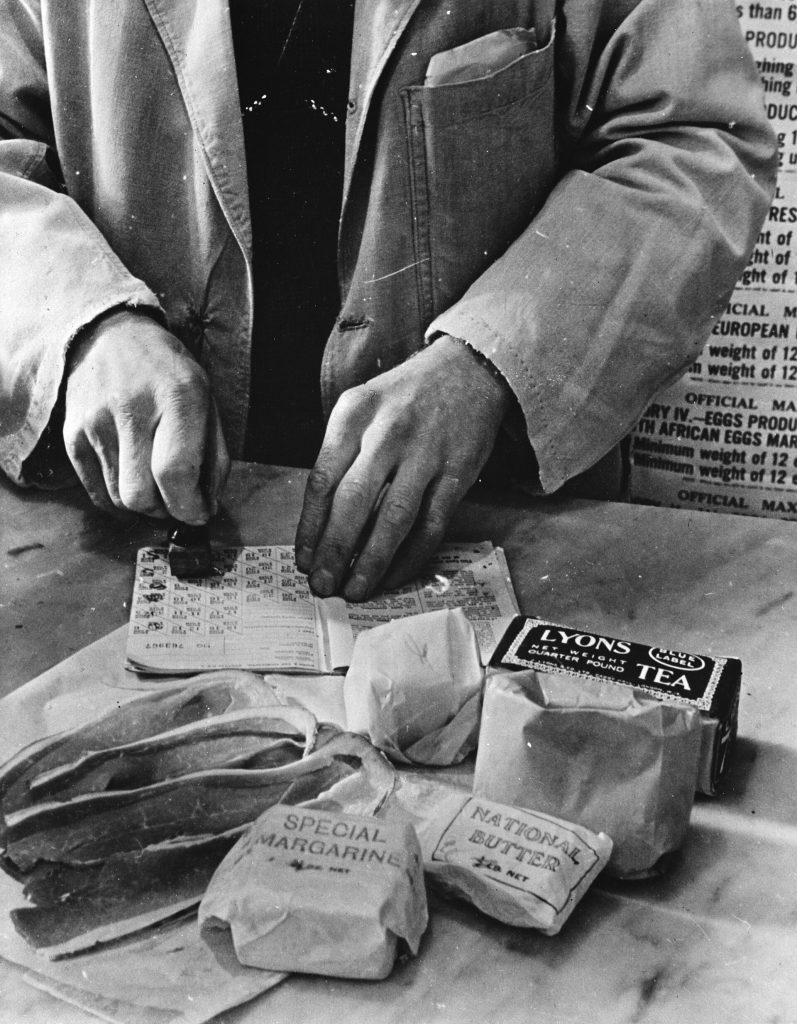
Four months into the war, British households are issued ration books for bacon, butter and sugar. The system will outlast the war itself by almost nine years.
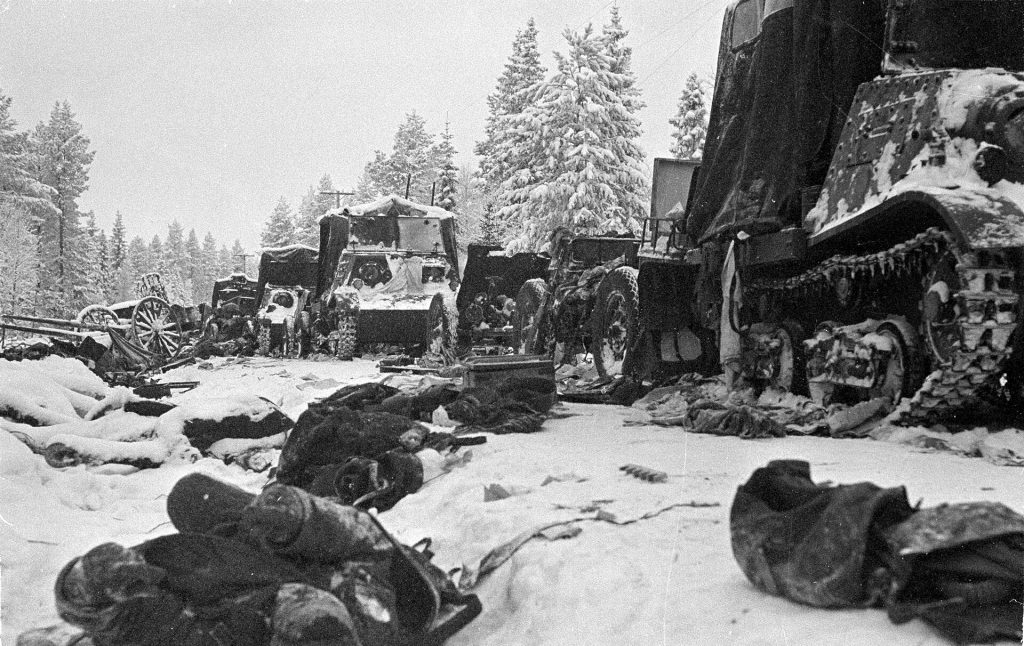
In the frozen forests of eastern Finland, a Soviet division strung out along a single forest road is cut into pockets and destroyed by Finnish ski troops.
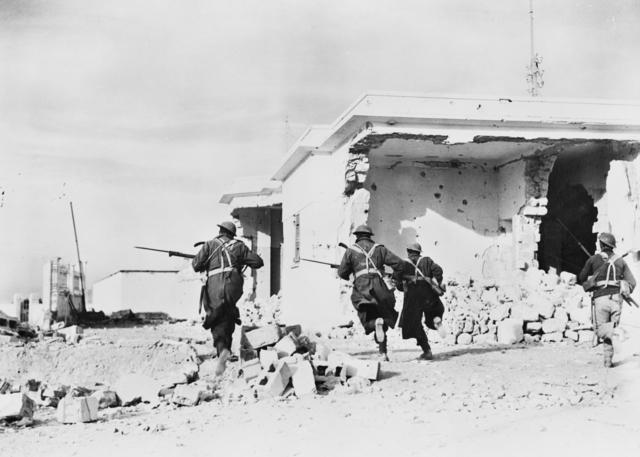
In their first battle of the war, the men of the 6th Australian Division storm the fortified Libyan port of Bardia and take tens of thousands of Italian prisoners.
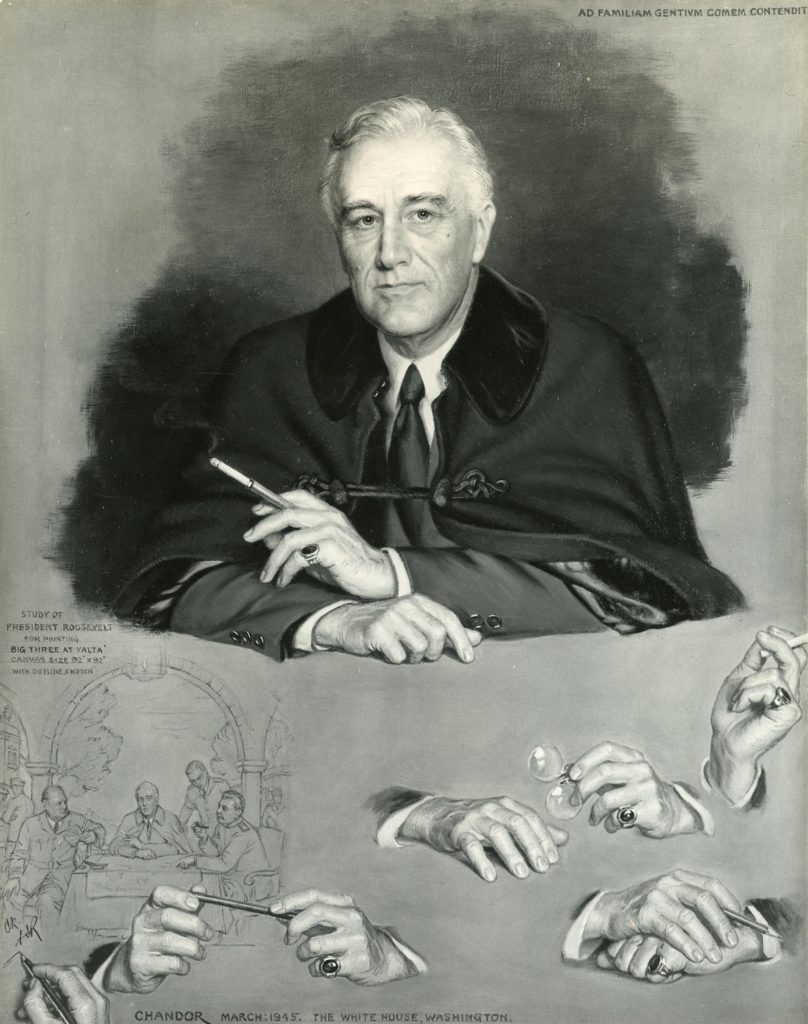
In his State of the Union address, Roosevelt sets out four freedoms that he says every person in the world should enjoy, and asks Congress to arm the nations defending them.
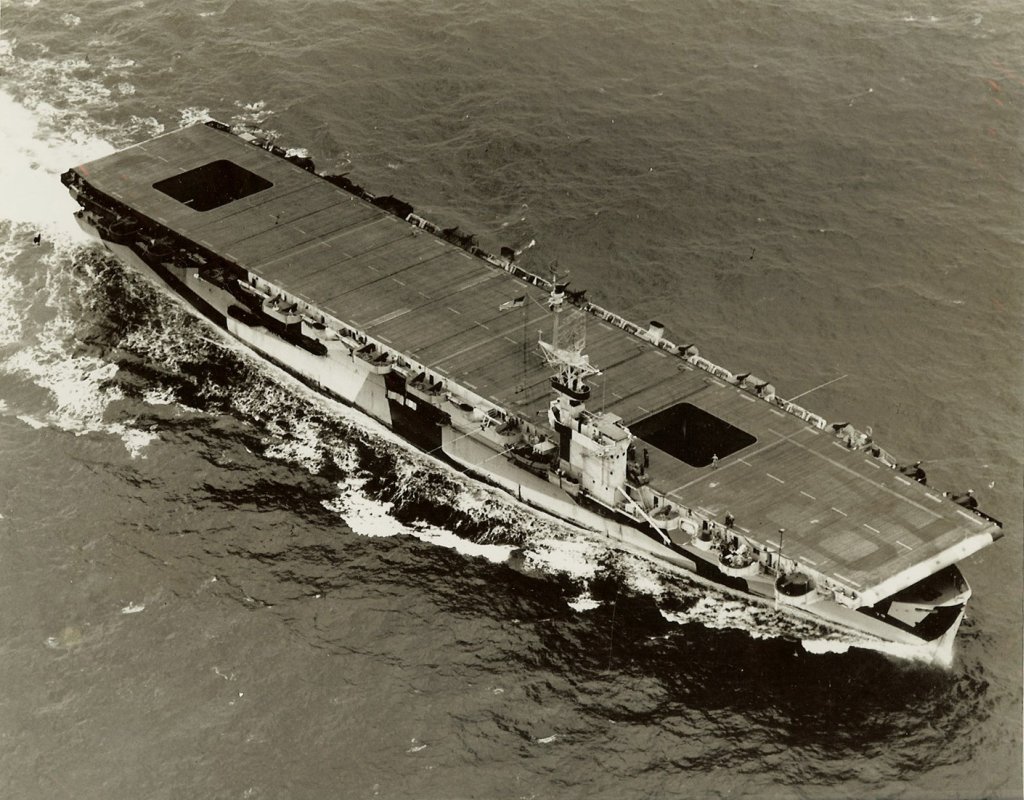
As the American invasion fleet sails for Luzon, a single suicide aircraft sets the escort carrier Ommaney Bay ablaze. She has to be sunk by her own escorts.
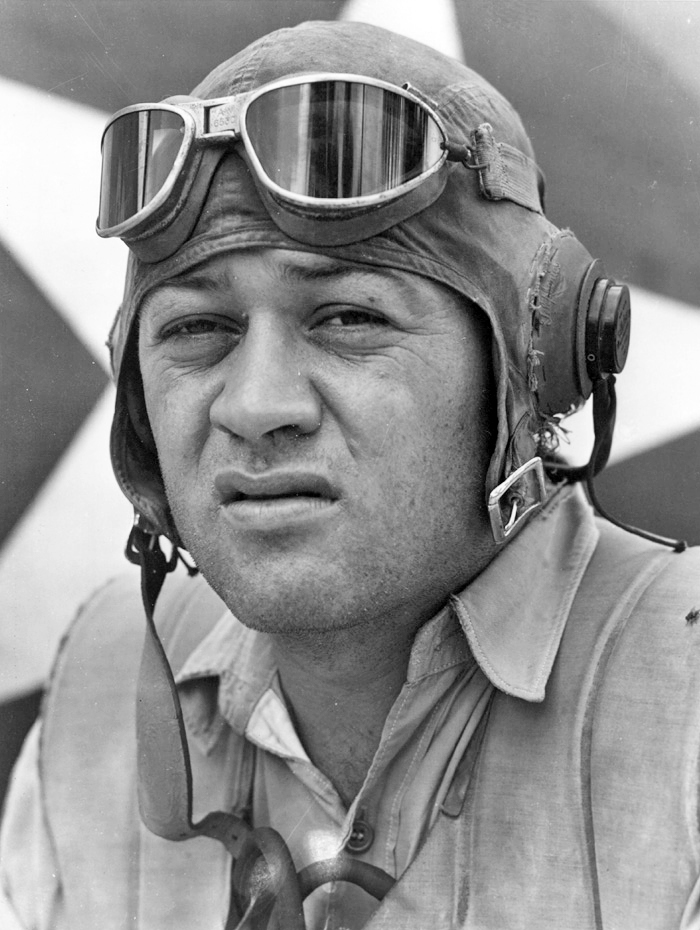
The leader of the Marine Corps’ famous Black Sheep Squadron is shot down over Rabaul. America will believe him dead for more than a year and a half.
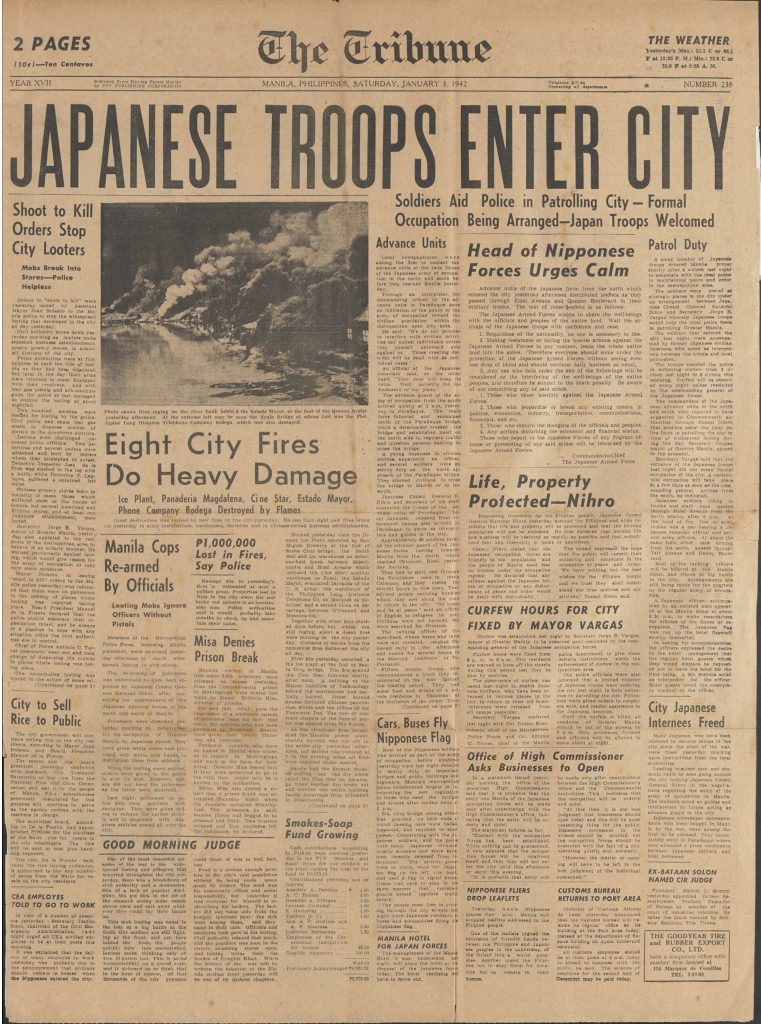
Declared an open city to spare it from destruction, the Philippine capital is occupied by the Japanese army as American and Filipino forces fall back to Bataan.
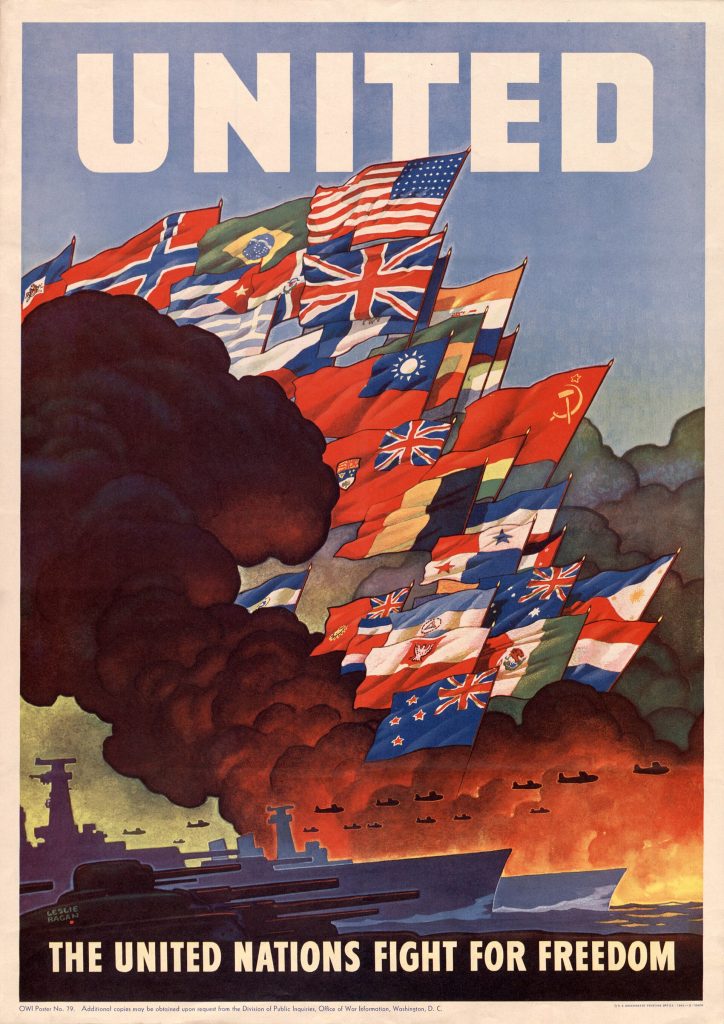
Weeks after Pearl Harbor, the nations fighting the Axis sign a single pledge in Washington. Their name for themselves will outlive the war.
 United Kingdom
 United States
 Soviet Union
 Germany
 Japan
 France
 Poland
 South Africa