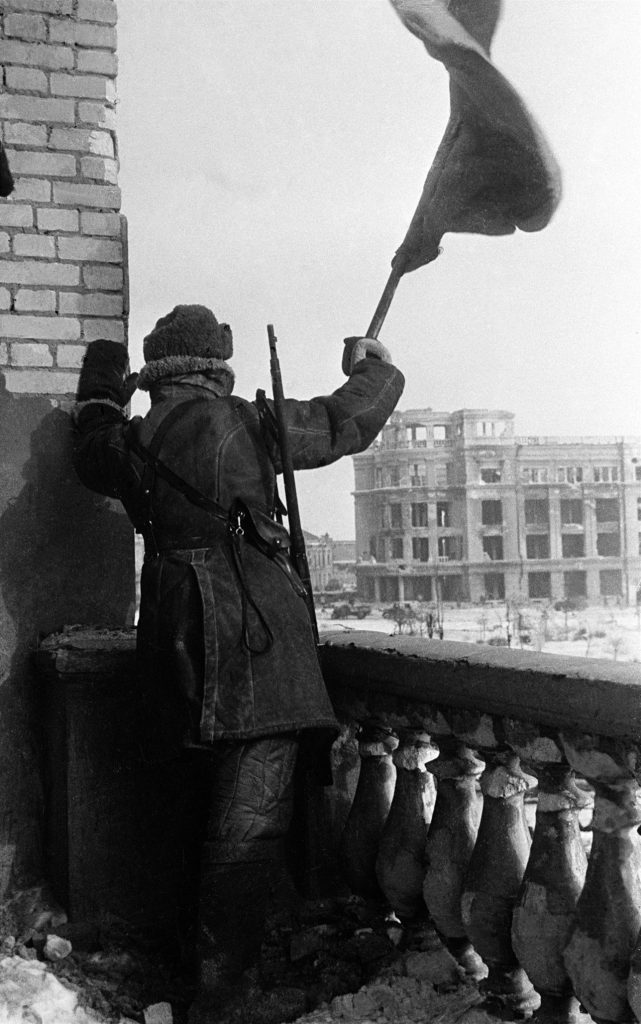
10 January 1943: Operation Ring
Paulus has rejected the call to surrender. At dawn, thousands of Soviet guns open fire on the starving German Sixth Army trapped at Stalingrad.
Dispatches involving Germany.
Paulus has rejected the call to surrender. At dawn, thousands of Soviet guns open fire on the starving German Sixth Army trapped at Stalingrad.
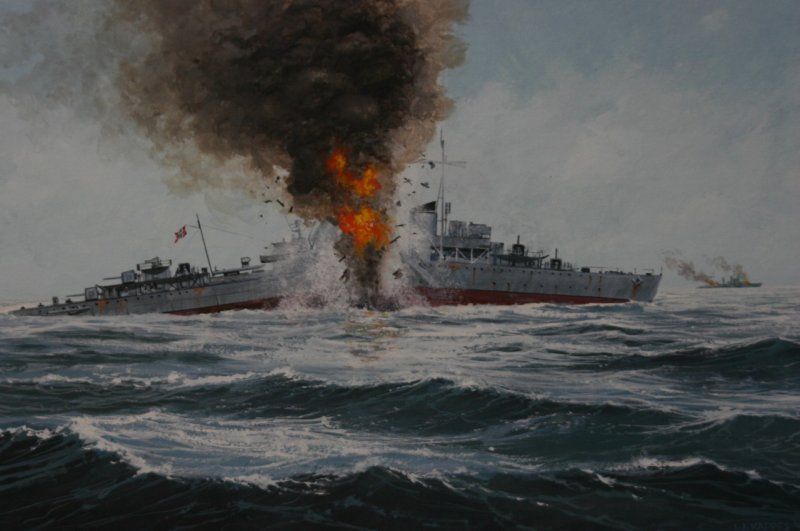
A heavy cruiser and a pocket battleship attack an Arctic convoy guarded only by destroyers. The escorts hold them off, and Hitler’s fury will end the career of his navy’s chief.
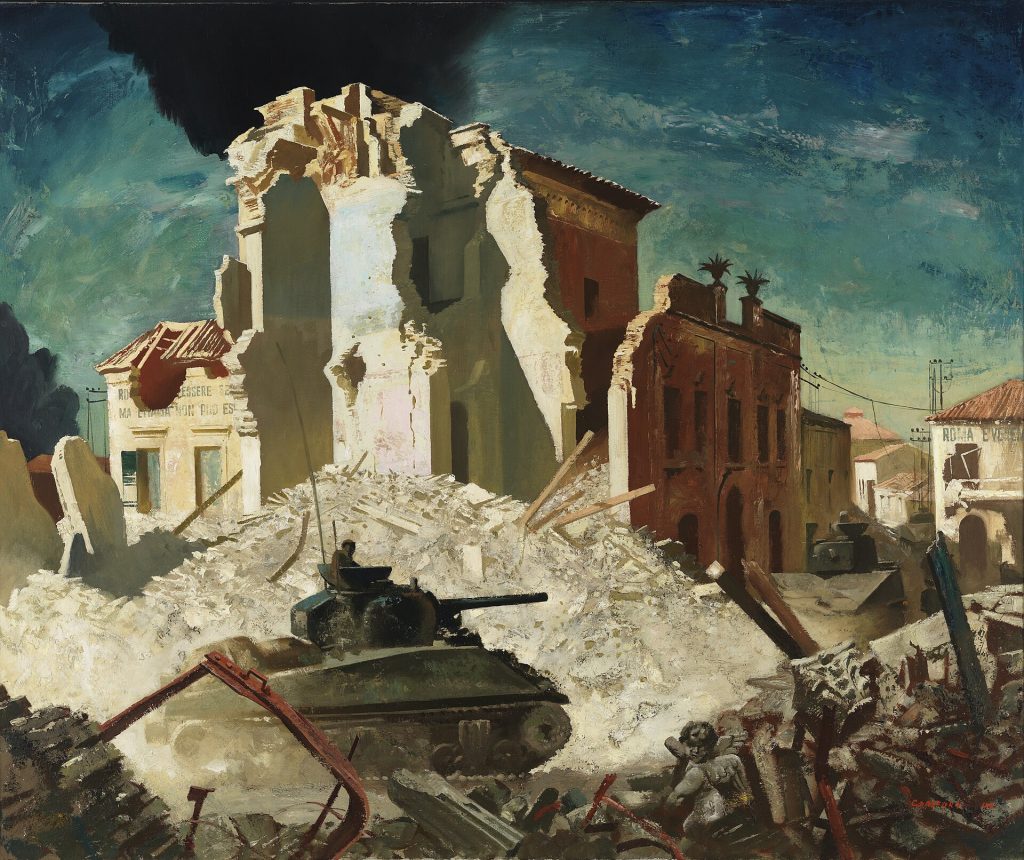
After eight days of house-to-house fighting, German paratroopers pull out of the Adriatic town of Ortona. Canadian soldiers have won one of the hardest urban battles of the Italian campaign.
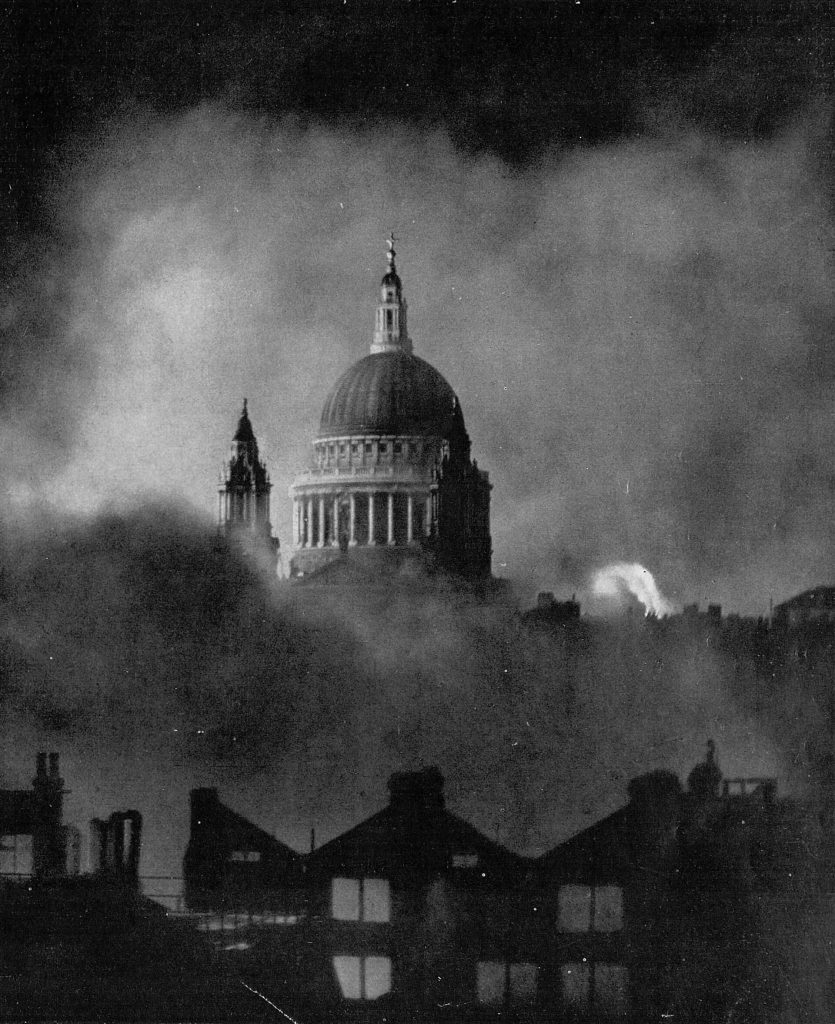
On a Sunday night with the Thames at low tide, German bombers set the City of London ablaze. St Paul’s Cathedral stands untouched amid the flames.
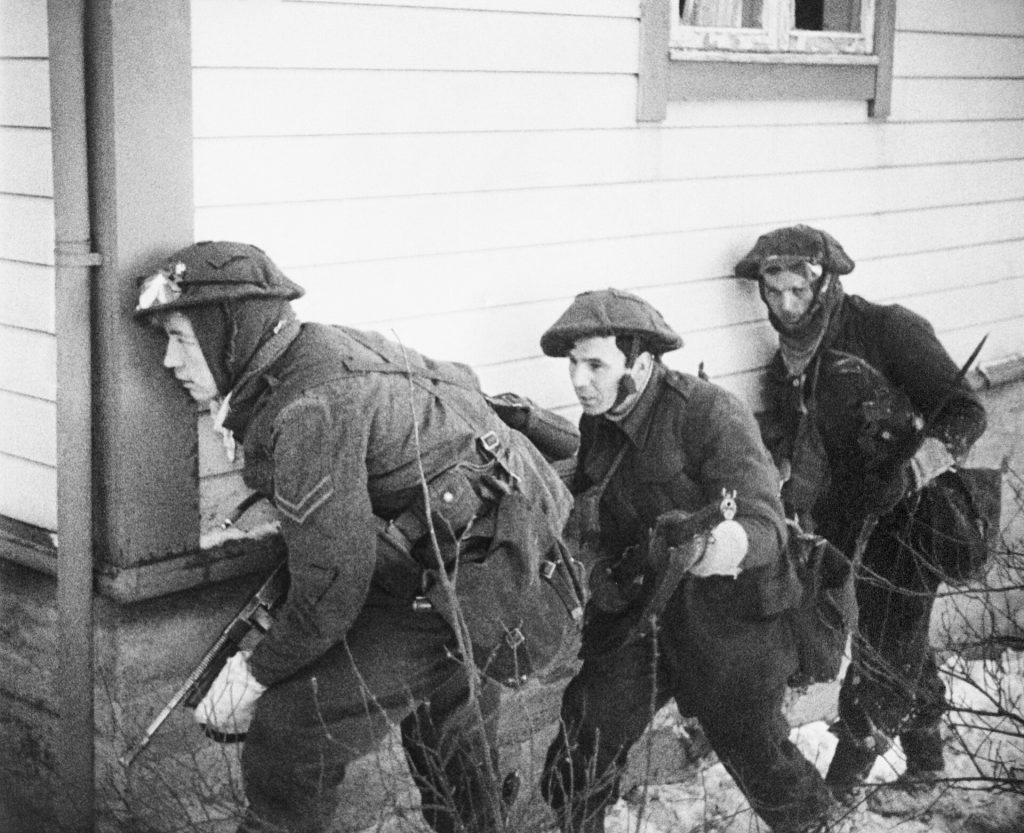
British commandos and Norwegian volunteers storm the island town of Måløy on the Norwegian coast. The raid is small, but it changes how Hitler garrisons Norway.

In the Arctic darkness off northern Norway, radar-guided British warships trap and sink the battleship Scharnhorst. Of nearly 2,000 men aboard, only 36 survive.
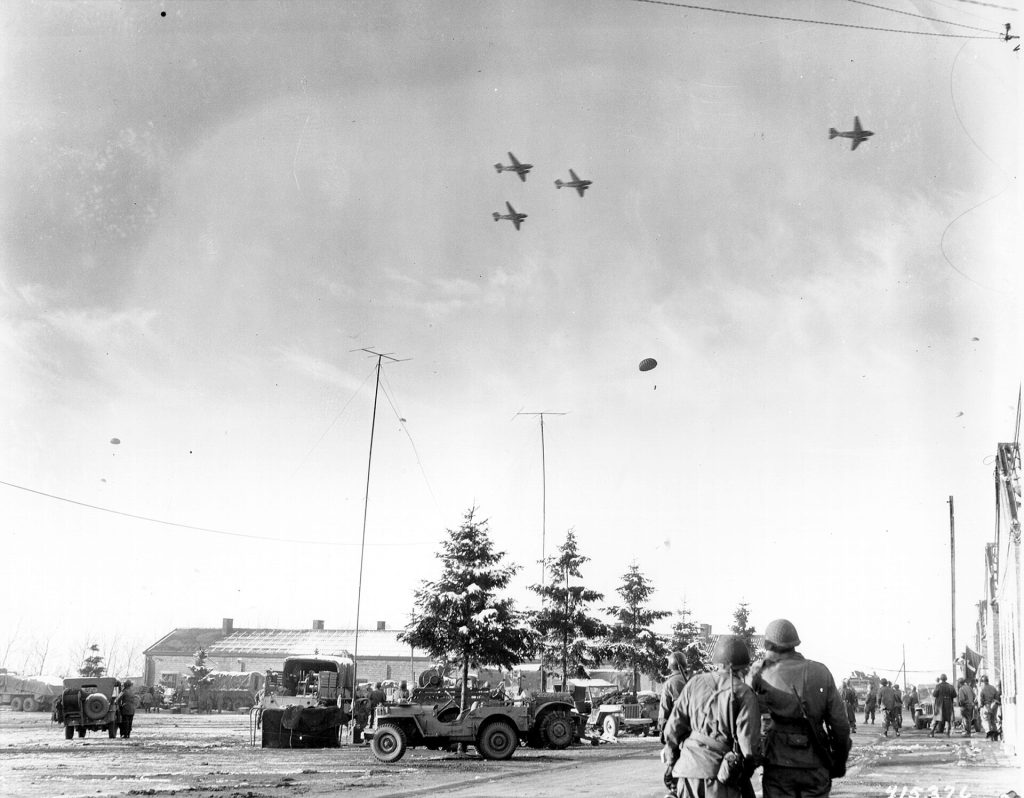
Surrounded at the Belgian crossroads town of Bastogne, the American commander receives a formal German demand to surrender. His one-word reply becomes legend.
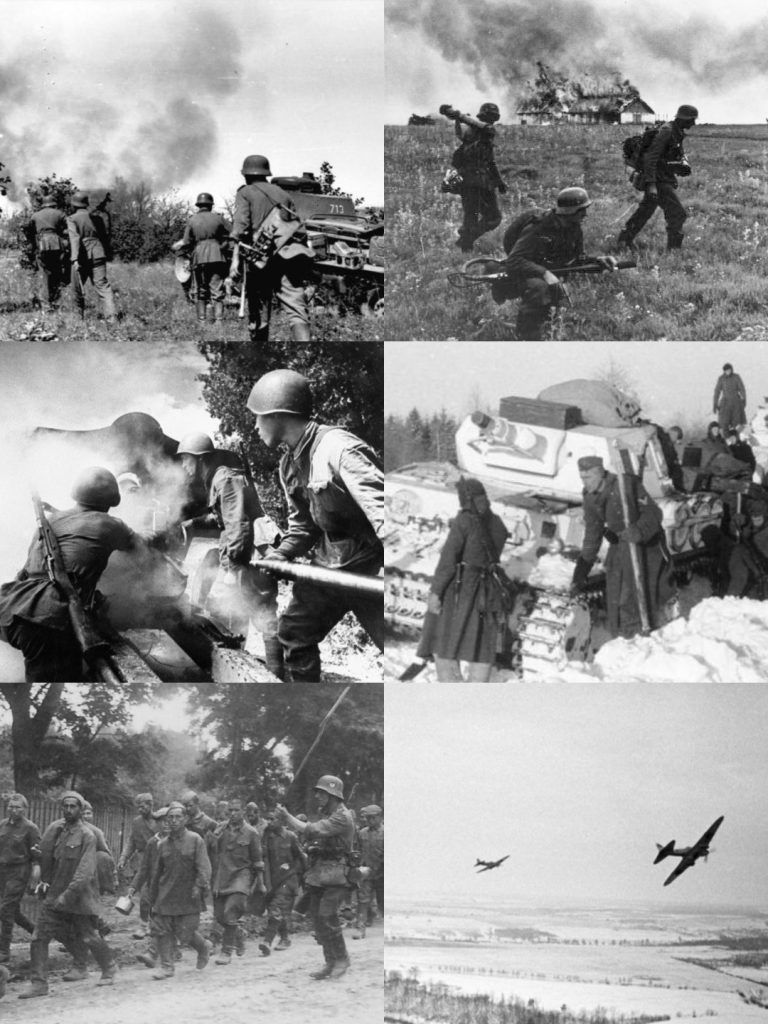
Hitler signs the order for Operation Barbarossa: the German armed forces must be ready to crush the Soviet Union in a rapid campaign, even before Britain is defeated.
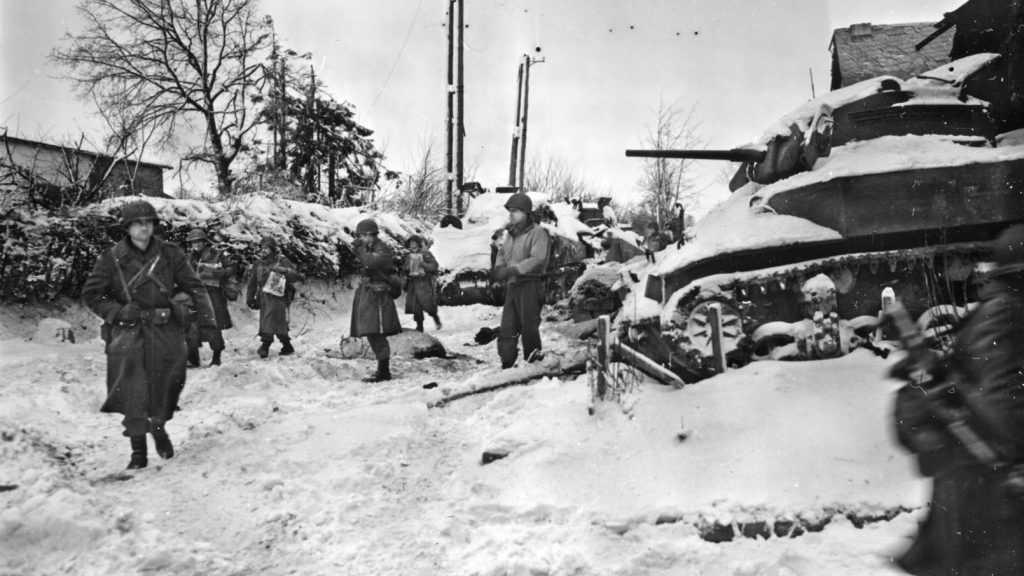
Out of the fog-bound forests of the Ardennes, three German armies smash into a thinly held American front. Hitler’s last great gamble in the west has begun.
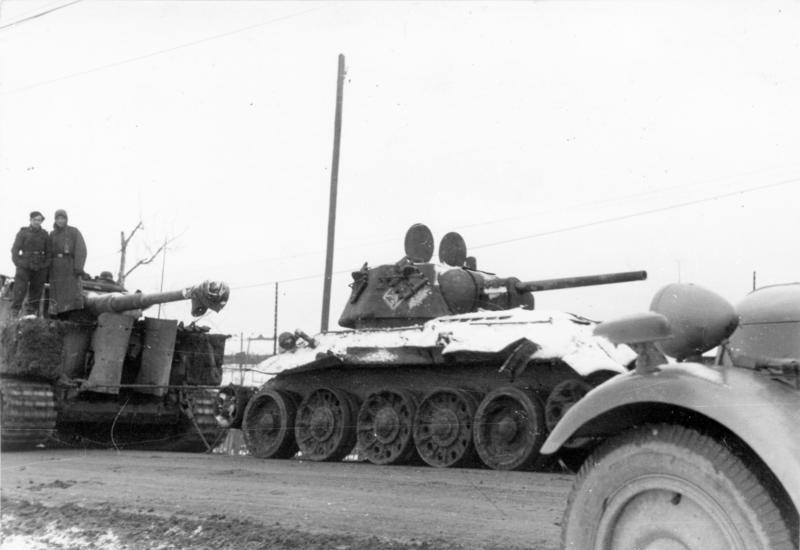
Field Marshal von Manstein launches a desperate attempt to break through to the German Sixth Army trapped at Stalingrad. His panzers get within about 50 kilometres, and no closer.
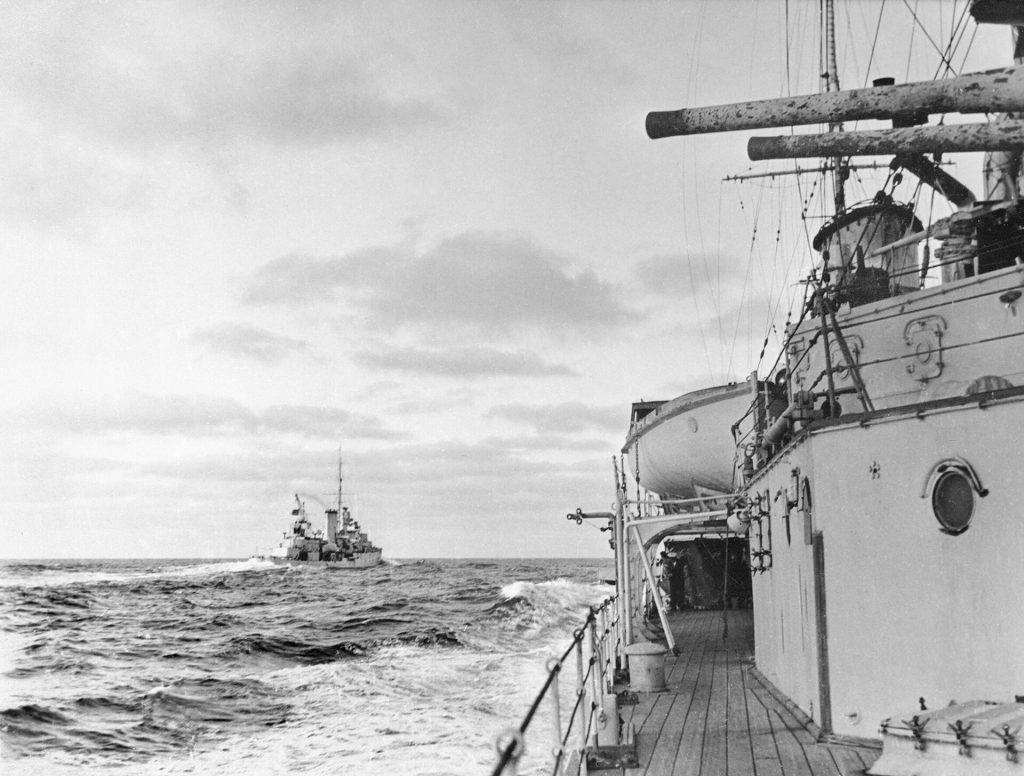
Three British cruisers take on the pocket battleship Admiral Graf Spee off the coast of South America. Battered, the raider runs for neutral Montevideo, and into a trap of nerves.
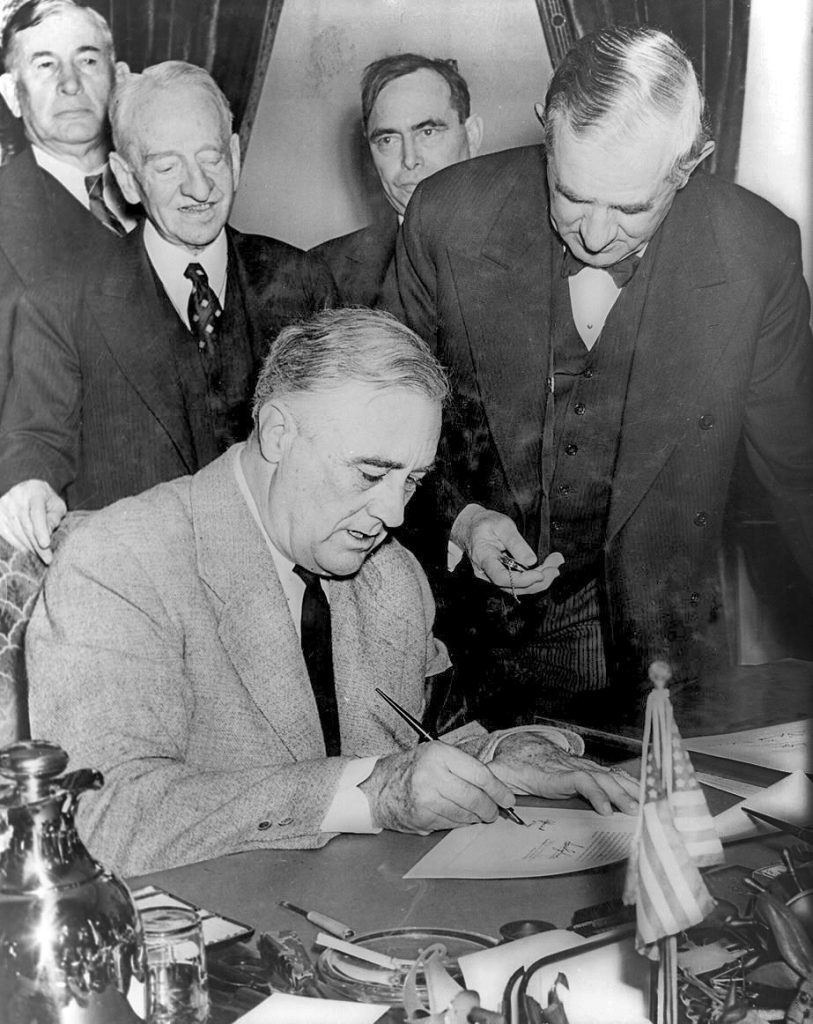
Under no treaty obligation to do so, Hitler declares war on the United States. Roosevelt no longer has to persuade Americans to fight Germany.
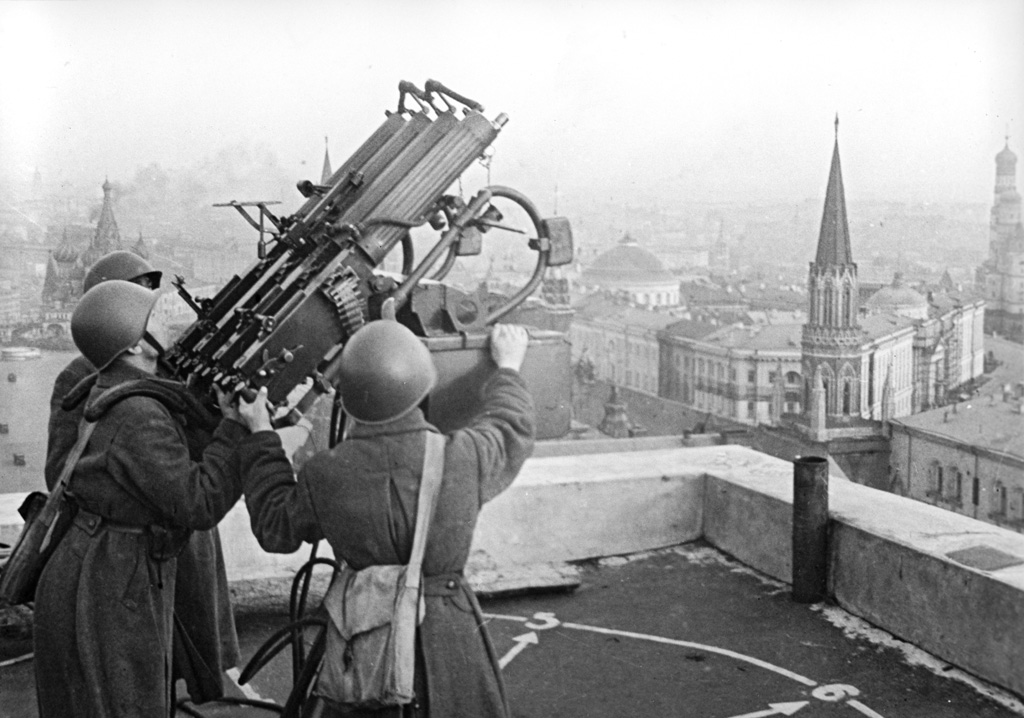
In temperatures far below freezing, the Red Army launches a surprise counter-offensive against the exhausted German armies outside Moscow. For the first time, the Wehrmacht is thrown back.
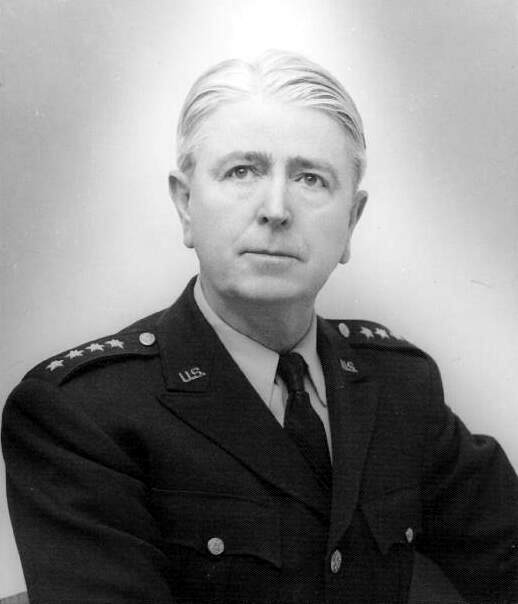
Three days before Pearl Harbor, an isolationist newspaper publishes America’s top-secret plan for fighting and winning a world war.
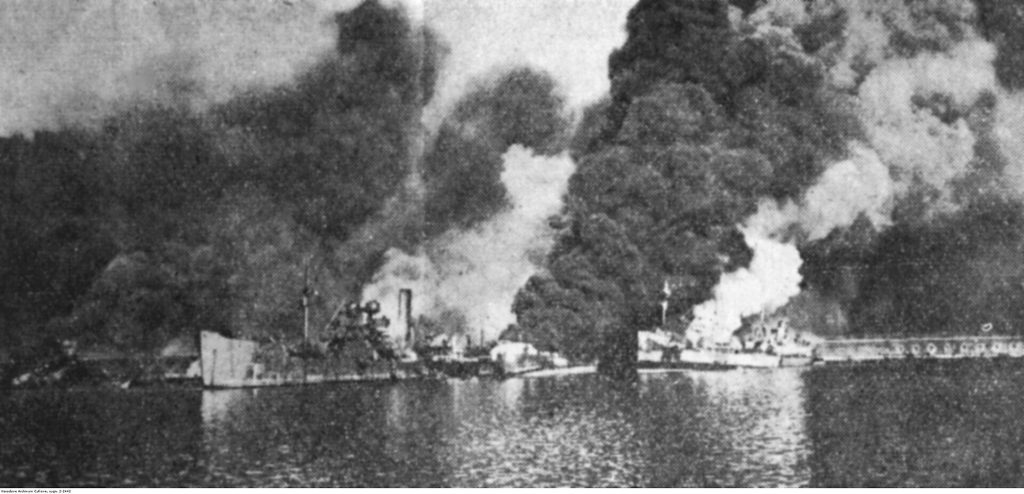
German bombers catch a crowded Allied supply port fully lit at dusk. Among the ships destroyed is an American freighter secretly carrying mustard gas bombs.
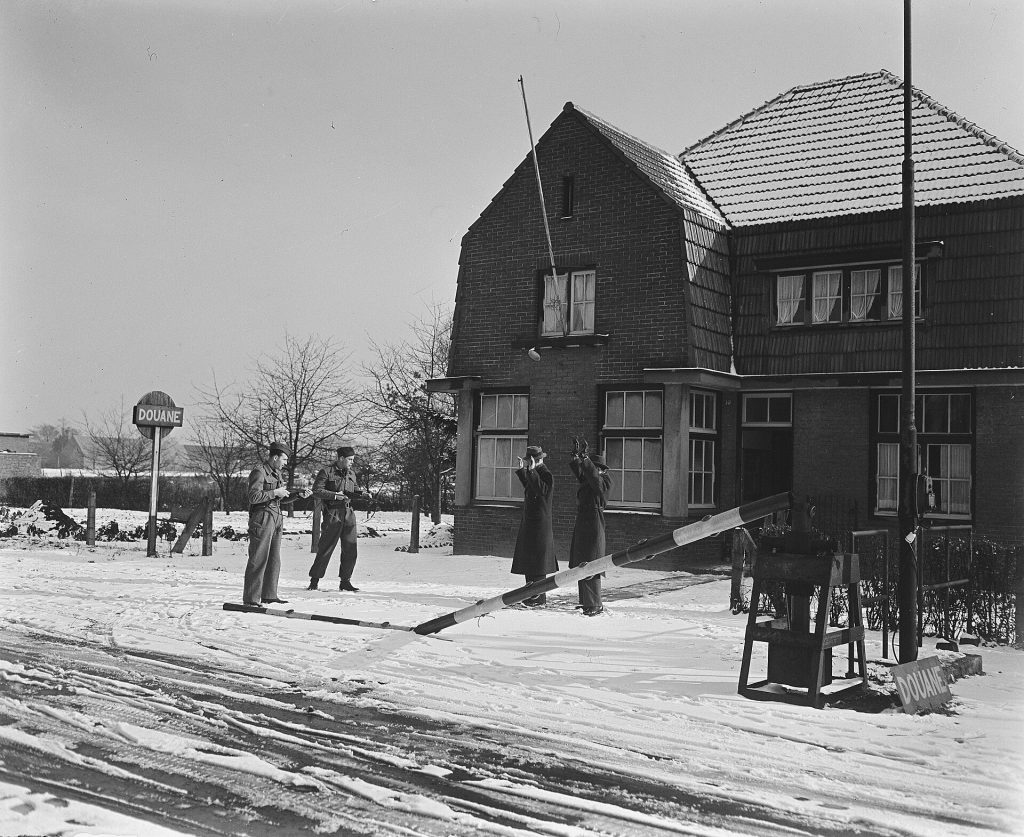
Two British intelligence officers, lured by German agents posing as anti-Hitler conspirators, are seized at a café on the Dutch border and dragged into Germany.
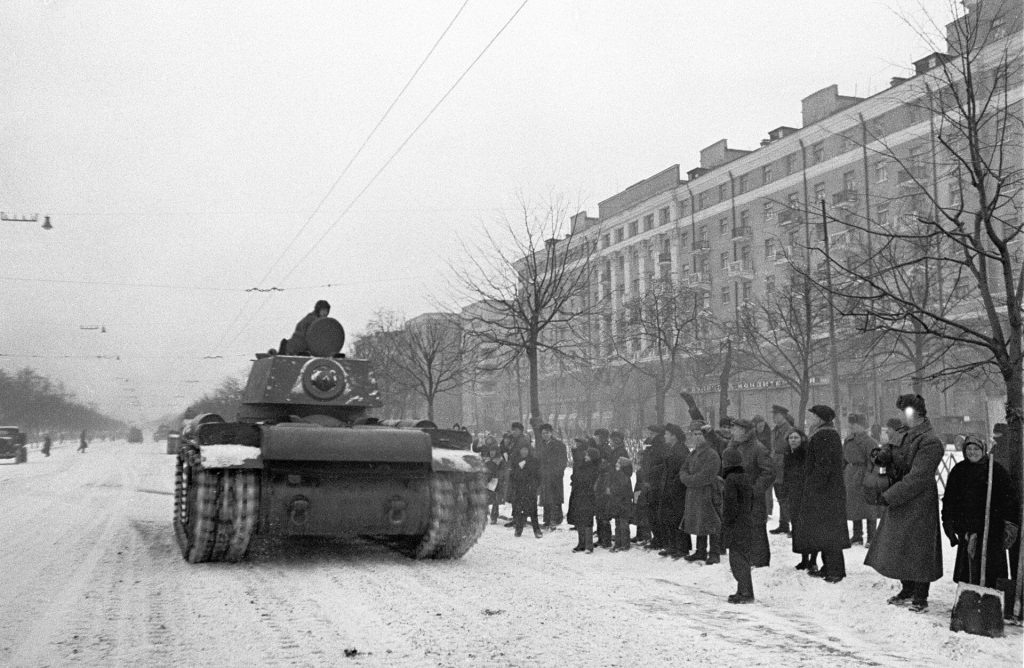
With German armies less than a hundred kilometres away, Stalin stages the traditional revolution parade in Moscow. The troops march past the Kremlin and straight on to the front.
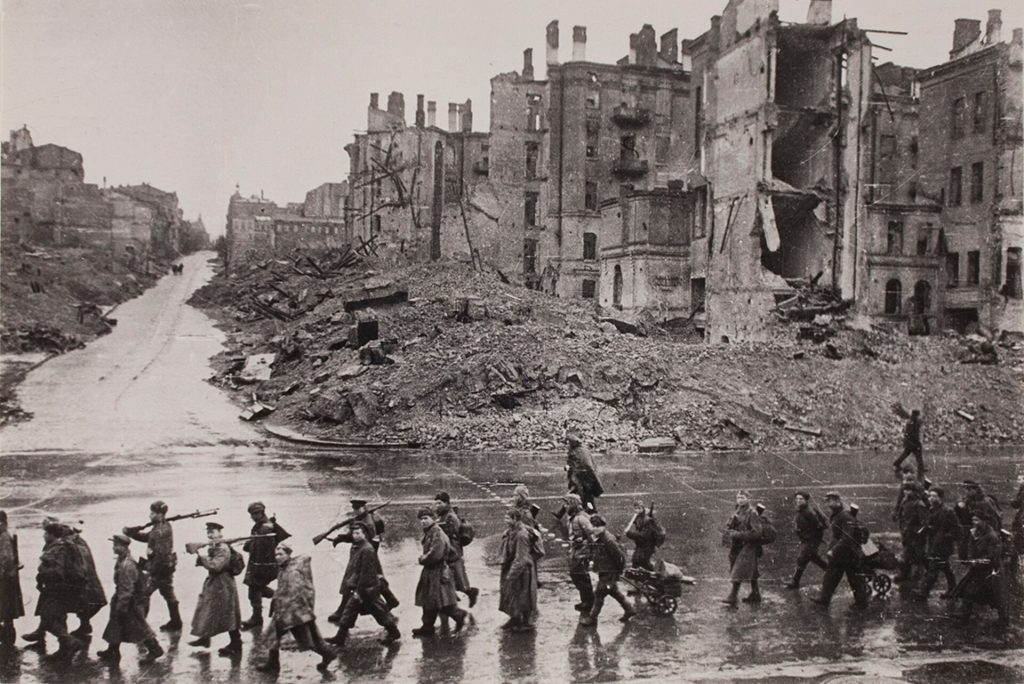
Two years and two months after it fell, the Red Army retakes the Ukrainian capital, on the eve of the anniversary of the October Revolution.
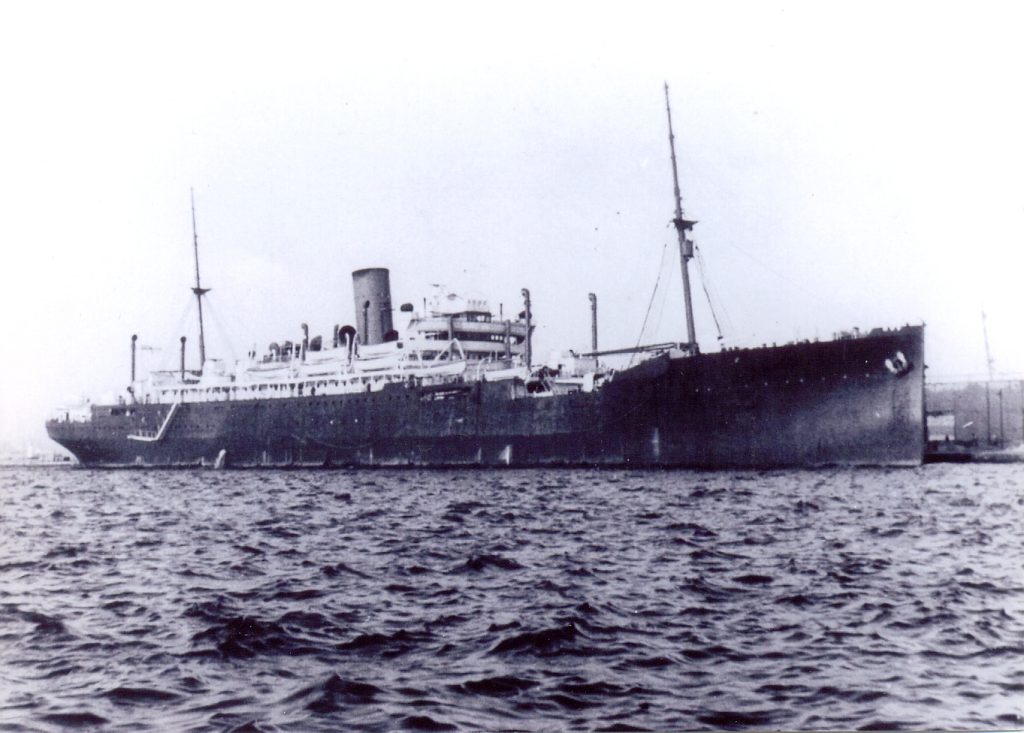
Alone in the mid-Atlantic, the escort of a 37-ship convoy turns towards the German pocket battleship Admiral Scheer, buying time for the merchant ships to scatter into the dusk.
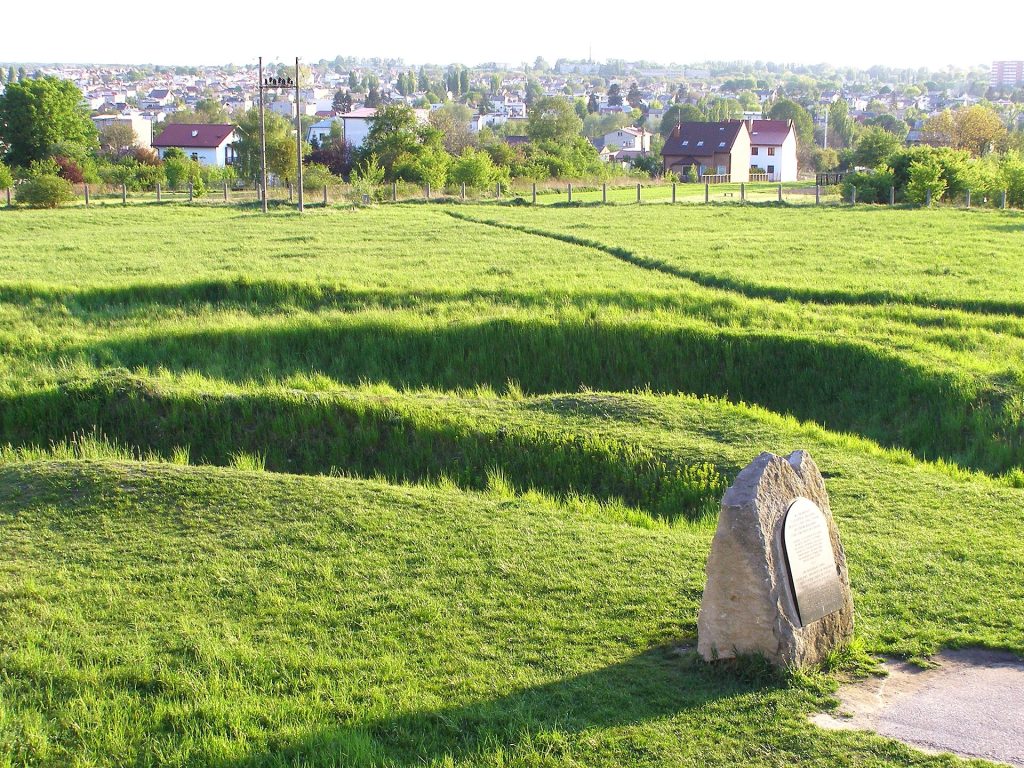
Over two days in the Lublin district of occupied Poland, SS and police units murder around 42,000 Jewish prisoners. It is one of the largest single massacres of the Holocaust.
 United Kingdom
 United States
 Soviet Union
 Germany
 Japan
 France
 Poland
 South Africa