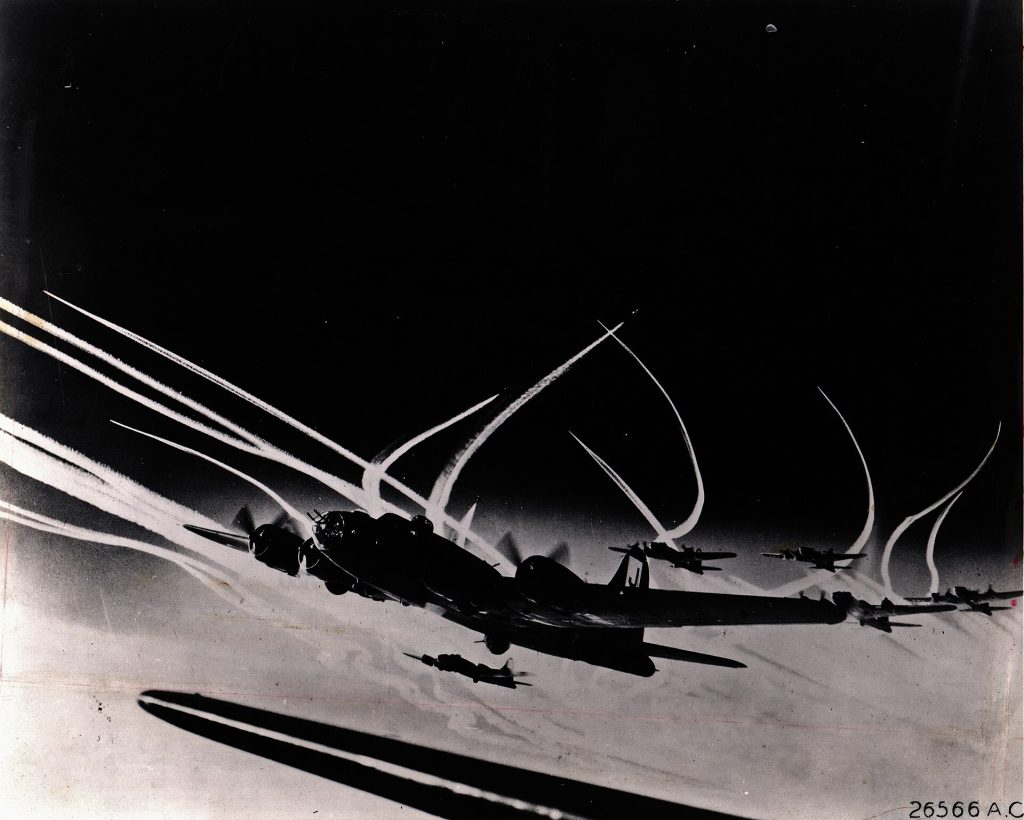
20 February 1944: Big Week
With a break in the winter weather, the Allied air forces launch a week of massed attacks on the German aircraft industry. The real target is the Luftwaffe itself.
Dispatches involving Germany.
With a break in the winter weather, the Allied air forces launch a week of massed attacks on the German aircraft industry. The real target is the Luftwaffe itself.
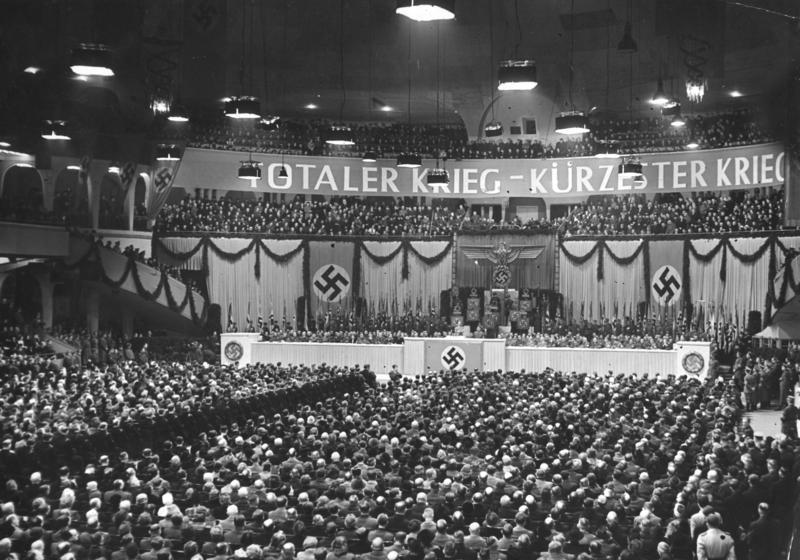
Two weeks after Stalingrad, Joseph Goebbels addresses a packed hall in Berlin and asks the crowd whether it wants total war. The answer is a roar of approval.
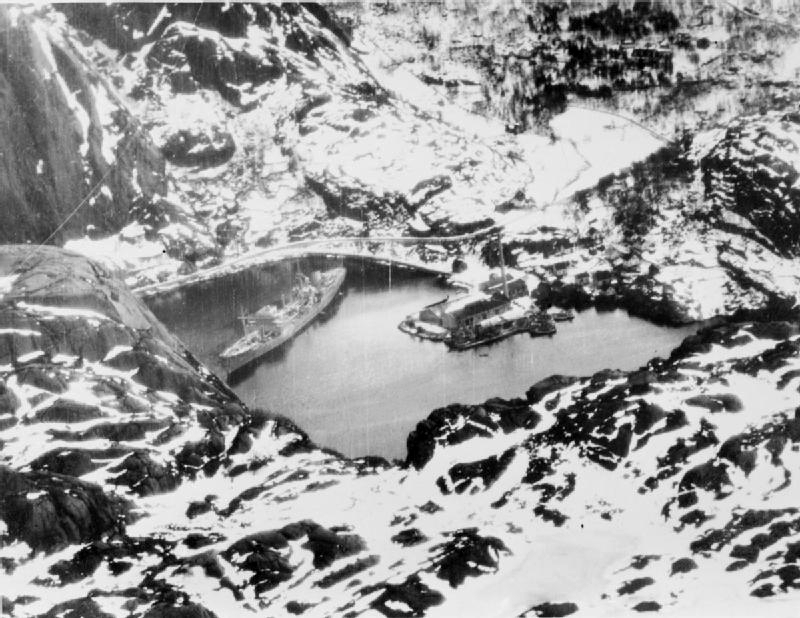
A British destroyer enters a Norwegian fjord, boards a German supply ship and frees around 300 British seamen held captive below decks.
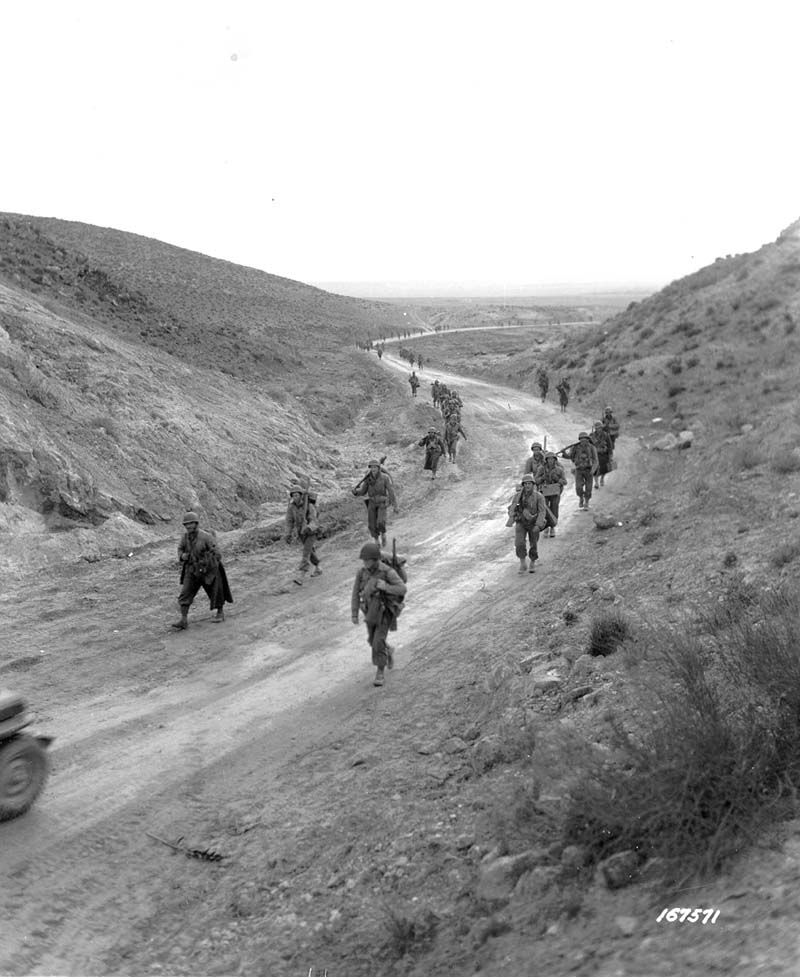
German panzer divisions strike the inexperienced US II Corps in central Tunisia. Within days the Americans are driven back through the Kasserine Pass.
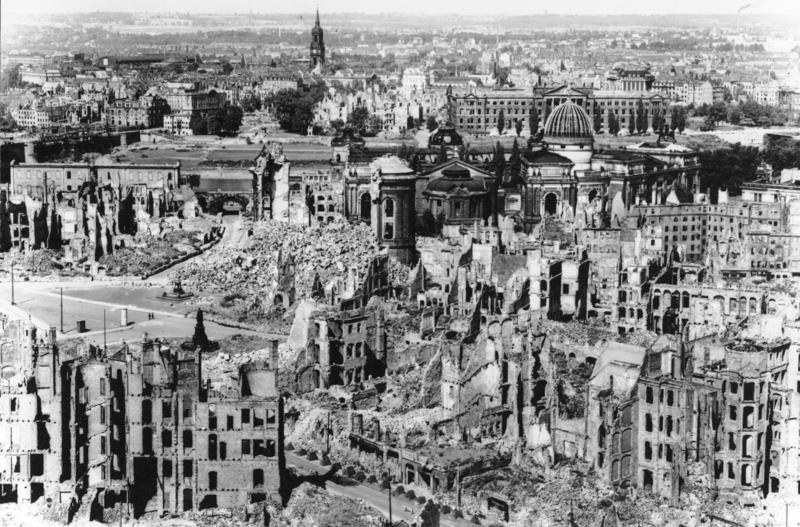
RAF bombers attack the baroque city of Dresden in two waves by night, followed by American raids by day. The firestorm that follows becomes one of the most debated acts of the war.
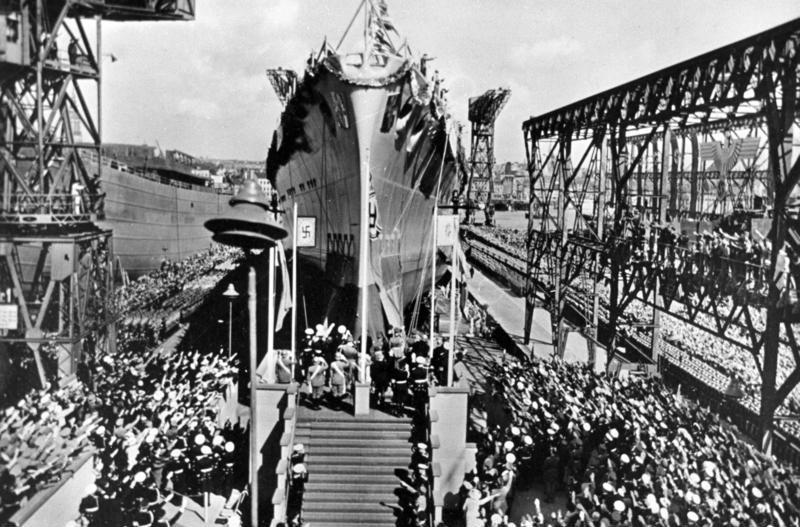
Two German battleships and a heavy cruiser sail from Brest and run straight up the English Channel in broad daylight. The British are slow to react.
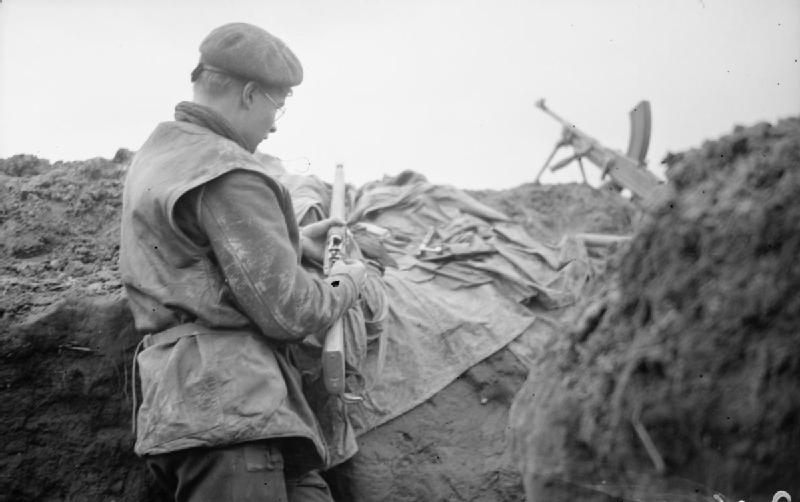
After a massive bombardment, the First Canadian Army attacks into the Reichswald forest, the start of the battle to clear the last ground west of the Rhine.
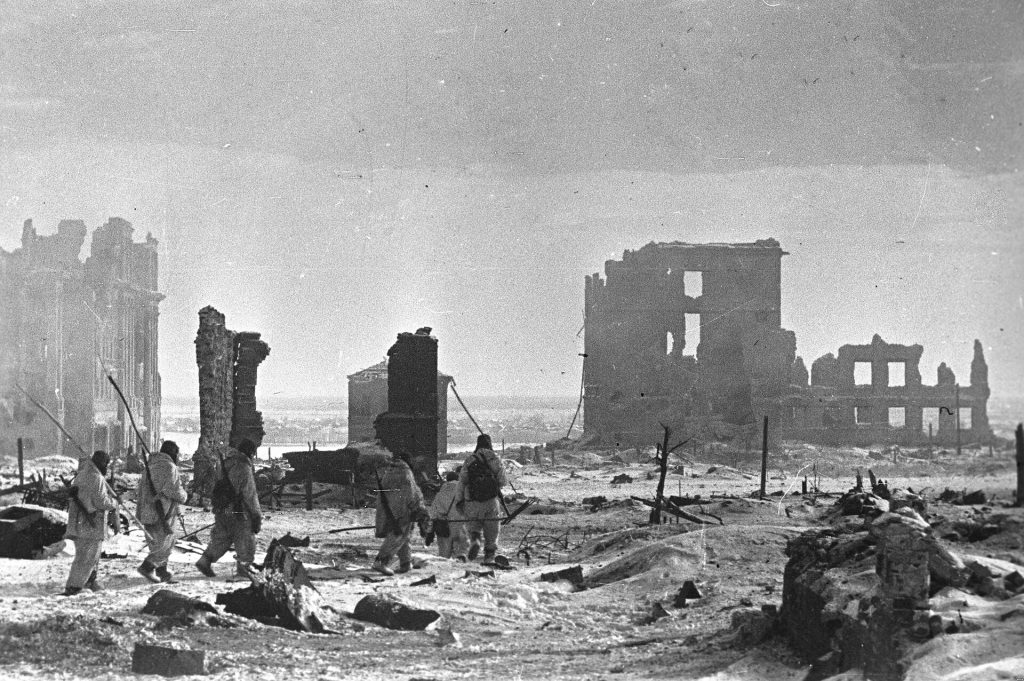
The last German troops in the northern ruins of Stalingrad lay down their arms. After more than five months, one of the most destructive battles in history is over.
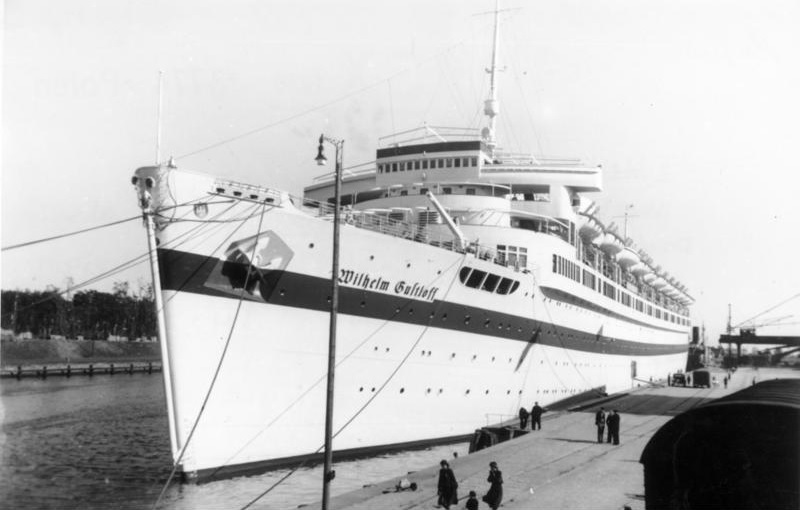
A Soviet submarine torpedoes an overcrowded German liner carrying refugees and military personnel from East Prussia. It is the deadliest sinking of a single ship in history.
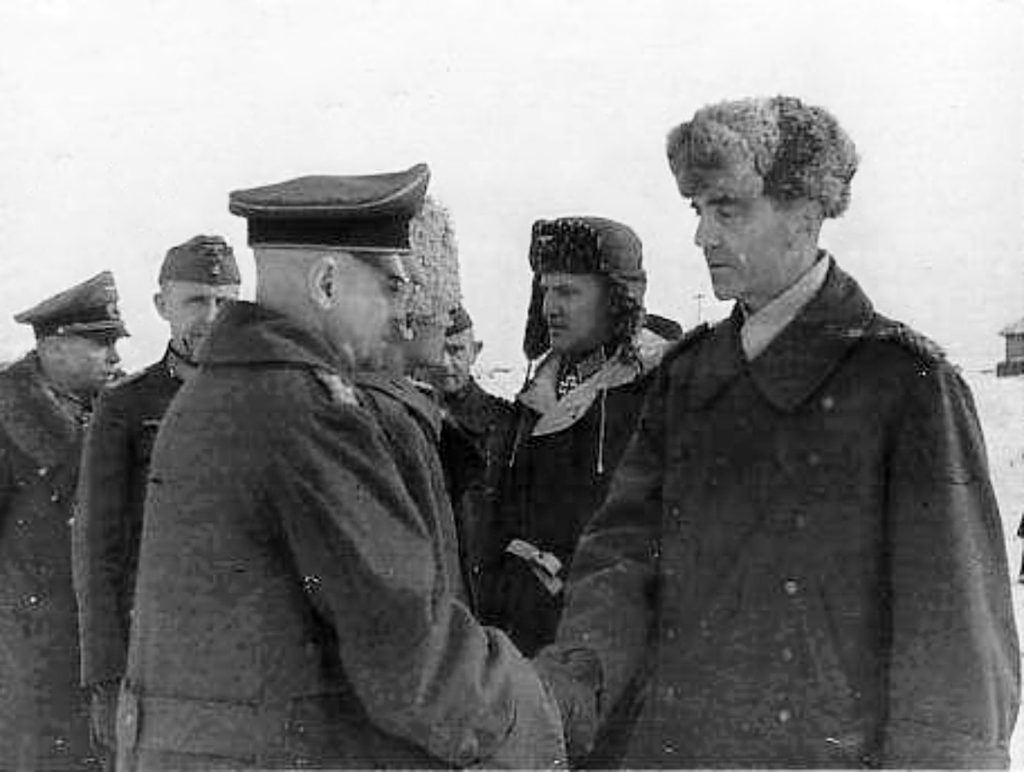
A day after Hitler promotes him to field marshal, expecting him to fight to the death, Friedrich Paulus is taken prisoner in the basement of a ruined department store.
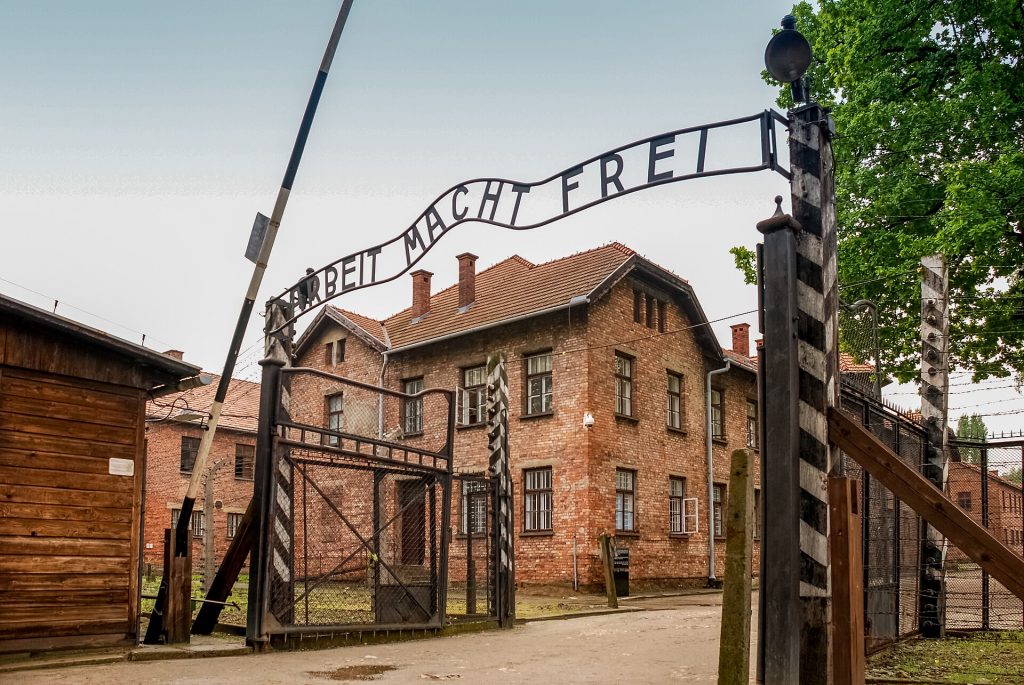
Soviet soldiers reach the largest of the Nazi killing centres. They find around 7,000 prisoners left behind, most of them sick or dying.
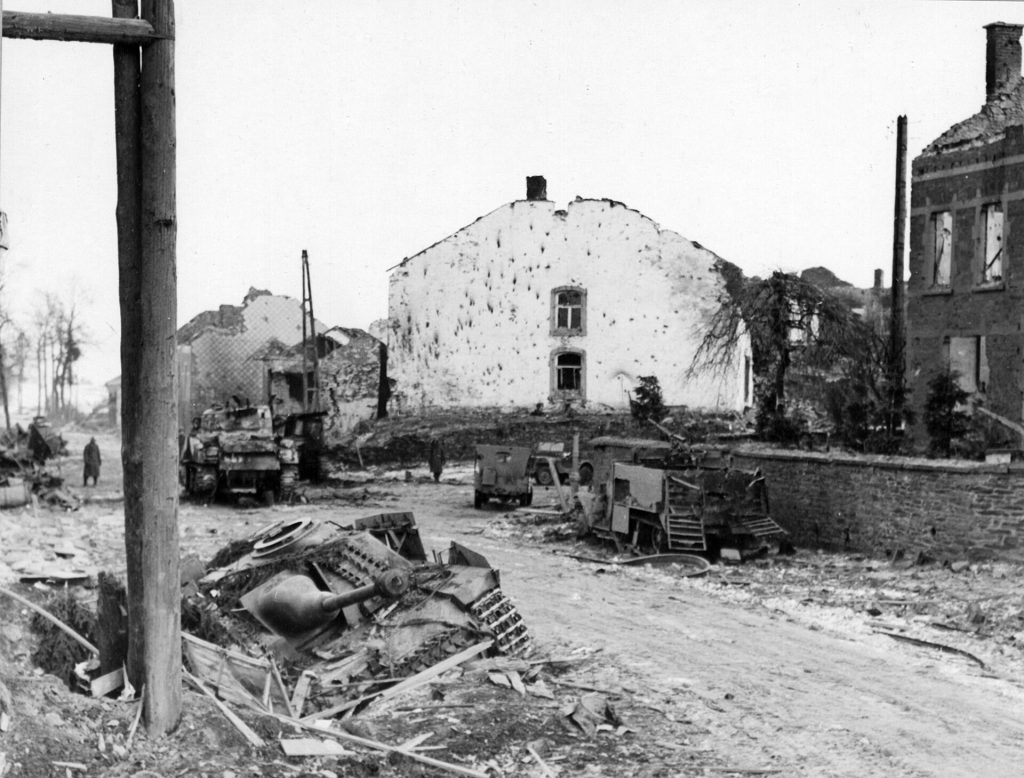
Six weeks after Hitler’s last great offensive in the west tore into the Ardennes, the US Army marks the official end of the Battle of the Bulge.
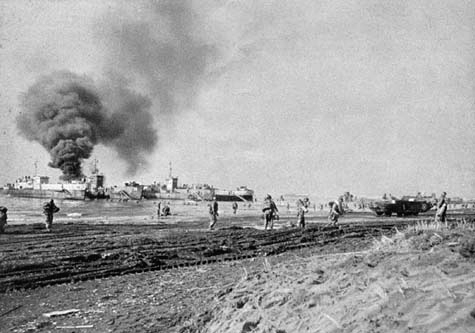
Allied troops land behind the Gustav Line, almost unopposed, within reach of Rome. Instead of a quick breakthrough, they face four months of siege.
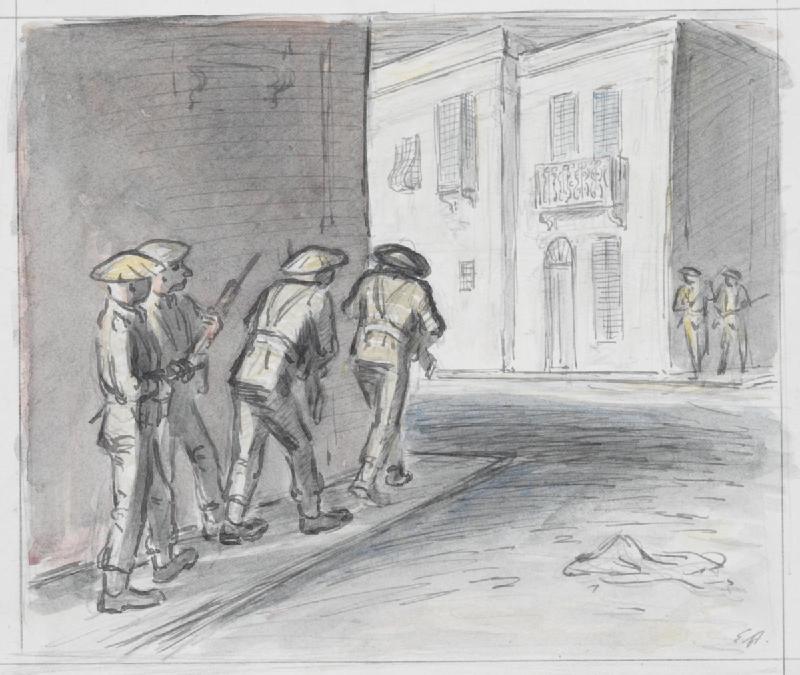
Three months after El Alamein, Montgomery’s Eighth Army enters the capital of Italian Libya. Mussolini’s North African empire is gone.

In a lakeside villa outside Berlin, senior Nazi officials meet for around ninety minutes to coordinate the murder of the Jews of Europe.
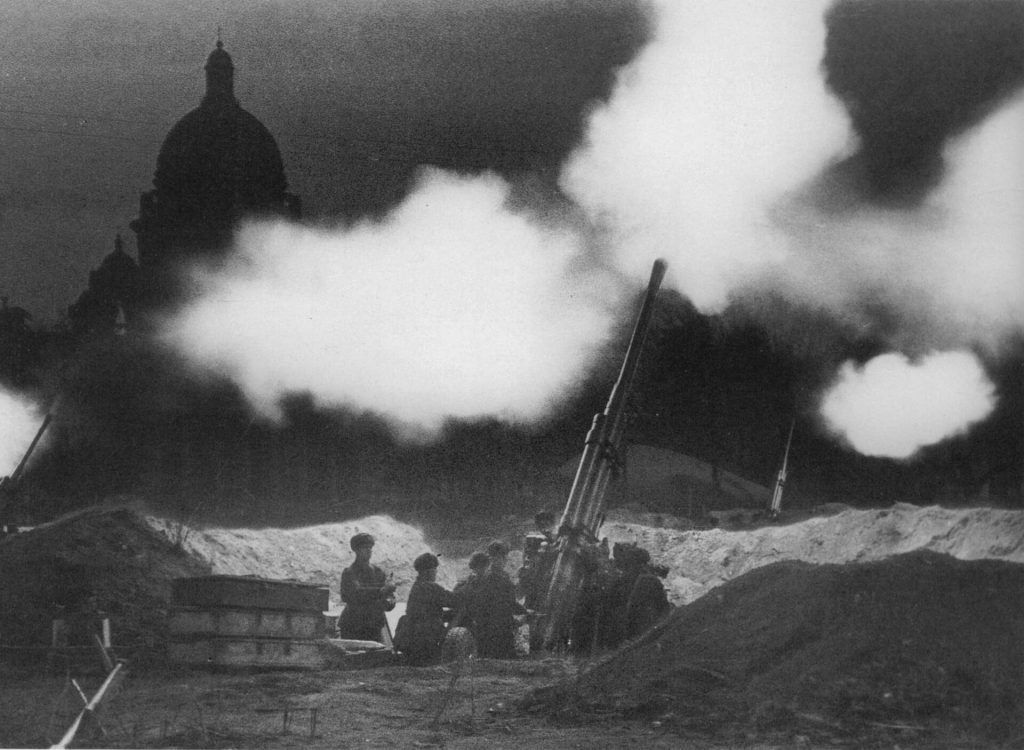
Soldiers of the Leningrad and Volkhov fronts meet south of Lake Ladoga. After nearly 500 days, a land link to the besieged city is open.
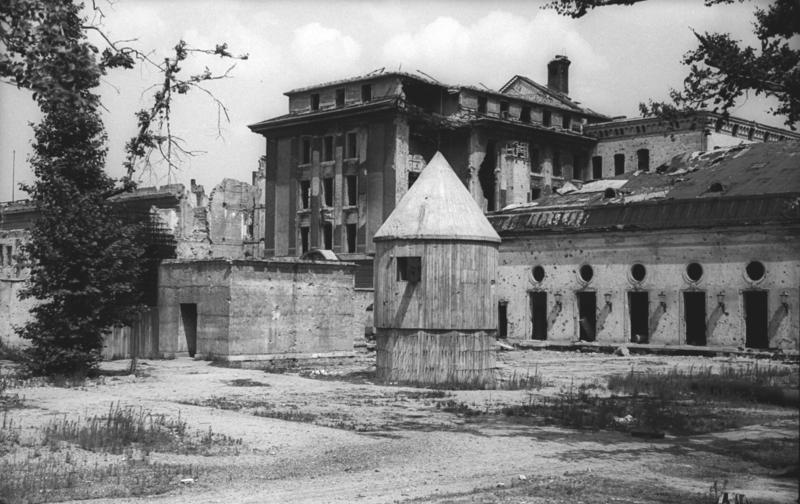
With the Ardennes offensive failed and the Red Army surging across Poland, Hitler returns to Berlin and takes up residence underground. He will never leave.
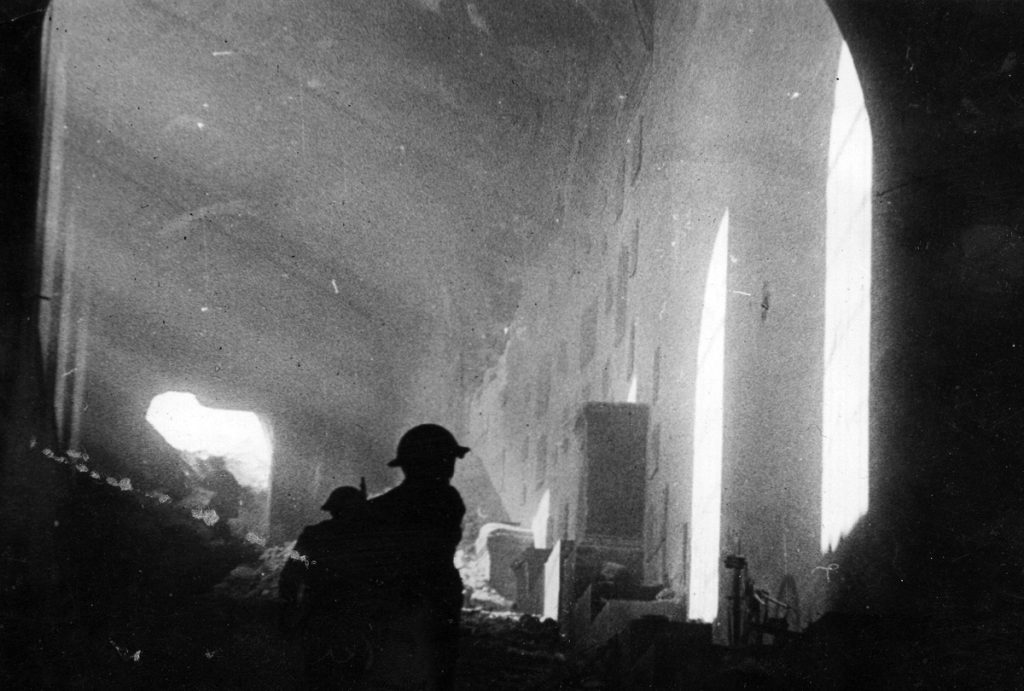
British troops cross the Garigliano to open the first of four bloody battles for the Gustav Line, the German barrier blocking the road to Rome.
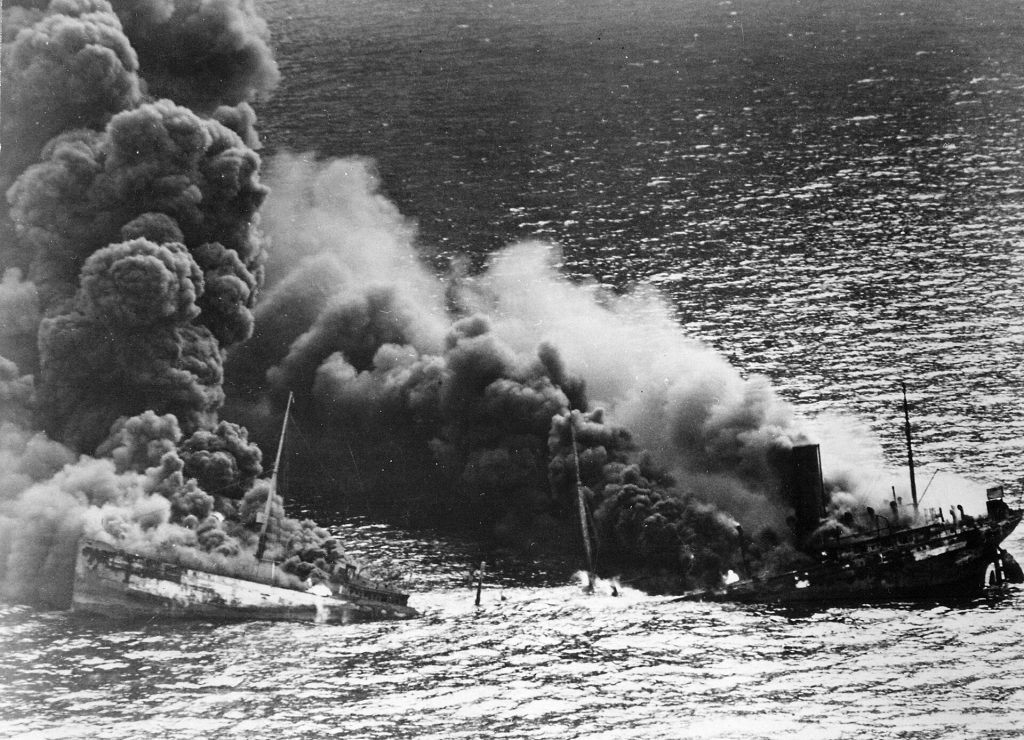
A handful of German U-boats arrive off the coast of North America. For months they will sink tankers and freighters within sight of brightly lit seaside towns.
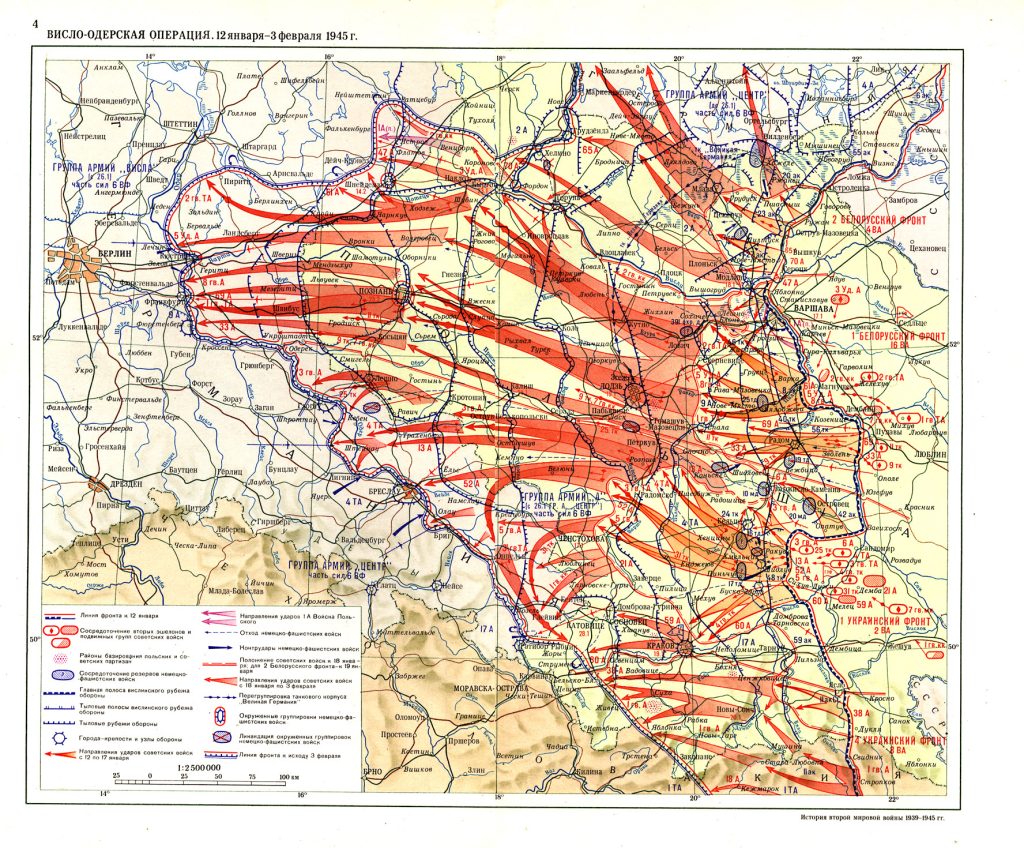
From its bridgeheads on the Vistula, the Red Army launches its greatest offensive of the war. In three weeks it will advance hundreds of kilometres to the Oder, within striking distance of Berlin.
 United Kingdom
 United States
 Soviet Union
 Germany
 Japan
 France
 Poland
 South Africa