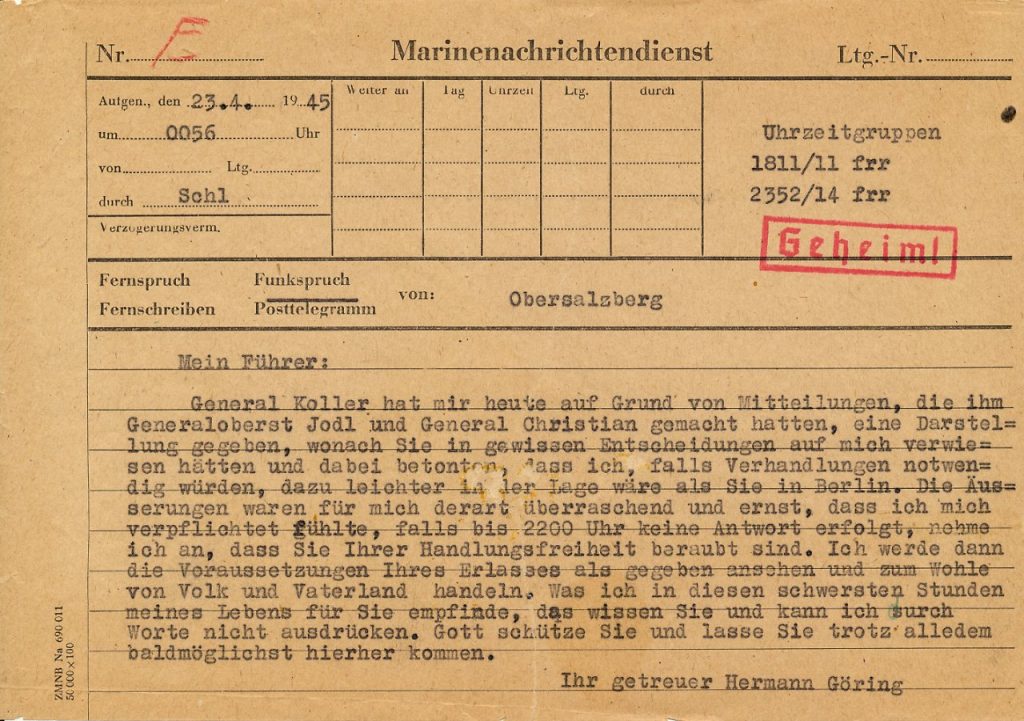
23 April 1945: The Göring Telegram
From the Bavarian Alps, Hermann Göring sends a telegram offering to take over the leadership of the Reich. In the bunker, Hitler is persuaded it is treason.
Conferences, alliances and the decisions that shaped the war and the peace.
From the Bavarian Alps, Hermann Göring sends a telegram offering to take over the leadership of the Reich. In the bunker, Hitler is persuaded it is treason.
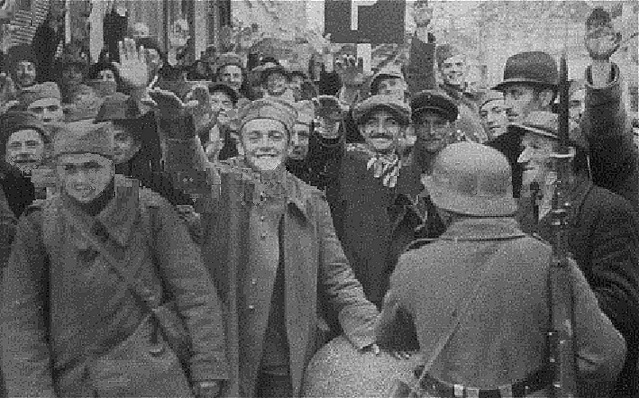
Eleven days after the invasion began, Yugoslav representatives sign an unconditional surrender in Belgrade. The country is carved up among its neighbours.
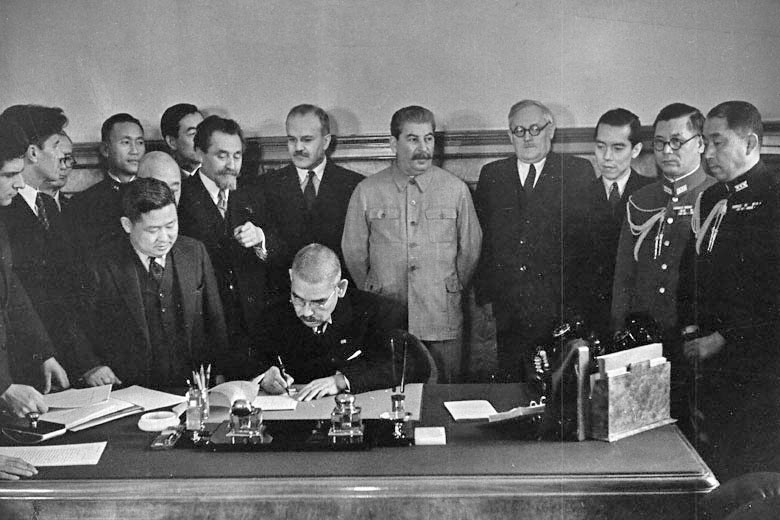
In the Kremlin, Japan’s foreign minister and Molotov sign a five-year neutrality pact. Stalin himself turns up at the railway station to see the Japanese delegation off.
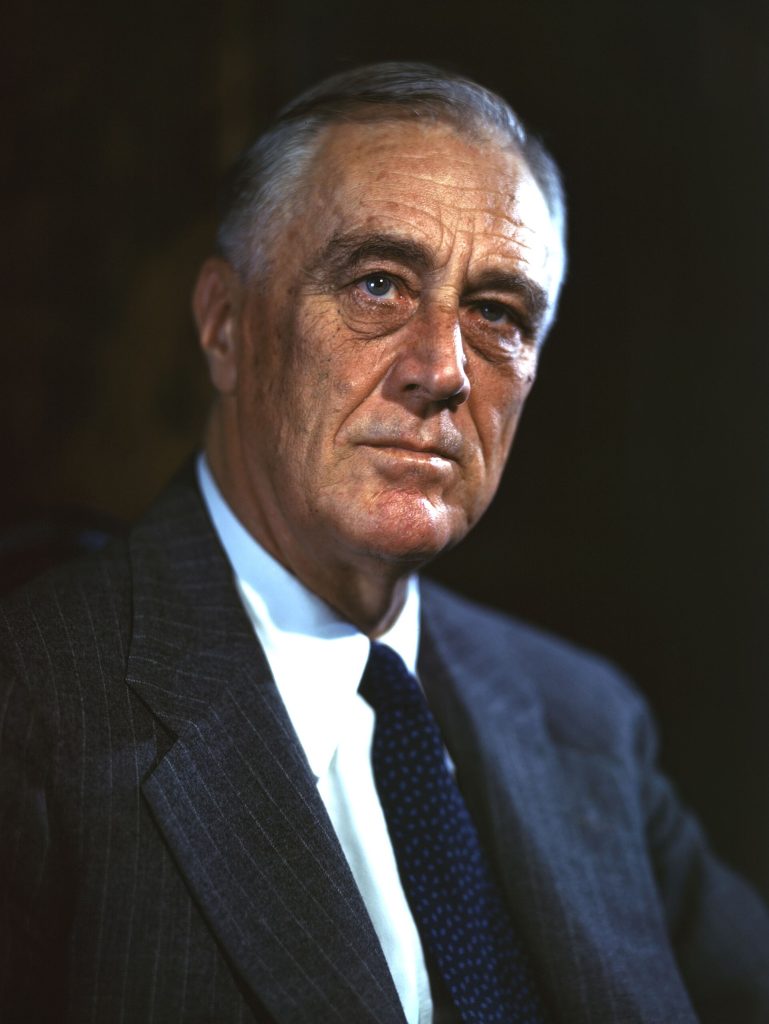
At his retreat in Warm Springs, Georgia, Franklin D. Roosevelt collapses while sitting for a portrait. Within hours, Harry Truman is president.
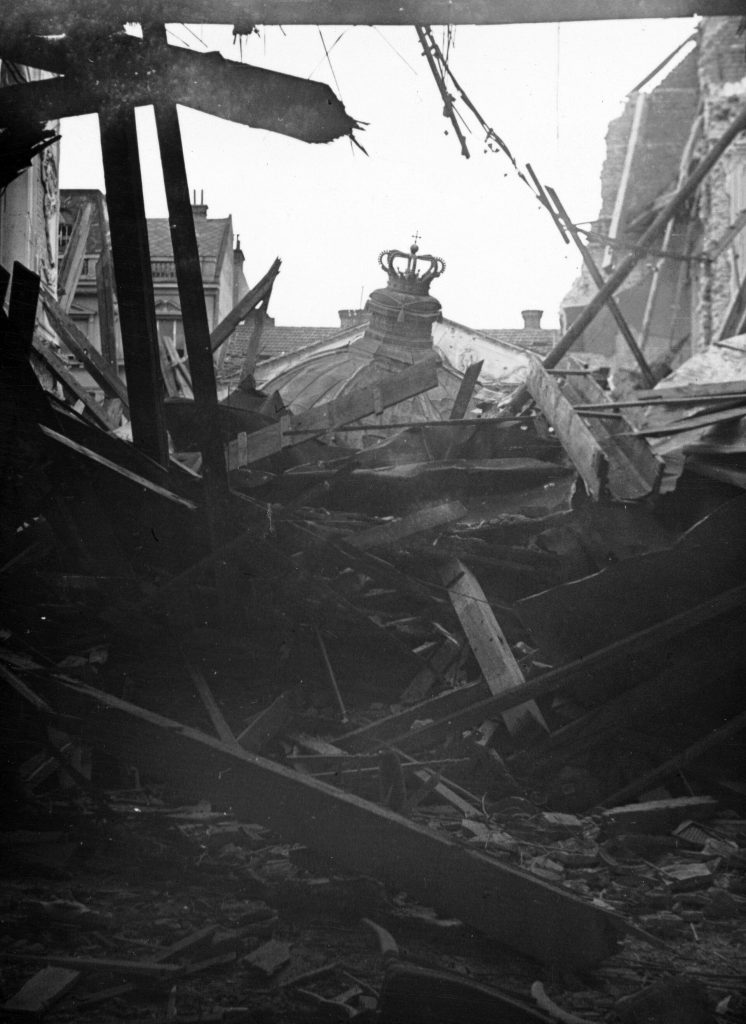
Without a declaration of war, German bombers attack Belgrade at dawn. On the same morning, German armies invade Yugoslavia and Greece.
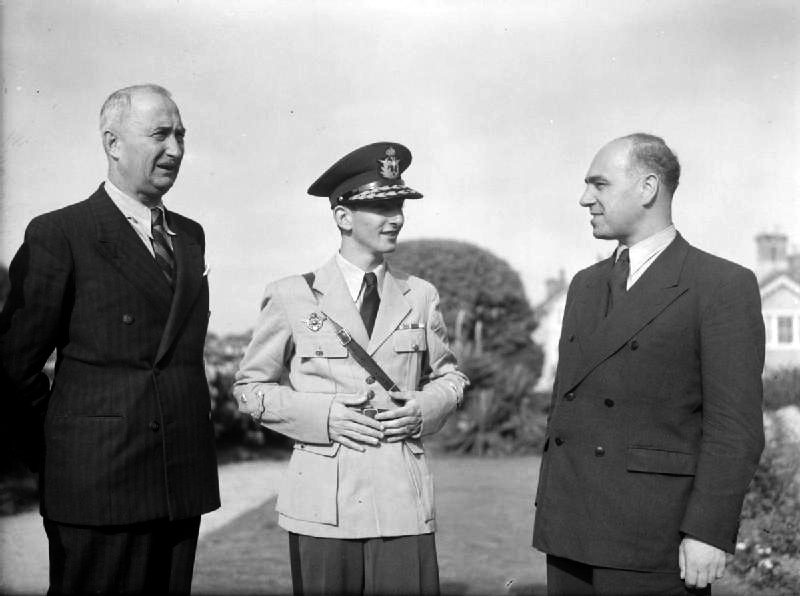
Yugoslav air force officers overthrow the regency that signed the Axis pact. Crowds fill the streets of Belgrade. In Berlin, Hitler orders Yugoslavia destroyed.
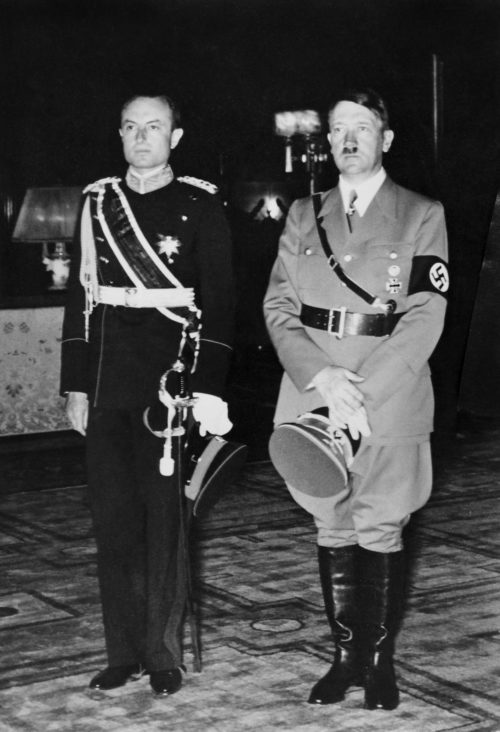
Under heavy German pressure, Yugoslavia’s government signs the Tripartite Pact in Vienna. Within two days, the decision will bring it down.
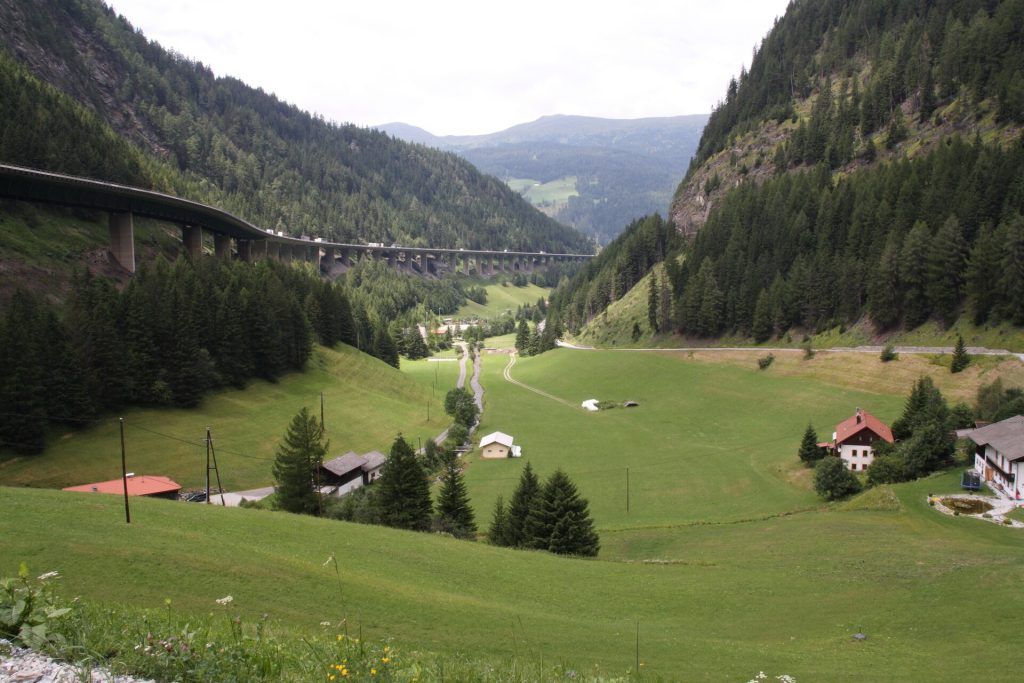
Hitler and Mussolini meet in a railway carriage at the Alpine frontier. Mussolini promises that Italy will enter the war, but only when the moment is right.
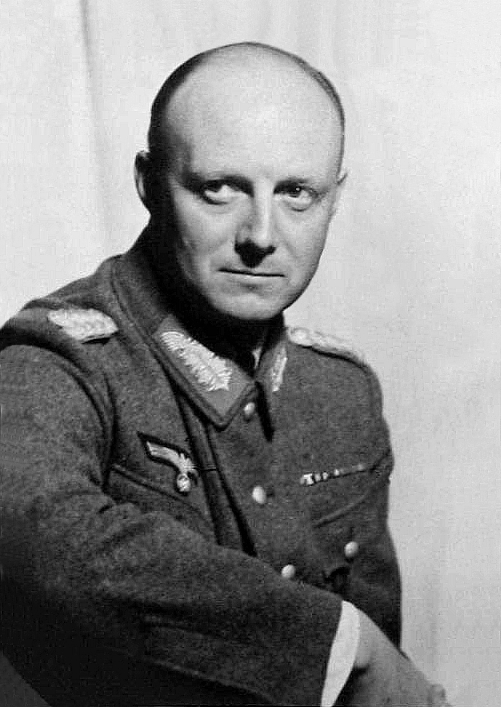
German officers plotting against Hitler smuggle a bomb disguised as bottles of brandy onto his aircraft at Smolensk. It flies all the way to East Prussia and never explodes.
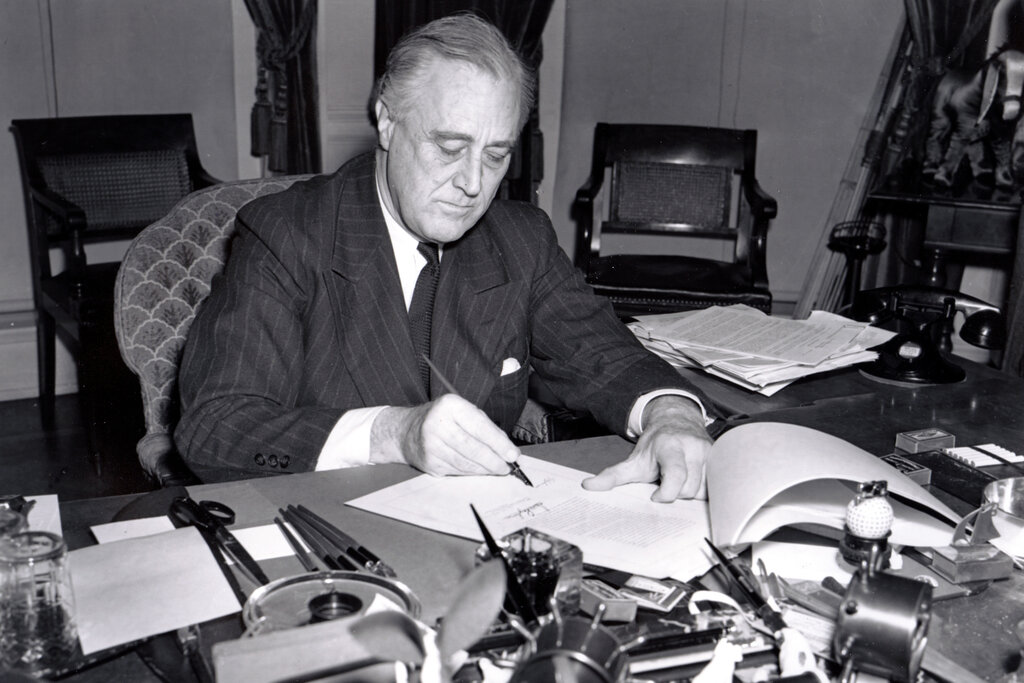
Roosevelt signs into law a bill allowing the United States to send weapons and supplies to nations fighting the Axis without immediate payment. America becomes the arsenal of democracy.
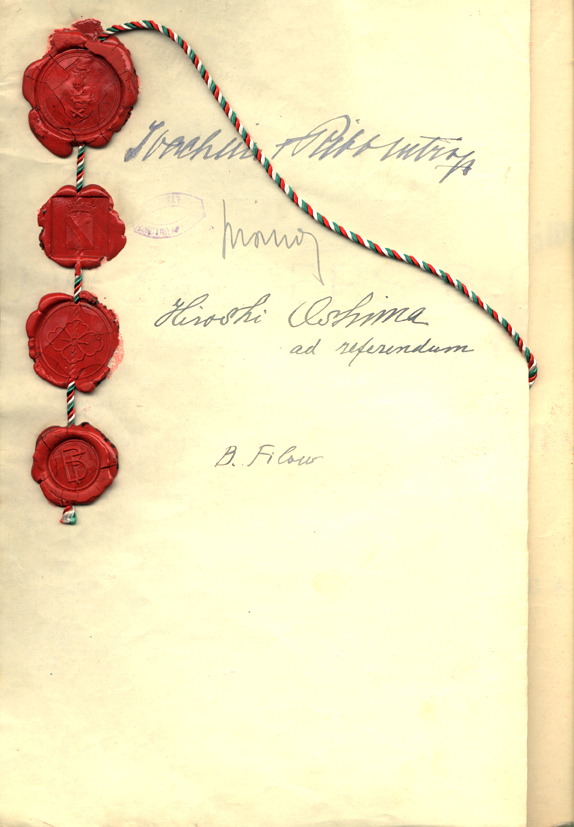
In Vienna, Bulgaria’s prime minister signs the Tripartite Pact. German troops begin crossing the Danube the same day, on their way to the Greek border.
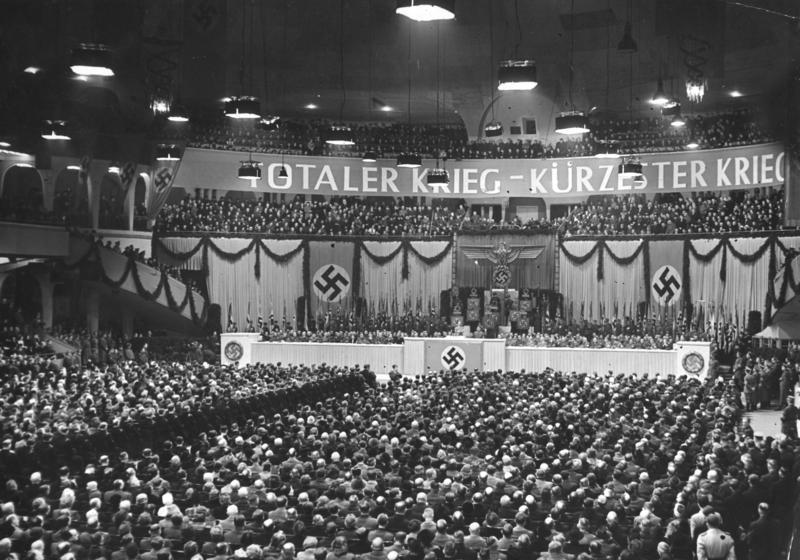
Two weeks after Stalingrad, Joseph Goebbels addresses a packed hall in Berlin and asks the crowd whether it wants total war. The answer is a roar of approval.
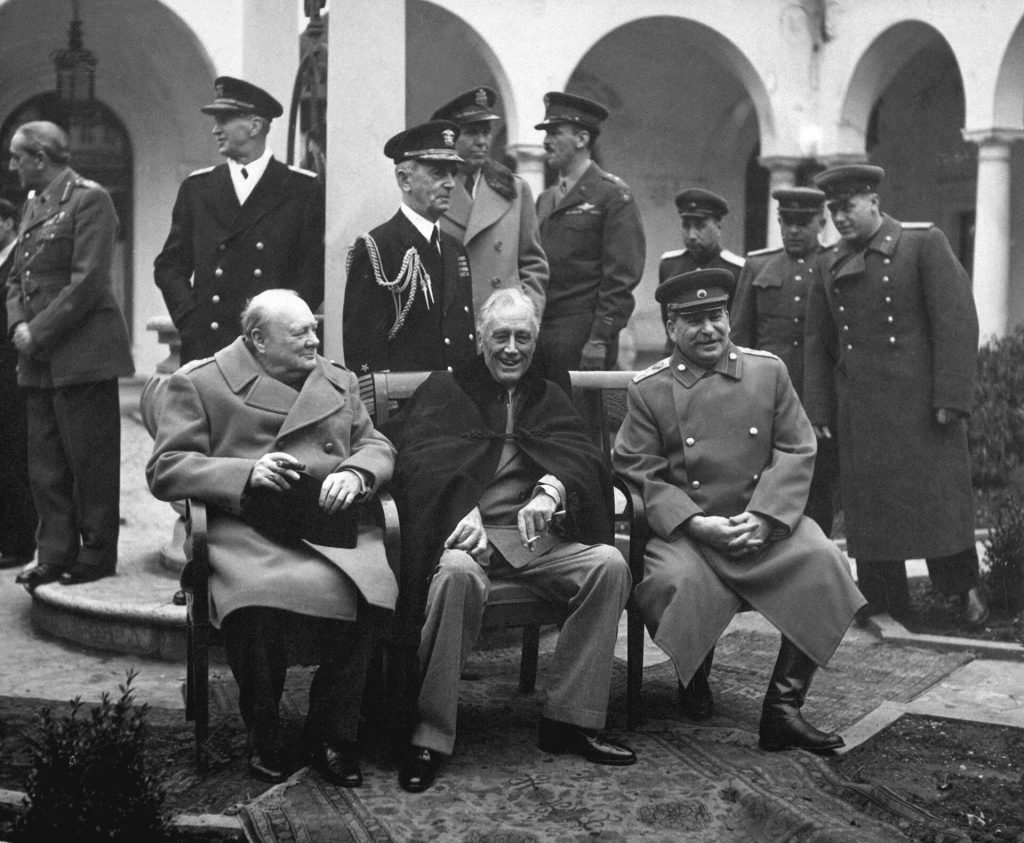
Roosevelt, Churchill and Stalin meet in a former tsar’s palace in the Crimea. They plan the end of the war and the shape of the peace.
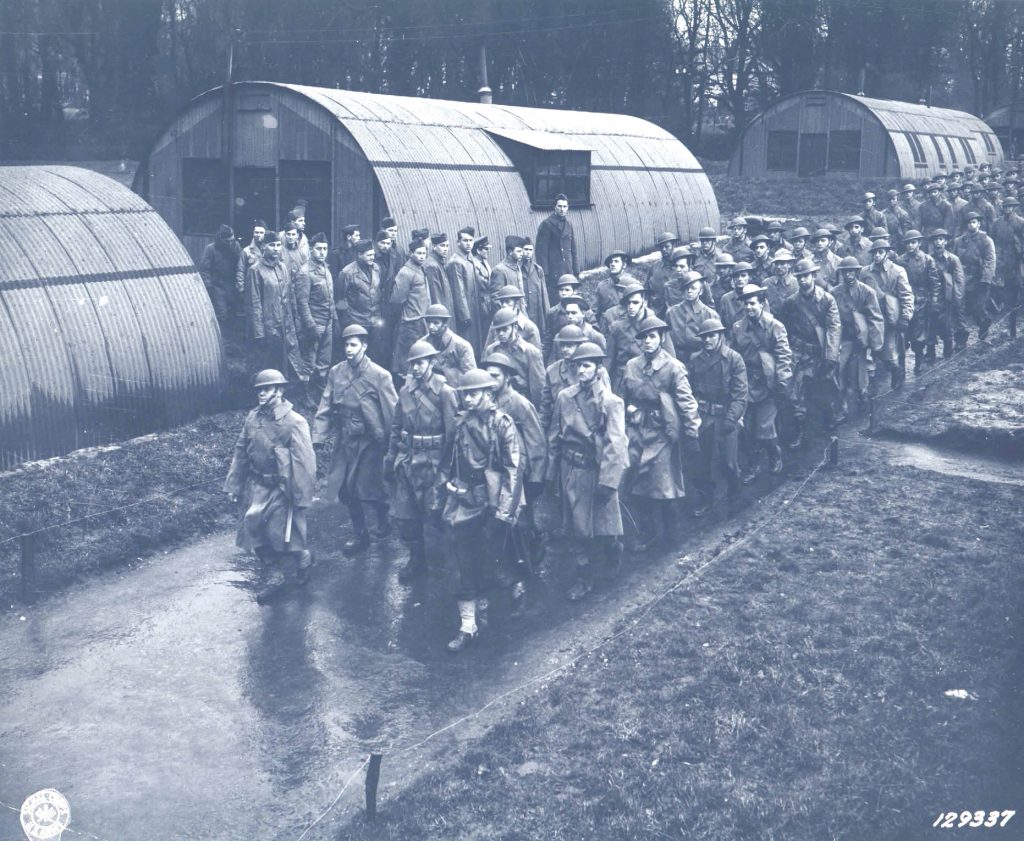
Seven weeks after Pearl Harbor, the first American soldiers to reach Europe in this war step ashore in Belfast. Millions more will follow.
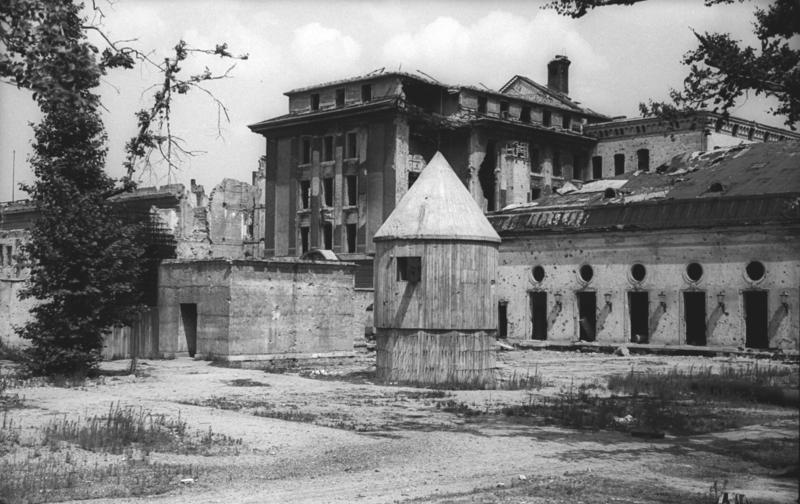
With the Ardennes offensive failed and the Red Army surging across Poland, Hitler returns to Berlin and takes up residence underground. He will never leave.
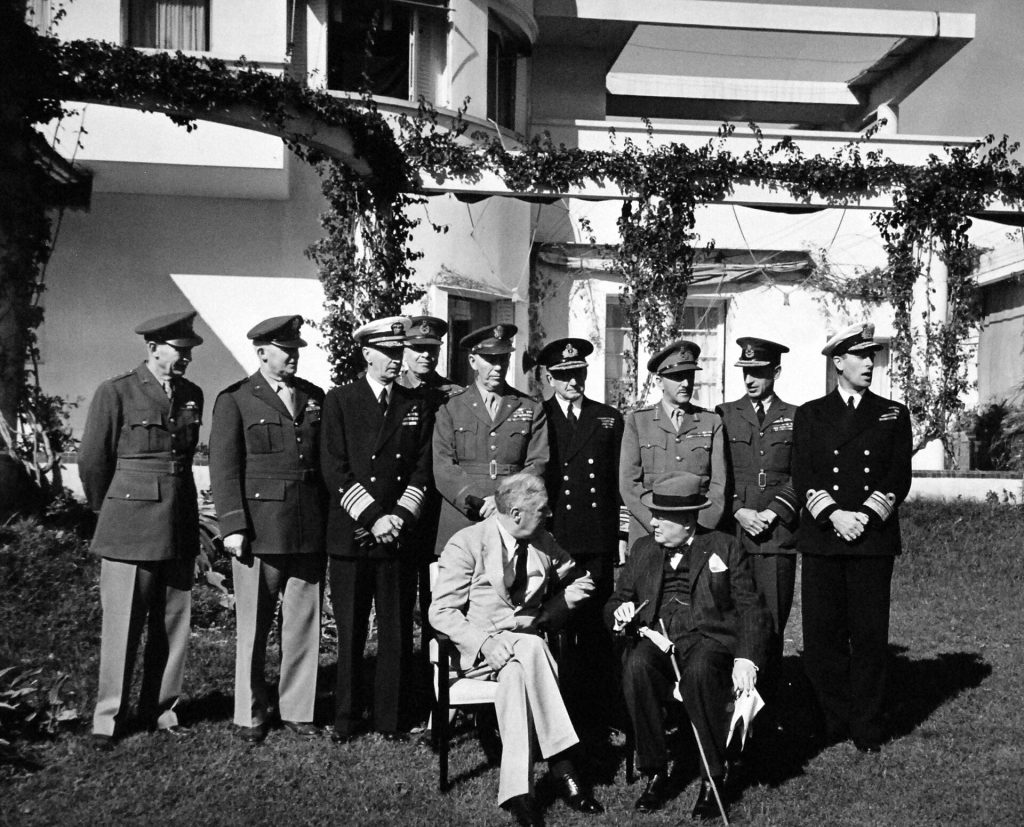
Roosevelt and Churchill meet in liberated Morocco to plan the next year of the war. They leave with a decision on Sicily and a demand the Axis will hear loud and clear: unconditional surrender.

Sixteen months after work began, the US War Department’s vast new headquarters in Arlington, Virginia, is finished. It is the largest office building in the world.
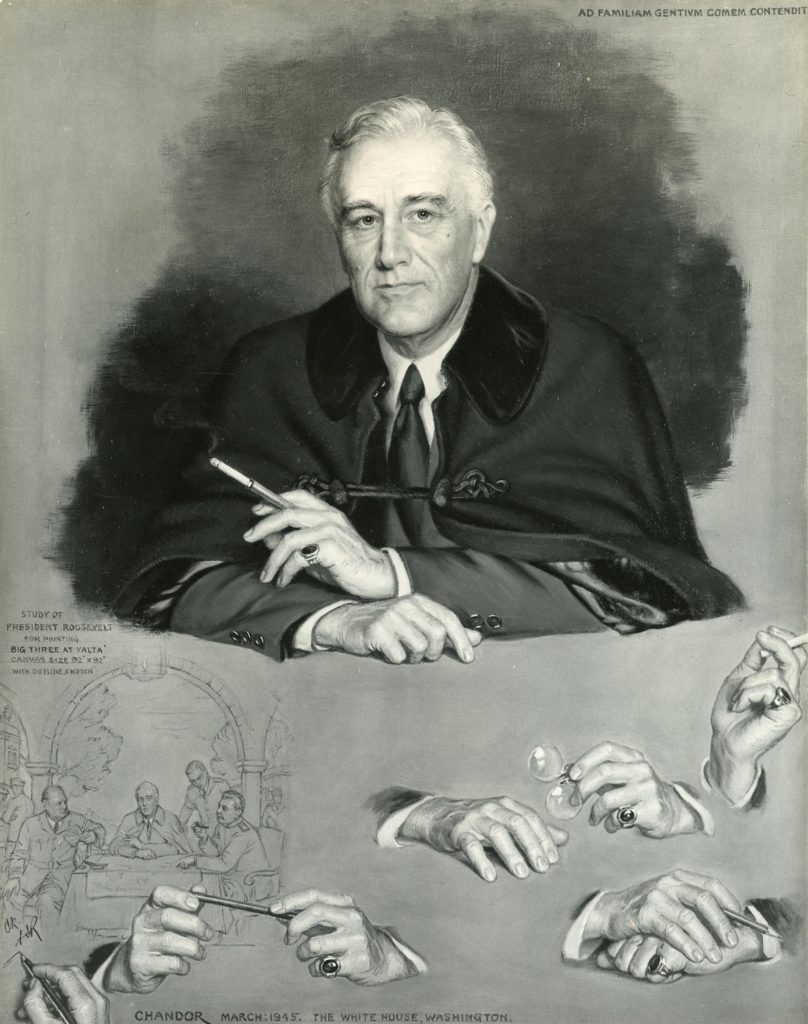
In his State of the Union address, Roosevelt sets out four freedoms that he says every person in the world should enjoy, and asks Congress to arm the nations defending them.
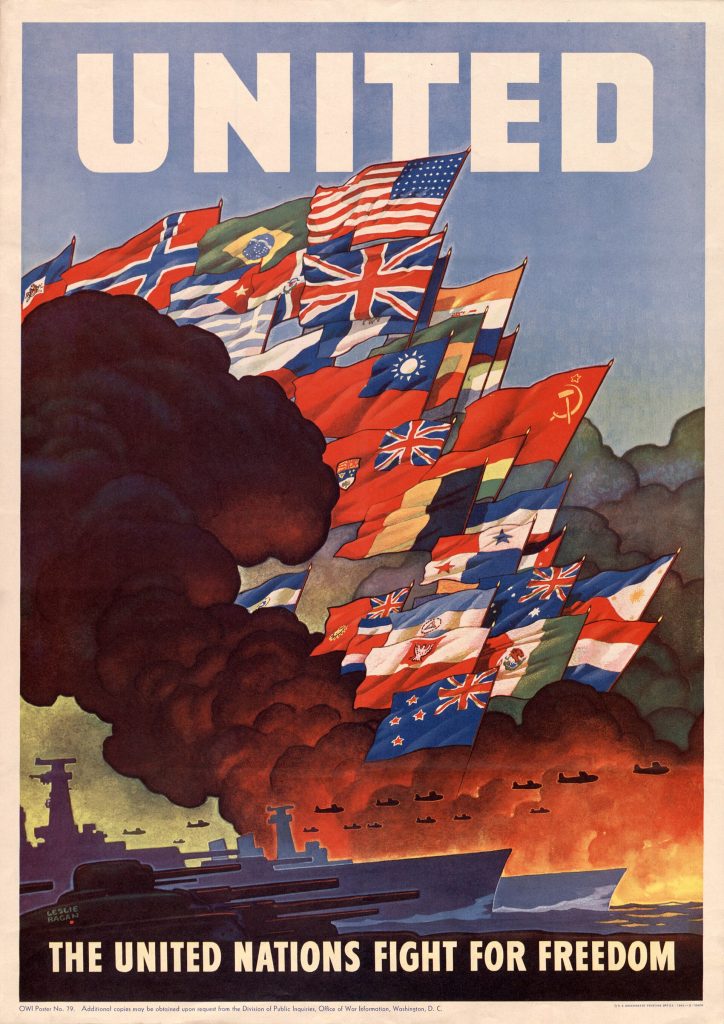
Weeks after Pearl Harbor, the nations fighting the Axis sign a single pledge in Washington. Their name for themselves will outlive the war.
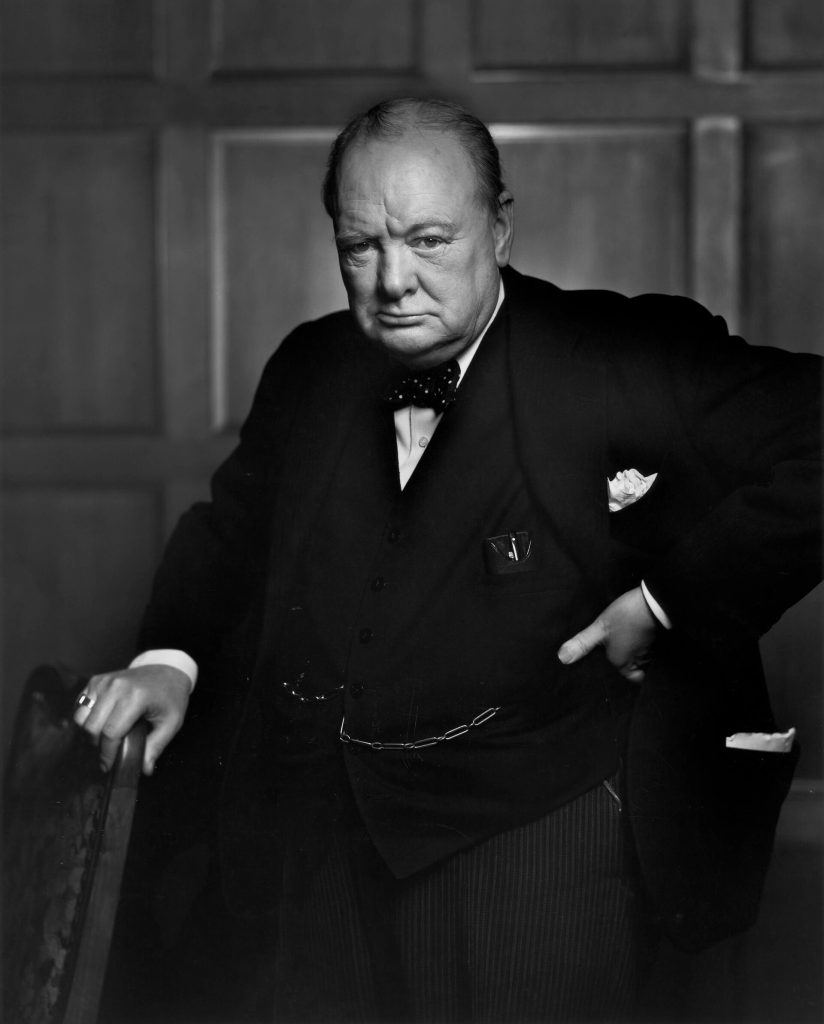
Churchill addresses the Canadian Parliament in Ottawa with one of his most famous jokes, then sits for a photographer who creates the defining image of his life.
 United Kingdom
 United States
 Soviet Union
 Germany
 Japan
 France
 Poland
 South Africa