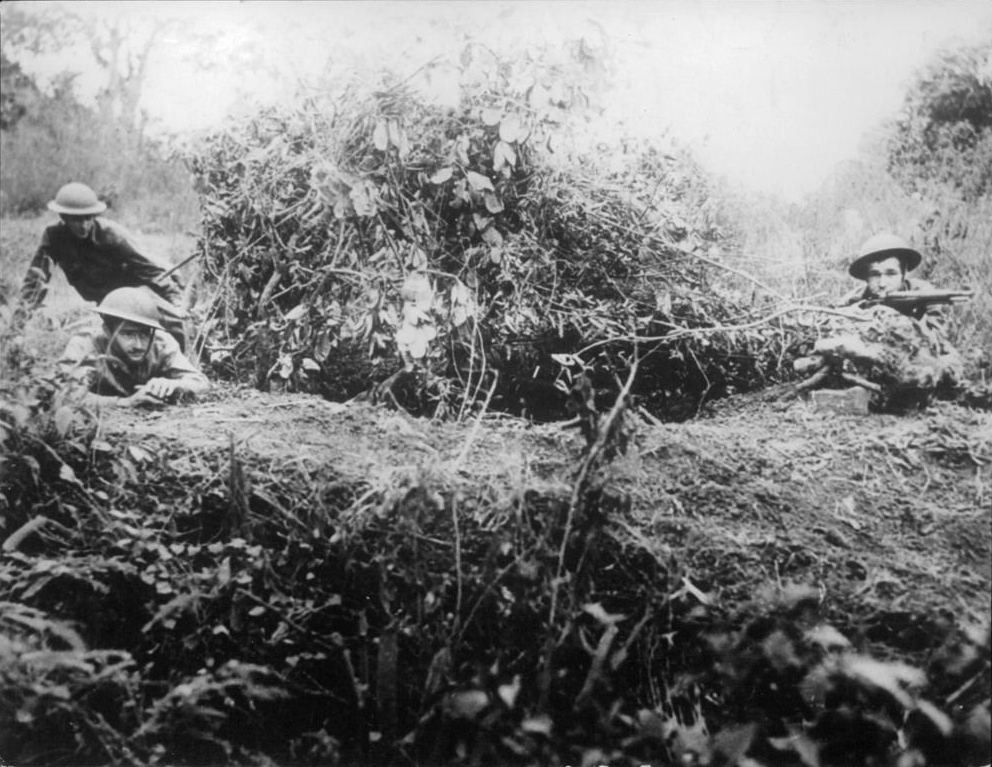
7 January 1942: The Battle of Bataan Begins
Filipino and American troops dig in on the Bataan peninsula for a stand that will last three months on ever-shrinking rations.
Every dispatch from 1942.
Filipino and American troops dig in on the Bataan peninsula for a stand that will last three months on ever-shrinking rations.

In a Brooklyn courtroom, 33 members of a German spy network are sentenced to more than 300 years in prison between them, closing the largest espionage case in American history to end in convictions.
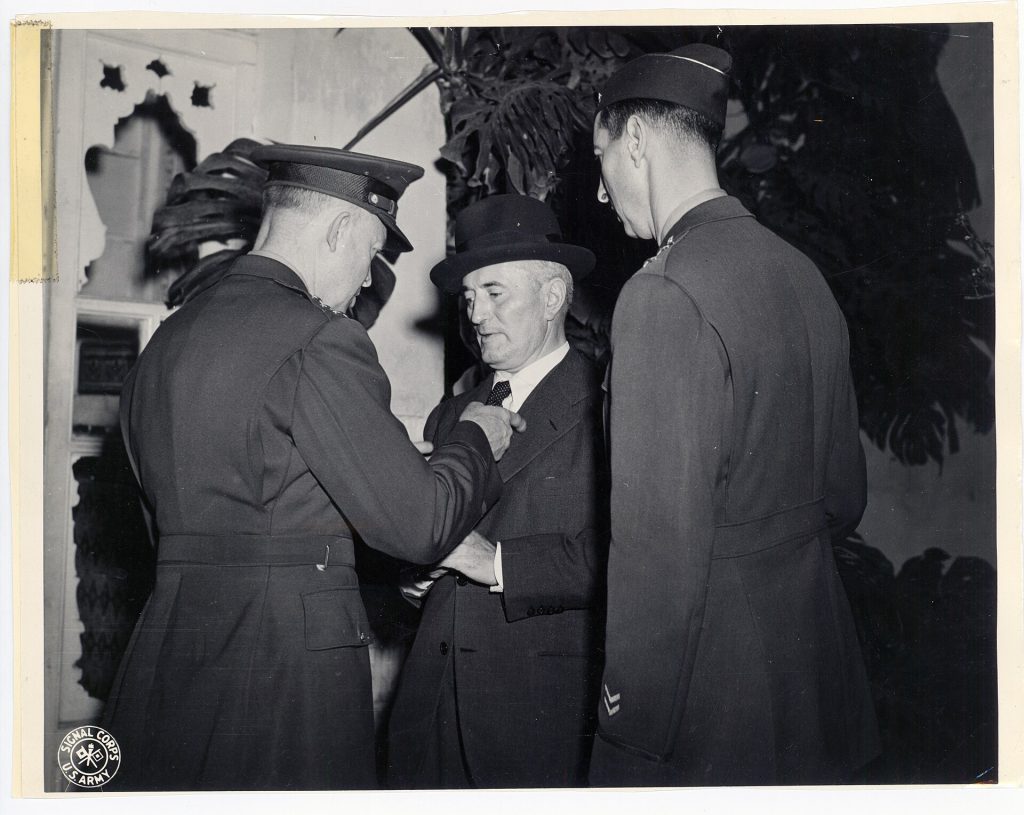
In Algiers on Christmas Eve, a 20-year-old monarchist shoots Admiral François Darlan, the former Vichy leader whom the Allies had accepted as head of French North Africa.
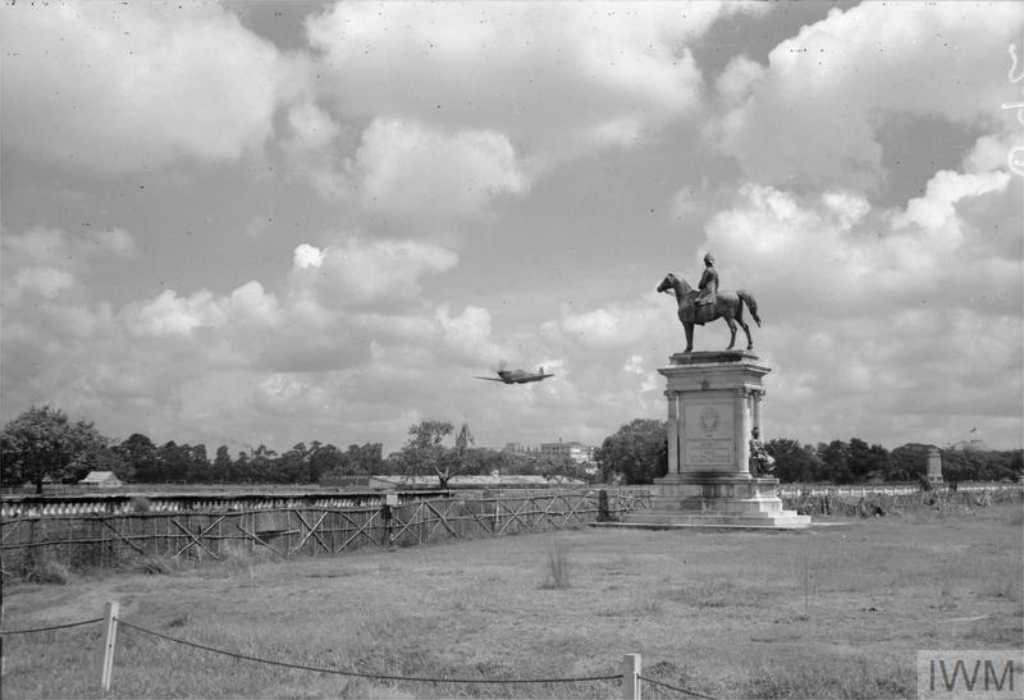
Japanese aircraft from Burma raid Calcutta, the great port and industrial city of British India, setting off a mass flight of its people.
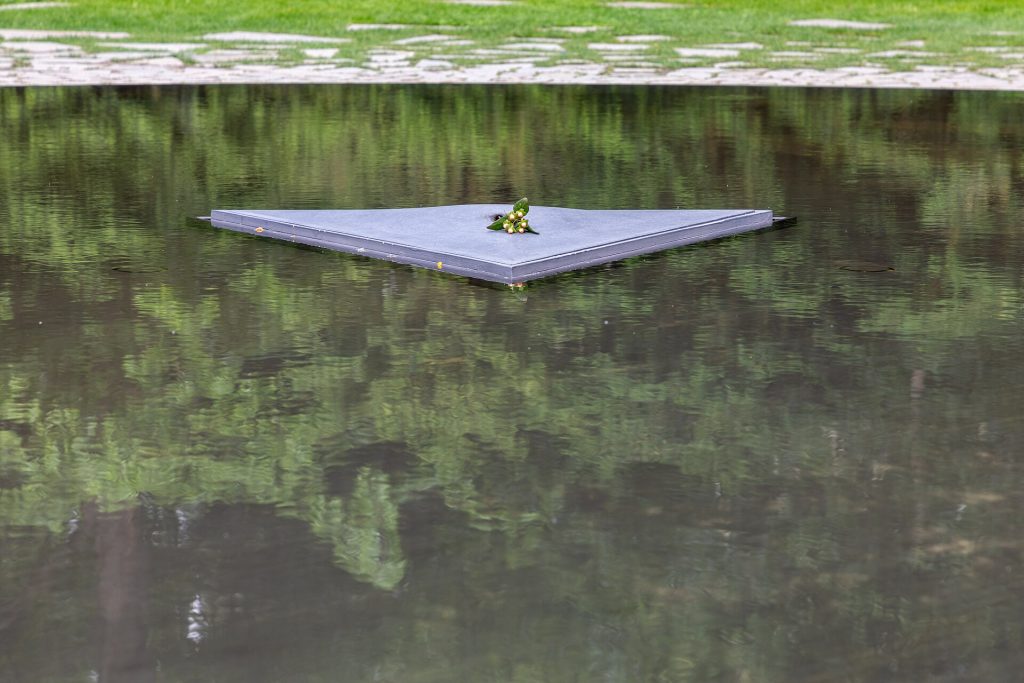
Heinrich Himmler orders the deportation of Roma and Sinti from across the German Reich to Auschwitz-Birkenau, where most of them will be murdered.
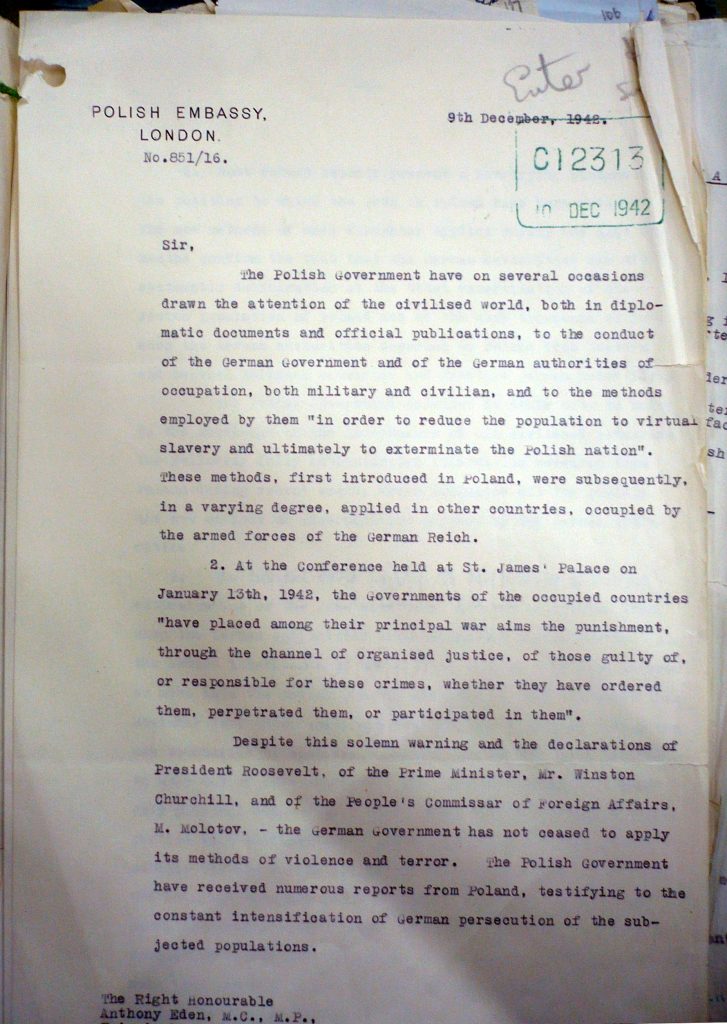
The Polish government in exile sends the Allied governments a formal note describing the systematic murder of the Jews of occupied Poland and calling on them to act.
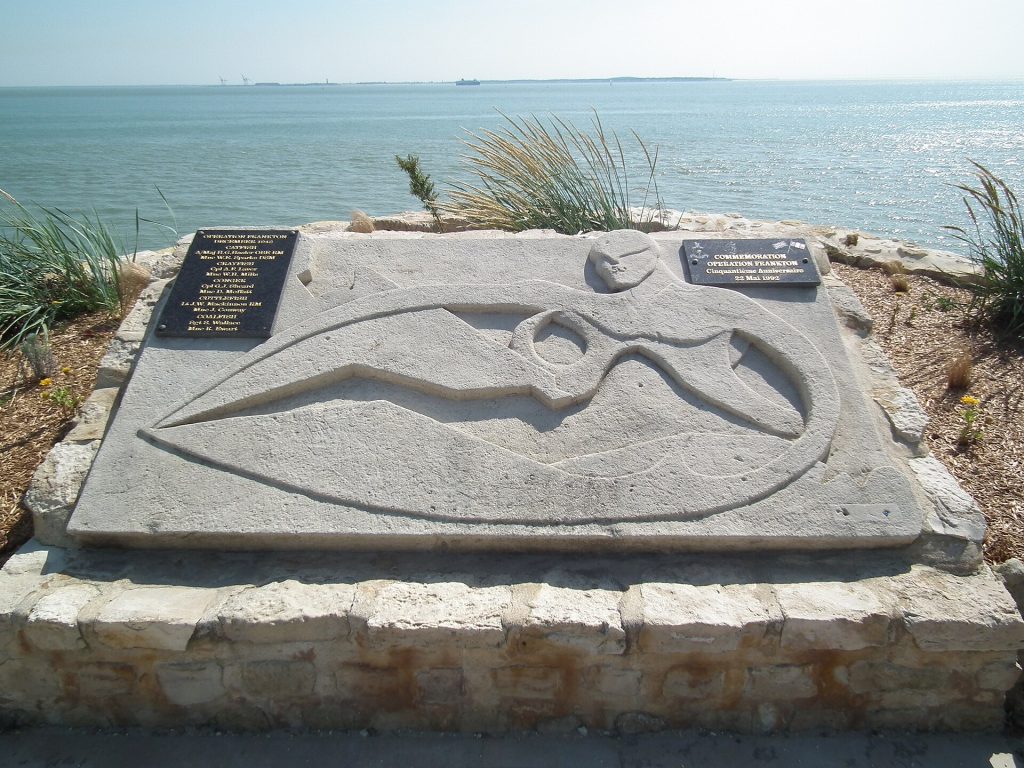
From a submarine off the French coast, ten Royal Marines set out in canvas canoes to paddle a hundred kilometres up the Gironde and mine German blockade runners in Bordeaux.
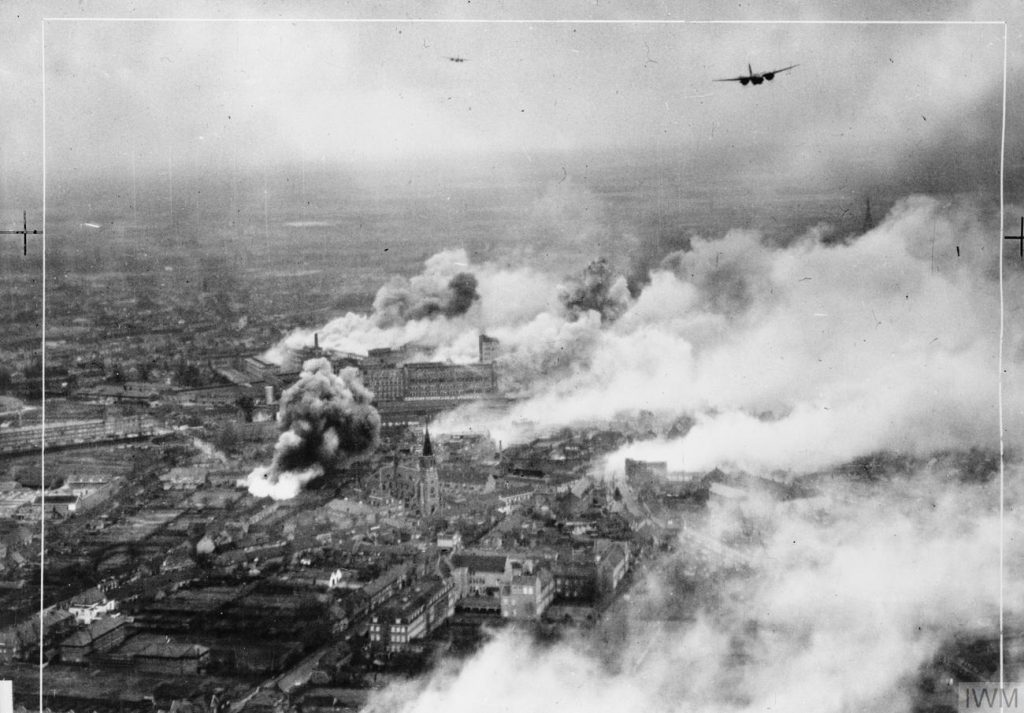
Flying at rooftop height in daylight, RAF light bombers strike the Philips radio and valve works in Eindhoven, which was supplying the German war machine.
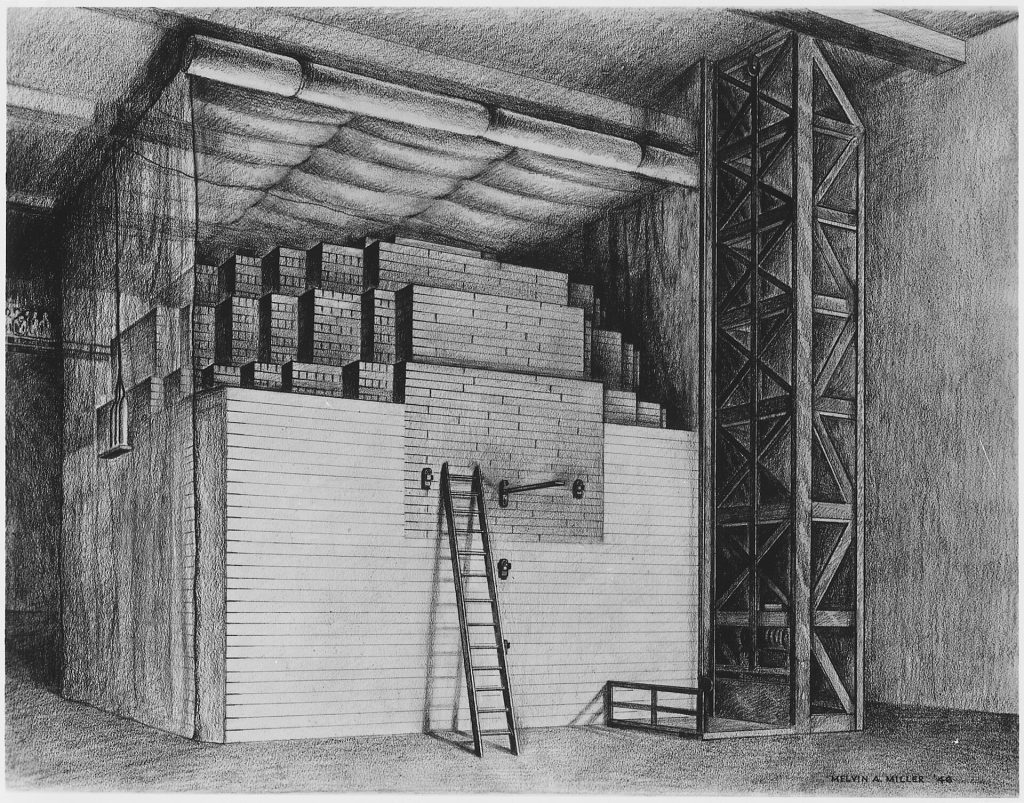
Under the stands of a Chicago football field, Enrico Fermi’s team withdraws a control rod and achieves the world’s first self-sustaining nuclear chain reaction.
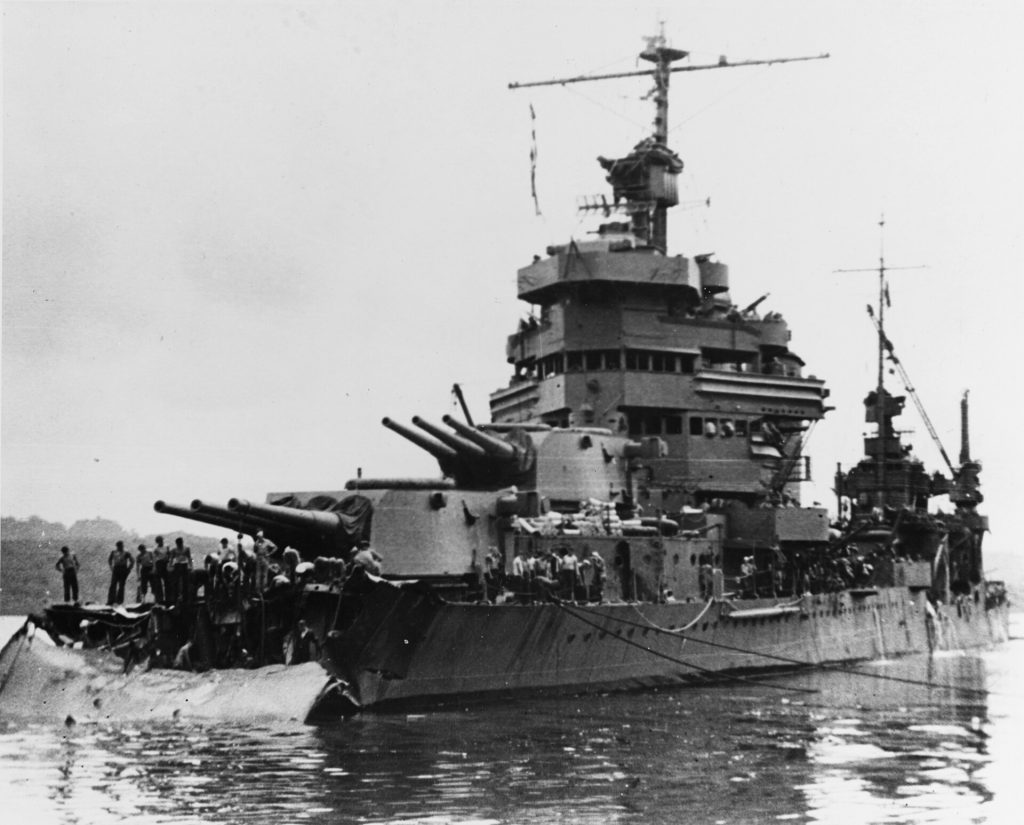
An American cruiser force with every advantage surprises eight Japanese destroyers off Guadalcanal, and is torn apart by their Long Lance torpedoes.
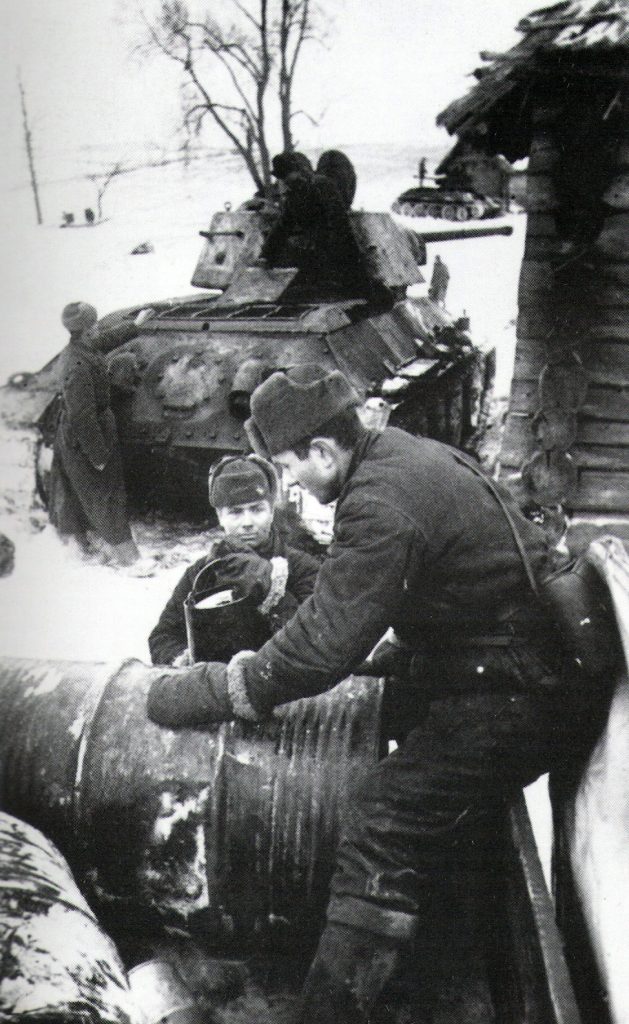
Soviet tank columns from north and south meet at the village of Sovetsky, trapping the German Sixth Army and its allies, some 250,000 to 300,000 men, at Stalingrad.

Silent for more than two years, kept only as a warning of German invasion, the church bells of Britain ring out on a Sunday morning to celebrate victory in Egypt.
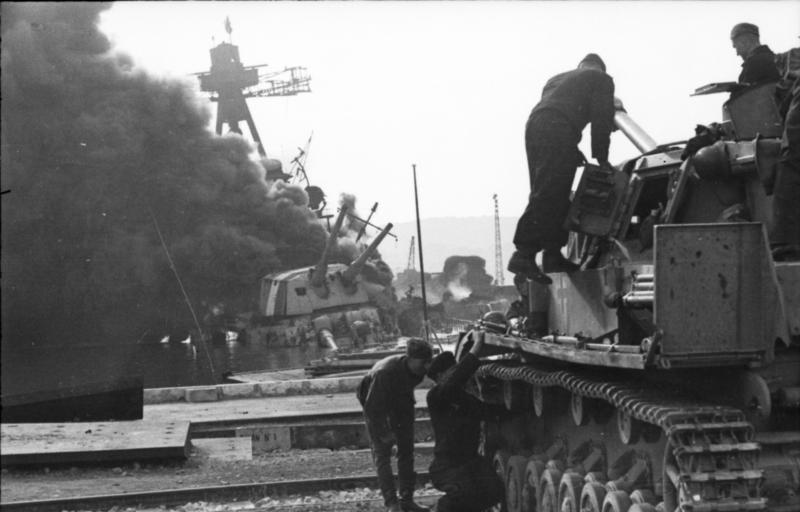
Three days after the Allied landings in North Africa, German and Italian troops pour into the unoccupied zone of France, ending the fiction of Vichy independence.
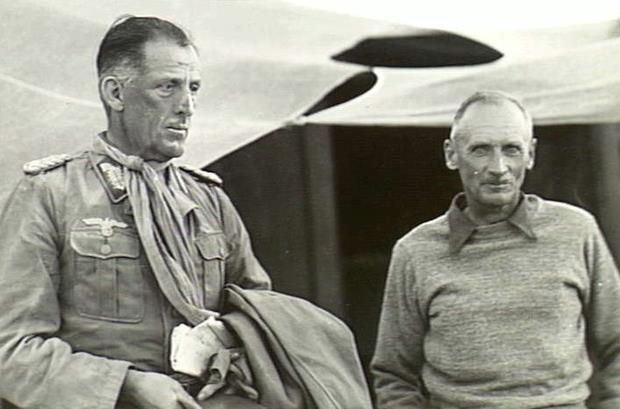
Defying Hitler’s order to stand or die, Rommel turns his broken army west, ending the Second Battle of El Alamein and the Axis threat to Egypt.
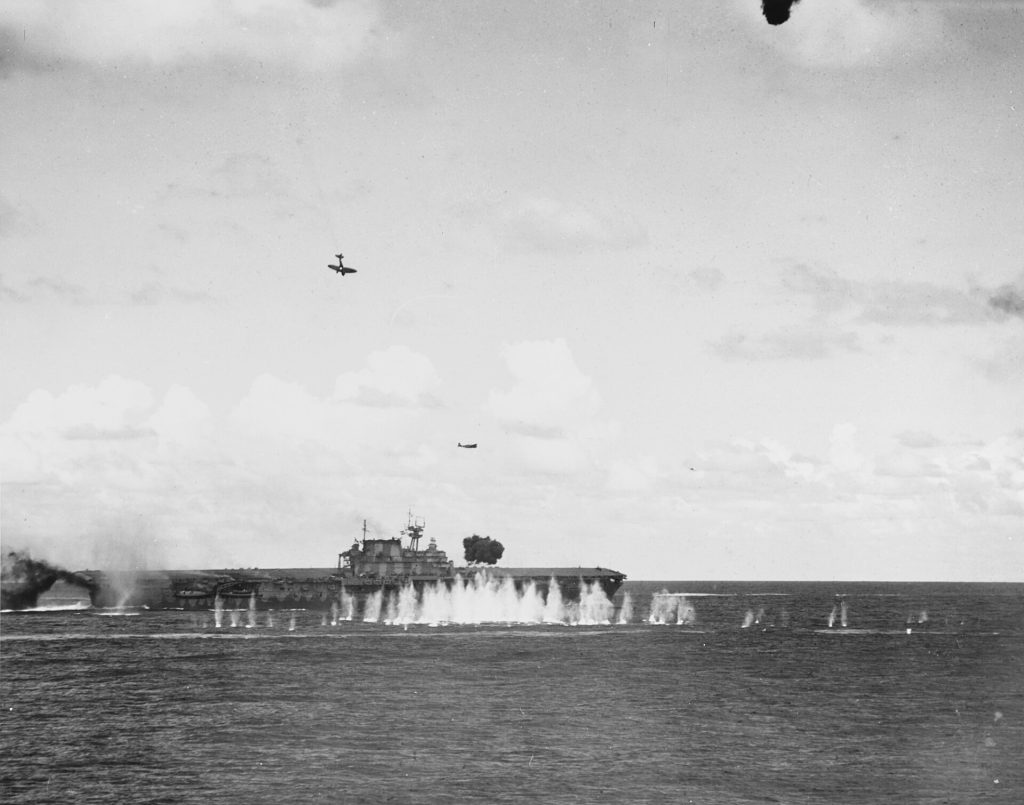
North of Guadalcanal, American and Japanese carrier forces strike at each other. The carrier USS Hornet is lost. Japan wins the battle but cannot afford its losses.
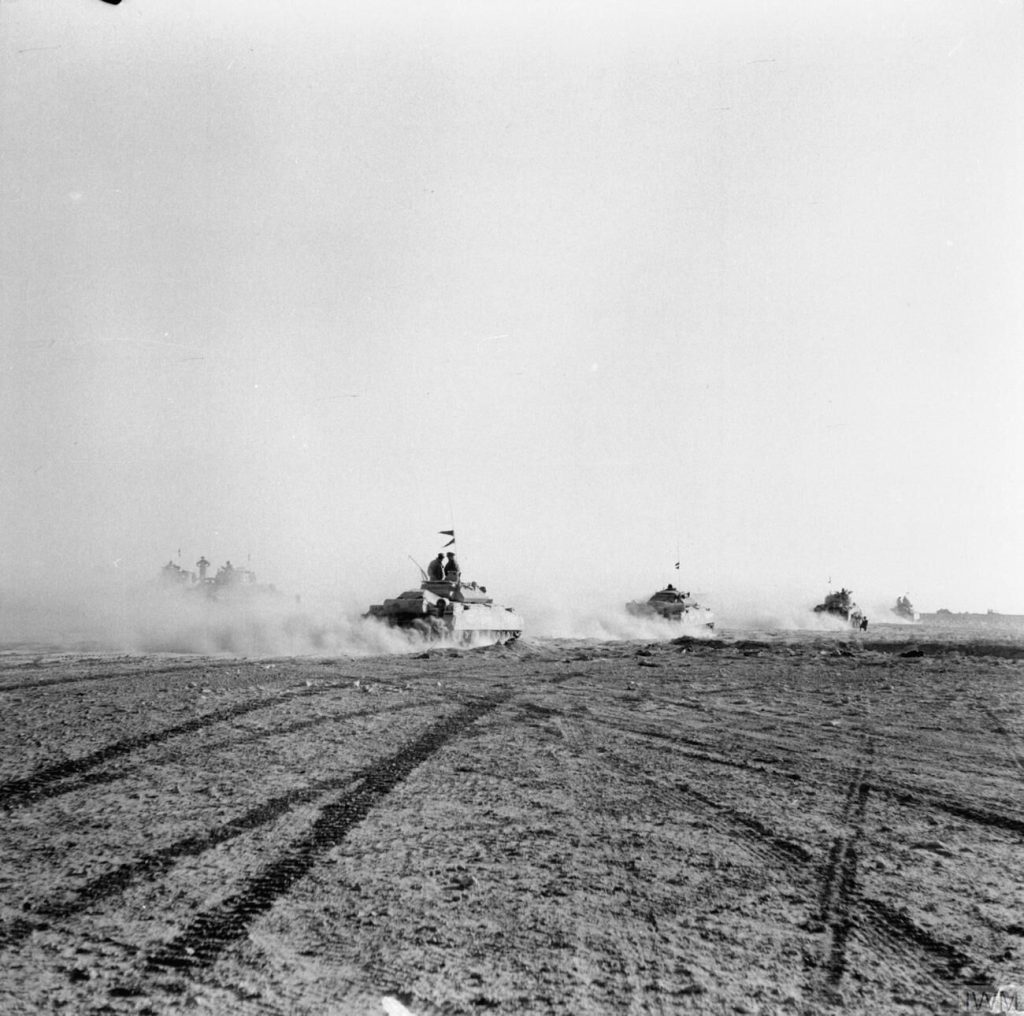
At 21:40, hundreds of guns open fire along the Alamein line. Montgomery’s Eighth Army begins the battle that will drive the Axis out of Egypt for good.
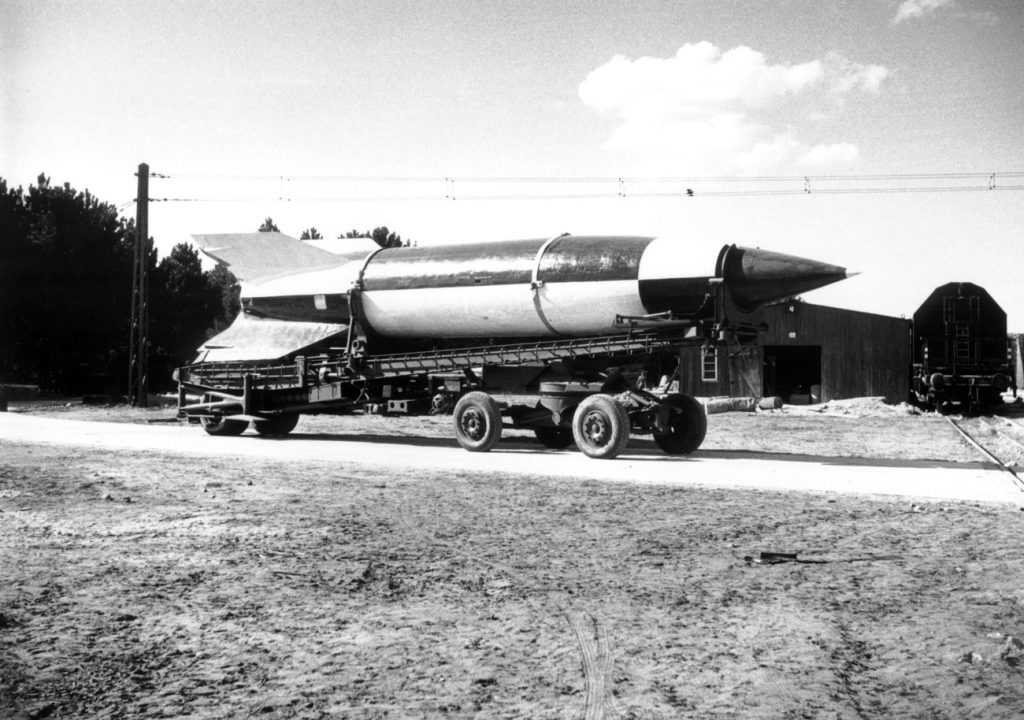
At Peenemünde on the Baltic coast, an A4 rocket climbs to the edge of space and comes down almost 200 kilometres away. Germany’s ballistic missile works.
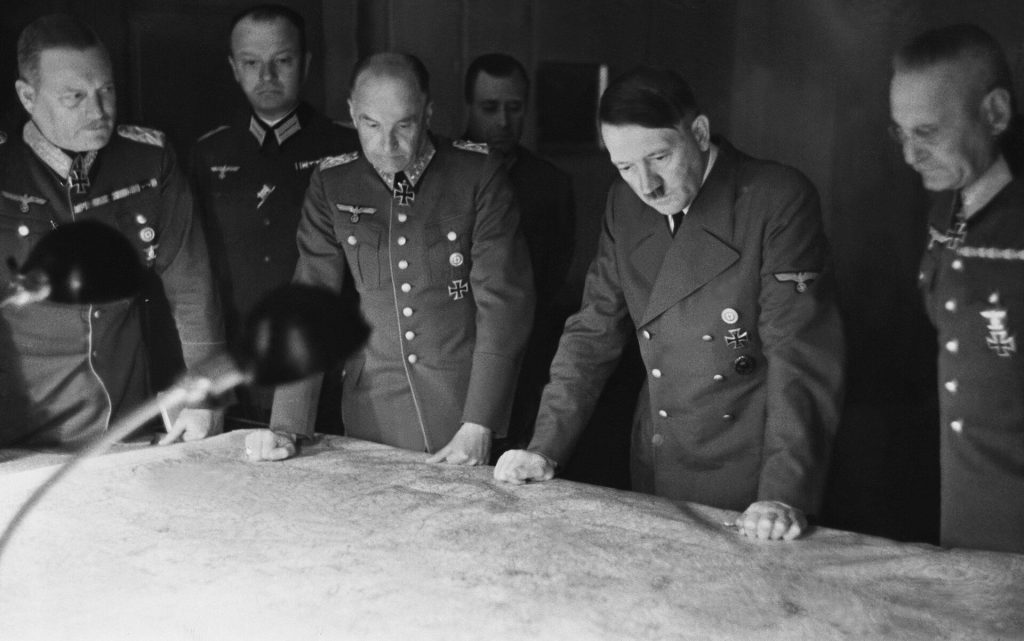
With the offensives against Stalingrad and the Caucasus stalling, Hitler dismisses the chief of the army general staff, Franz Halder, after a series of bitter arguments.
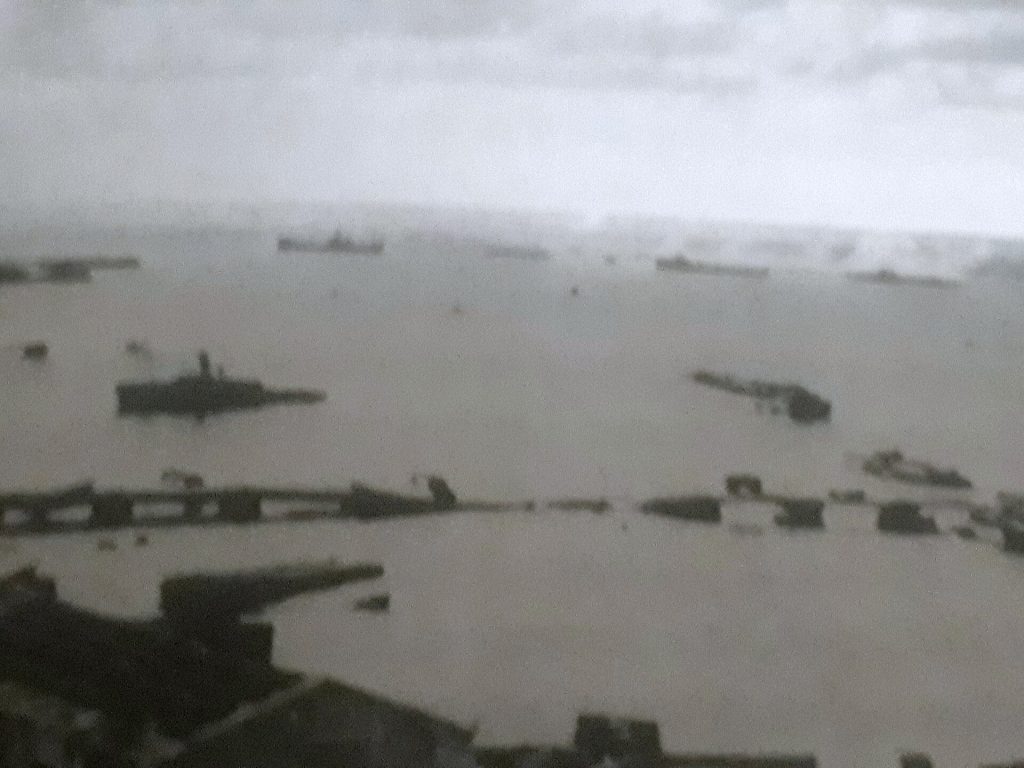
Commandos, Royal Marines and warships attack the port of Tobruk by night, hoping to wreck Rommel’s supply base. The raid goes badly wrong.
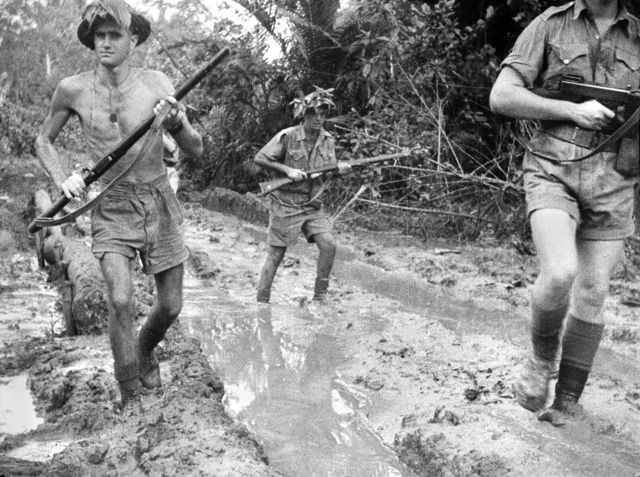
Beaten back from the airstrips at the eastern tip of Papua, the Japanese begin evacuating their surviving troops by sea. For the first time in the Pacific war, a Japanese landing has been defeated on land.
 United Kingdom
 United States
 Soviet Union
 Germany
 Japan
 France
 Poland
 South Africa