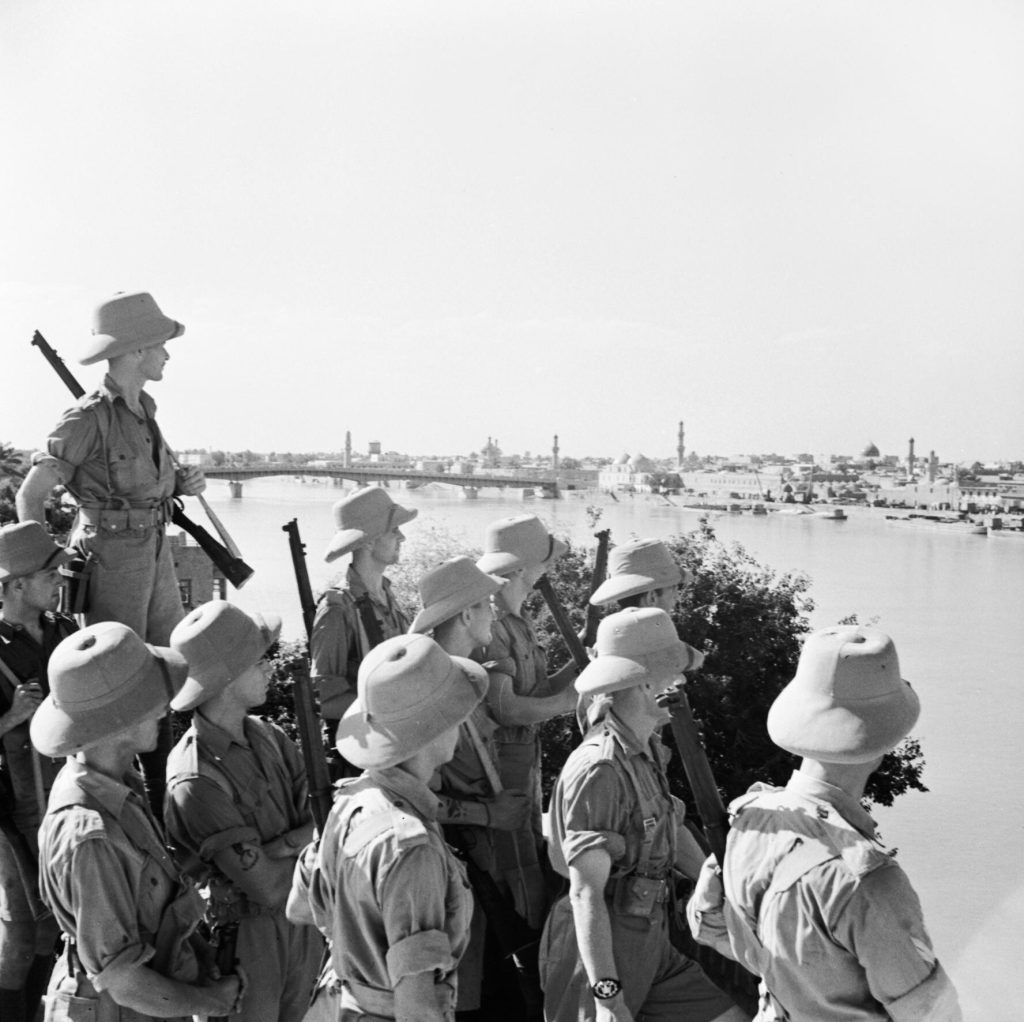
1 June 1941: The Farhud
In the power vacuum after a failed pro-Axis coup, mobs attack the Jewish community of Baghdad during the festival of Shavuot. Hundreds are killed before order is restored.
Treaties, conferences, declarations and alliances.
In the power vacuum after a failed pro-Axis coup, mobs attack the Jewish community of Baghdad during the festival of Shavuot. Hundreds are killed before order is restored.
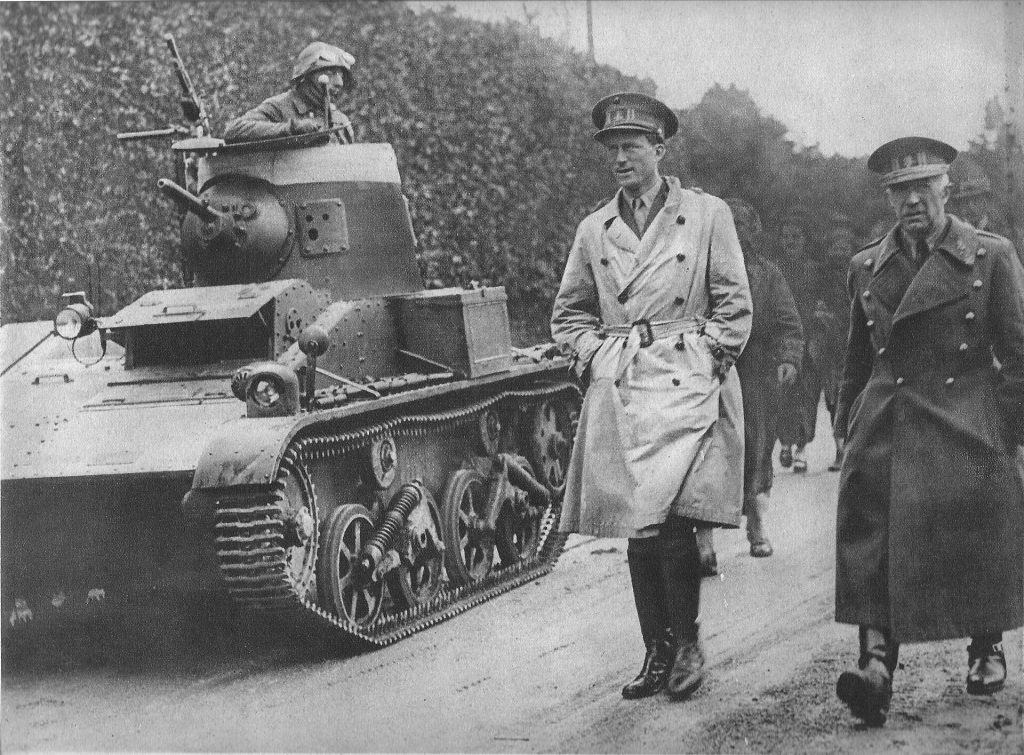
King Leopold III orders the Belgian army to lay down its arms. His government, against the decision, will carry on the war from abroad.
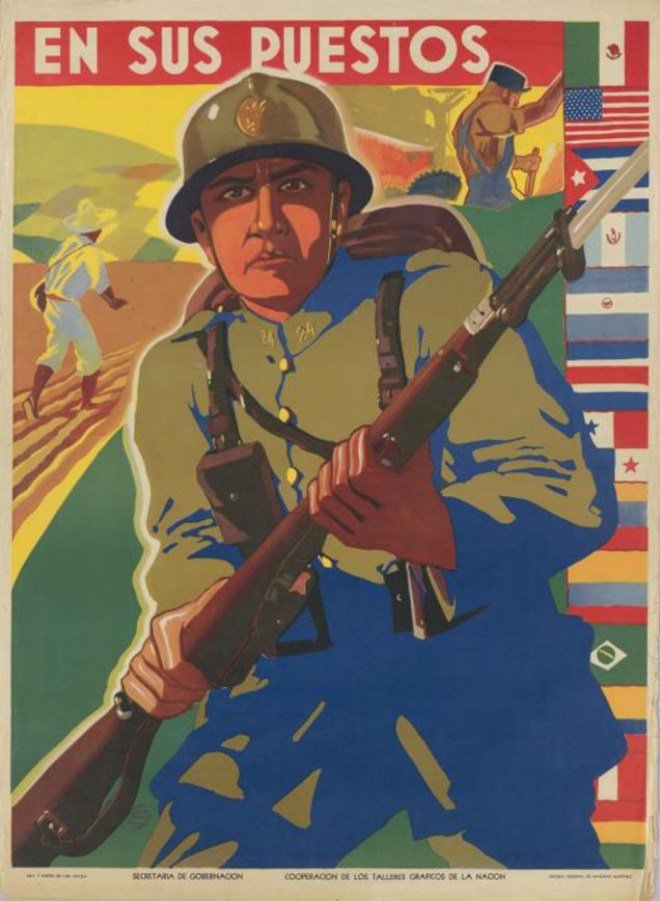
After German U-boats sink two Mexican tankers in the Gulf of Mexico, President Manuel Ávila Camacho declares that Mexico is at war with the Axis.
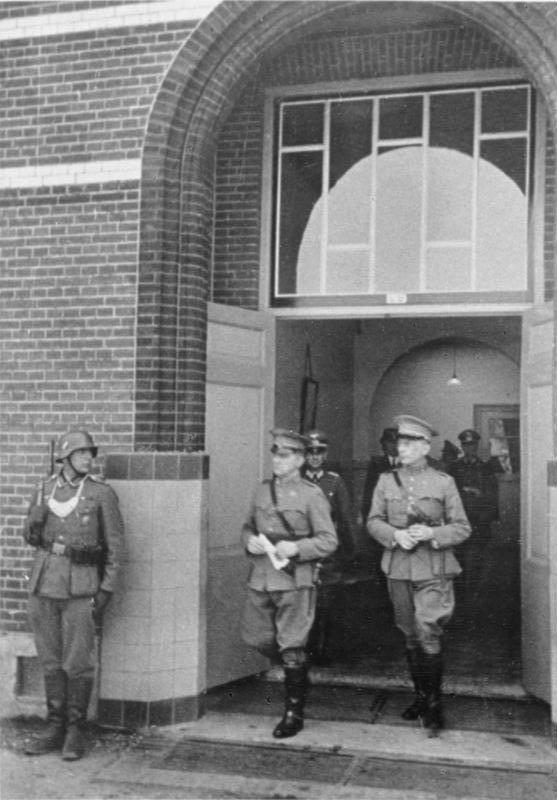
Five days after the invasion, General Winkelman signs the surrender of the Dutch army. In Paris, the French prime minister telephones Churchill with stark news.
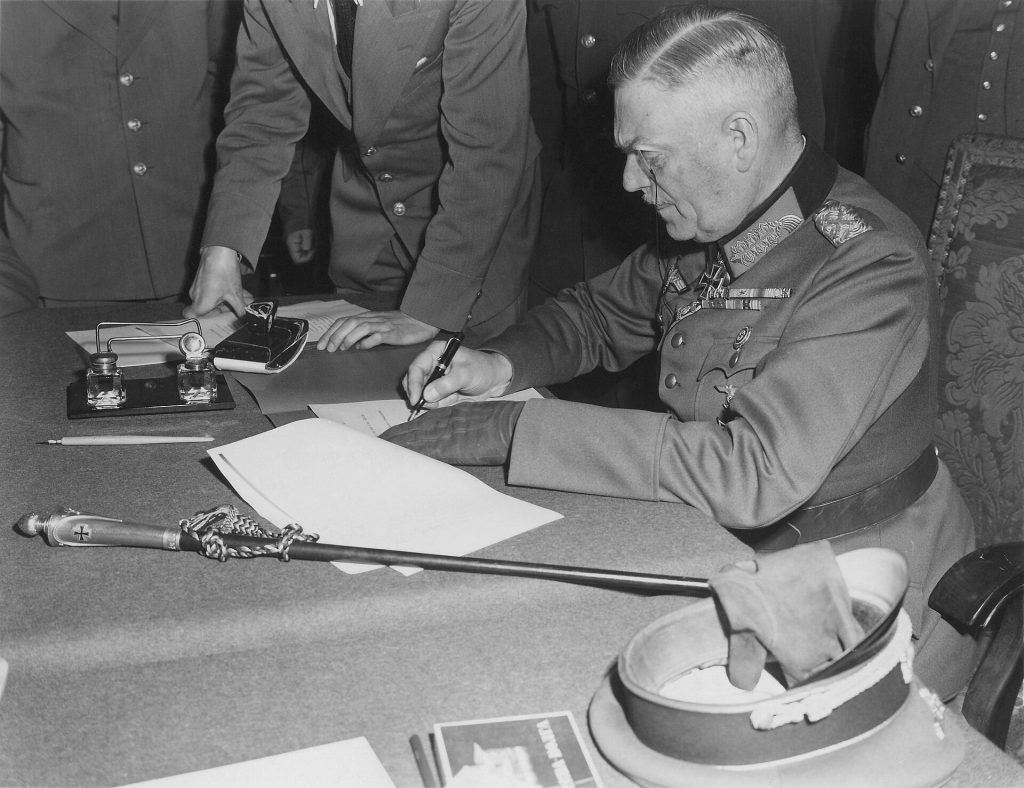
Shortly before midnight in Berlin-Karlshorst, Field Marshal Keitel signs the final surrender before Marshal Zhukov. In Moscow it is already 9 May, and the Soviet Union celebrates victory.
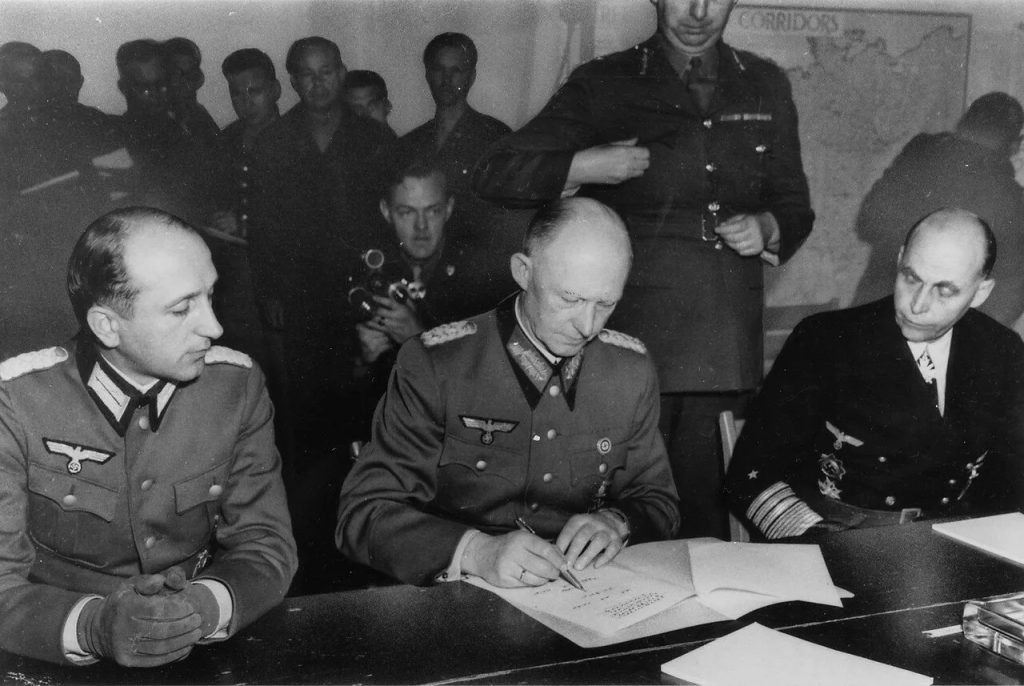
In the small hours, in a schoolhouse in Reims serving as Eisenhower’s headquarters, General Alfred Jodl signs Germany’s unconditional surrender.
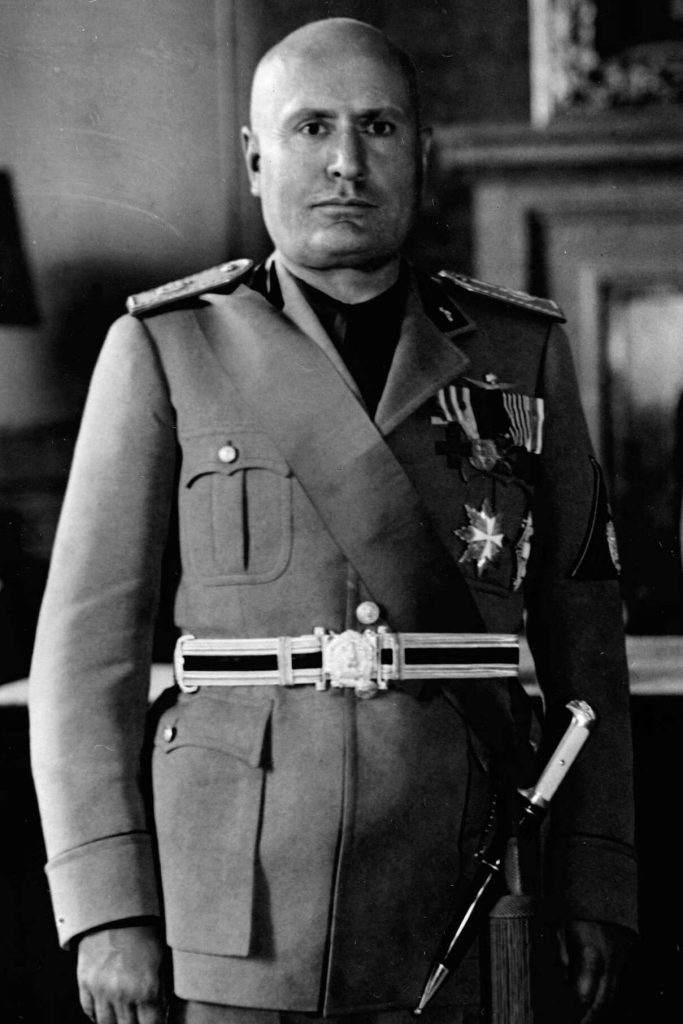
Captured by partisans while trying to escape with a German convoy, Benito Mussolini is shot near Lake Como. The man who ruled Italy for two decades is dead.
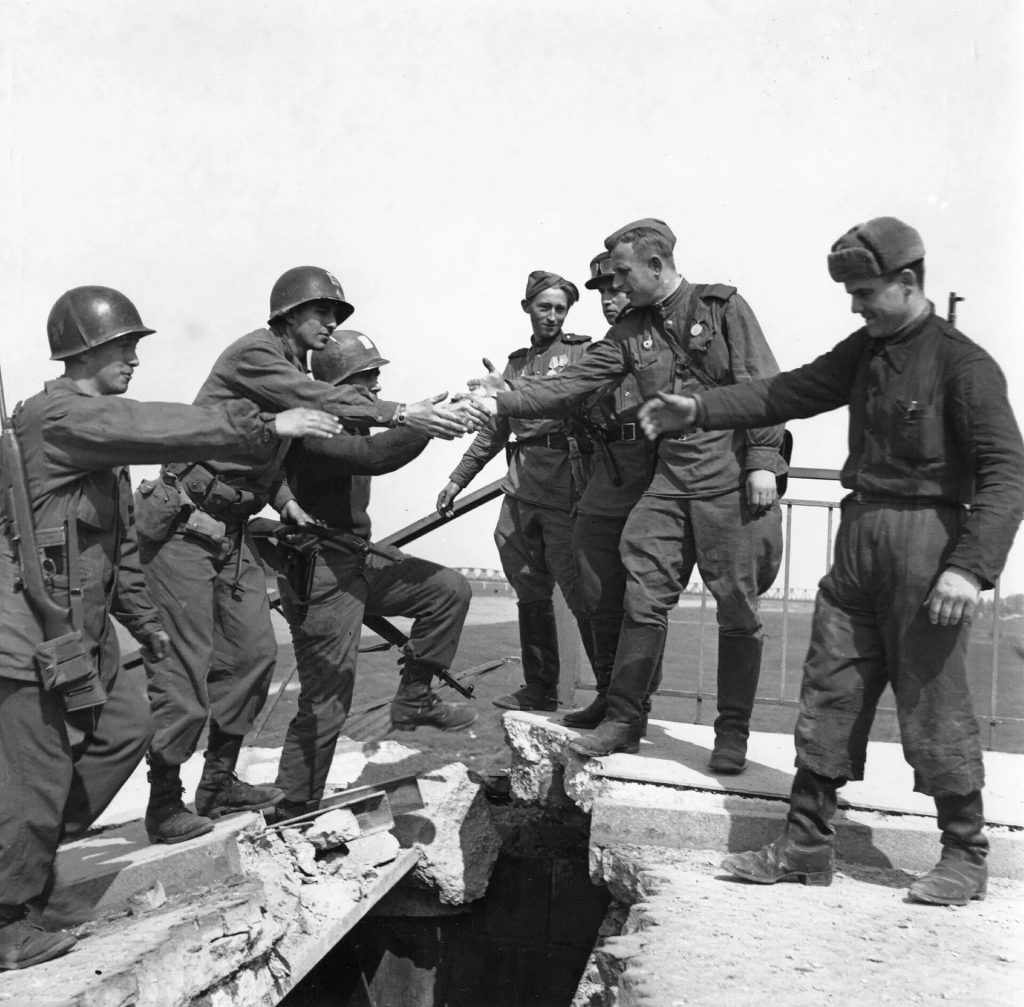
American patrols meet Soviet soldiers on the river Elbe, near Torgau. The armies from east and west have joined, and Germany is cut in two.
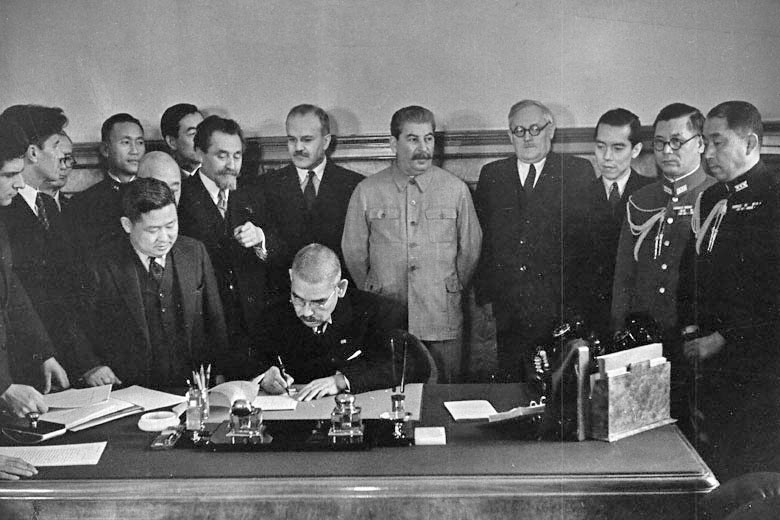
In the Kremlin, Japan’s foreign minister and Molotov sign a five-year neutrality pact. Stalin himself turns up at the railway station to see the Japanese delegation off.
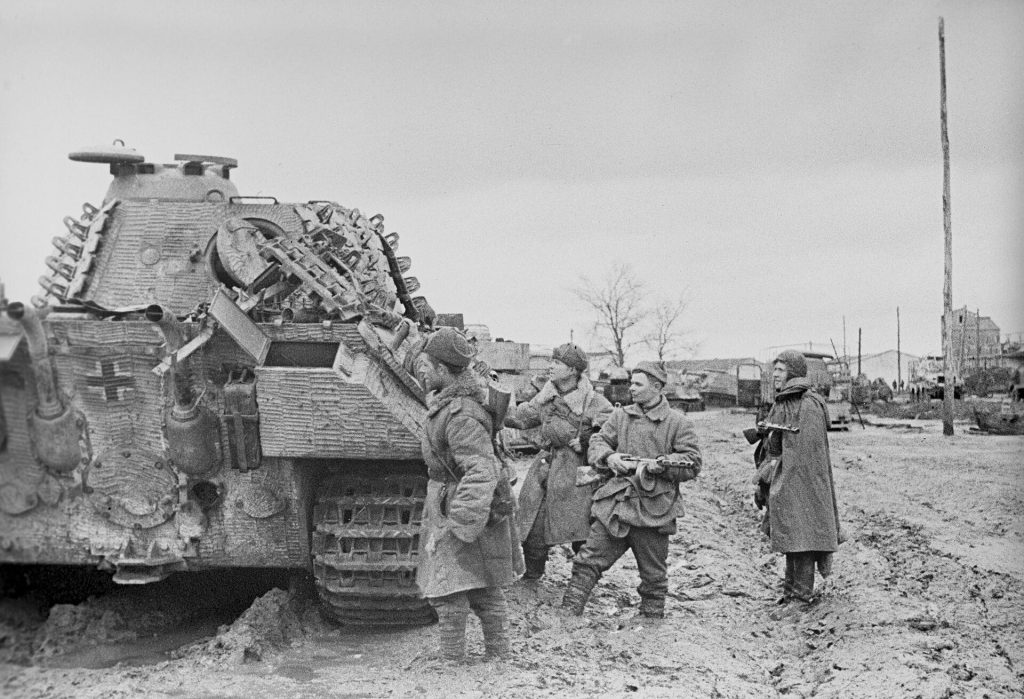
Soviet forces cross the Prut river into Romania. In Moscow, Molotov declares that the Soviet Union has no wish to take Romanian territory or change its social order.
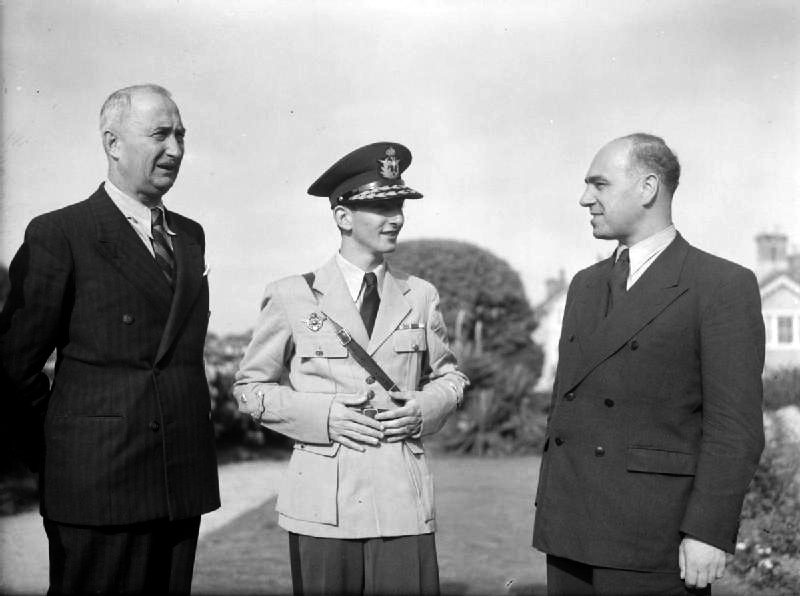
Yugoslav air force officers overthrow the regency that signed the Axis pact. Crowds fill the streets of Belgrade. In Berlin, Hitler orders Yugoslavia destroyed.
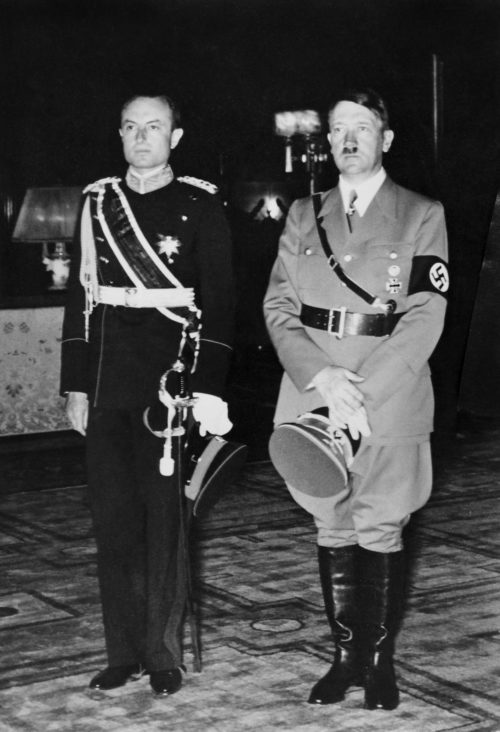
Under heavy German pressure, Yugoslavia’s government signs the Tripartite Pact in Vienna. Within two days, the decision will bring it down.
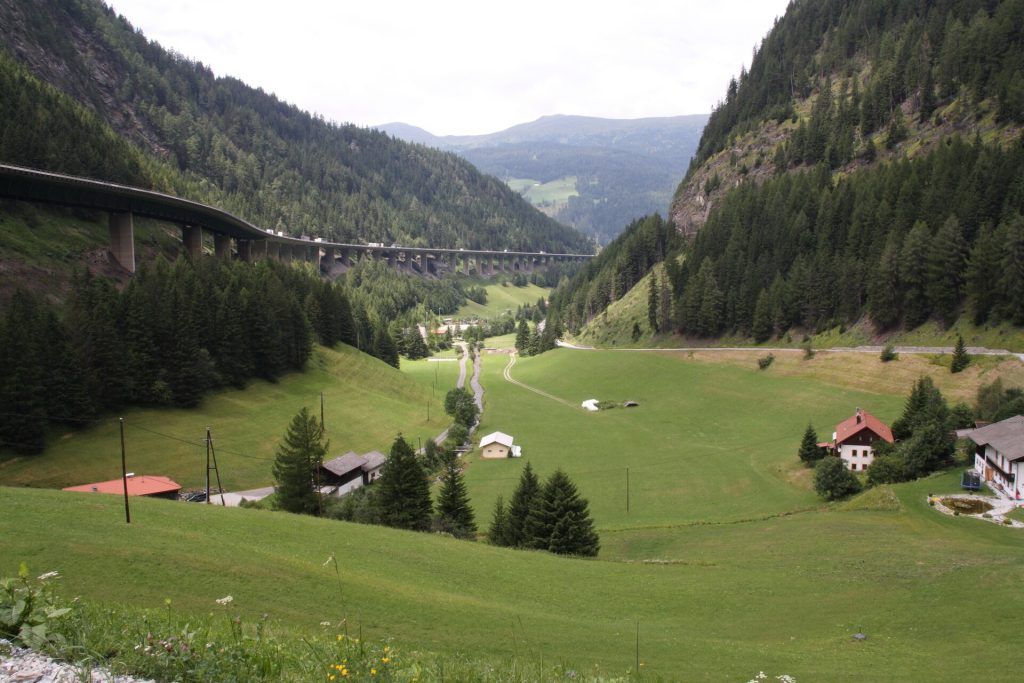
Hitler and Mussolini meet in a railway carriage at the Alpine frontier. Mussolini promises that Italy will enter the war, but only when the moment is right.
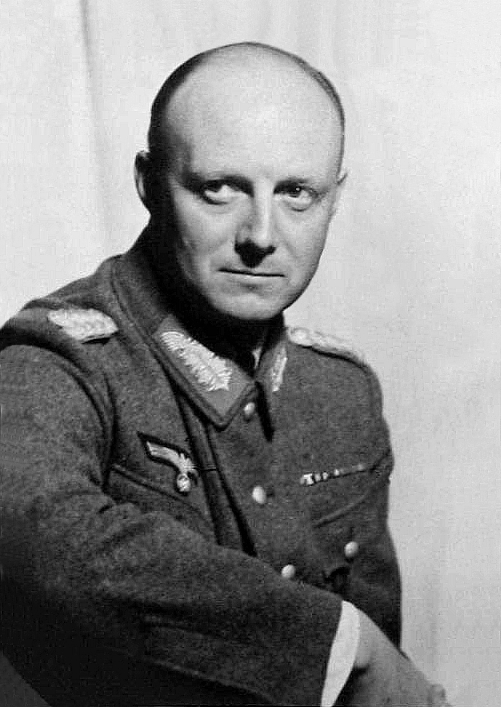
German officers plotting against Hitler smuggle a bomb disguised as bottles of brandy onto his aircraft at Smolensk. It flies all the way to East Prussia and never explodes.
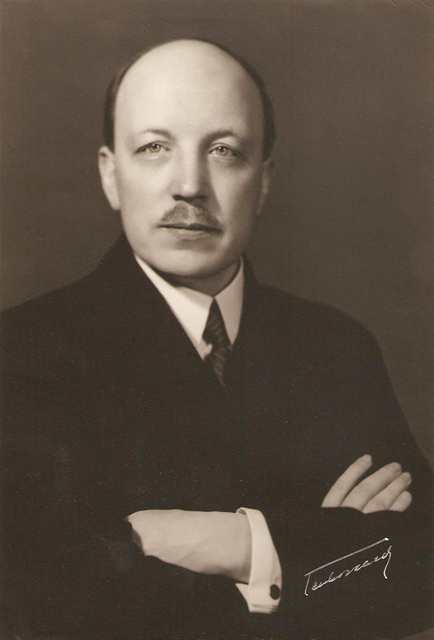
Late at night in Moscow, Finnish delegates sign a harsh peace treaty. The Winter War will end the next day, and Finland will lose a tenth of its territory.
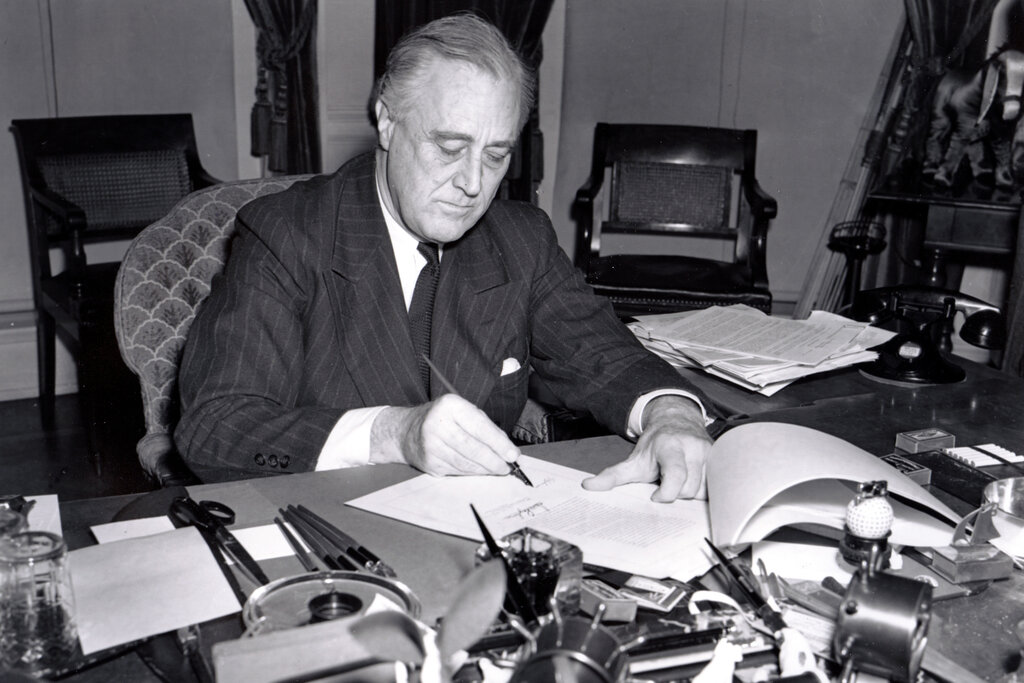
Roosevelt signs into law a bill allowing the United States to send weapons and supplies to nations fighting the Axis without immediate payment. America becomes the arsenal of democracy.
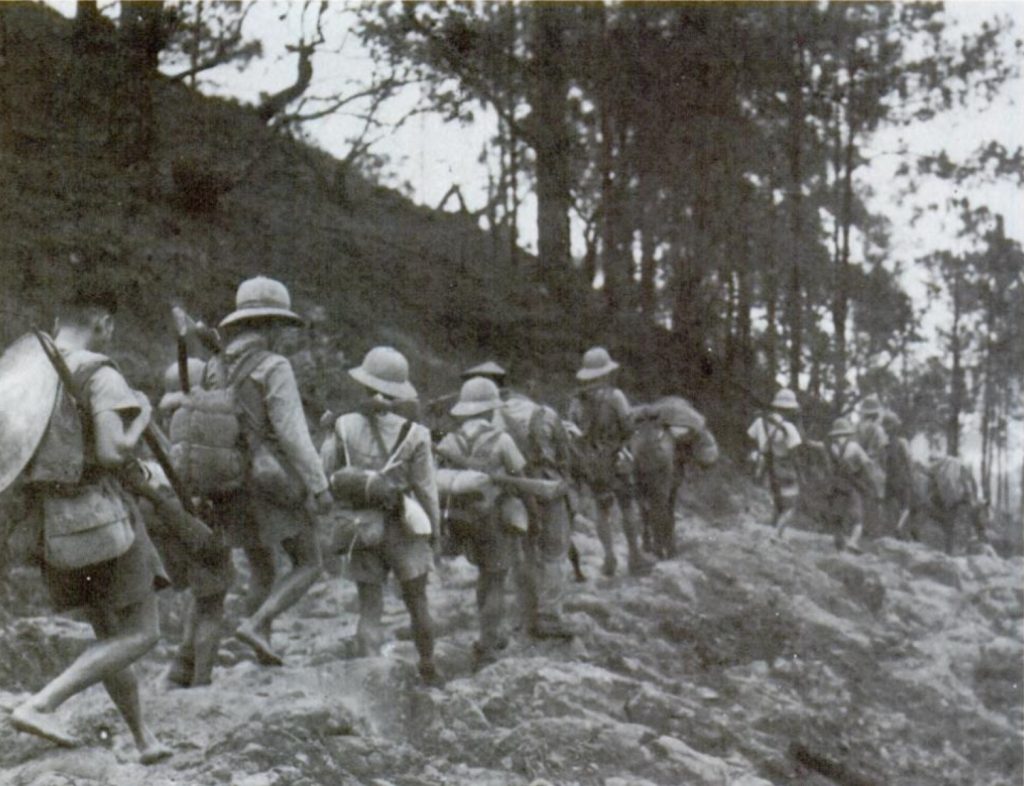
After four years of uneasy coexistence, Japanese forces overthrow the French colonial government across Indochina in a single night.
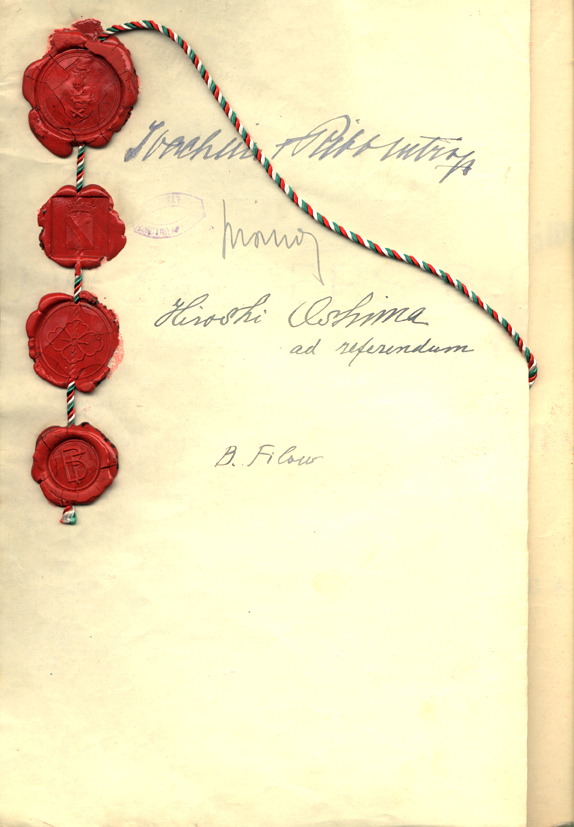
In Vienna, Bulgaria’s prime minister signs the Tripartite Pact. German troops begin crossing the Danube the same day, on their way to the Greek border.
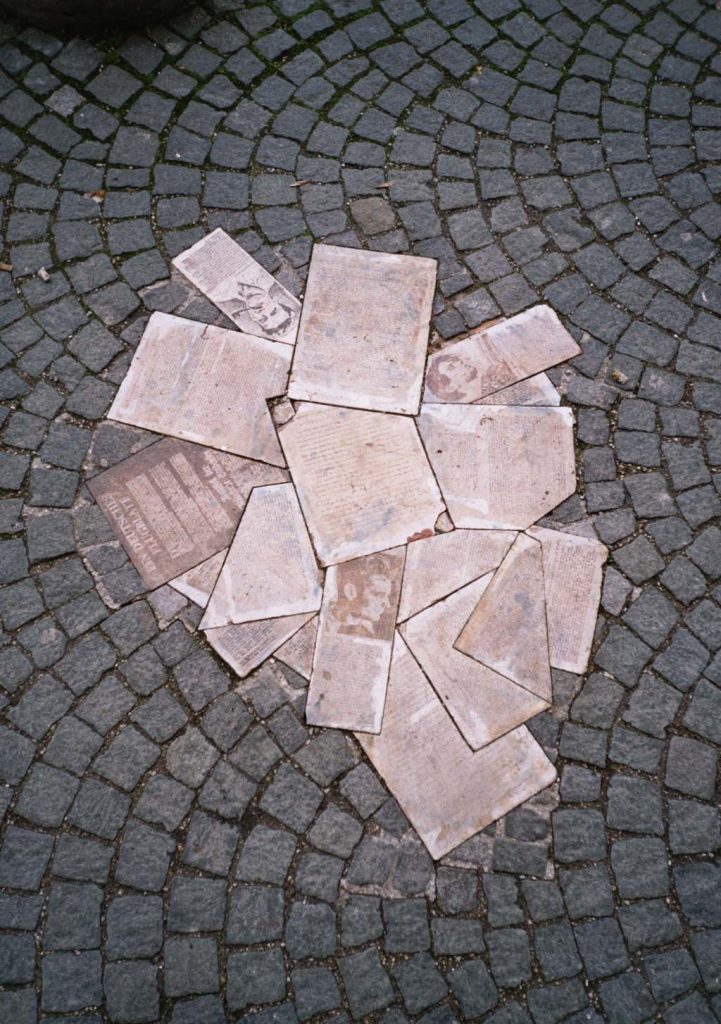
Four days after their arrest, the students Hans and Sophie Scholl and Christoph Probst are tried by the People’s Court and executed the same afternoon.
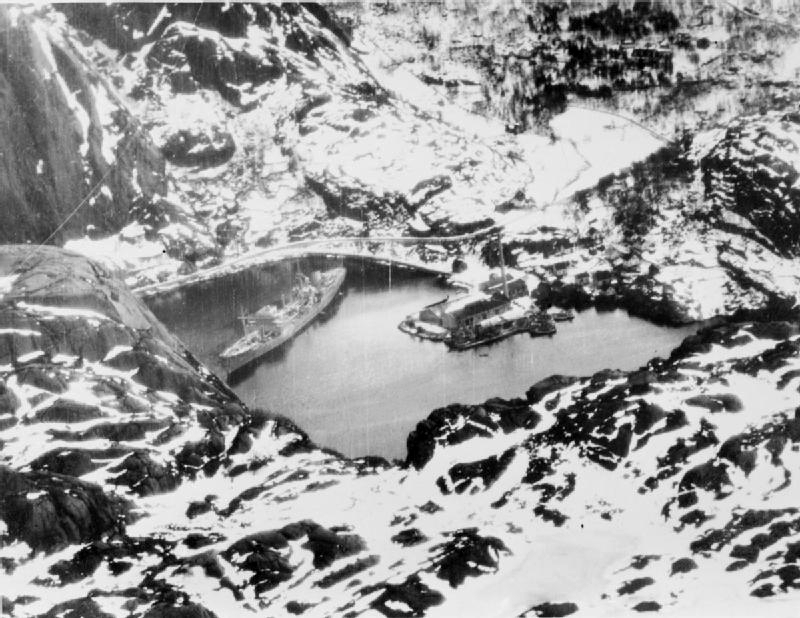
A British destroyer enters a Norwegian fjord, boards a German supply ship and frees around 300 British seamen held captive below decks.
 United Kingdom
 United States
 Soviet Union
 Germany
 Japan
 France
 Poland
 South Africa