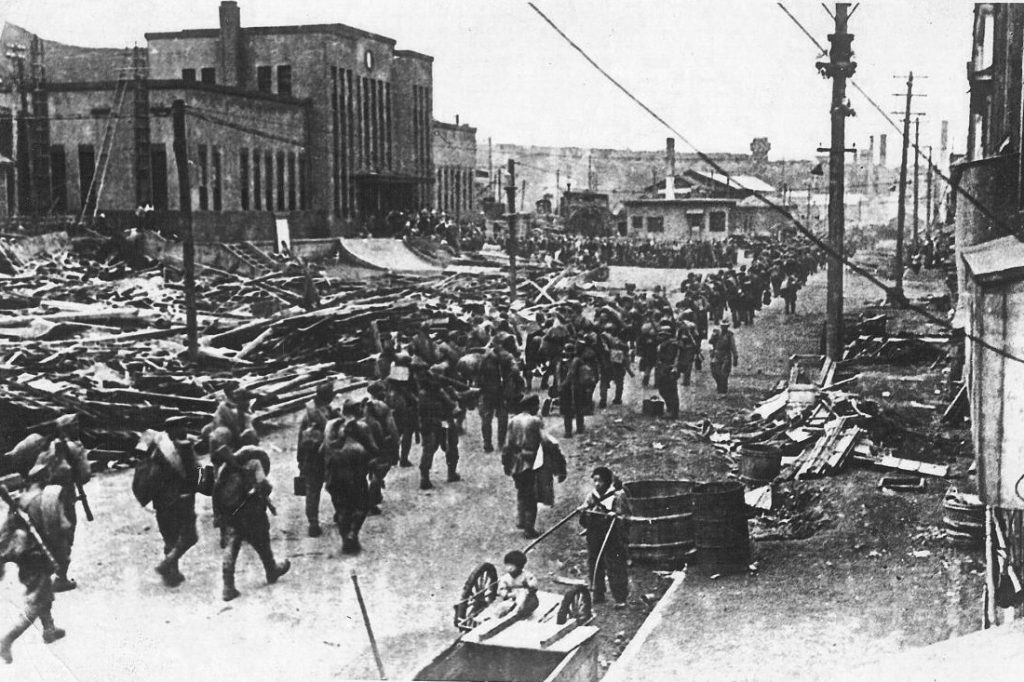
8 August 1945: The Soviet Union Declares War on Japan
Exactly three months after Germany’s surrender, as Stalin promised at Yalta, Moscow declares war on Japan. Within hours, Soviet armies pour into Manchuria.
Treaties, conferences, declarations and alliances.
Exactly three months after Germany’s surrender, as Stalin promised at Yalta, Moscow declares war on Japan. Within hours, Soviet armies pour into Manchuria.
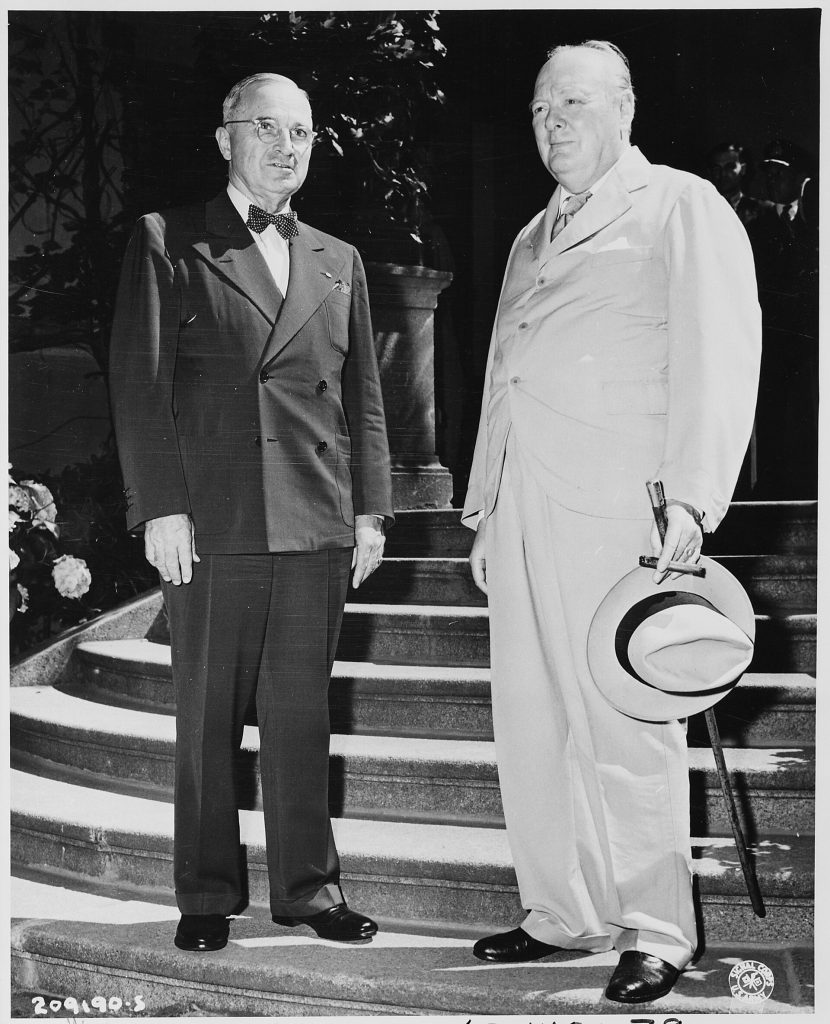
From Potsdam, the United States, Britain and China call on Japan to surrender unconditionally. The alternative, they warn, is “prompt and utter destruction”.
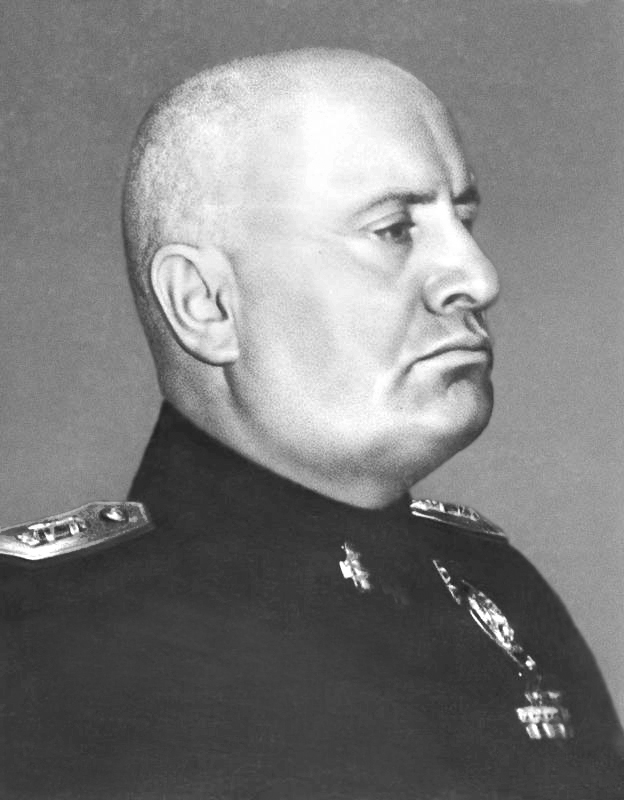
After an all-night meeting of the Fascist Grand Council votes against him, Mussolini goes to see the King. He leaves the royal villa under arrest. Twenty-one years of Fascist rule are over.
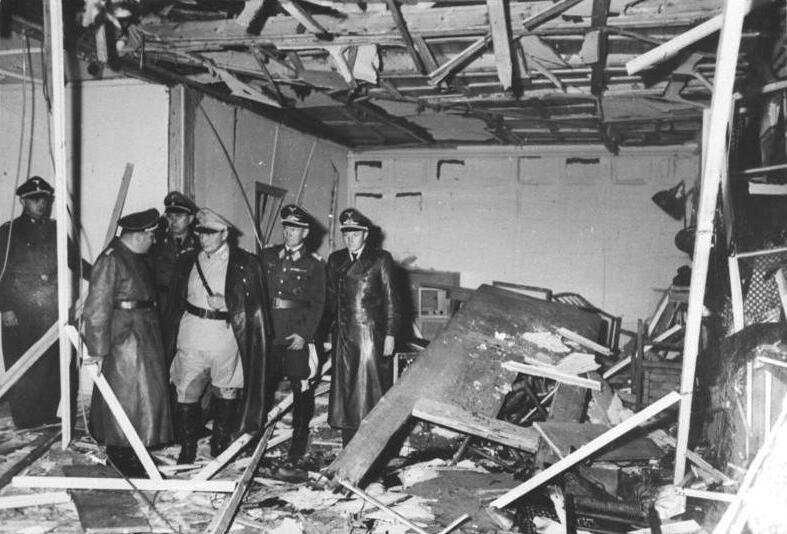
At Hitler’s headquarters in East Prussia, a bomb in a briefcase explodes beneath the conference table. Hitler survives, and the conspiracy to overthrow him collapses within hours.
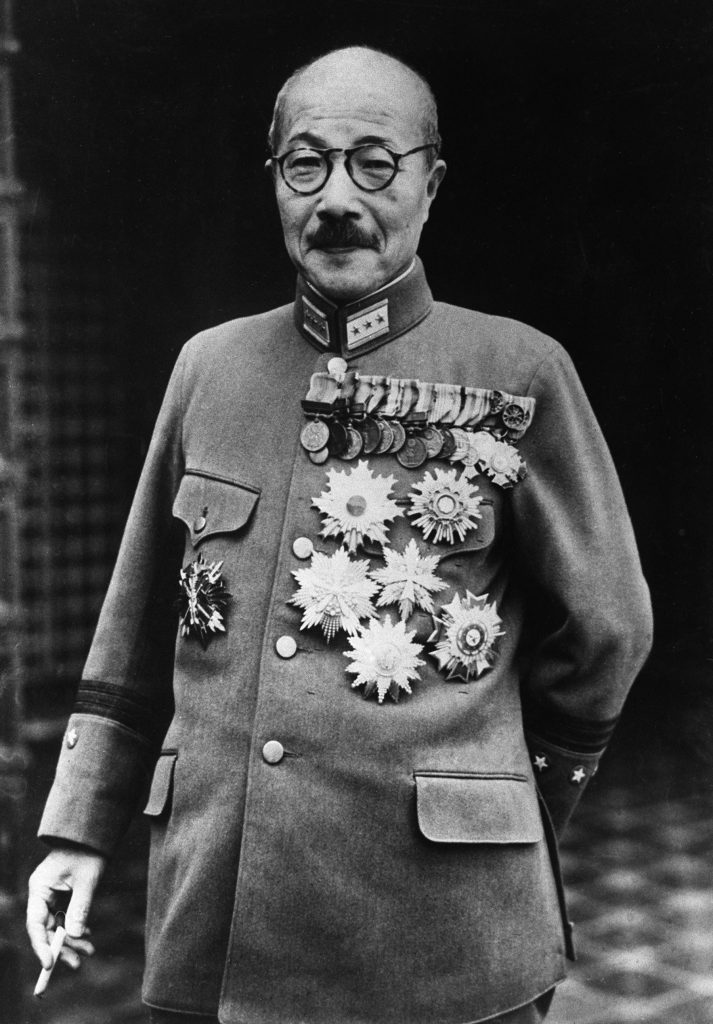
After the loss of Saipan, General Hideki Tojo and his cabinet resign. The man who led Japan into war with the United States is out of power.
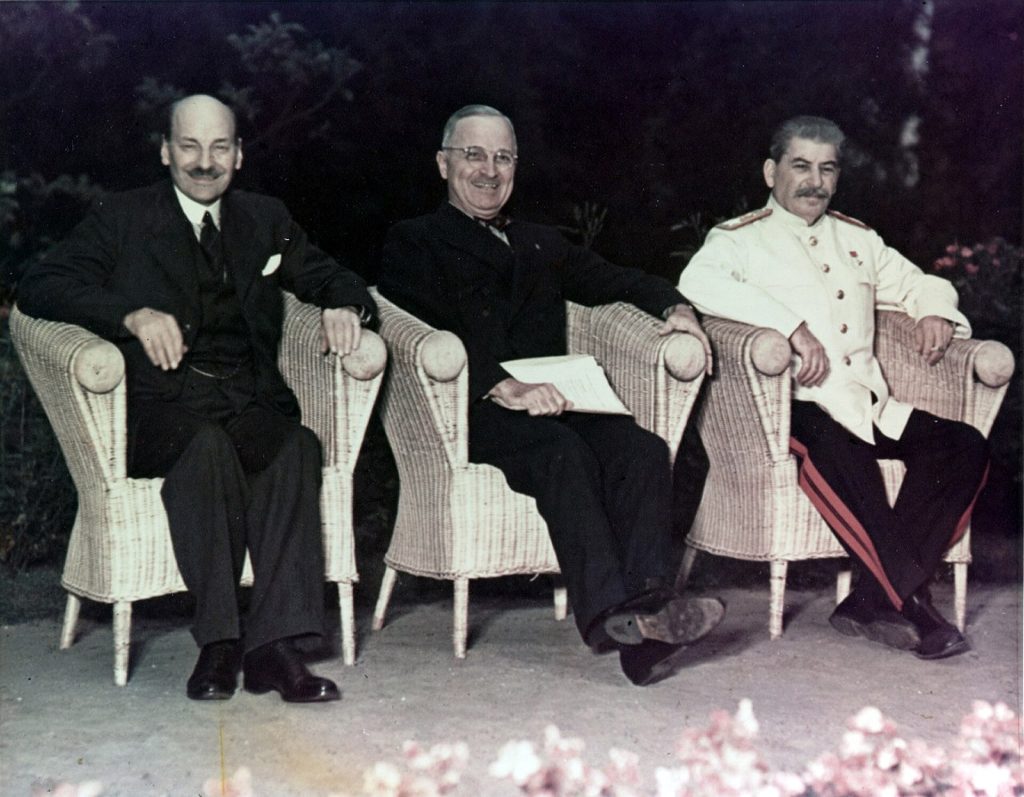
In a palace outside ruined Berlin, Truman, Stalin and Churchill meet to settle the fate of Germany. Halfway through, Churchill is replaced by Attlee.
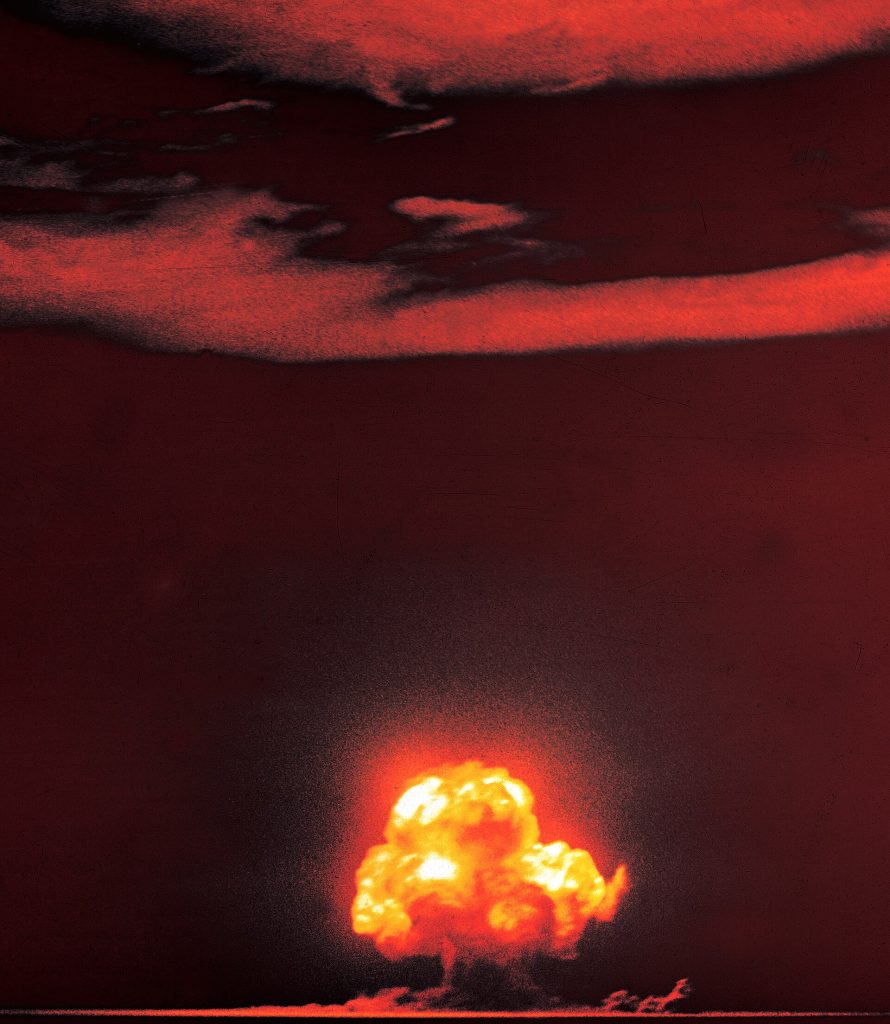
Before dawn in the New Mexico desert, scientists of the Manhattan Project detonate the world’s first atomic bomb. The nuclear age has begun.
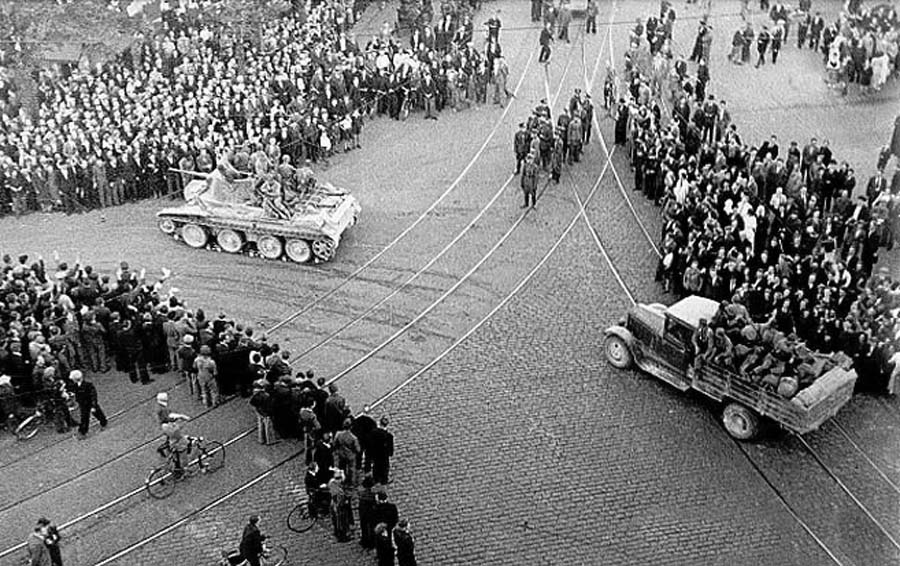
Weeks after the Red Army marches in, Estonia, Latvia and Lithuania hold elections in which only one list of candidates is allowed. The result is a foregone conclusion.
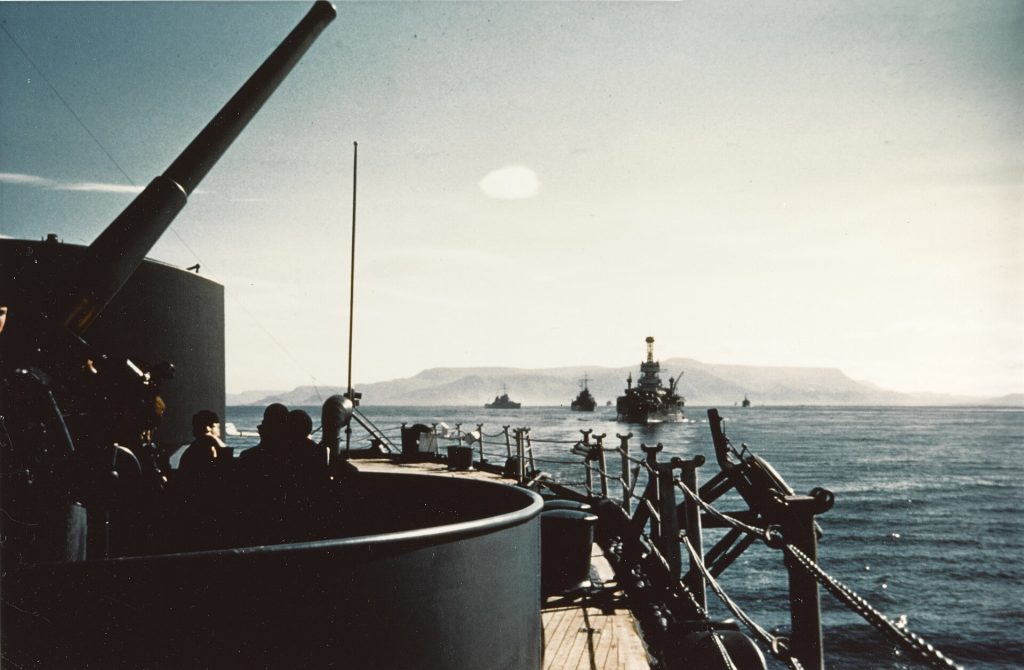
Five months before Pearl Harbor, US Marines come ashore at Reykjavík to take over the defence of Iceland from the British. The officially neutral United States is edging into the Atlantic war.
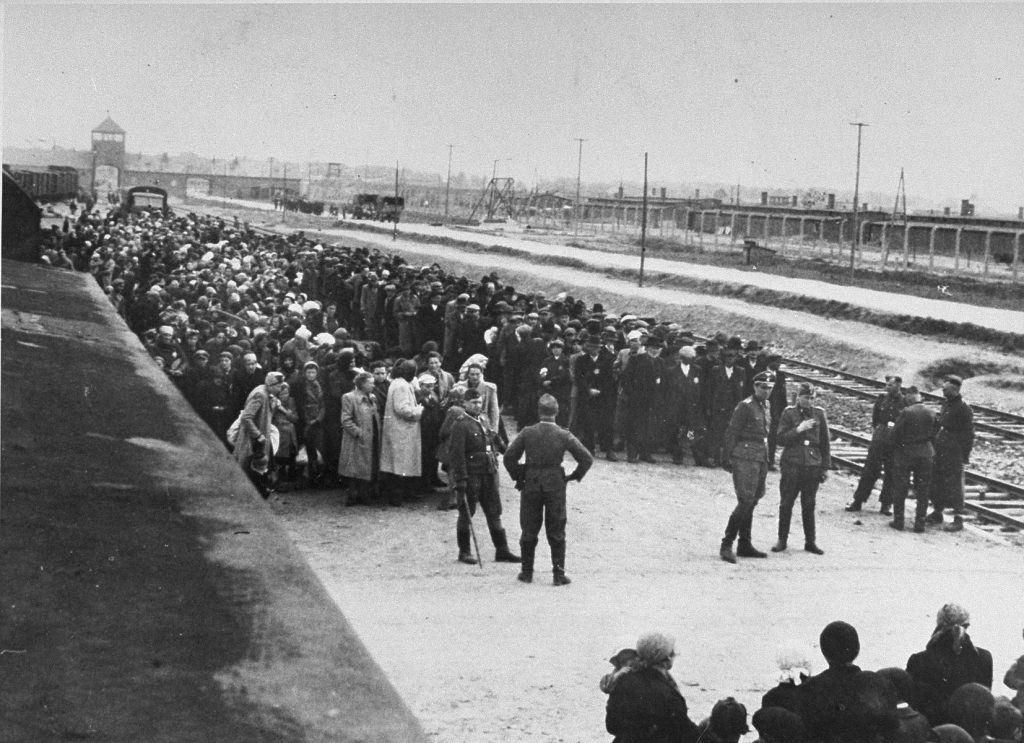
Under international pressure, Hungary’s regent orders a halt to the deportation of Jews. In less than two months, more than 430,000 have already been sent to Auschwitz.
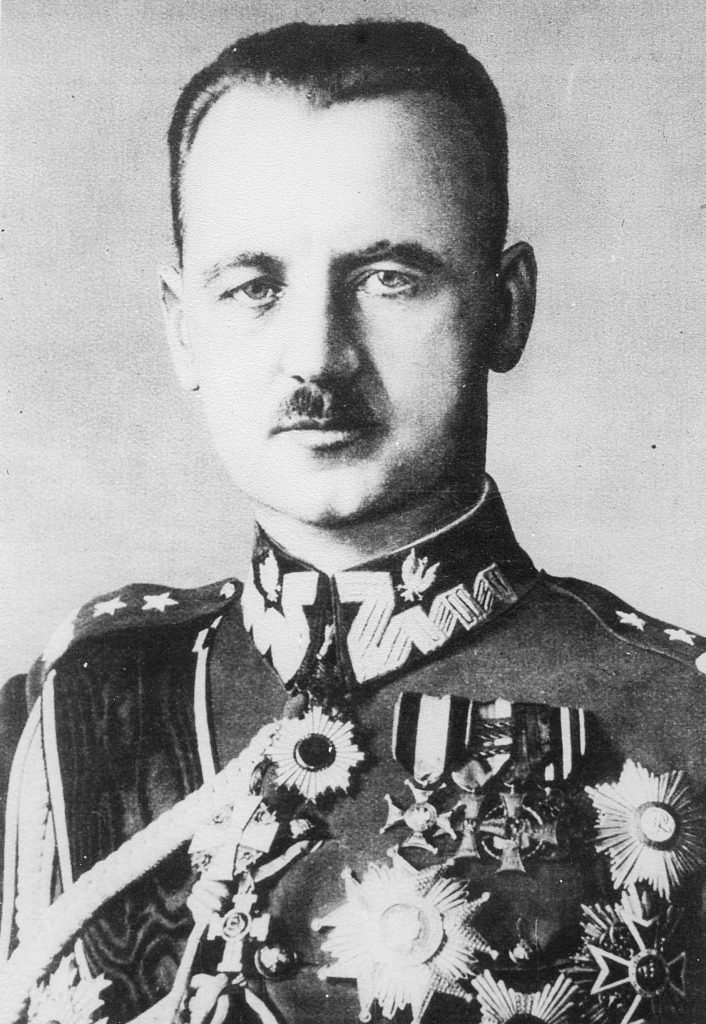
Seconds after taking off from Gibraltar, the aircraft carrying General Władysław Sikorski, leader of the Polish government in exile, plunges into the sea.
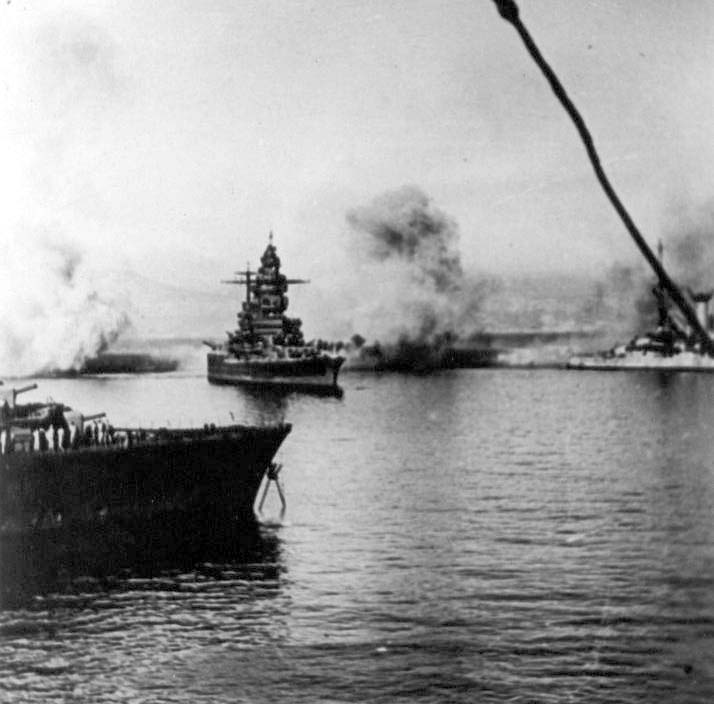
To stop the French fleet falling into German hands, the Royal Navy opens fire on its ally of only weeks before. Nearly 1,300 French sailors are killed.
In San Francisco, delegates of fifty nations sign the Charter of the United Nations, creating a new organisation to keep the peace the war has cost so much to win.
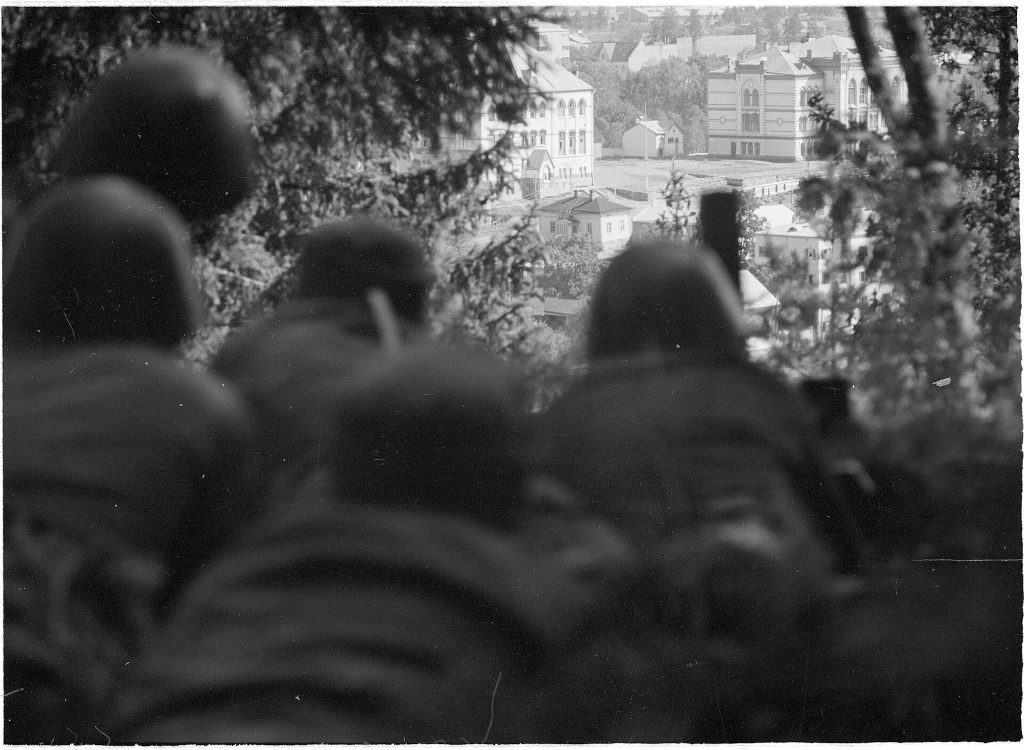
After Soviet bombers strike Finnish towns, Finland declares that it is at war with the Soviet Union again. Finns call it the Continuation War.
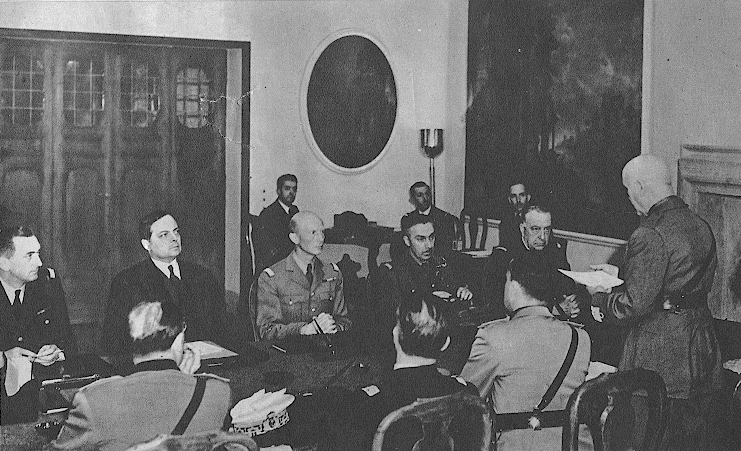
After an Alpine offensive that gained almost nothing, Italy signs an armistice with France at a villa near Rome. That night, the fighting in France ends.
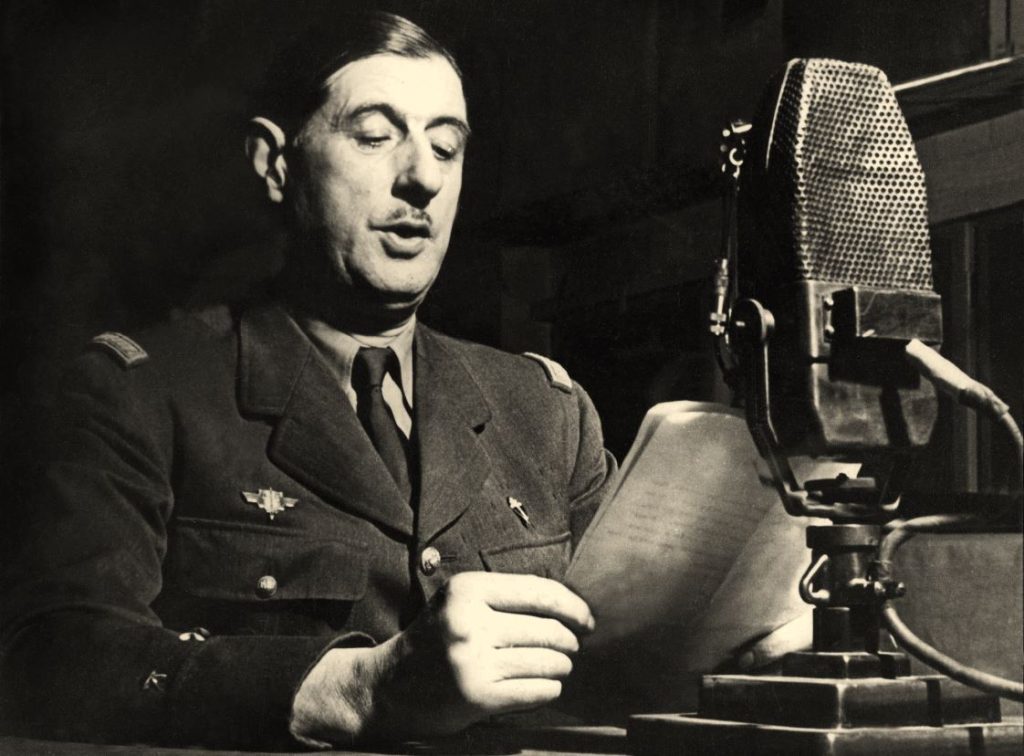
In a BBC studio in London, a little-known French general speaks to his country: France has lost a battle, but it must not give up. Few hear him. History will remember.
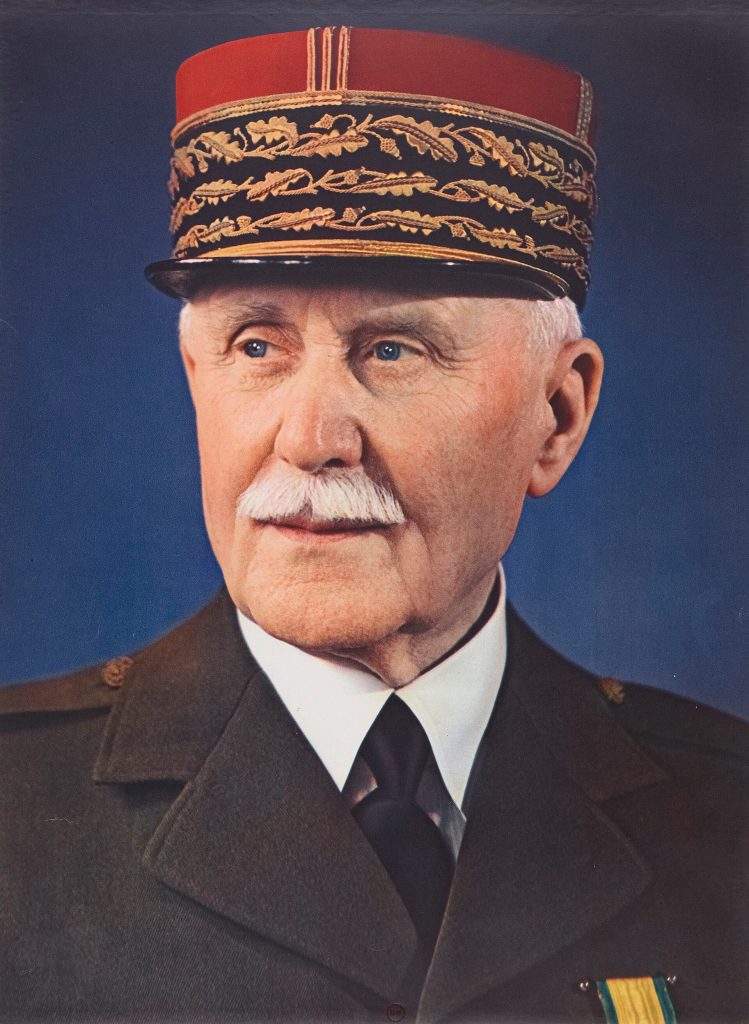
Britain offers France an extraordinary union of the two nations. The French cabinet rejects it, Paul Reynaud resigns, and 84-year-old Marshal Pétain becomes premier, determined to seek an armistice.
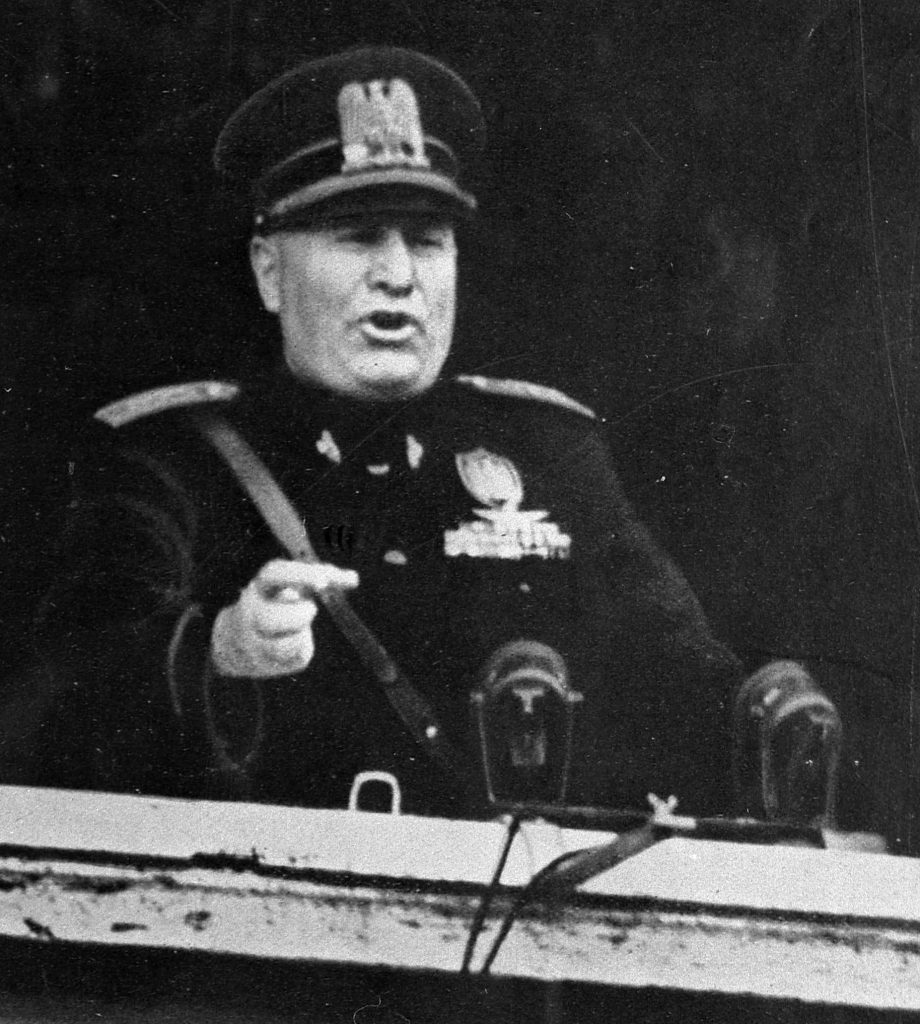
From the balcony of the Palazzo Venezia, Mussolini announces that Italy is at war with Britain and France. France is already collapsing.
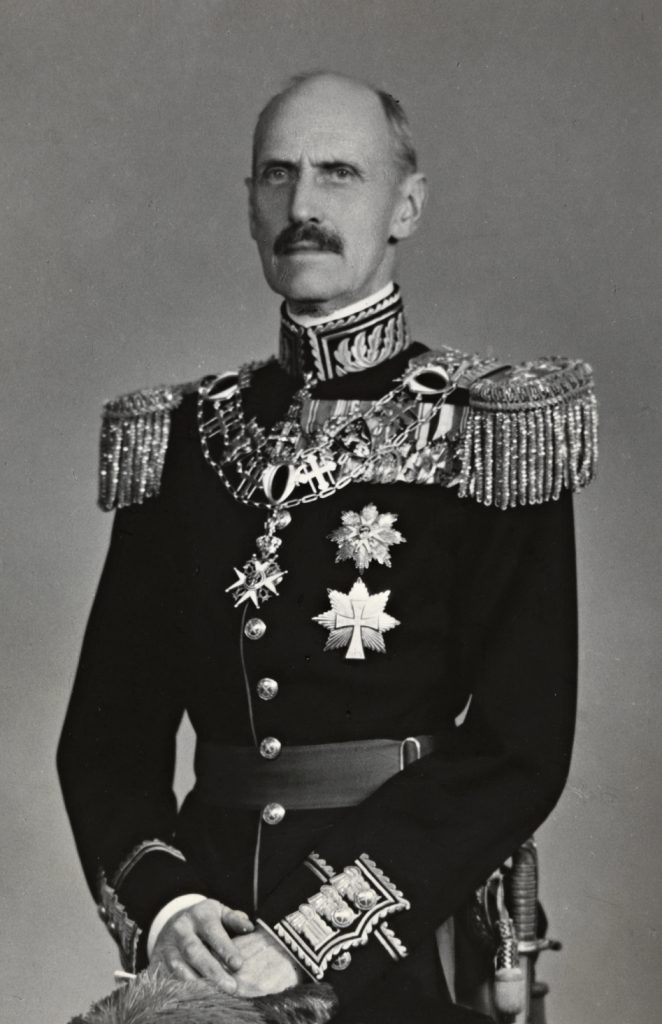
With the Allies withdrawing from Narvik, King Haakon VII and his government board a British cruiser at Tromsø. They will lead Norway’s fight from London.
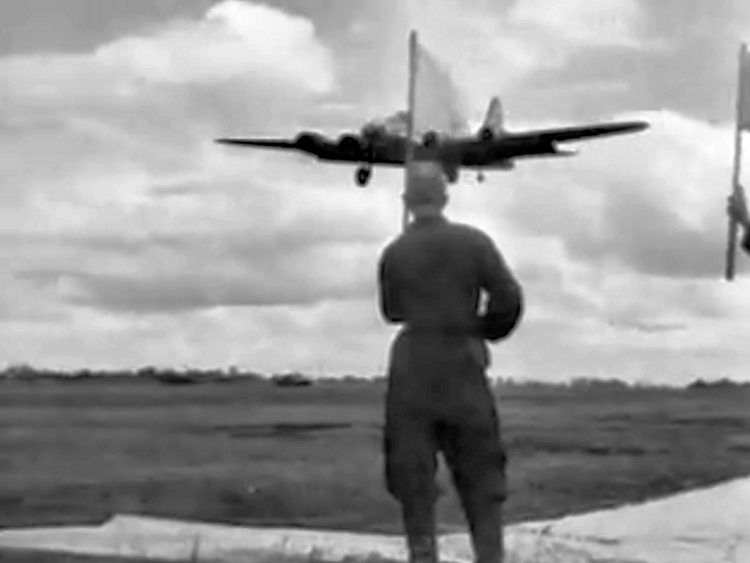
American heavy bombers take off from Italy, attack a target in Hungary and fly on to land at bases inside the Soviet Union. The first shuttle mission has begun.
 United Kingdom
 United States
 Soviet Union
 Germany
 Japan
 France
 Poland
 South Africa