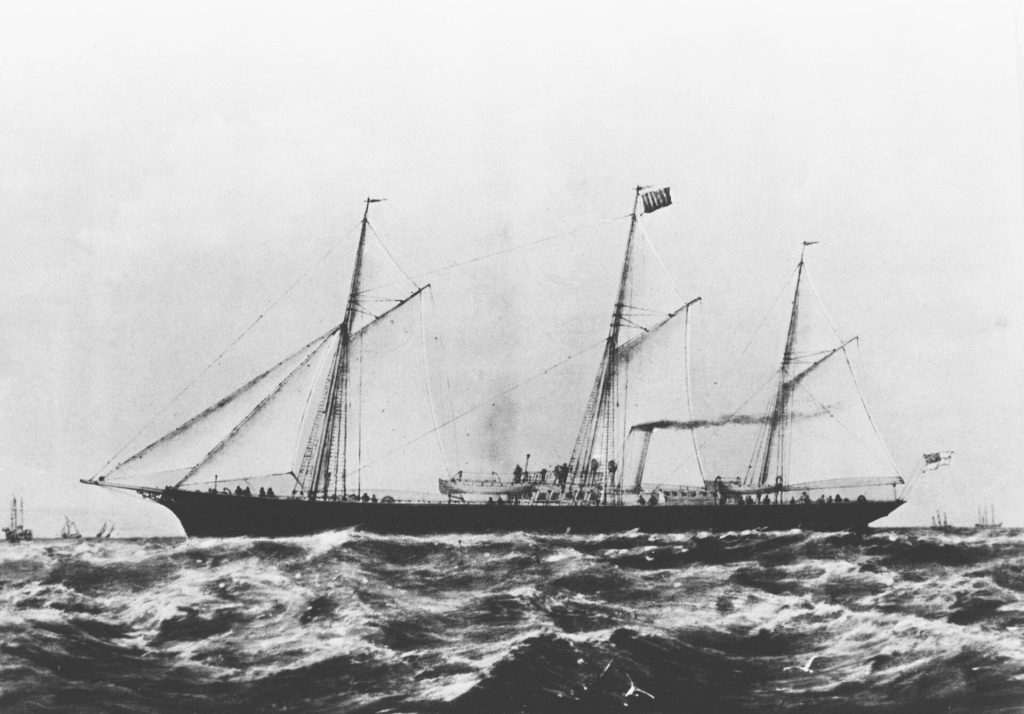
24 February 1942: The Struma
An old, overcrowded boat carrying Jewish refugees from Romania is towed out into the Black Sea and torpedoed. Of the nearly 800 people aboard, one survives.
Persecution, genocide and occupation, and those who resisted.
An old, overcrowded boat carrying Jewish refugees from Romania is towed out into the Black Sea and torpedoed. Of the nearly 800 people aboard, one survives.
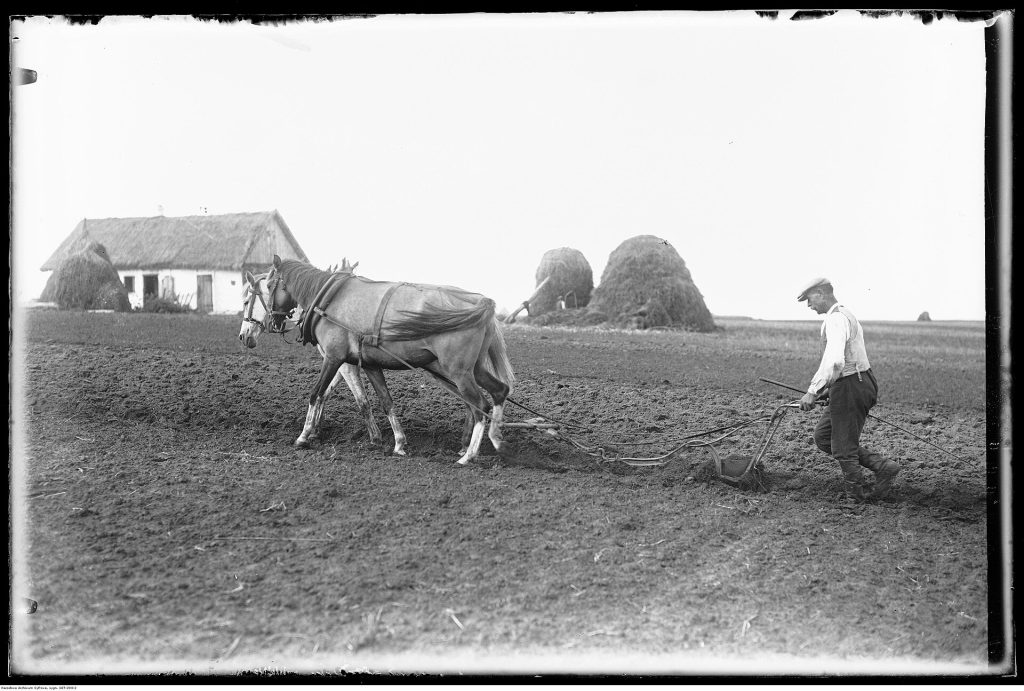
Before dawn, in bitter frost, Soviet security troops begin rounding up Polish families in the occupied east. They are loaded onto freight trains bound for Siberia and the far north.
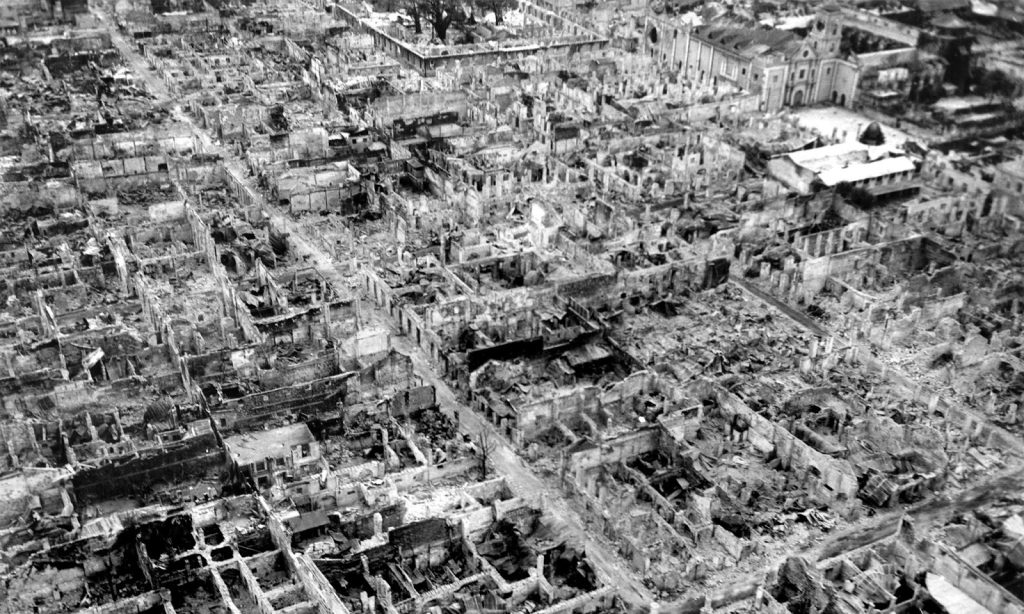
An American flying column races into Manila and frees thousands of internees at Santo Tomas. A month of devastating street fighting follows.
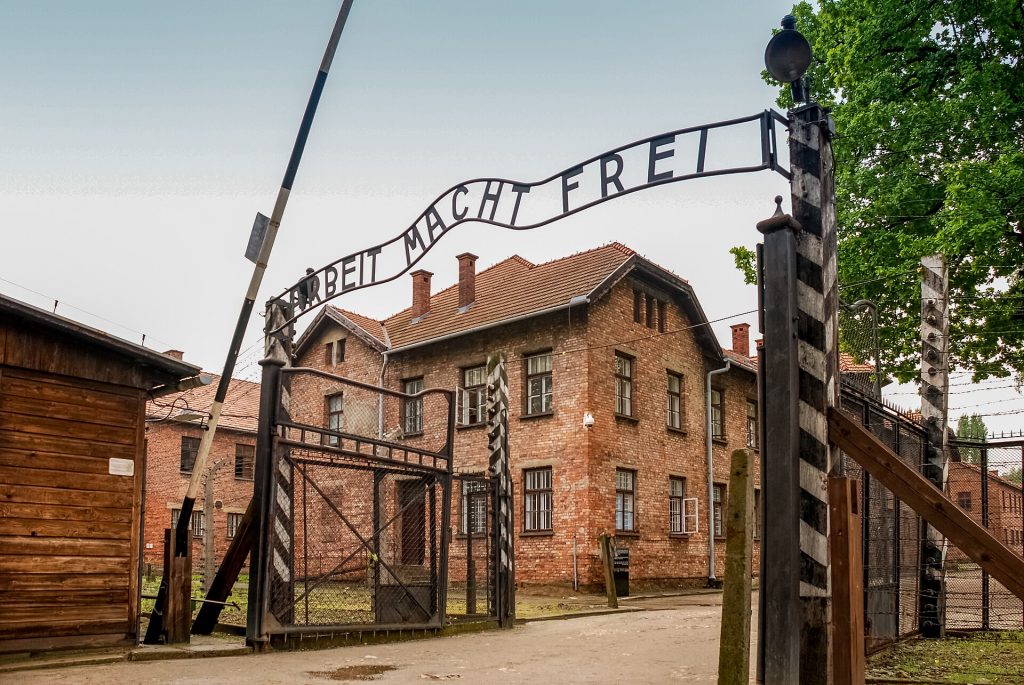
Soviet soldiers reach the largest of the Nazi killing centres. They find around 7,000 prisoners left behind, most of them sick or dying.
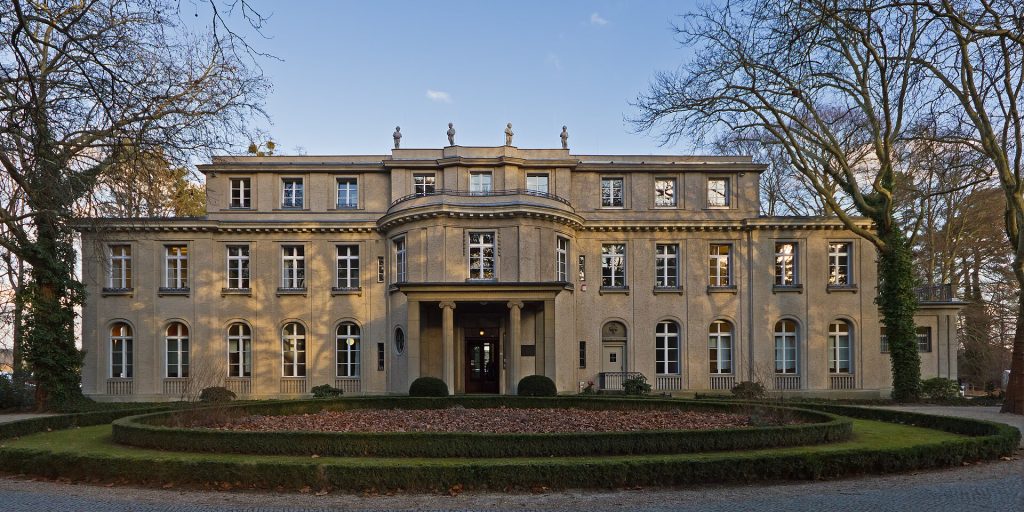
In a lakeside villa outside Berlin, senior Nazi officials meet for around ninety minutes to coordinate the murder of the Jews of Europe.
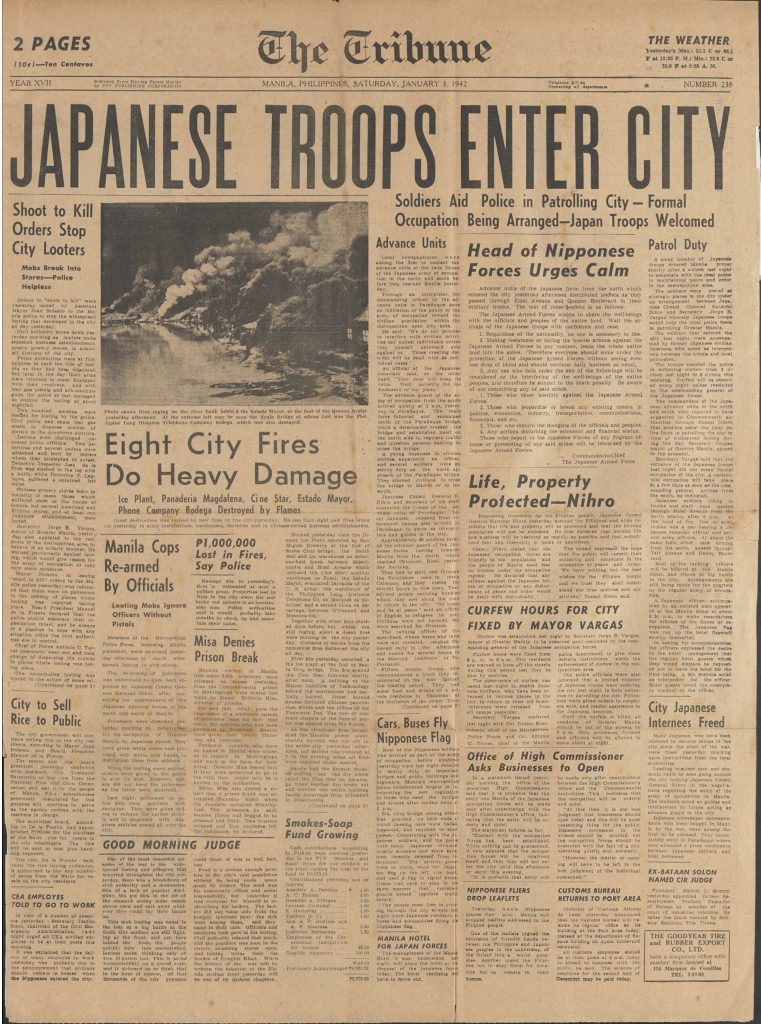
Declared an open city to spare it from destruction, the Philippine capital is occupied by the Japanese army as American and Filipino forces fall back to Bataan.
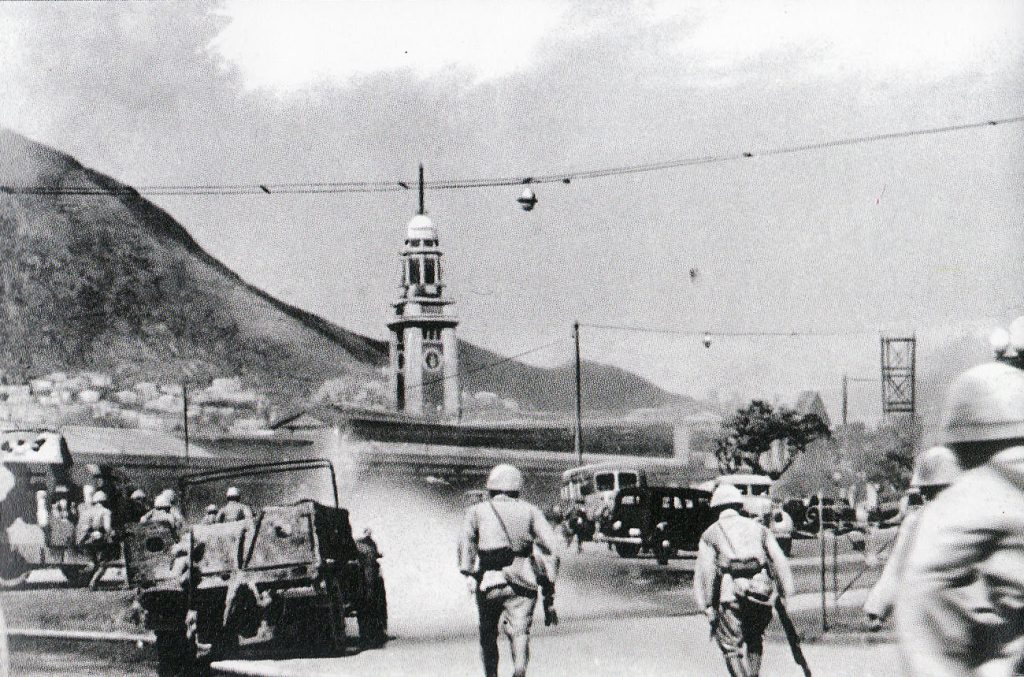
After eighteen days of fighting, the British colony of Hong Kong surrenders to Japan on Christmas Day. Its Commonwealth garrison and civilians face nearly four years of occupation.
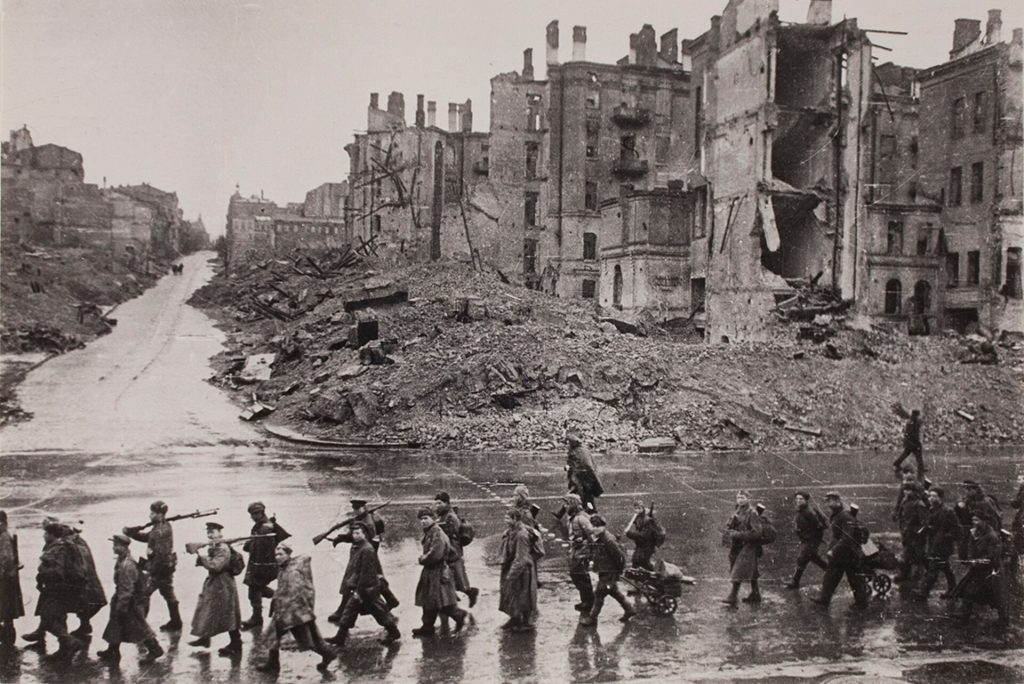
Two years and two months after it fell, the Red Army retakes the Ukrainian capital, on the eve of the anniversary of the October Revolution.
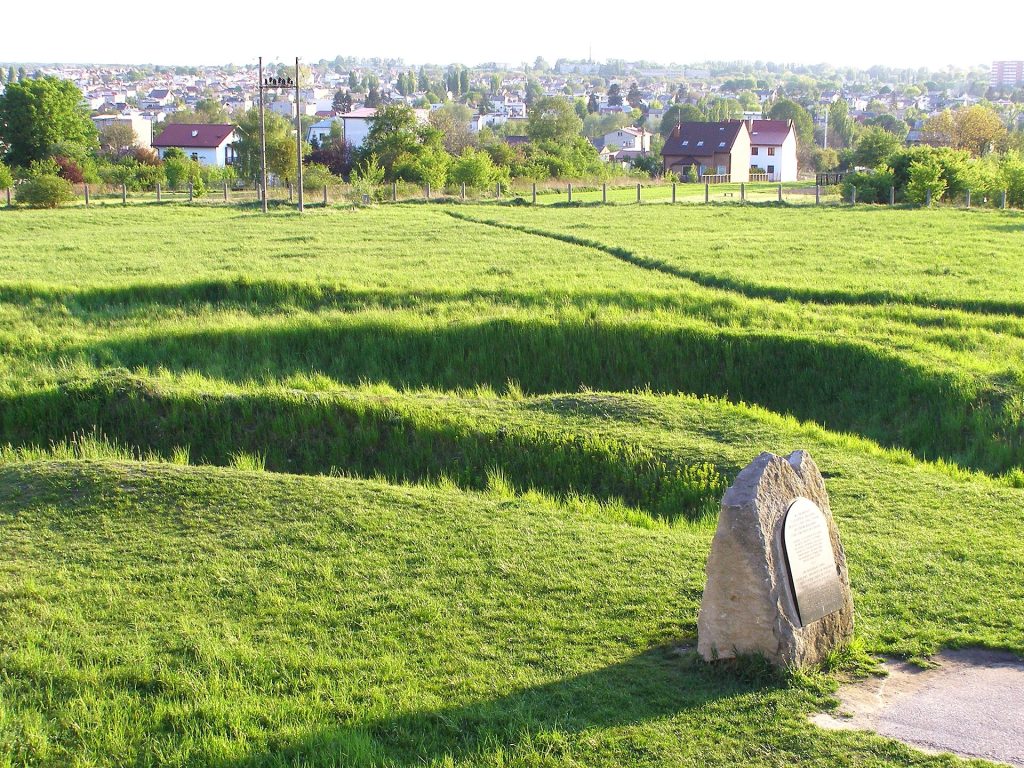
Over two days in the Lublin district of occupied Poland, SS and police units murder around 42,000 Jewish prisoners. It is one of the largest single massacres of the Holocaust.
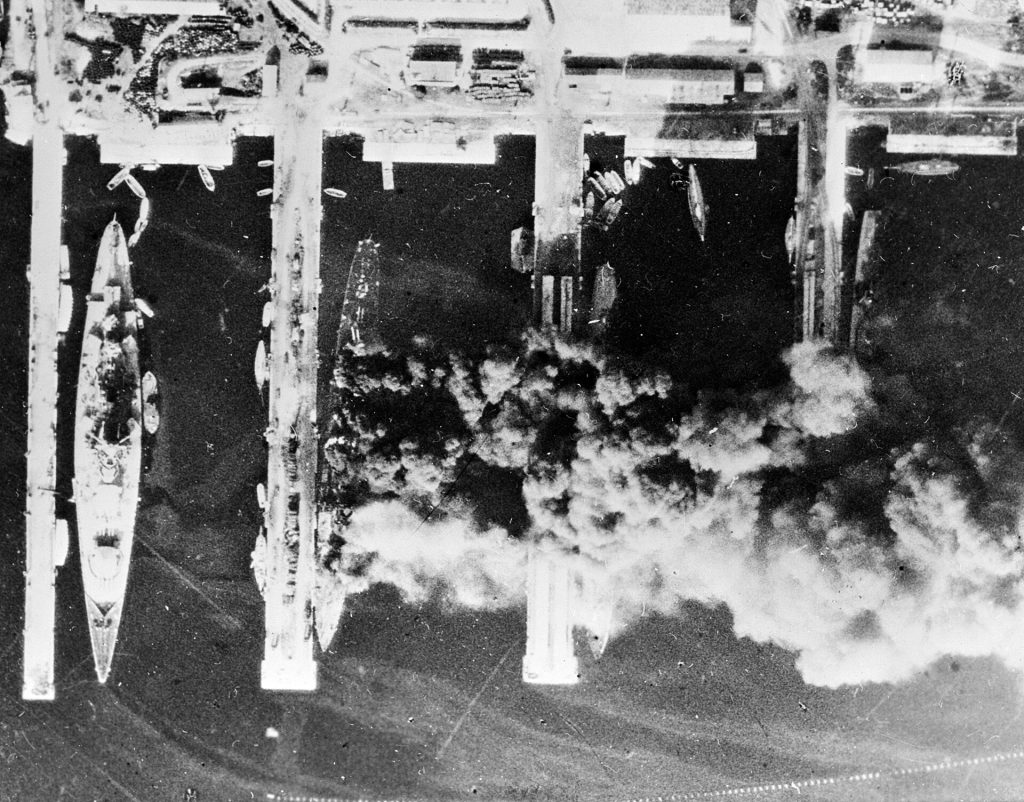
As German troops burst into the naval base, French crews open the sea cocks and set charges. In a few hours most of the French fleet is on the bottom of Toulon harbour.
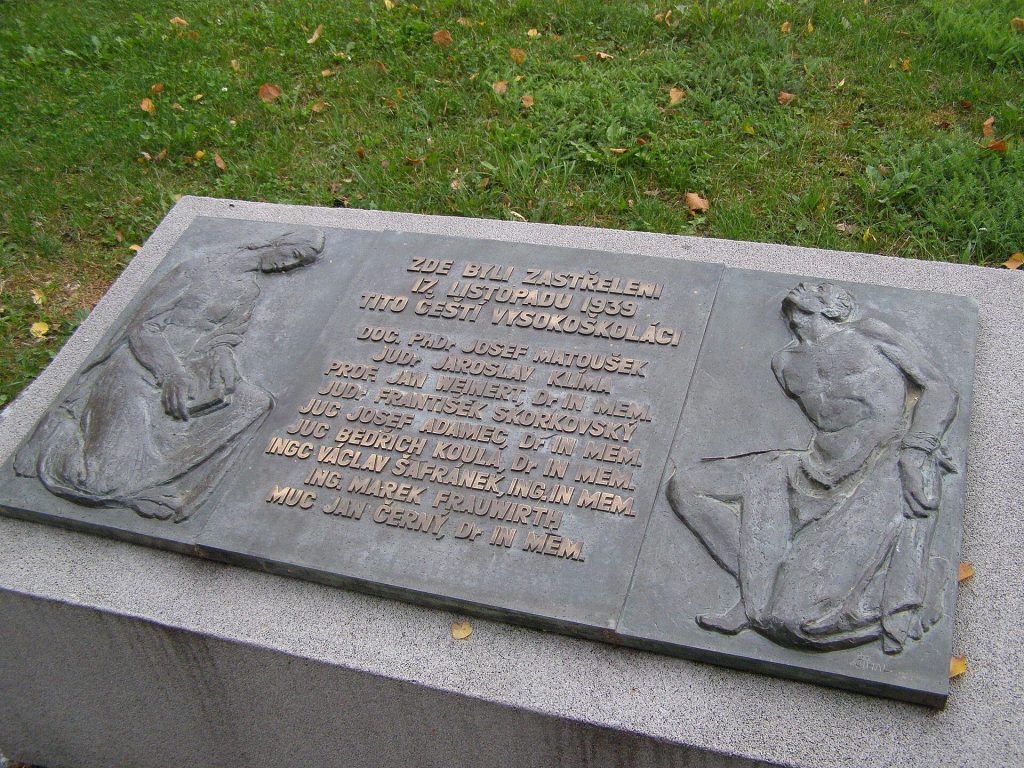
Nazi forces storm Czech university residences, execute nine students and staff without trial and send more than a thousand to a concentration camp. The date becomes International Students’ Day.
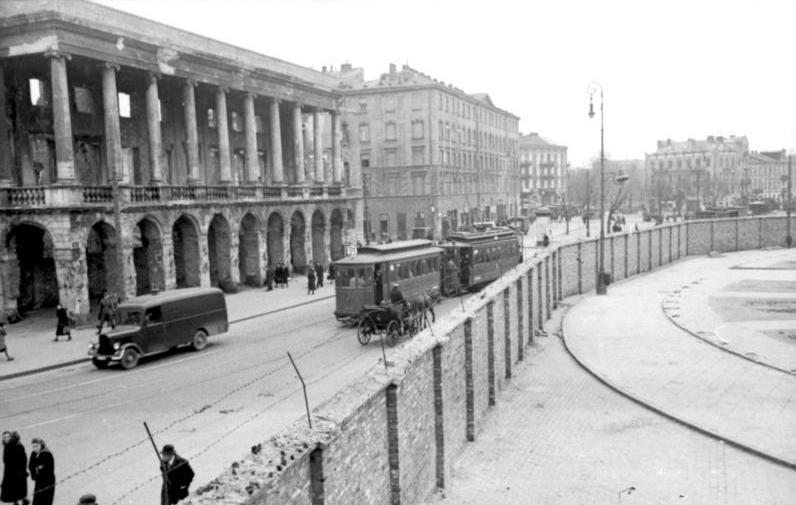
German authorities close the gates on the largest Jewish ghetto in occupied Europe, trapping some 400,000 people behind walls in a small fraction of the city.
 United Kingdom
 United States
 Soviet Union
 Germany
 Japan
 France
 Poland
 South Africa