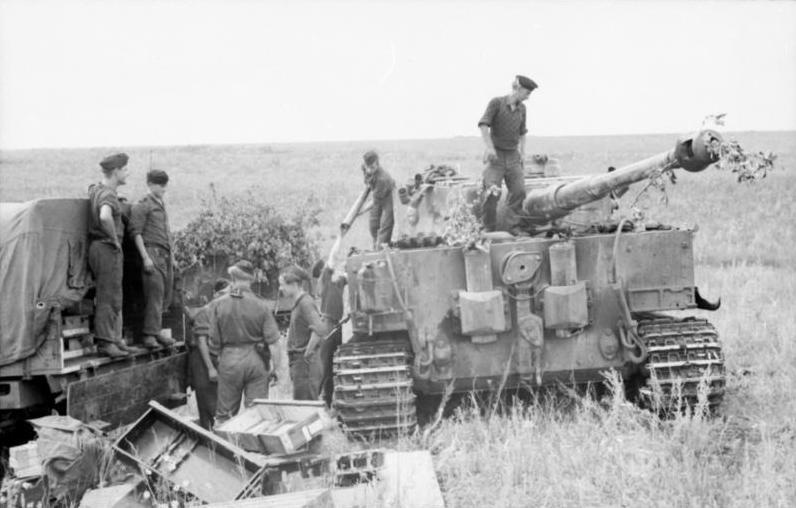
5 July 1943: The Battle of Kursk
Germany launches its last great offensive in the east against the Kursk salient. The Red Army, warned in advance, is waiting behind the deepest defences of the war.
The war between Germany and the Soviet Union, the largest land conflict in history.
Germany launches its last great offensive in the east against the Kursk salient. The Red Army, warned in advance, is waiting behind the deepest defences of the war.
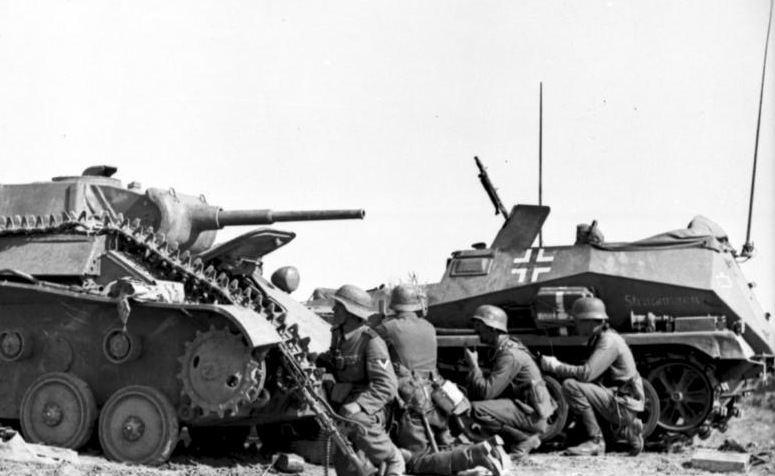
Germany launches its great summer offensive in southern Russia. The goal is the oil of the Caucasus; the road will lead to Stalingrad.
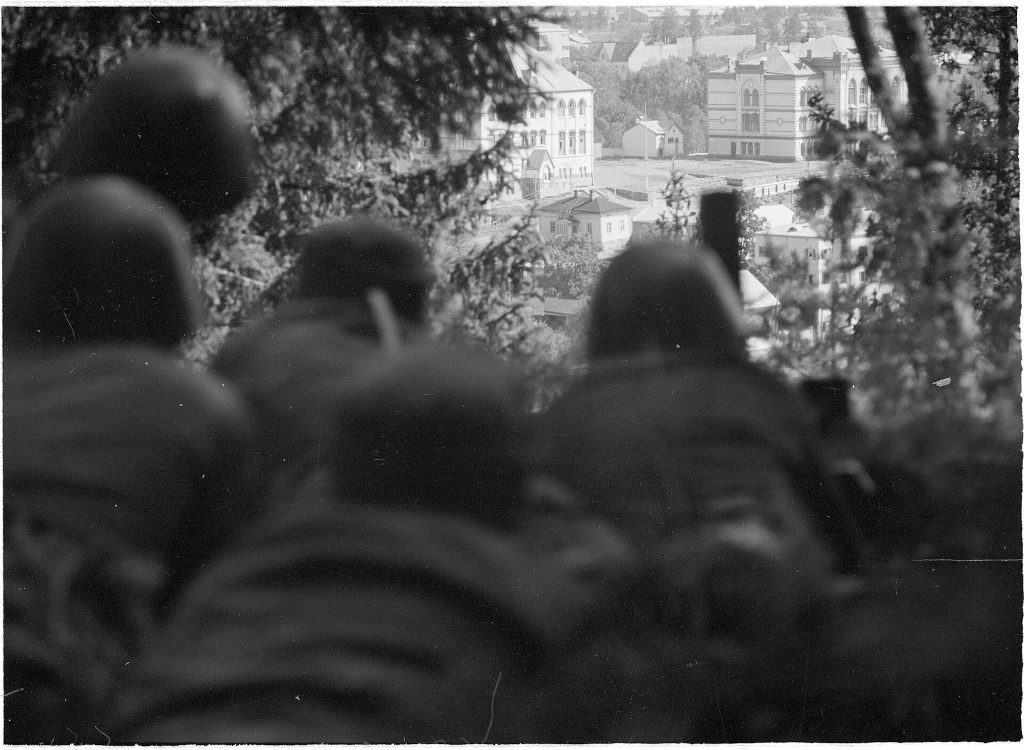
After Soviet bombers strike Finnish towns, Finland declares that it is at war with the Soviet Union again. Finns call it the Continuation War.
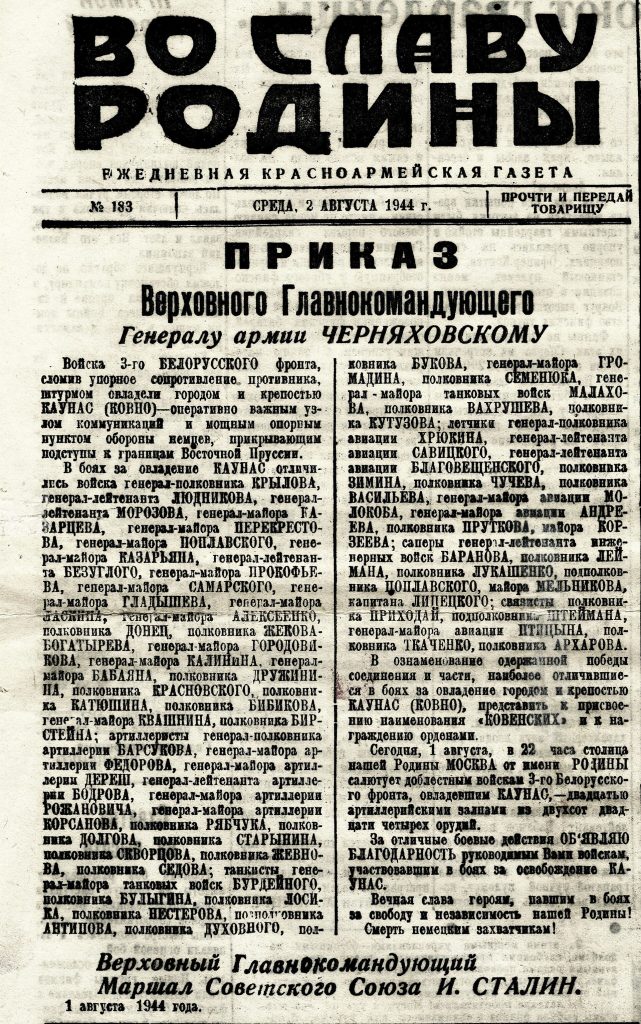
Three years after Barbarossa, the Red Army strikes Army Group Centre in Belarus. Within weeks the German front has disintegrated and Soviet armies are at the gates of Warsaw.
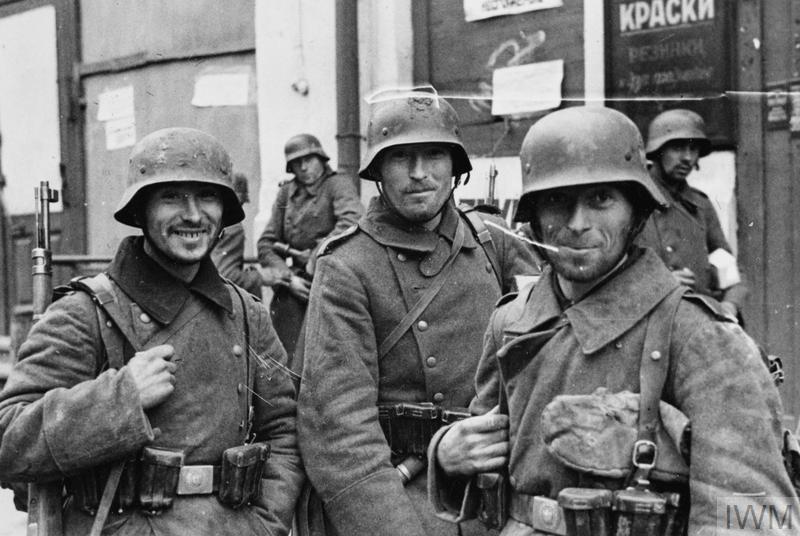
Before dawn, more than three million German and allied soldiers cross into the Soviet Union along a front stretching from the Baltic to the Black Sea. It is the largest invasion in history.
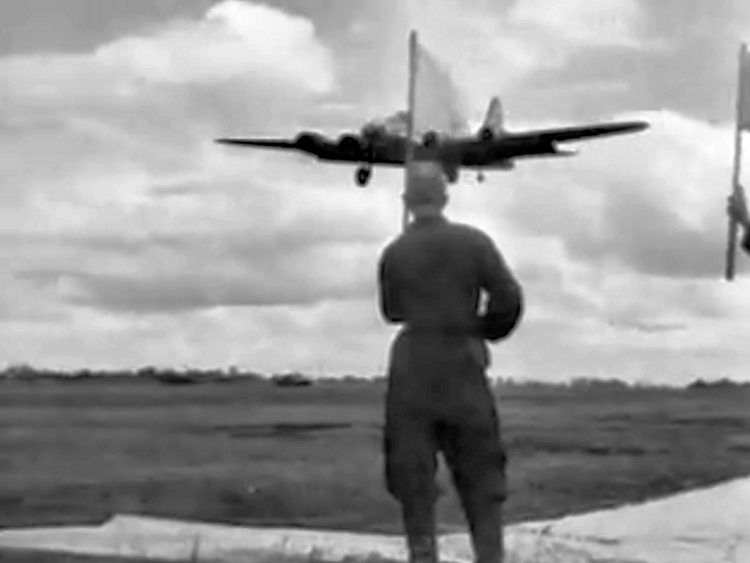
American heavy bombers take off from Italy, attack a target in Hungary and fly on to land at bases inside the Soviet Union. The first shuttle mission has begun.
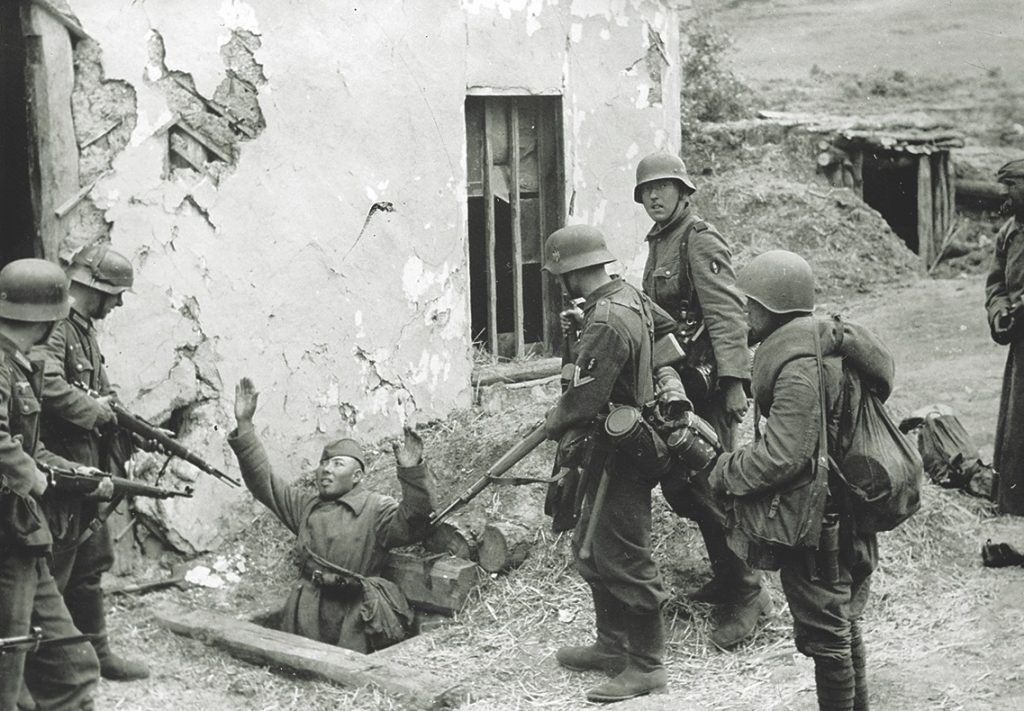
The Red Army launches an ambitious spring offensive to retake Kharkov. Within a week, a German counter-stroke turns it into a disaster.
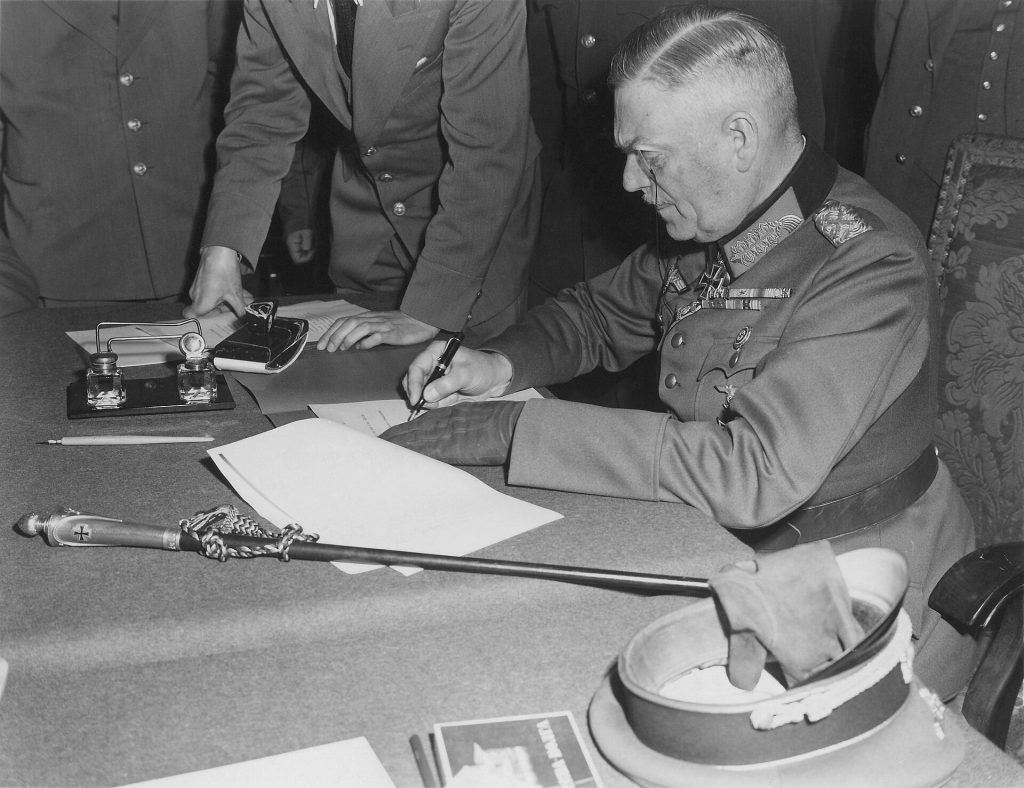
Shortly before midnight in Berlin-Karlshorst, Field Marshal Keitel signs the final surrender before Marshal Zhukov. In Moscow it is already 9 May, and the Soviet Union celebrates victory.
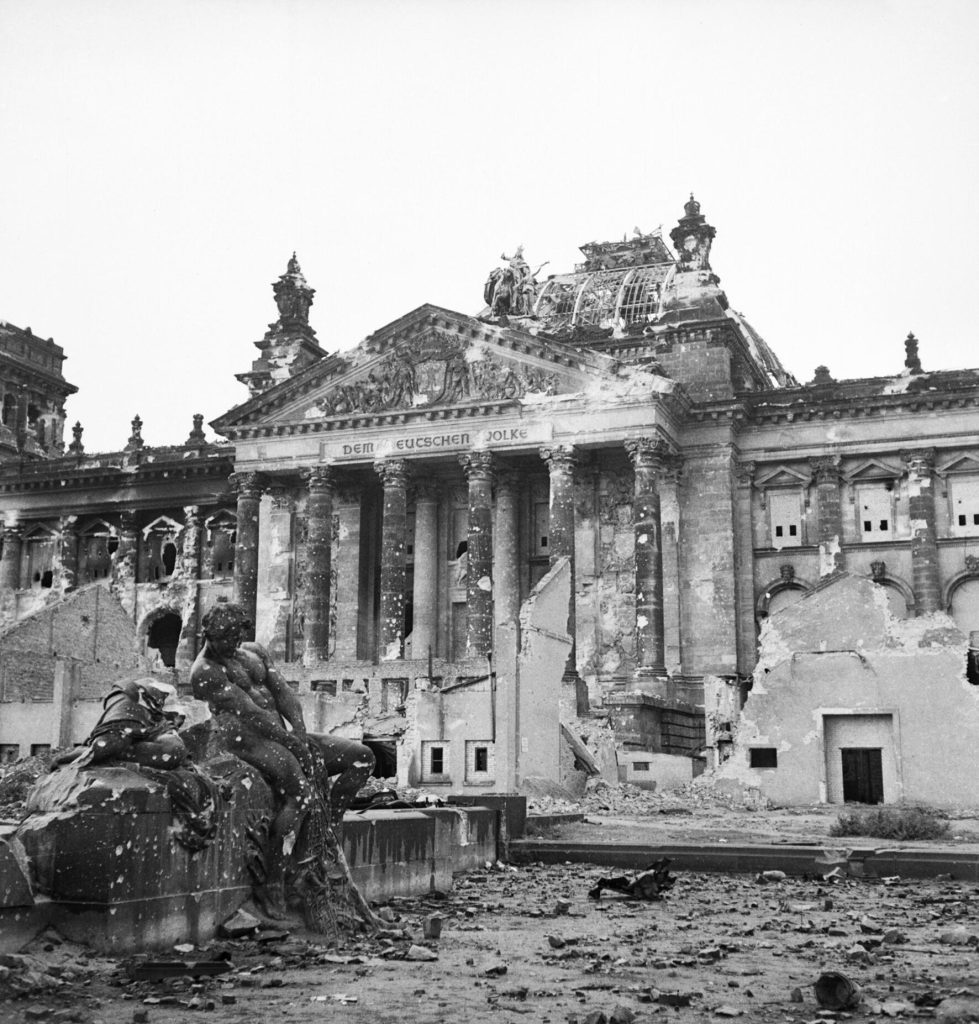
Two days after Hitler’s death, the commander of the Berlin garrison surrenders to the Red Army. The guns fall silent over the ruined capital of the Reich.
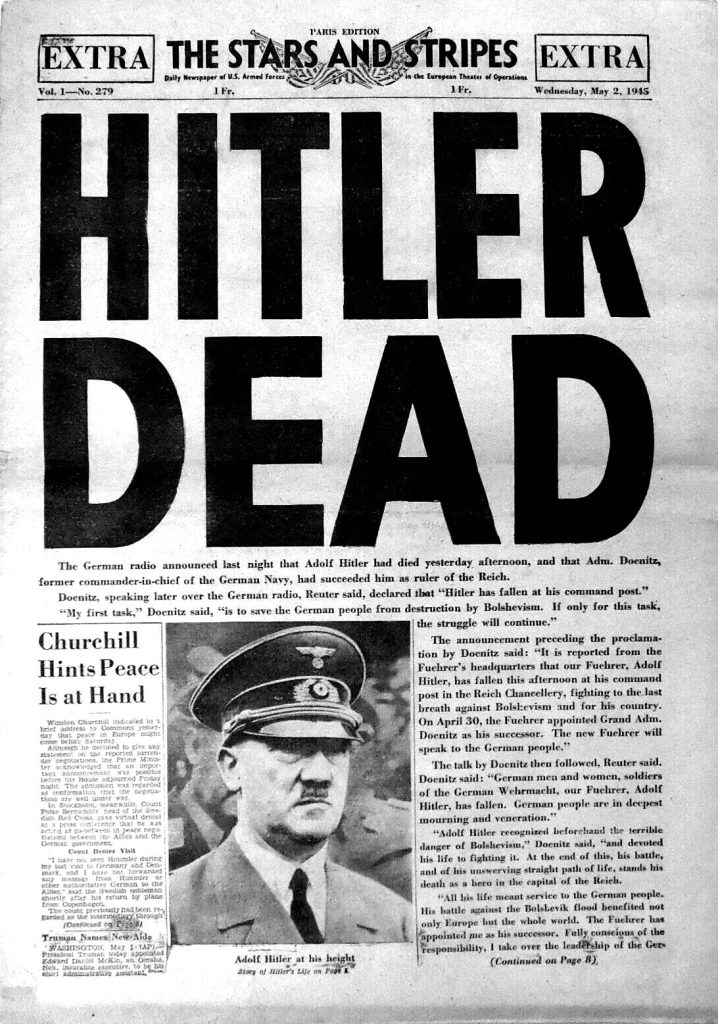
With Soviet troops only a few hundred metres away, Adolf Hitler takes his own life in the bunker beneath the Reich Chancellery.
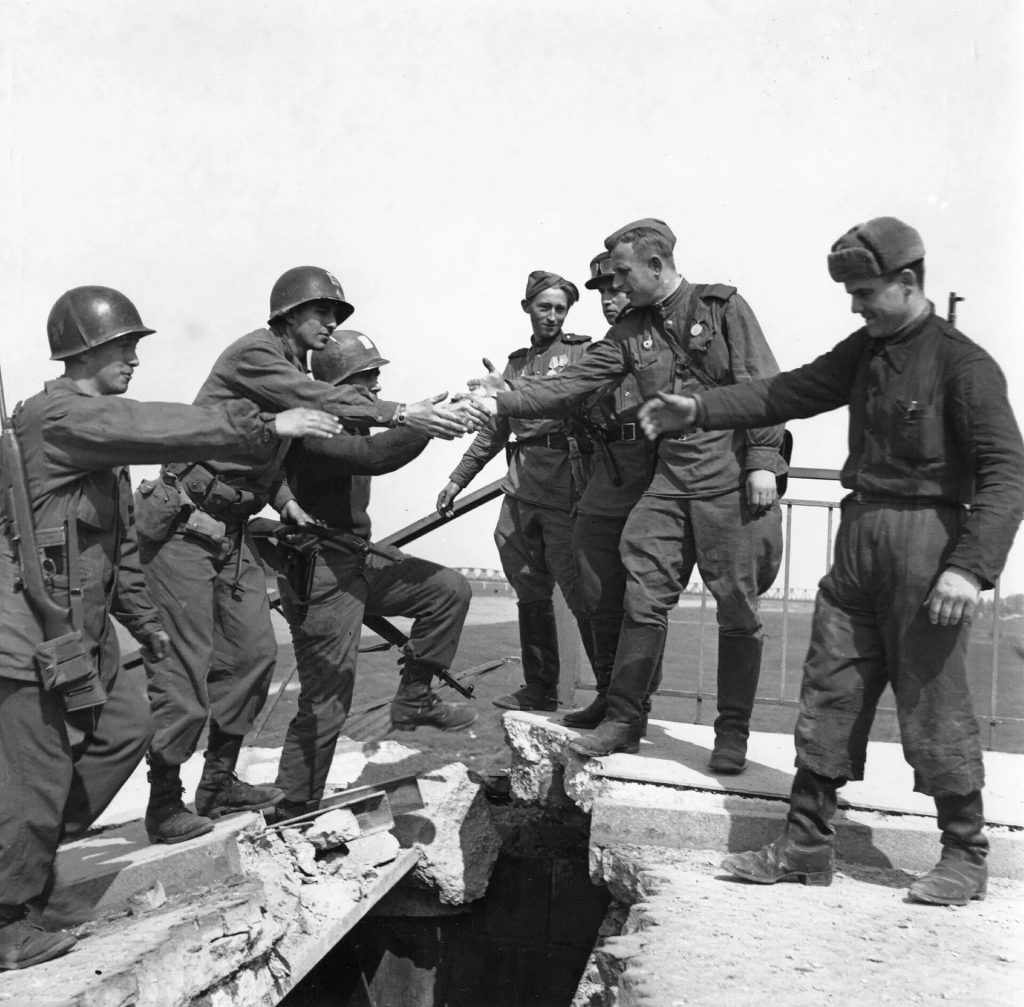
American patrols meet Soviet soldiers on the river Elbe, near Torgau. The armies from east and west have joined, and Germany is cut in two.
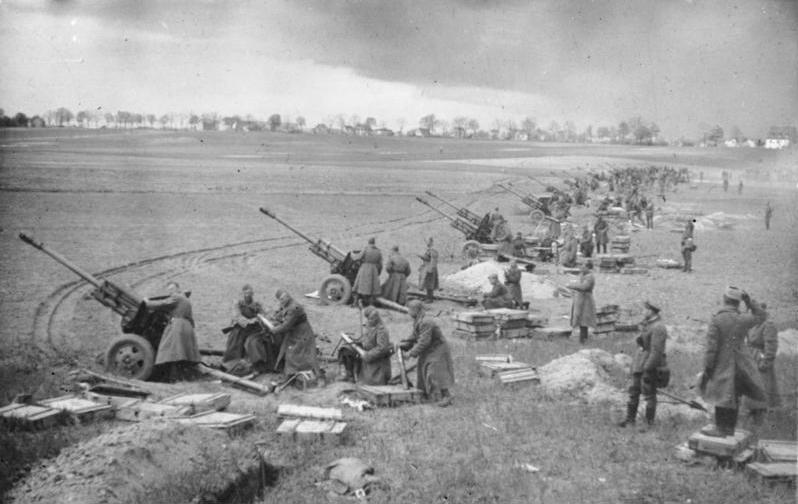
At 03:00, thousands of Soviet guns and searchlights blaze along the Oder. The final offensive on Berlin has begun, but the first obstacle is a line of hills.
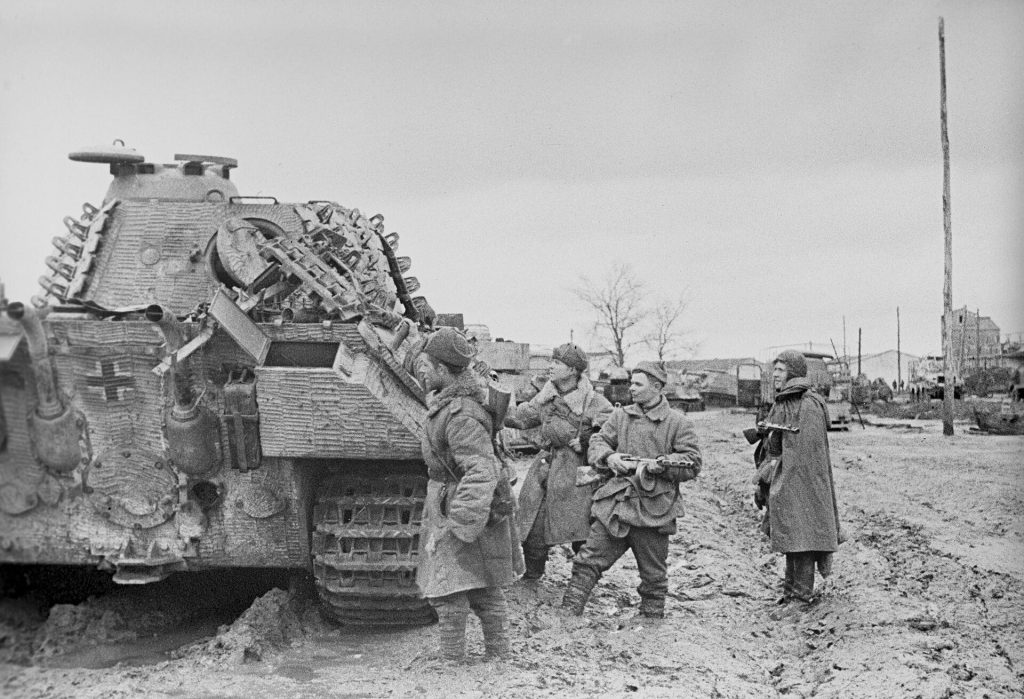
Soviet forces cross the Prut river into Romania. In Moscow, Molotov declares that the Soviet Union has no wish to take Romanian territory or change its social order.
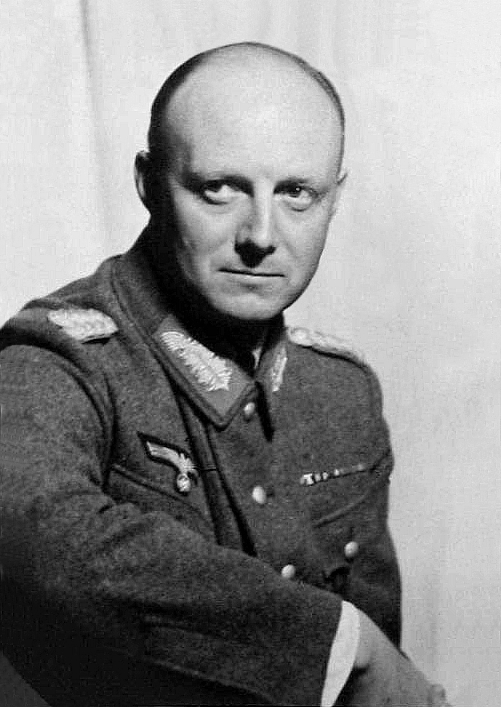
German officers plotting against Hitler smuggle a bomb disguised as bottles of brandy onto his aircraft at Smolensk. It flies all the way to East Prussia and never explodes.
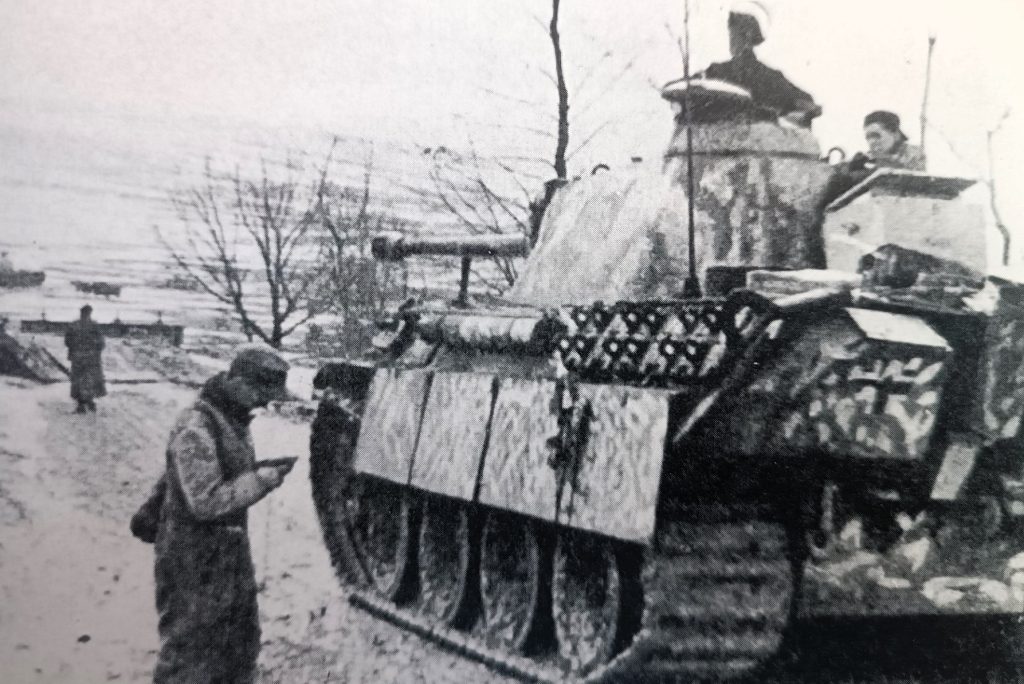
Germany launches its last major offensive of the war, around Lake Balaton in Hungary, to protect its final source of oil. Within ten days it has failed.
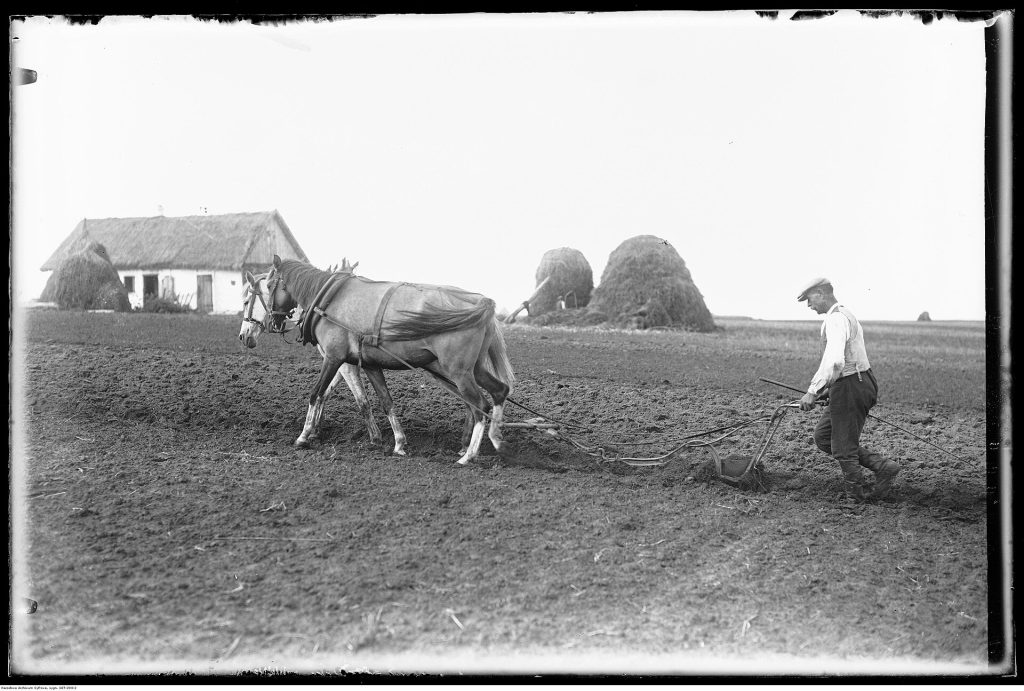
Before dawn, in bitter frost, Soviet security troops begin rounding up Polish families in the occupied east. They are loaded onto freight trains bound for Siberia and the far north.
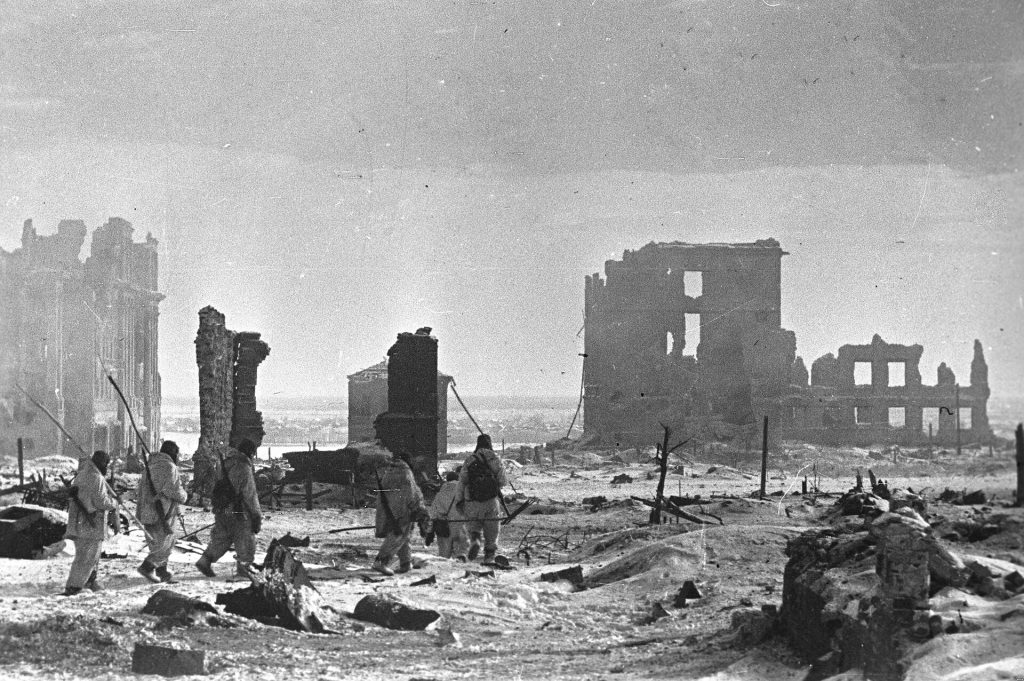
The last German troops in the northern ruins of Stalingrad lay down their arms. After more than five months, one of the most destructive battles in history is over.
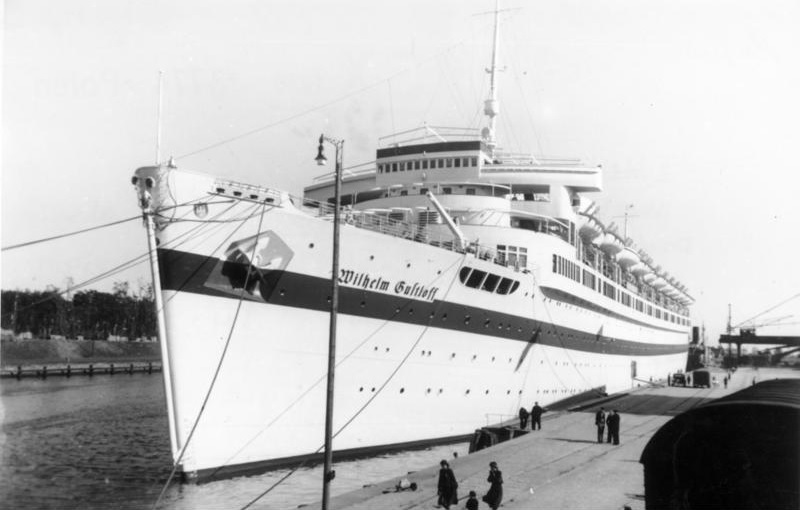
A Soviet submarine torpedoes an overcrowded German liner carrying refugees and military personnel from East Prussia. It is the deadliest sinking of a single ship in history.
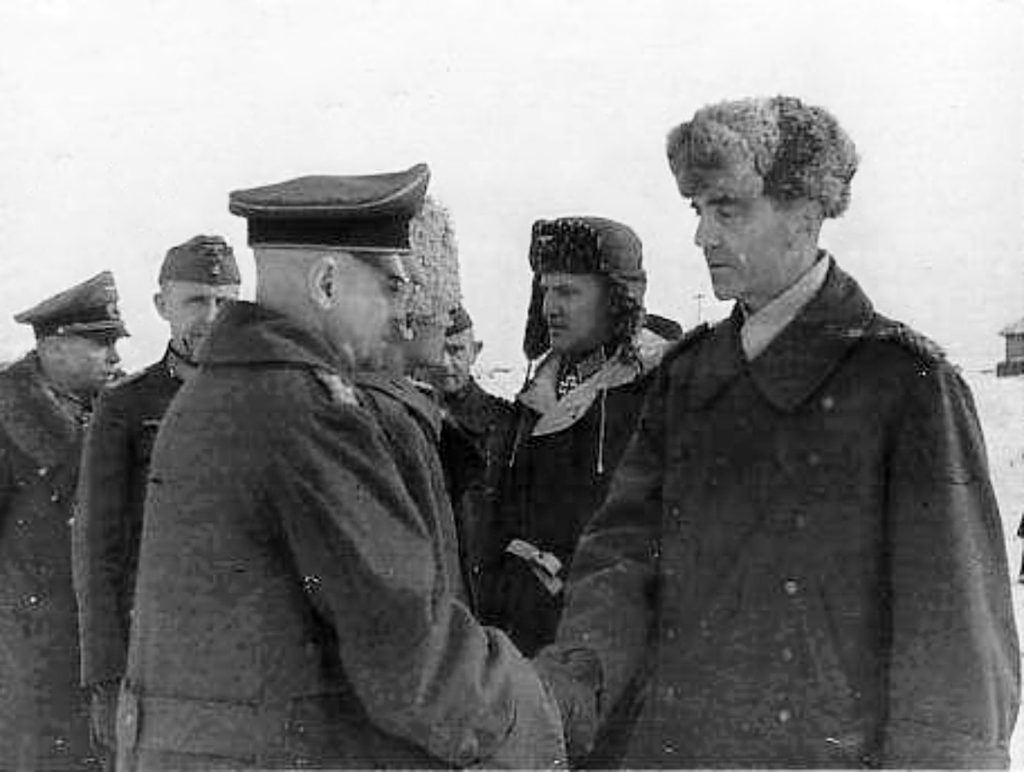
A day after Hitler promotes him to field marshal, expecting him to fight to the death, Friedrich Paulus is taken prisoner in the basement of a ruined department store.
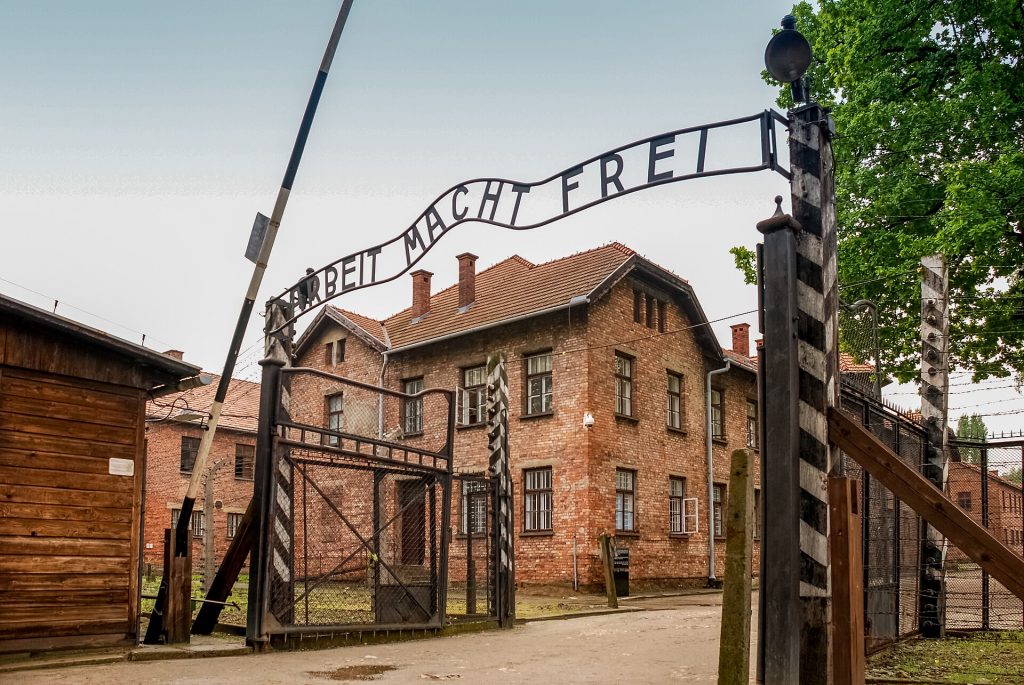
Soviet soldiers reach the largest of the Nazi killing centres. They find around 7,000 prisoners left behind, most of them sick or dying.
 United Kingdom
 United States
 Soviet Union
 Germany
 Japan
 France
 Poland
 South Africa