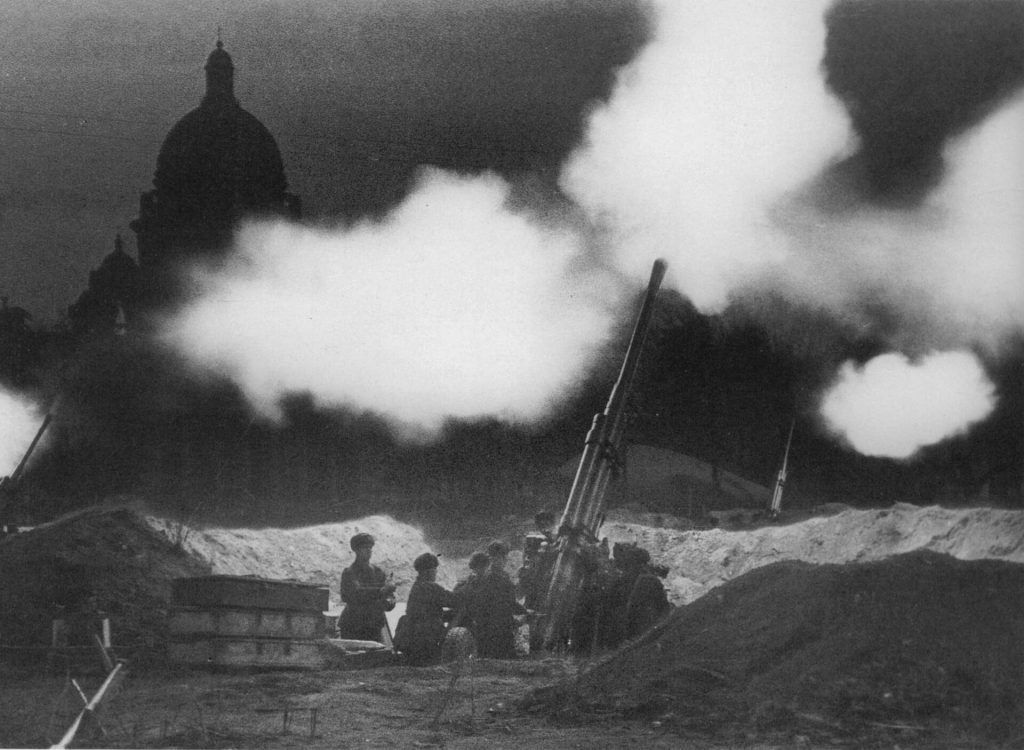
18 January 1943: A Corridor to Leningrad
Soldiers of the Leningrad and Volkhov fronts meet south of Lake Ladoga. After nearly 500 days, a land link to the besieged city is open.
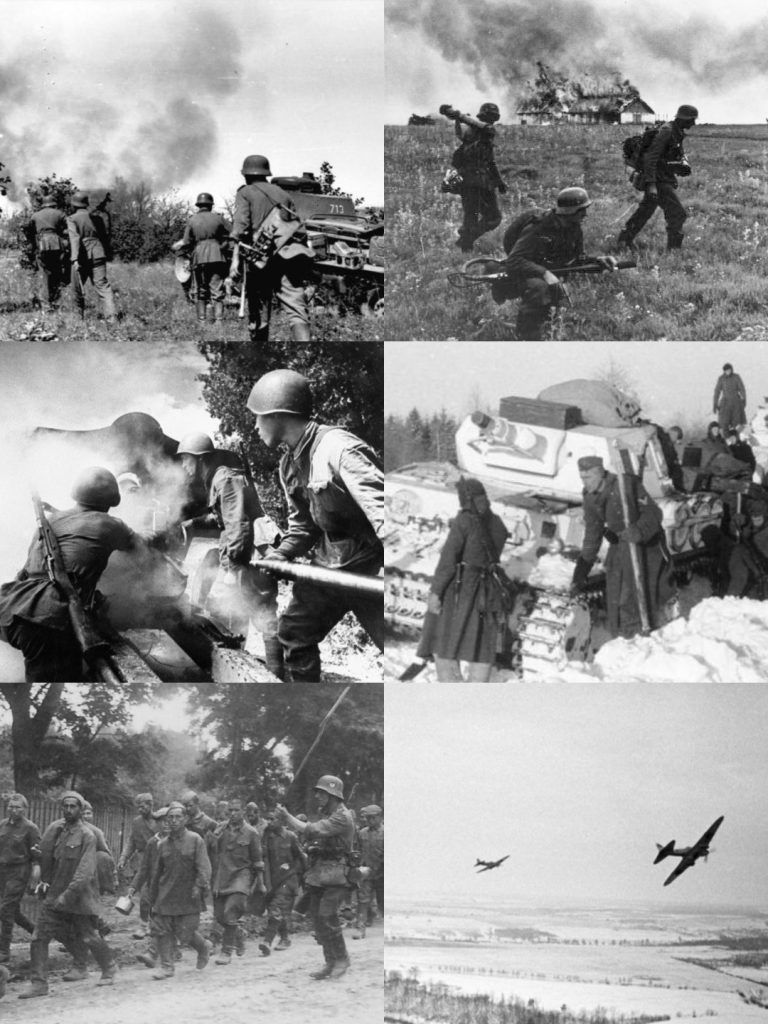
The war between Germany and the Soviet Union, the largest land conflict in history.
Soldiers of the Leningrad and Volkhov fronts meet south of Lake Ladoga. After nearly 500 days, a land link to the besieged city is open.
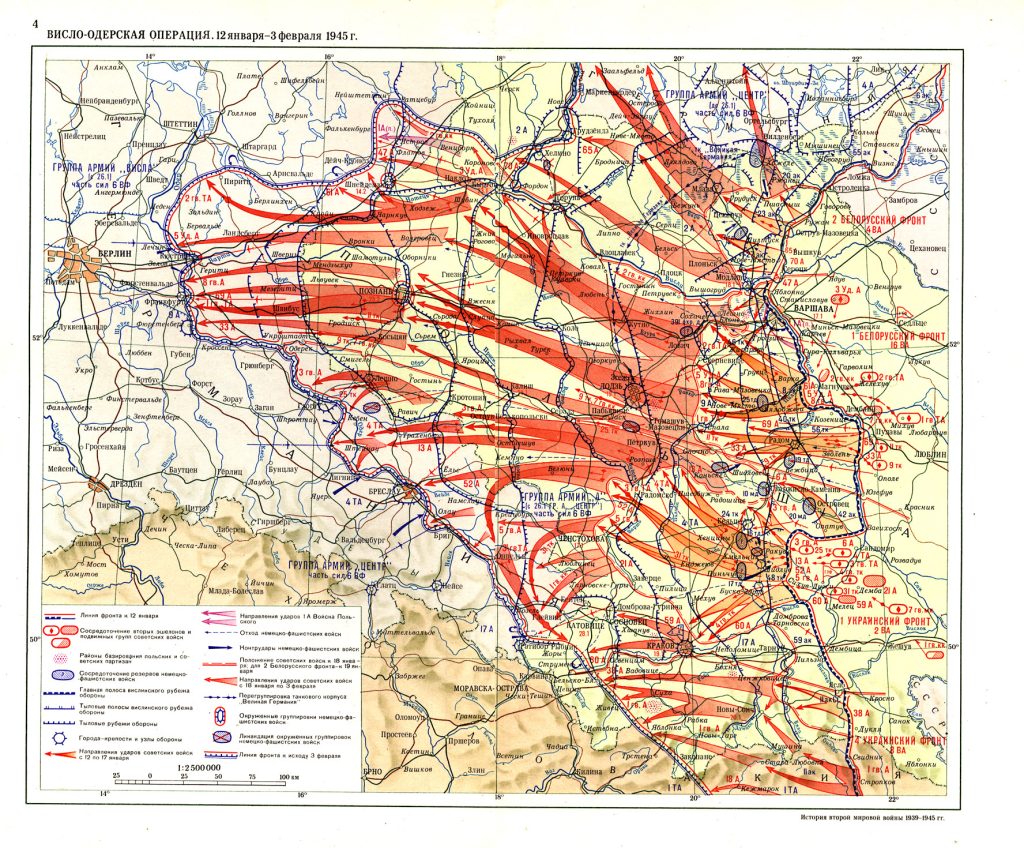
From its bridgeheads on the Vistula, the Red Army launches its greatest offensive of the war. In three weeks it will advance hundreds of kilometres to the Oder, within striking distance of Berlin.
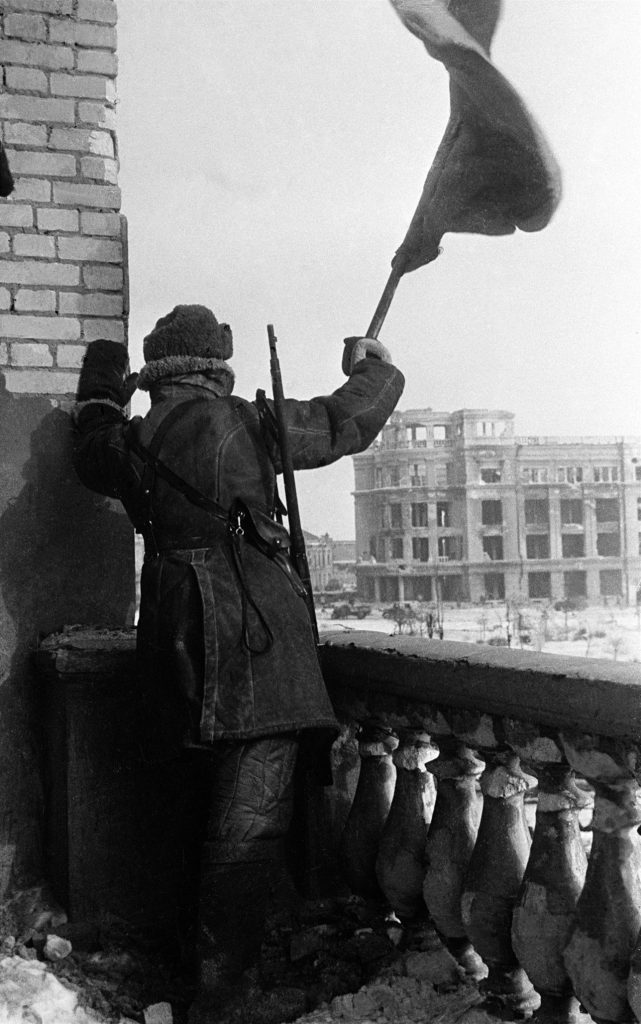
Paulus has rejected the call to surrender. At dawn, thousands of Soviet guns open fire on the starving German Sixth Army trapped at Stalingrad.
Hitler signs the order for Operation Barbarossa: the German armed forces must be ready to crush the Soviet Union in a rapid campaign, even before Britain is defeated.
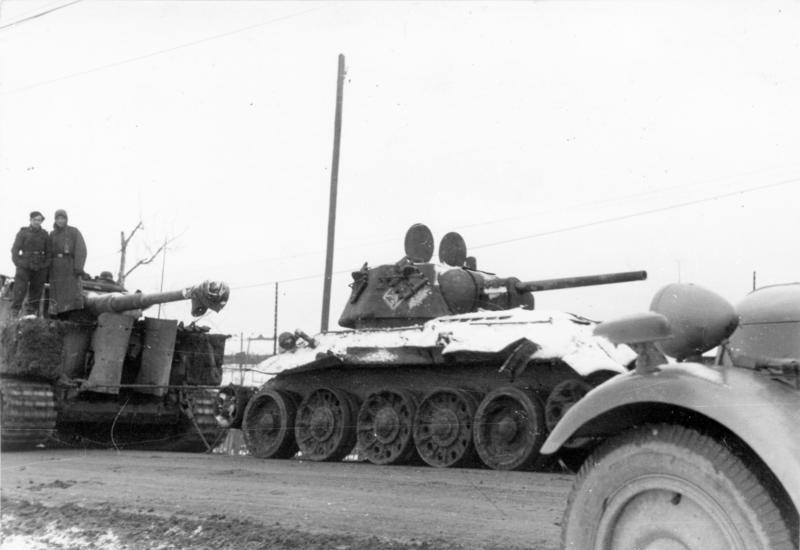
Field Marshal von Manstein launches a desperate attempt to break through to the German Sixth Army trapped at Stalingrad. His panzers get within about 50 kilometres, and no closer.
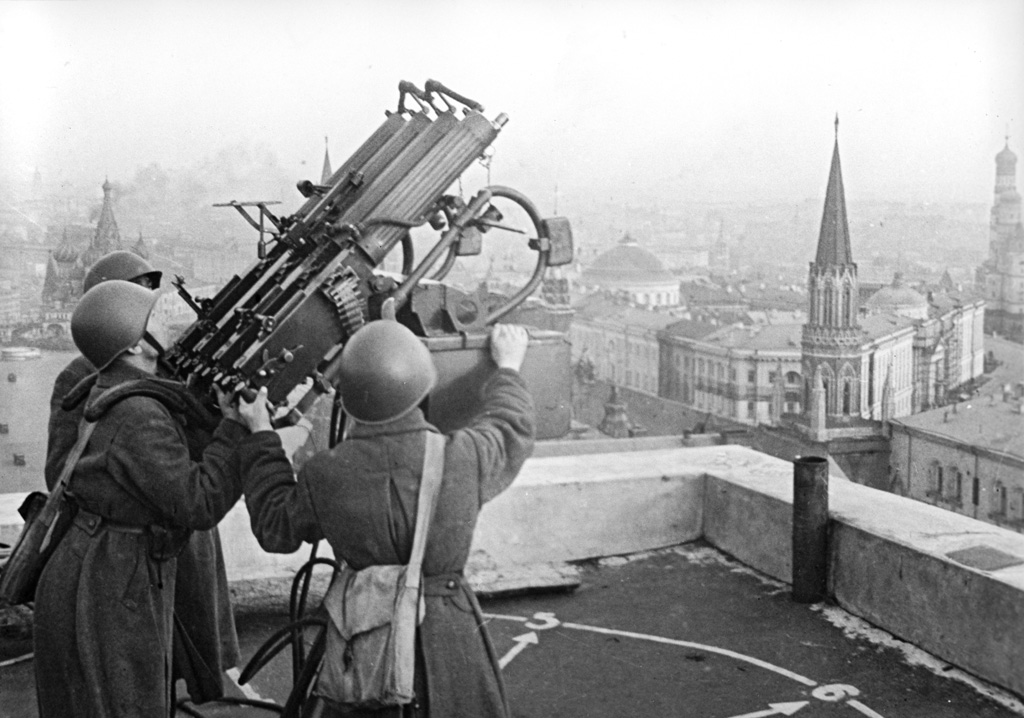
In temperatures far below freezing, the Red Army launches a surprise counter-offensive against the exhausted German armies outside Moscow. For the first time, the Wehrmacht is thrown back.
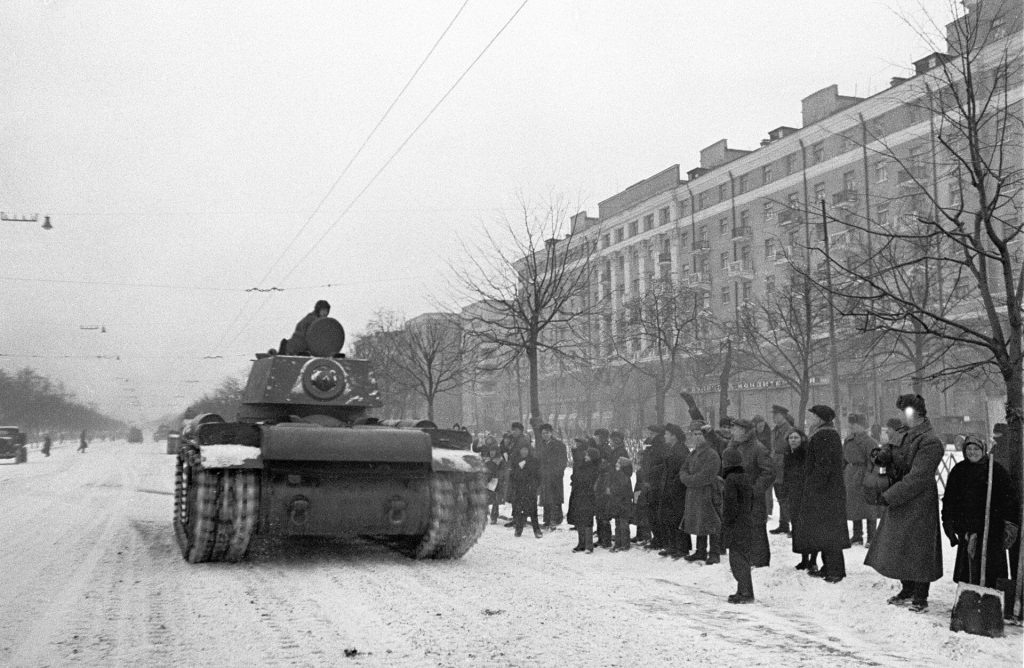
With German armies less than a hundred kilometres away, Stalin stages the traditional revolution parade in Moscow. The troops march past the Kremlin and straight on to the front.
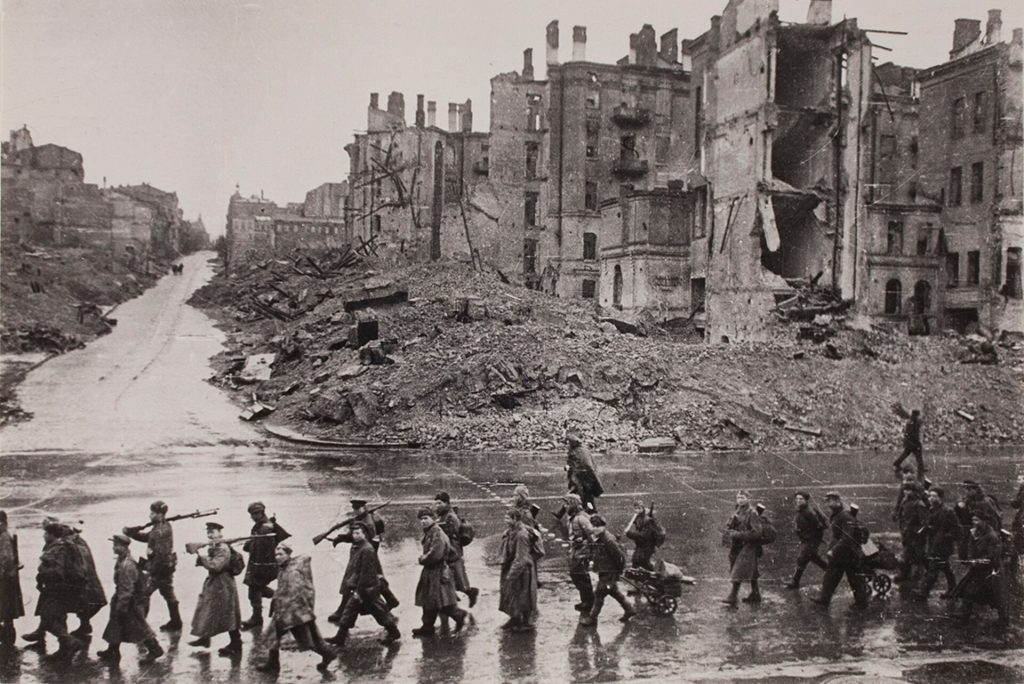
Two years and two months after it fell, the Red Army retakes the Ukrainian capital, on the eve of the anniversary of the October Revolution.
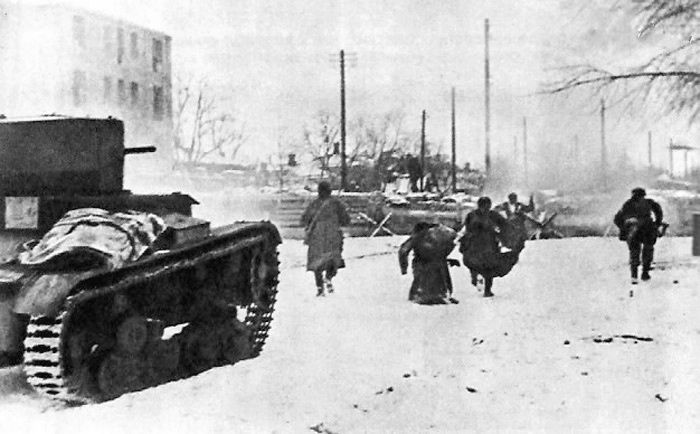
German panzers seize Rostov-on-Don, the gateway to the Caucasus. A week later they are thrown out, the first time in the war a major German army is forced into a strategic retreat.
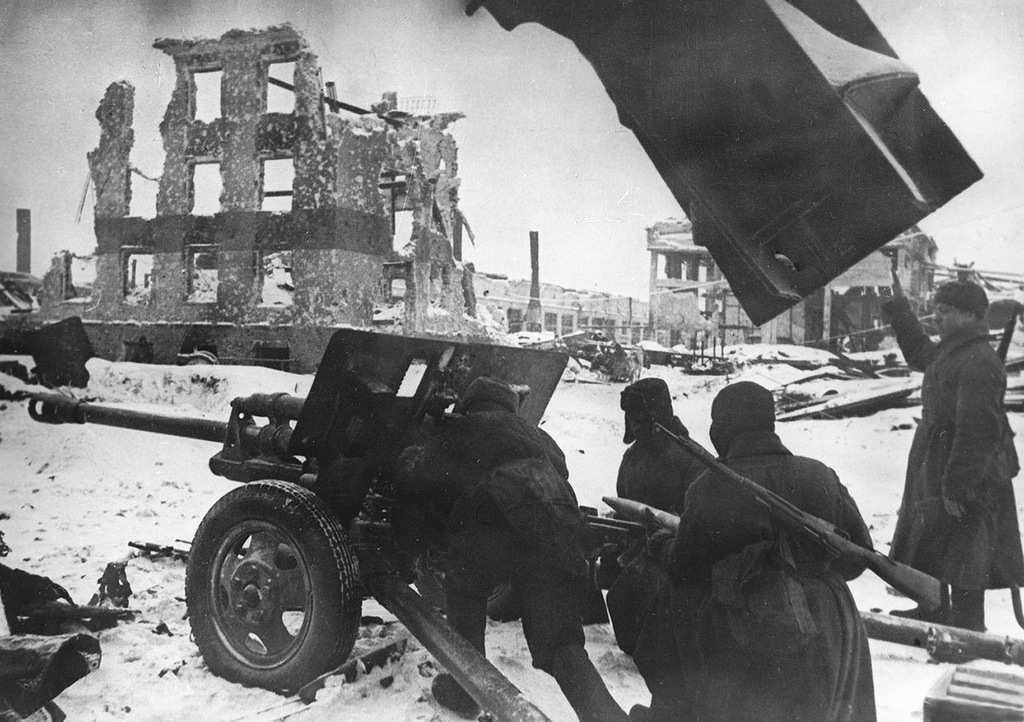
Out of freezing fog, Soviet armies smash through the weak Romanian flanks north and south of Stalingrad. Within four days the German Sixth Army is surrounded.
 United Kingdom
 United States
 Soviet Union
 Germany
 Japan
 France
 Poland
 South Africa