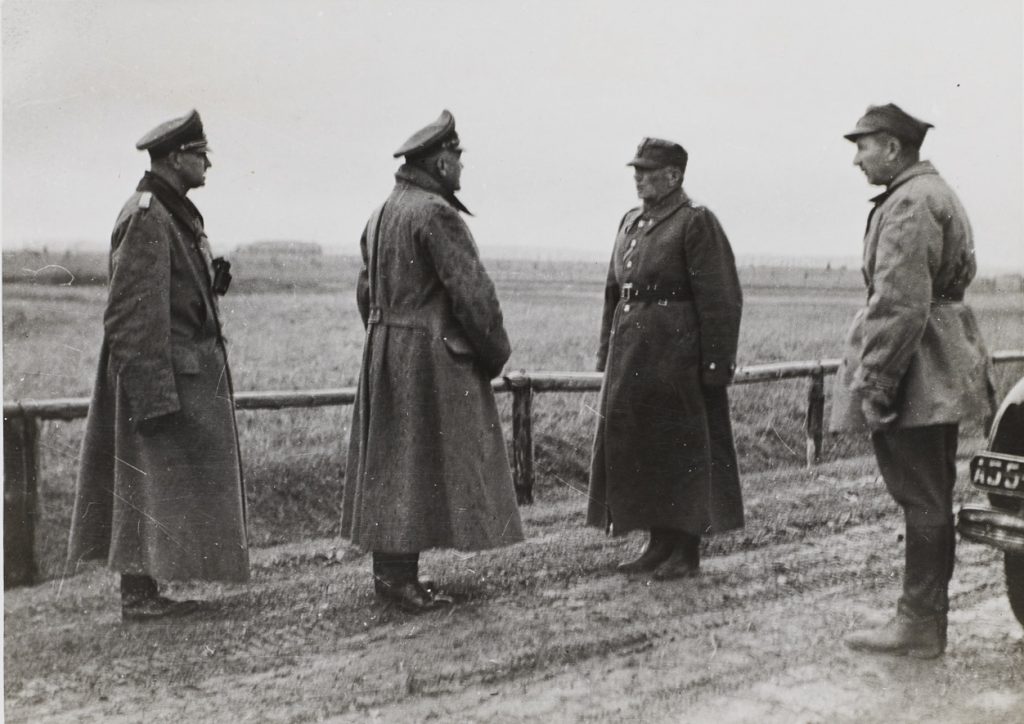
6 October 1939: The Last Battle of the Polish Campaign
Out of ammunition after four days of fighting near Kock, General Franciszek Kleeberg surrenders the last Polish field army. The September campaign is over.
The war between Germany and the Soviet Union, the largest land conflict in history.
Out of ammunition after four days of fighting near Kock, General Franciszek Kleeberg surrenders the last Polish field army. The September campaign is over.
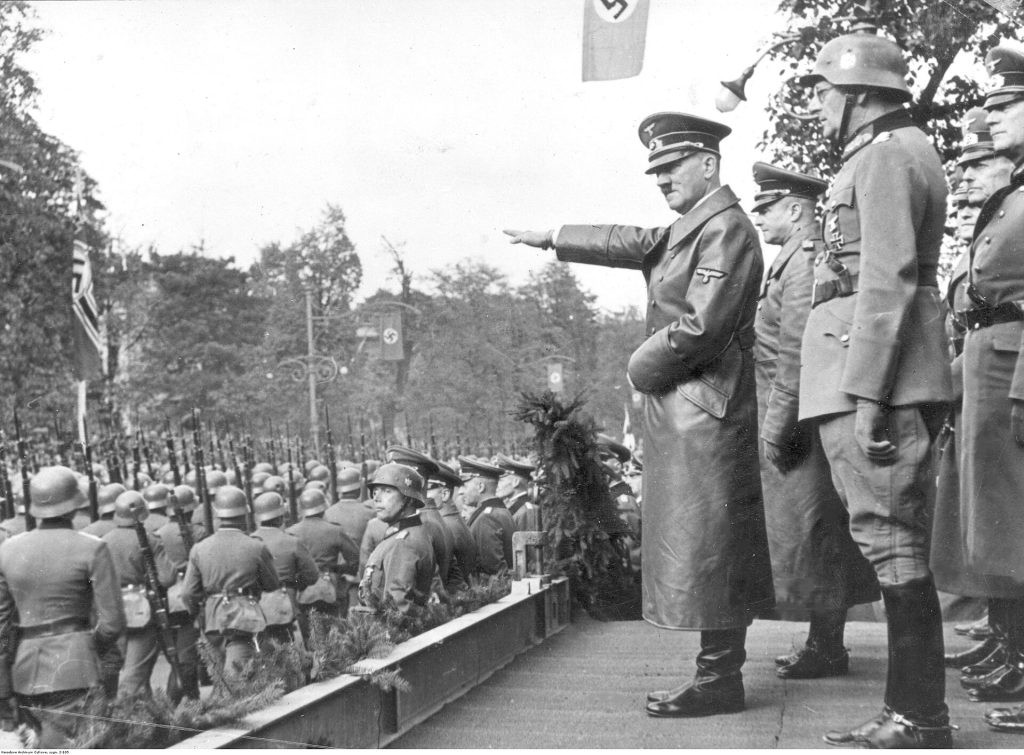
A week after Warsaw’s surrender, Hitler flies to the city to take a victory parade of German troops. To foreign journalists, he has a message: look at Warsaw.

After 63 days, the Home Army signs the capitulation of Warsaw. Its fighters go into captivity as prisoners of war. Hitler orders the city to be wiped off the map.
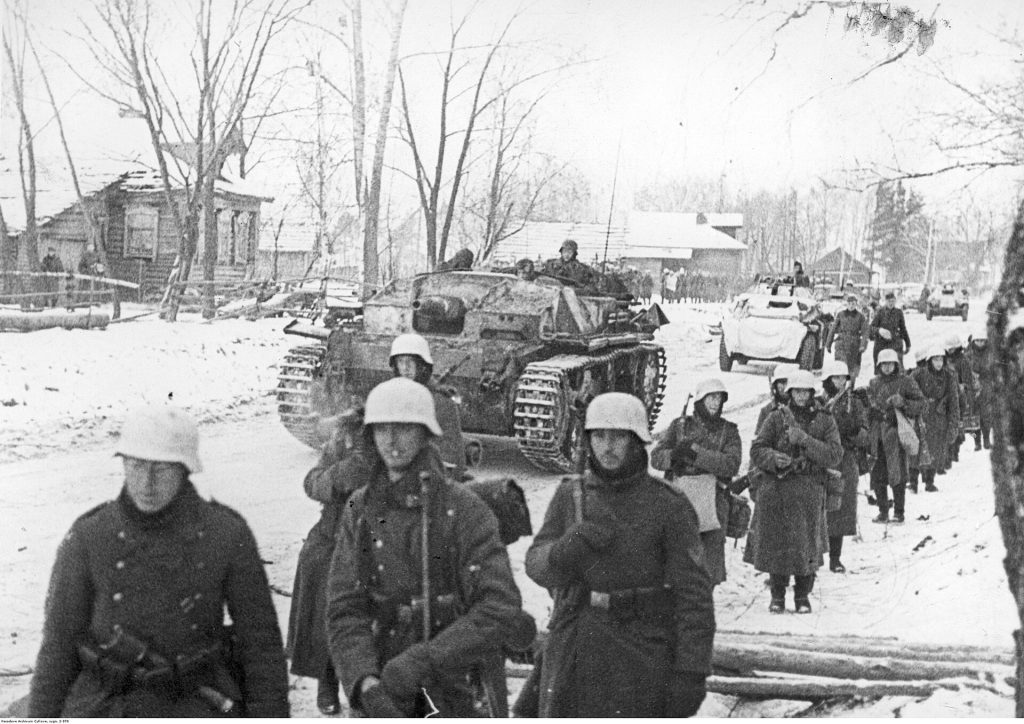
Guderian’s panzers strike north-east towards Oryol. Two days later, the rest of Army Group Centre attacks. Hitler’s final offensive against Moscow has begun.
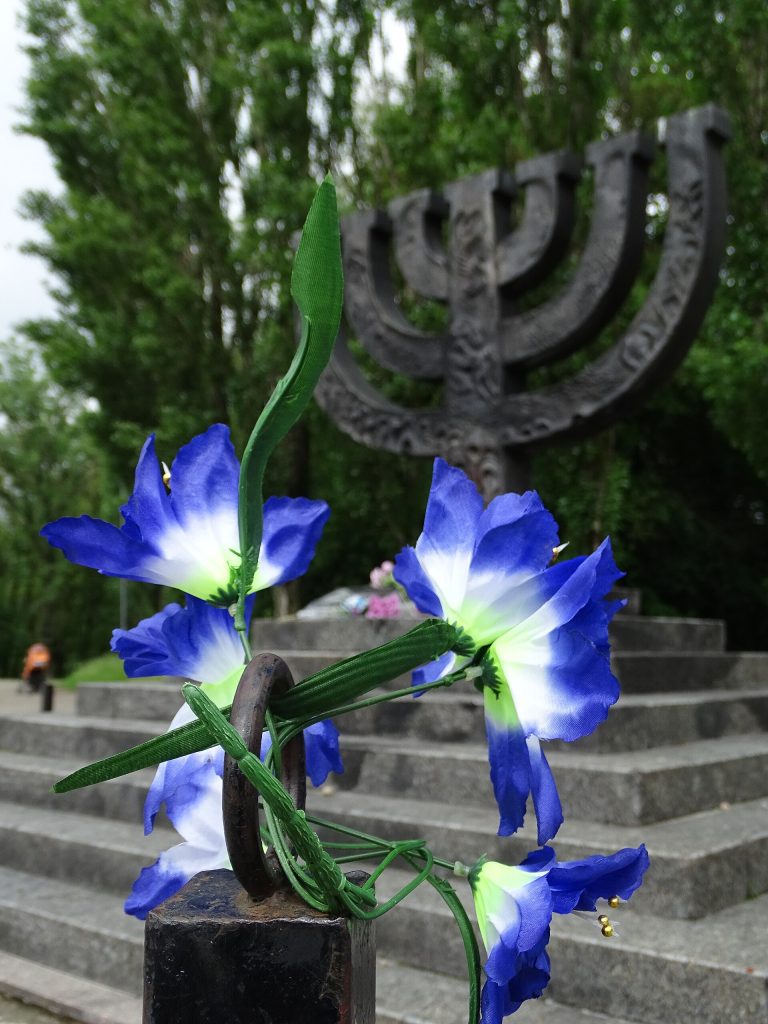
Ordered to assemble with their documents and belongings, the Jews of Kiev are marched to a ravine on the edge of the city. Over two days, 33,771 people are shot.
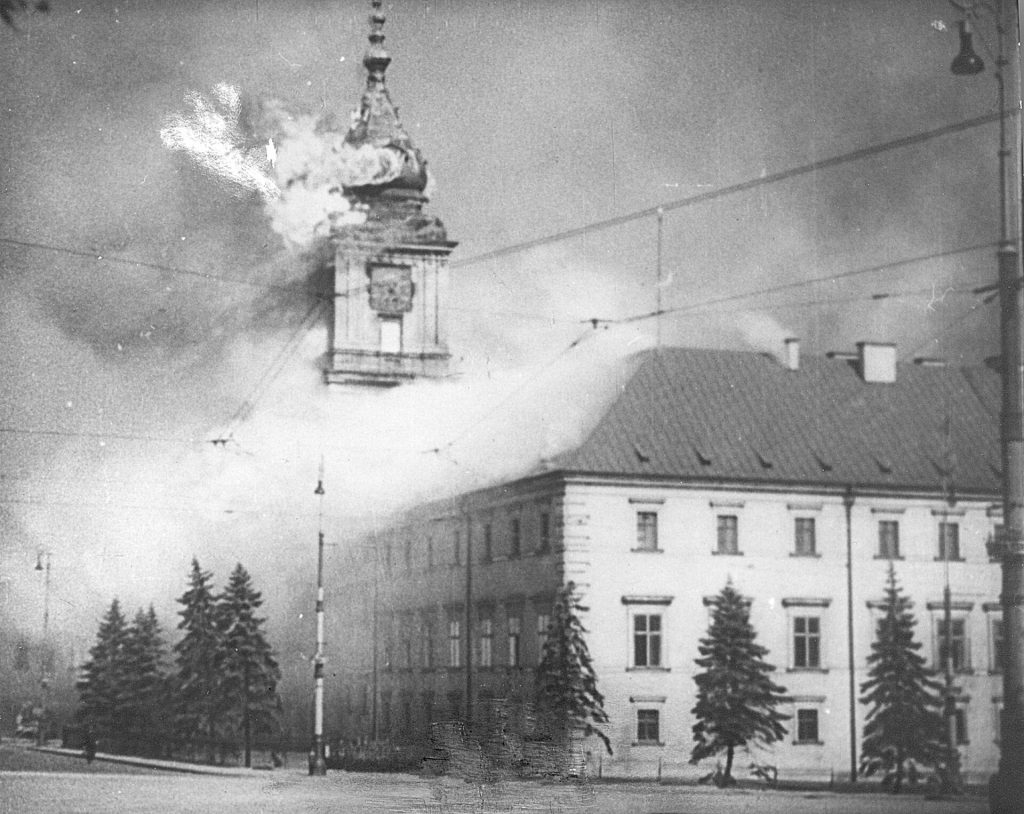
After nearly three weeks of siege, bombing and shelling, the Polish capital surrenders. Its defenders have run out of food, water and ammunition.
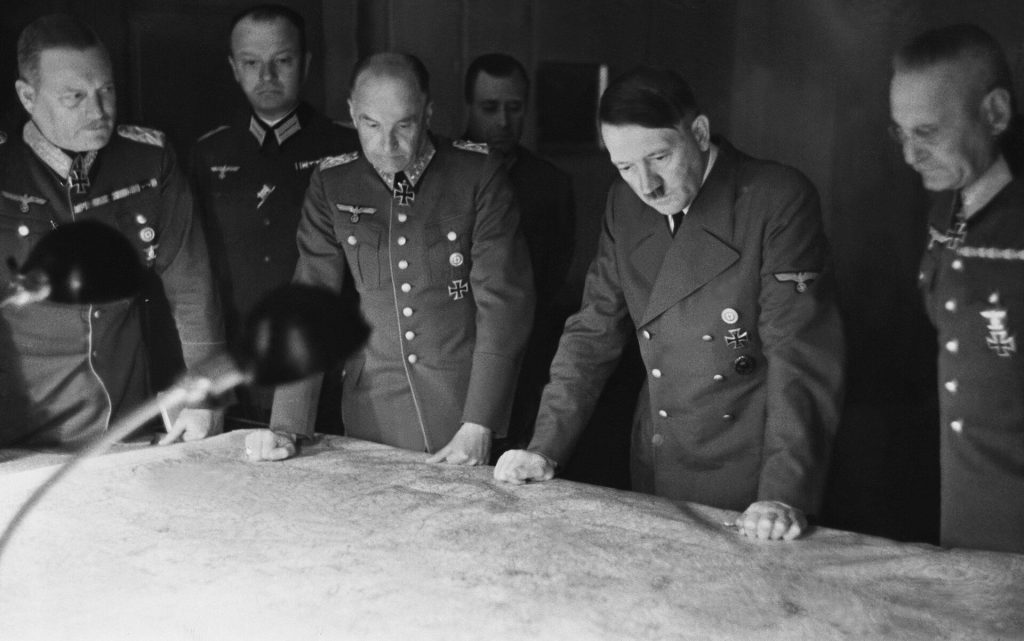
With the offensives against Stalingrad and the Caucasus stalling, Hitler dismisses the chief of the army general staff, Franz Halder, after a series of bitter arguments.
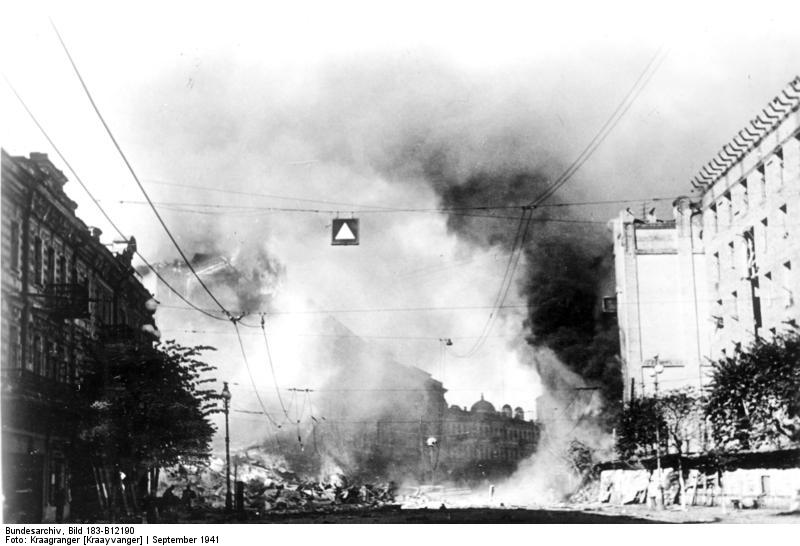
German troops enter Kiev. East of the city, four Soviet armies are trapped in a vast encirclement. It is the largest single encirclement of the war.
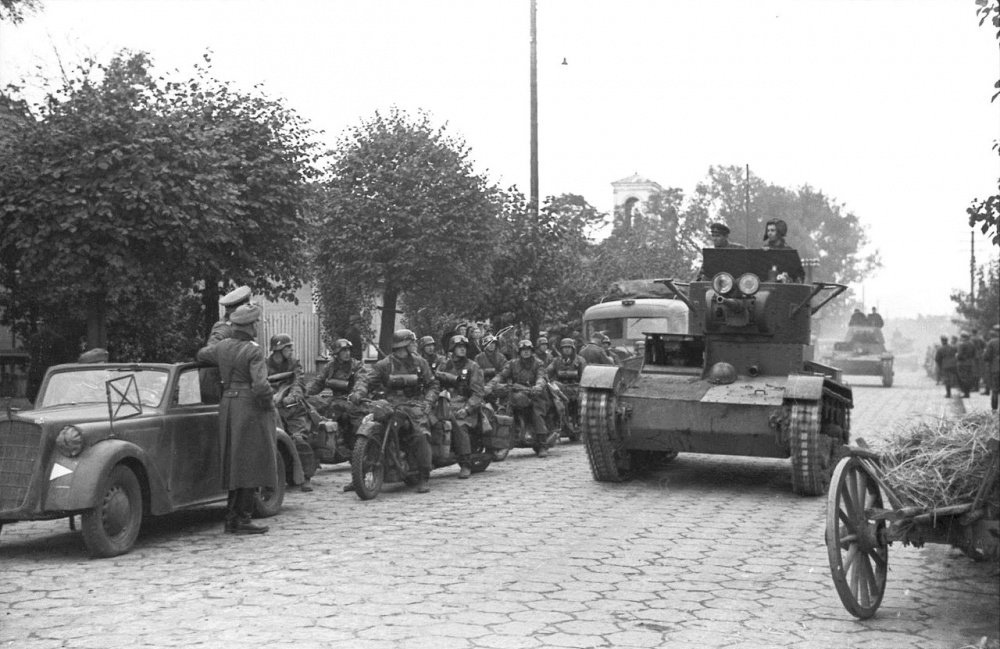
While the Polish army is fighting the Germans in the west, the Red Army crosses Poland’s eastern border. Moscow claims that the Polish state has ceased to exist.
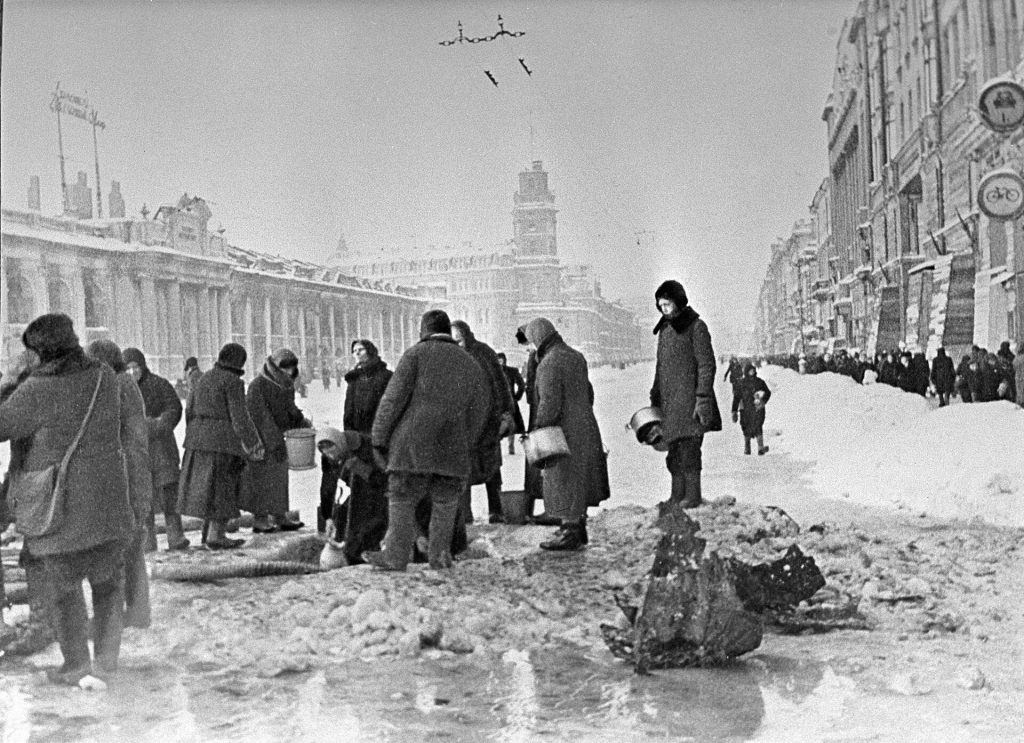
German troops take Shlisselburg on Lake Ladoga, cutting the last land route to Leningrad. The city of three million is surrounded. The siege will last 872 days.

Before dawn, the old German battleship Schleswig-Holstein opens fire on the Polish garrison at Westerplatte, and German armies cross the frontier from three sides. The Second World War in Europe has begun.
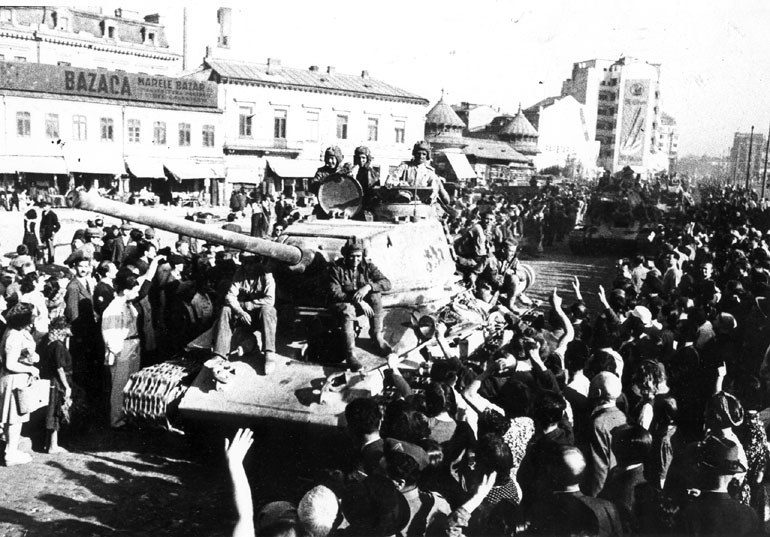
A week after Romania changes sides, Soviet troops enter Bucharest. Germany’s main source of natural oil is lost.
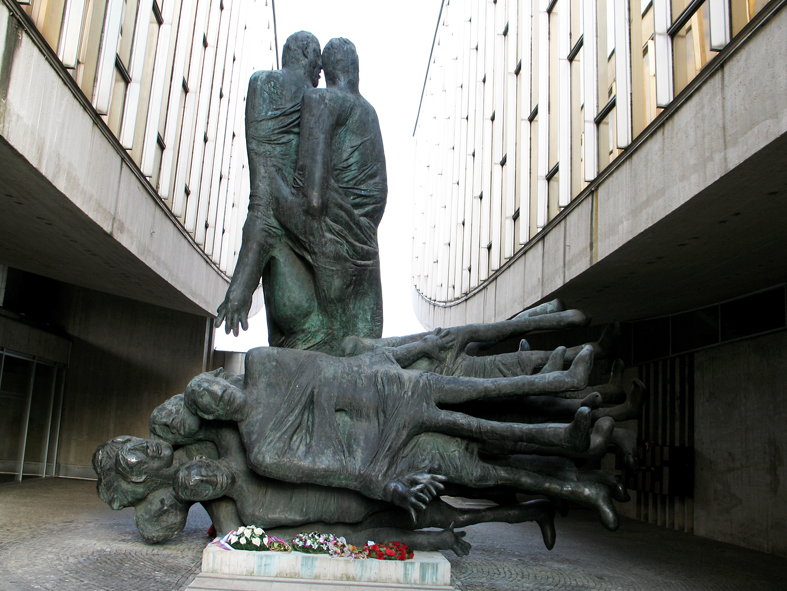
As German troops move into Slovakia, units of the Slovak army and partisans rise against the pro-Nazi regime. Their centre is the town of Banská Bystrica.
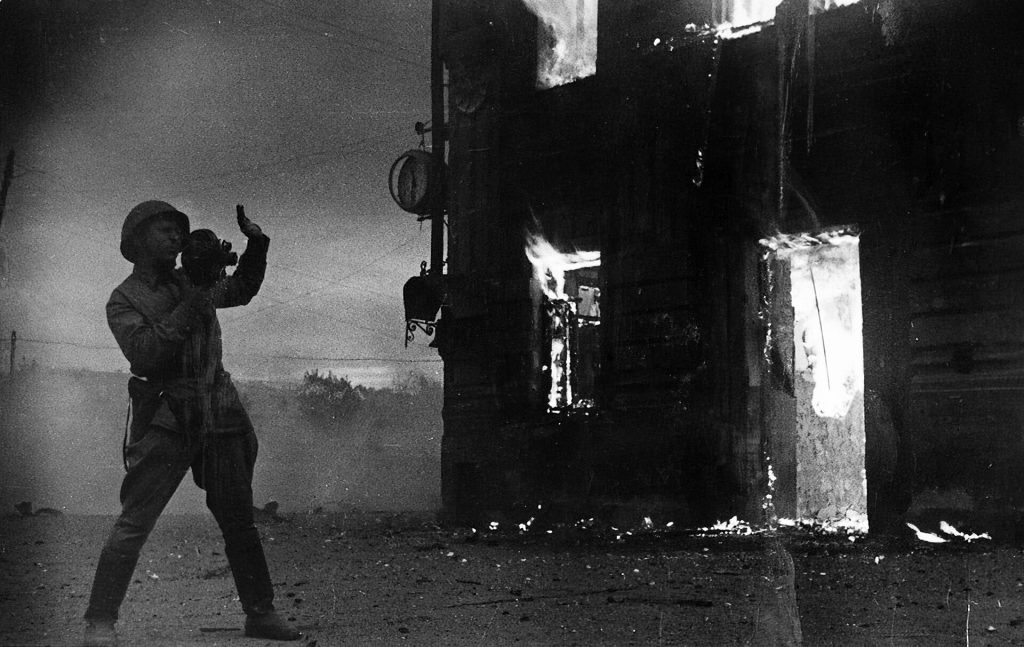
The Luftwaffe launches a massive raid on Stalingrad, setting much of the city on fire. The same day, German tanks reach the Volga just north of the city.
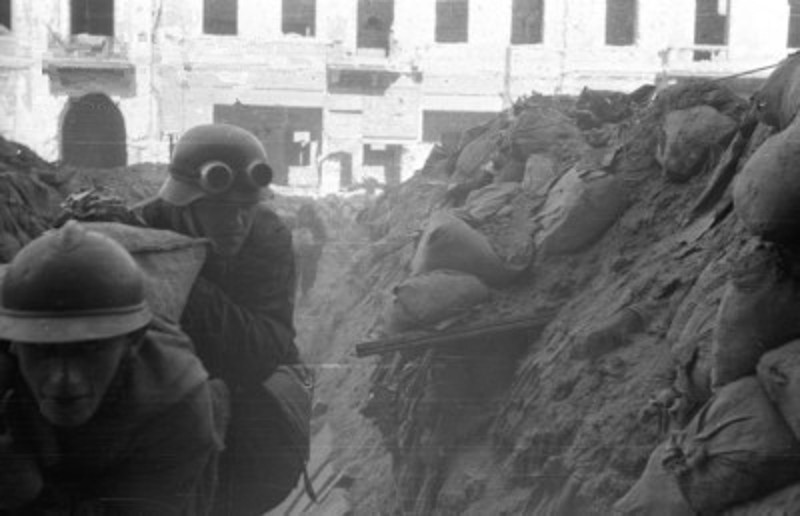
At five in the afternoon, the Polish Home Army rises against the German occupiers of Warsaw. It hopes to free the capital before the Red Army arrives. It will fight alone for 63 days.
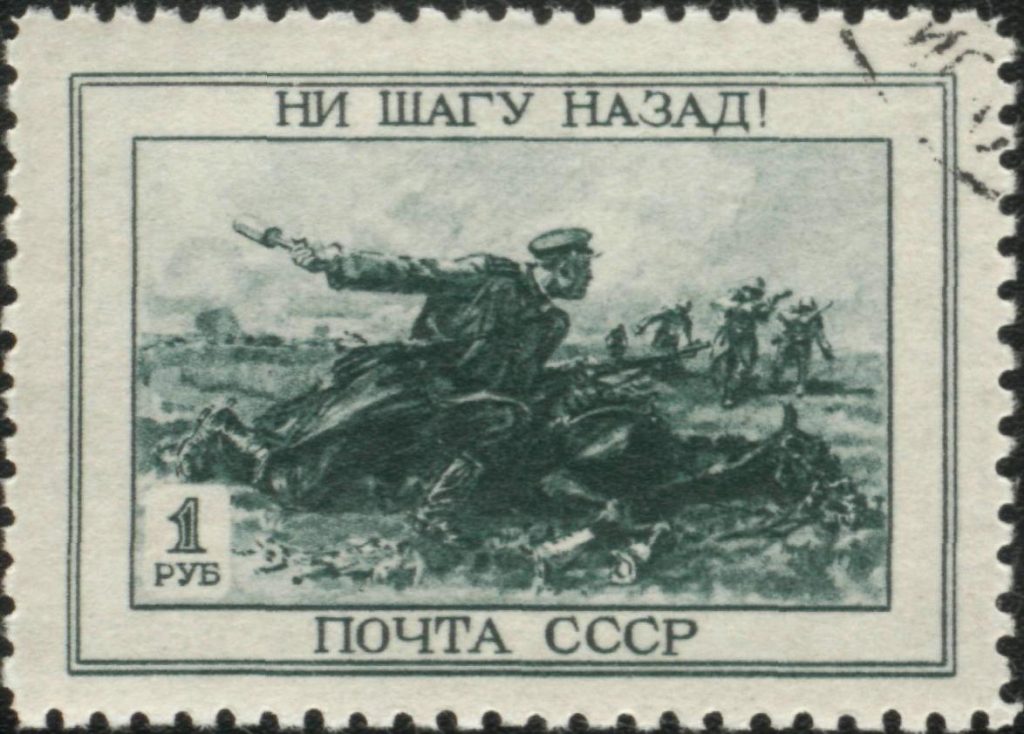
With German armies racing towards the Volga and the Caucasus, Stalin issues Order No. 227. Retreat without orders is forbidden. Panic-mongers and cowards are to be dealt with on the spot.
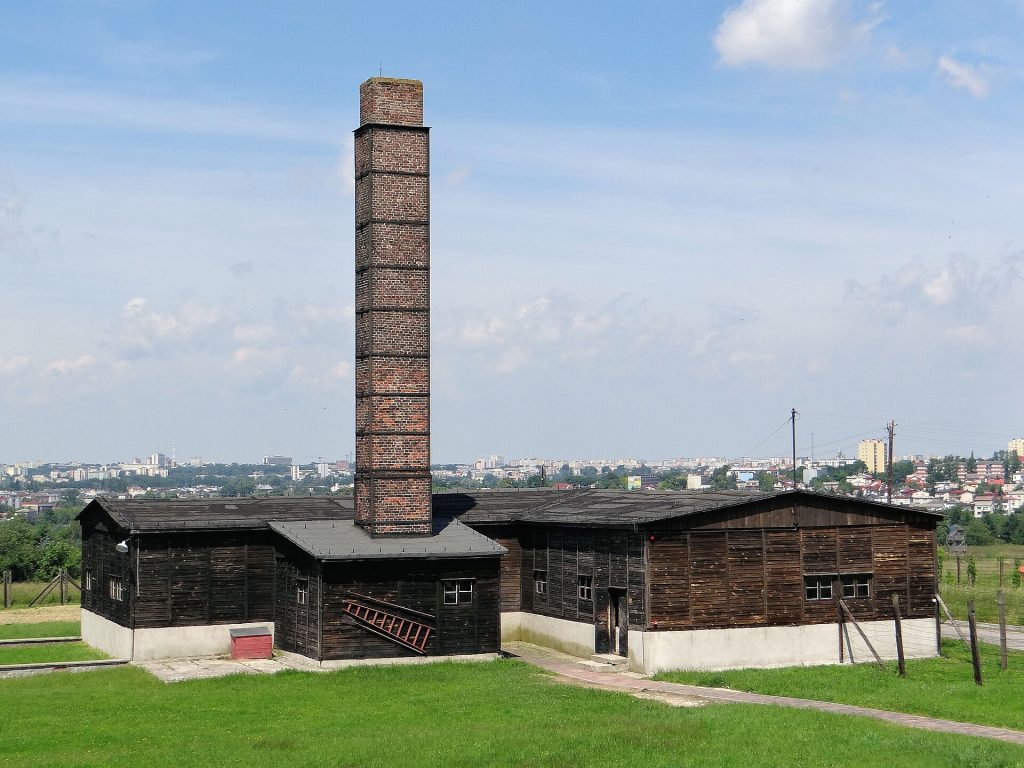
Advancing on Lublin, the Red Army reaches the Majdanek concentration camp, which the SS had no time to destroy. It is the first major Nazi camp to be liberated.
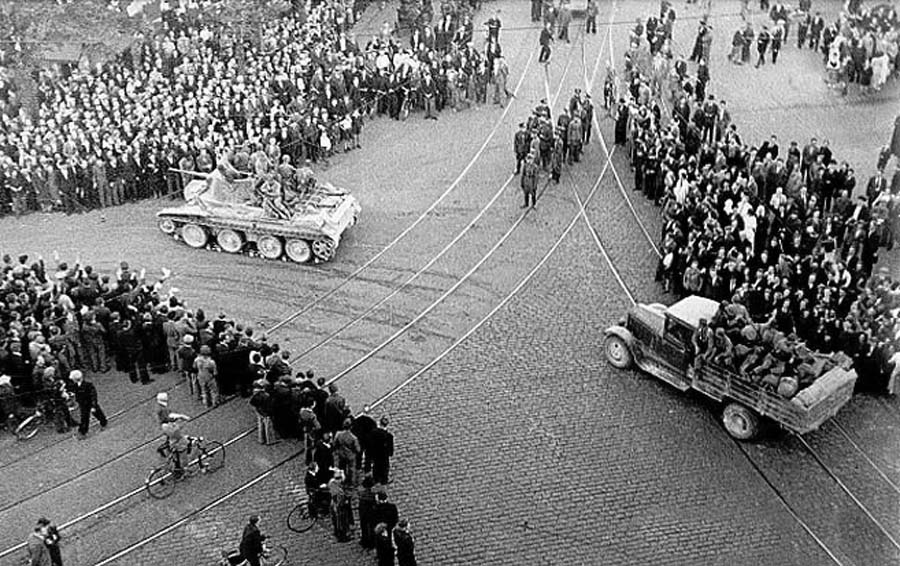
Weeks after the Red Army marches in, Estonia, Latvia and Lithuania hold elections in which only one list of candidates is allowed. The result is a foregone conclusion.
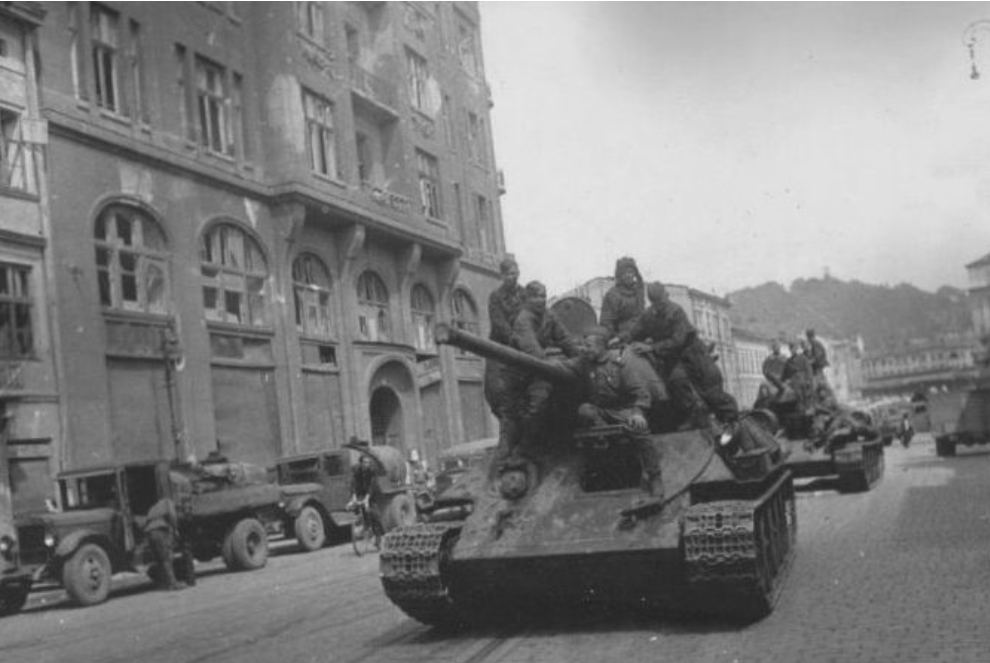
As Army Group Centre collapses in Belarus, Marshal Konev strikes in western Ukraine. Within weeks his armies take Lwów and seize a bridgehead across the Vistula.
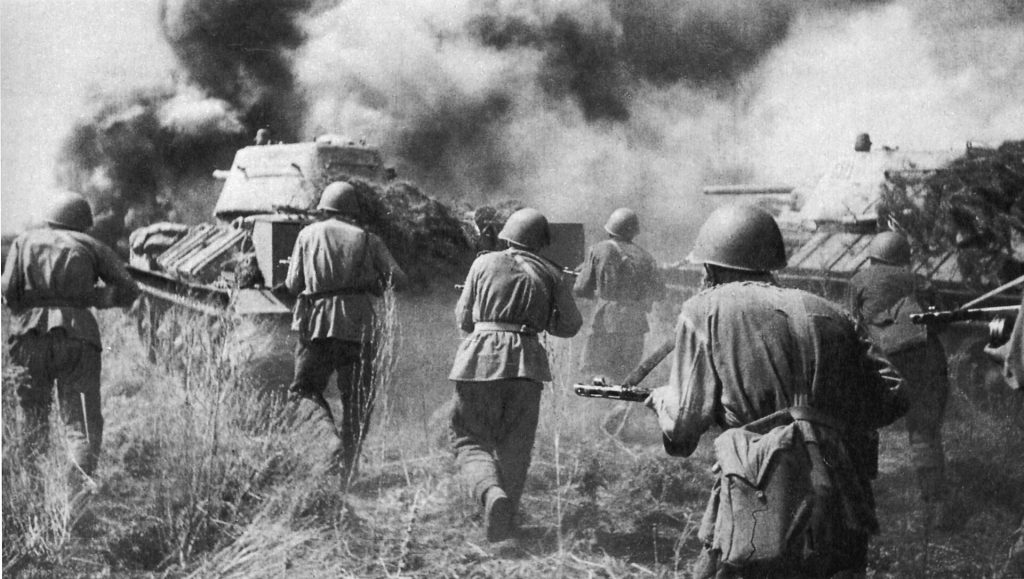
Near a railway station south of Kursk, hundreds of Soviet tanks charge into the advancing SS panzer divisions. It becomes one of the most famous tank battles in history.
 United Kingdom
 United States
 Soviet Union
 Germany
 Japan
 France
 Poland
 South Africa