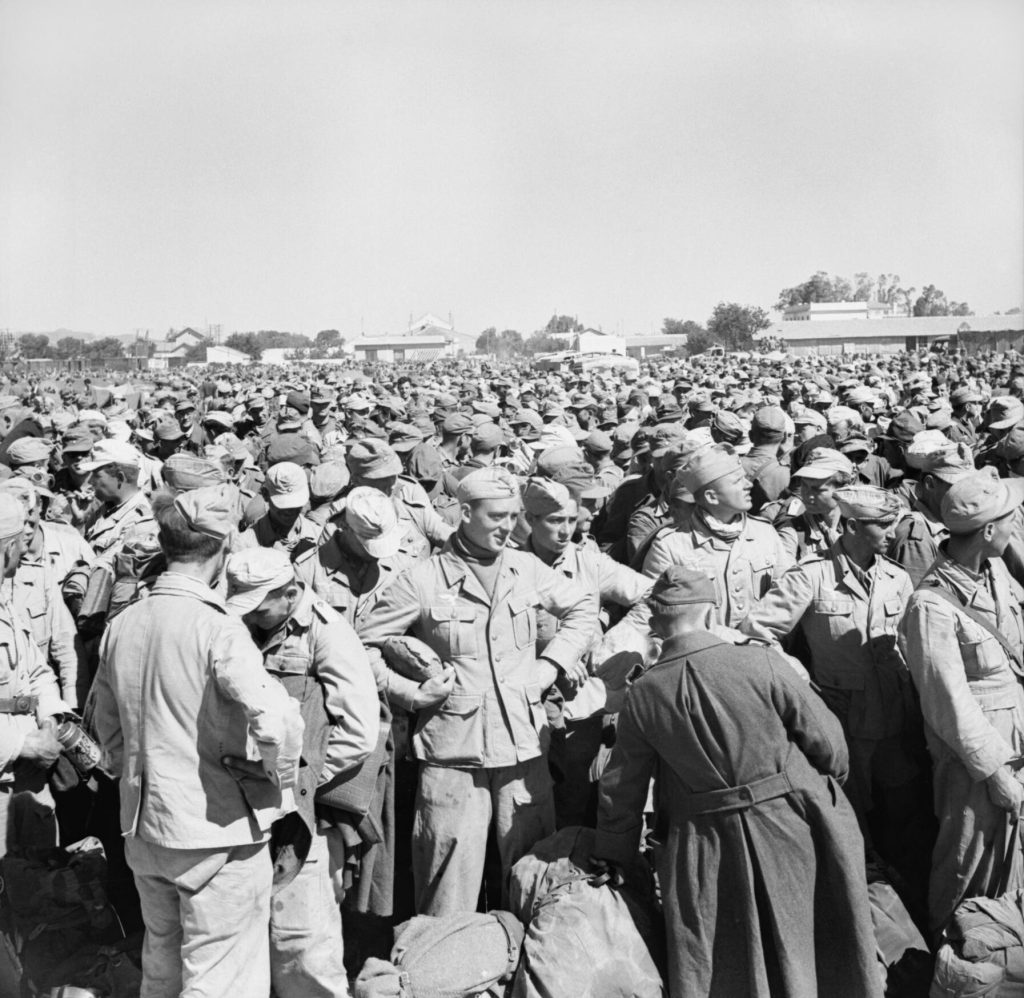
13 May 1943: The Axis Surrenders in Africa
The last Axis army in Tunisia lays down its arms. Around a quarter of a million German and Italian soldiers become prisoners, and the war in North Africa is over.
Dispatches involving Italy.
The last Axis army in Tunisia lays down its arms. Around a quarter of a million German and Italian soldiers become prisoners, and the war in North Africa is over.
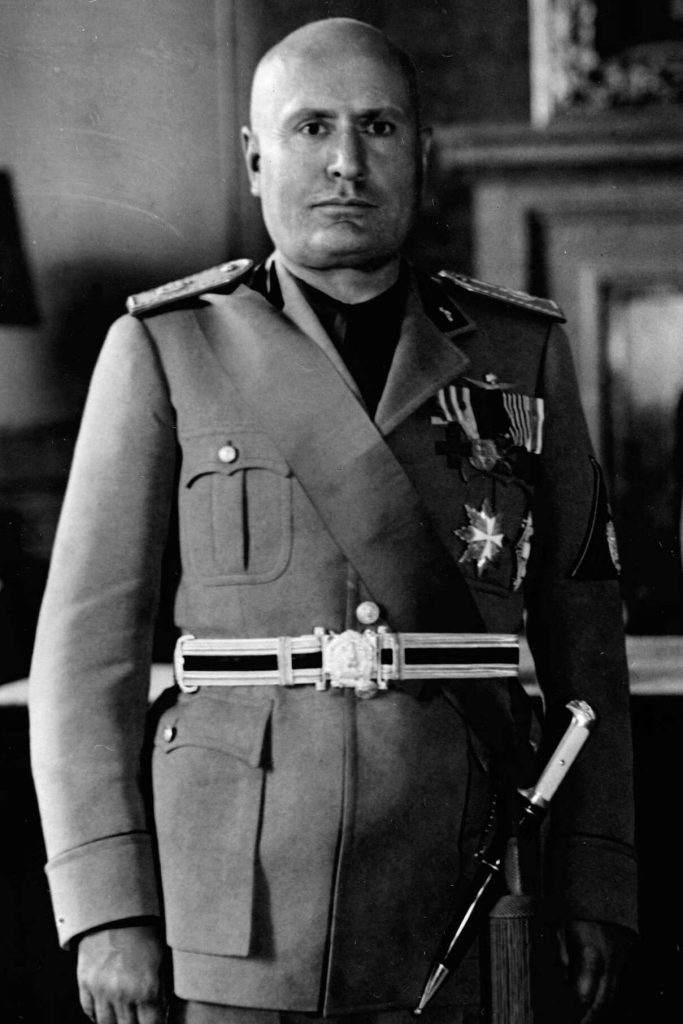
Captured by partisans while trying to escape with a German convoy, Benito Mussolini is shot near Lake Como. The man who ruled Italy for two decades is dead.
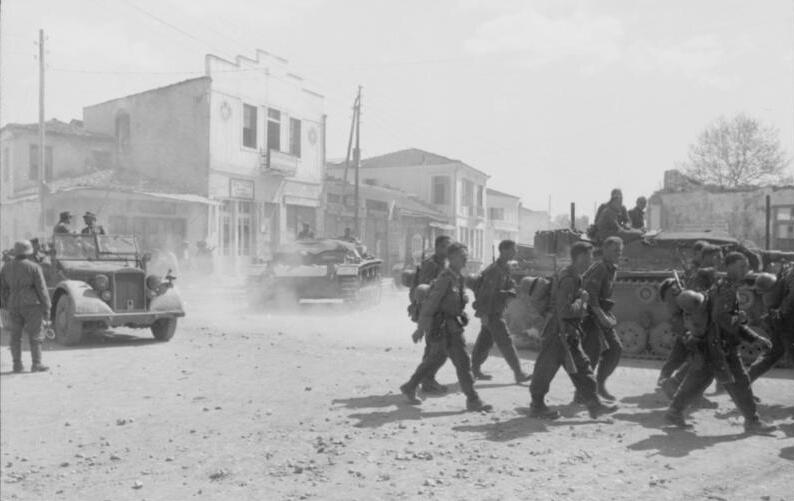
German motorcycle troops ride into the Greek capital. By the morning the swastika is flying over the Acropolis, and a long, hungry occupation has begun.
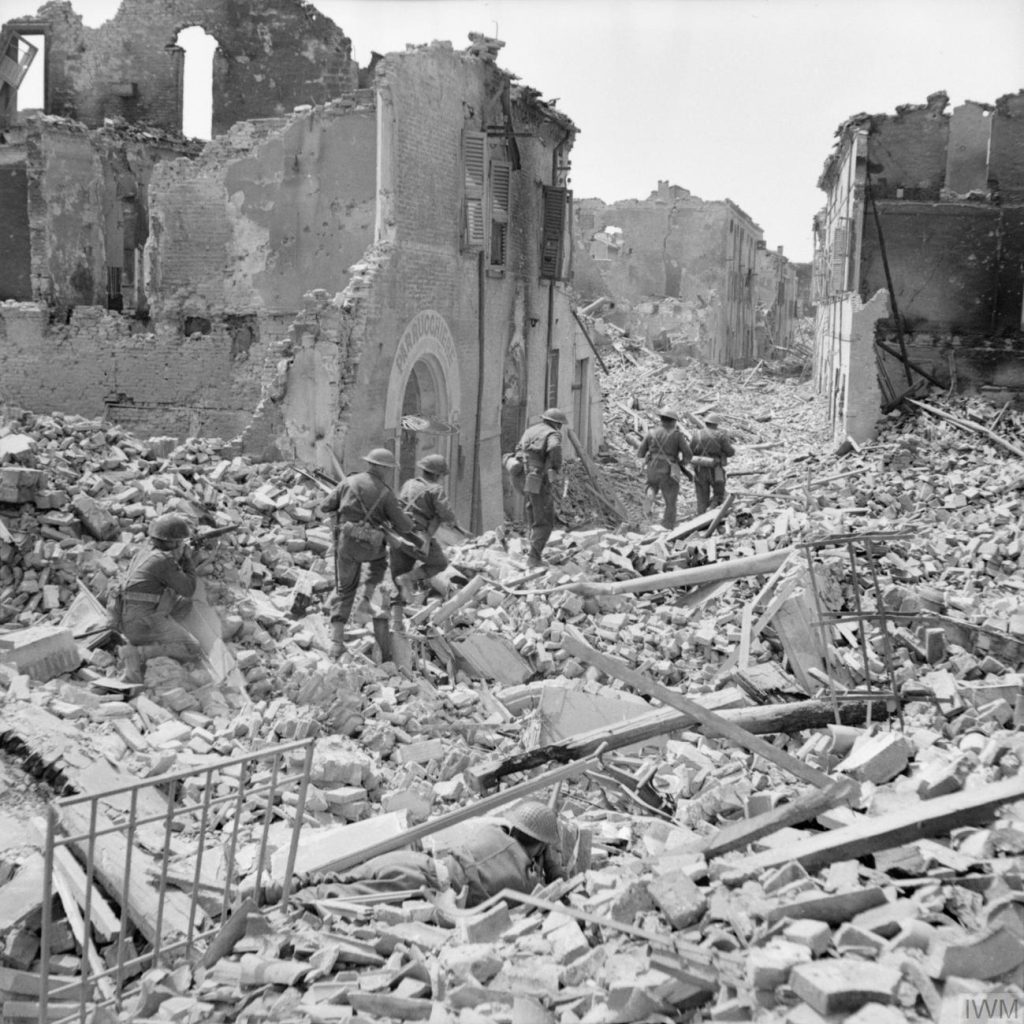
Polish troops of the Eighth Army enter Bologna from the east, with American troops close behind. The German front in Italy is collapsing.
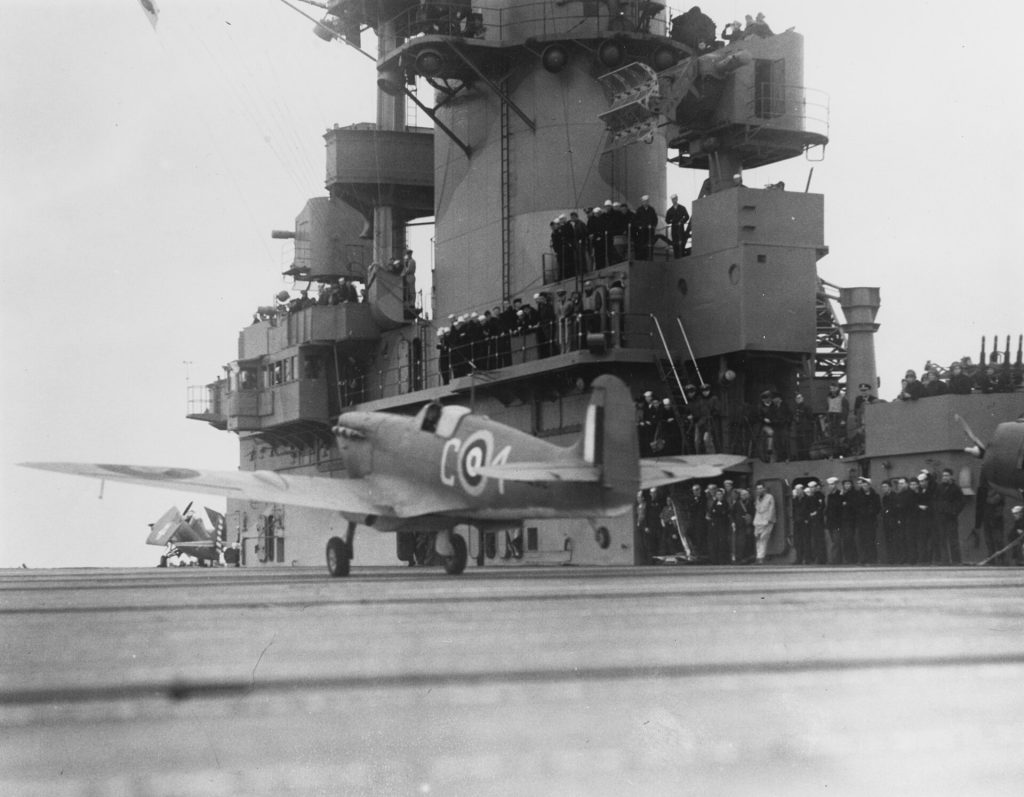
Forty-seven Spitfires take off from the American carrier Wasp in the western Mediterranean and fly to besieged Malta. Within days, most have been destroyed on the ground.
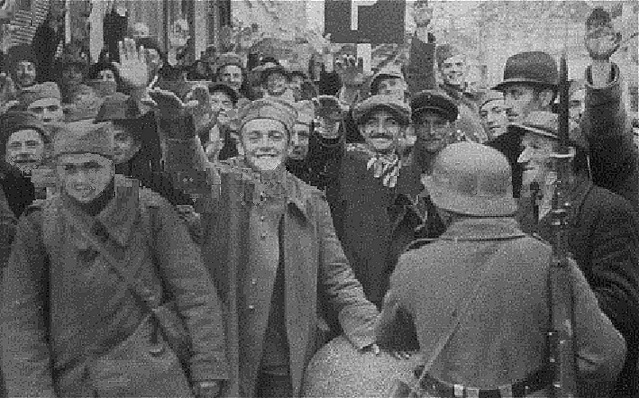
Eleven days after the invasion began, Yugoslav representatives sign an unconditional surrender in Belgrade. The country is carved up among its neighbours.
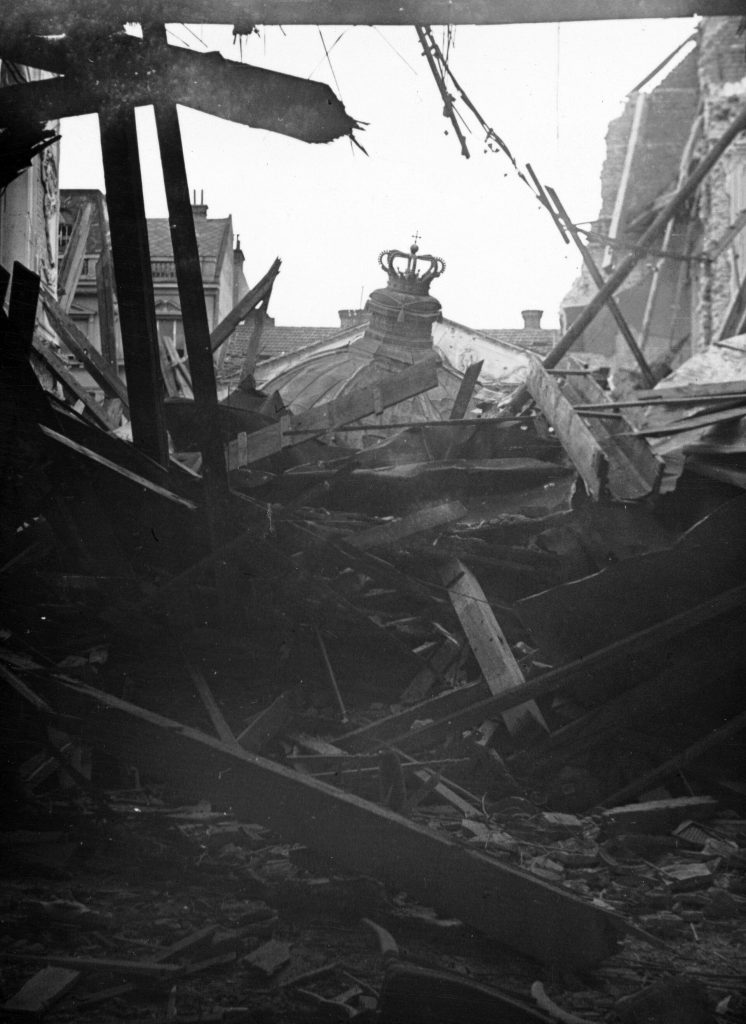
Without a declaration of war, German bombers attack Belgrade at dawn. On the same morning, German armies invade Yugoslavia and Greece.
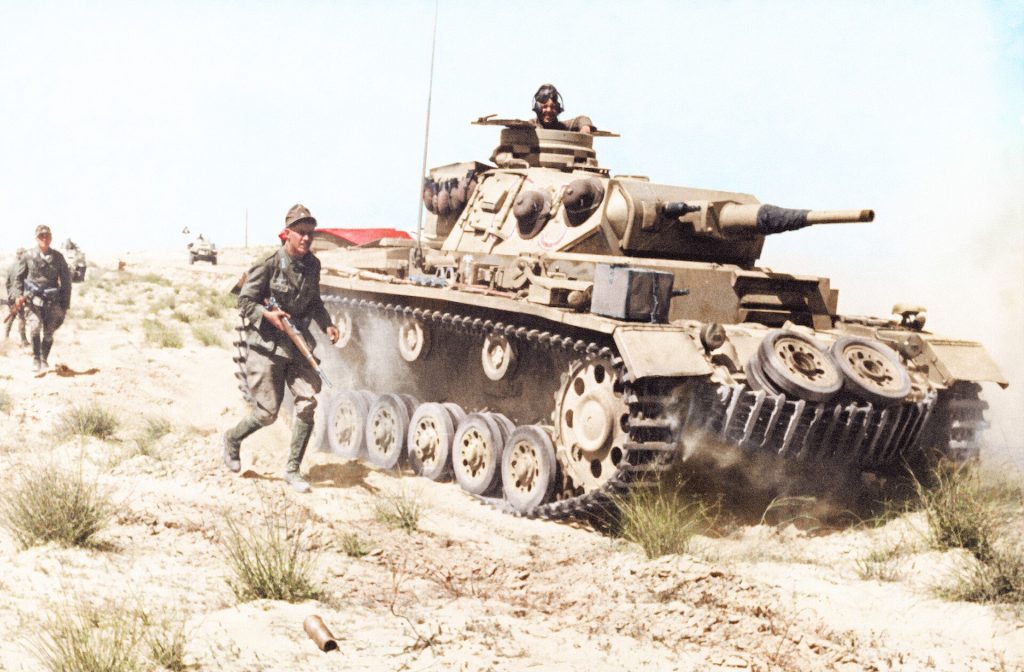
Weeks after arriving in Libya with orders to defend, Erwin Rommel attacks the thin British line at Mersa el Brega. Within two weeks the British are back in Egypt.
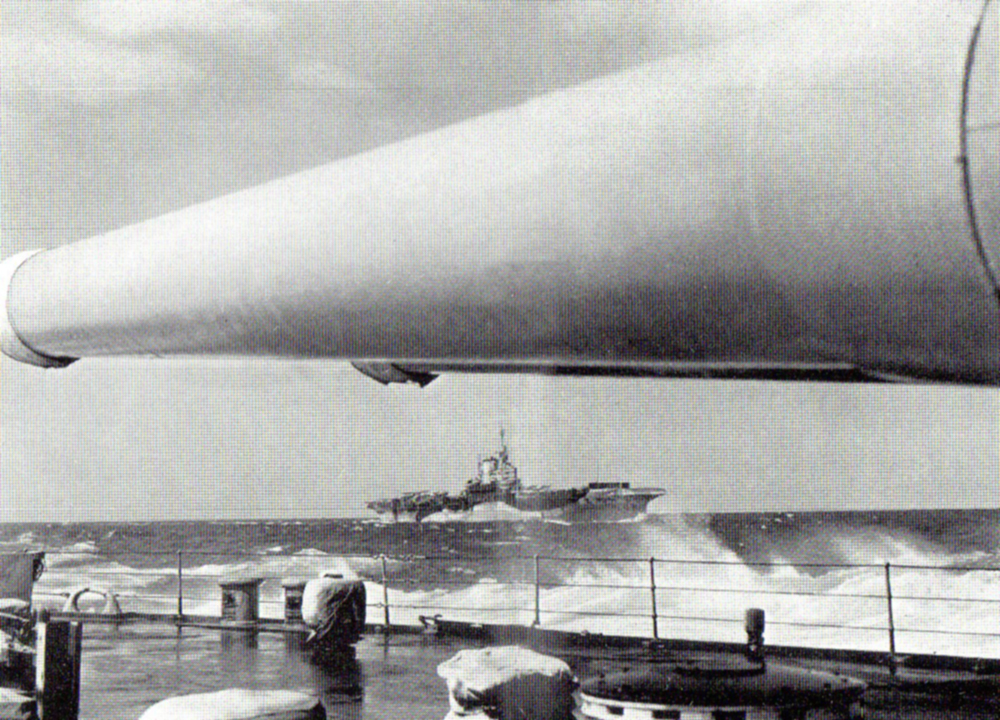
In the darkness off southern Greece, three British battleships open fire at point-blank range on unsuspecting Italian cruisers. Within minutes, two are wrecked.
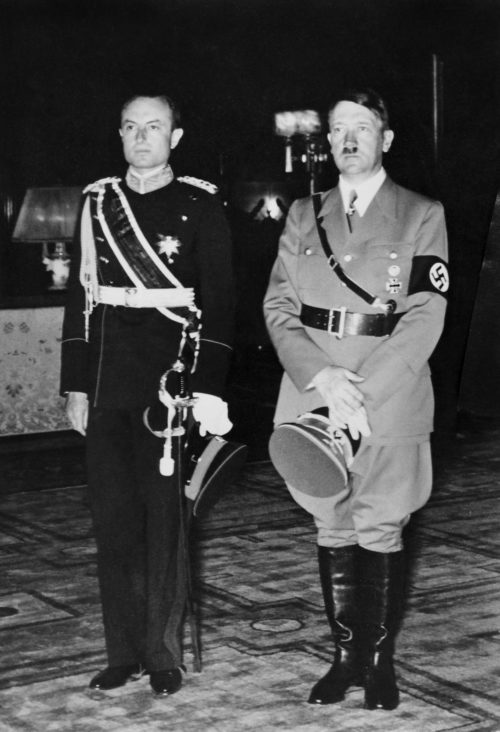
Under heavy German pressure, Yugoslavia’s government signs the Tripartite Pact in Vienna. Within two days, the decision will bring it down.
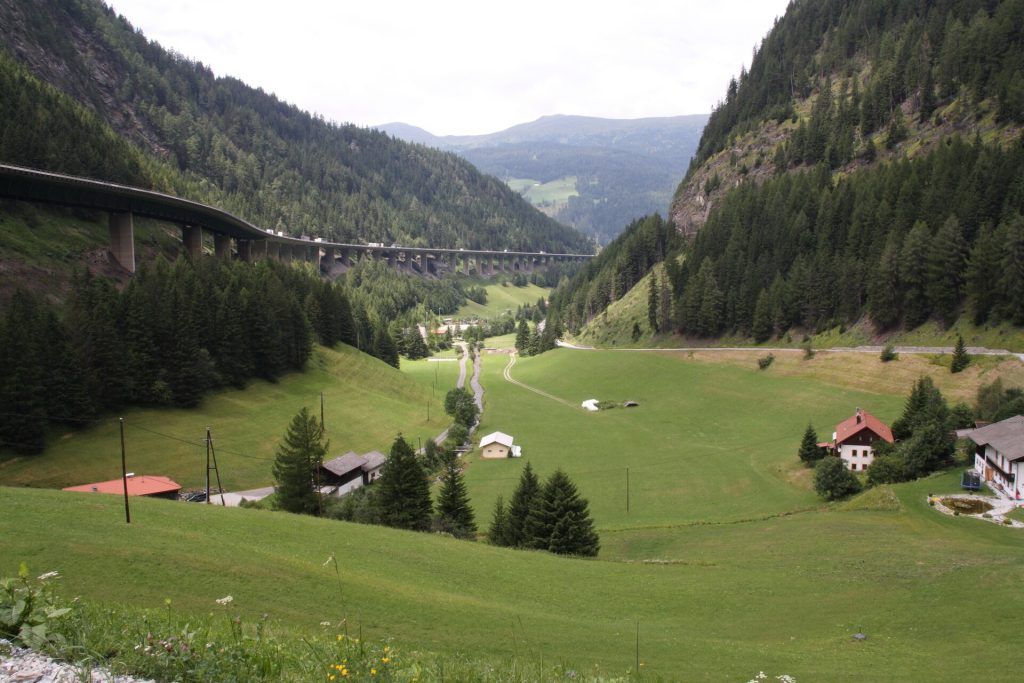
Hitler and Mussolini meet in a railway carriage at the Alpine frontier. Mussolini promises that Italy will enter the war, but only when the moment is right.
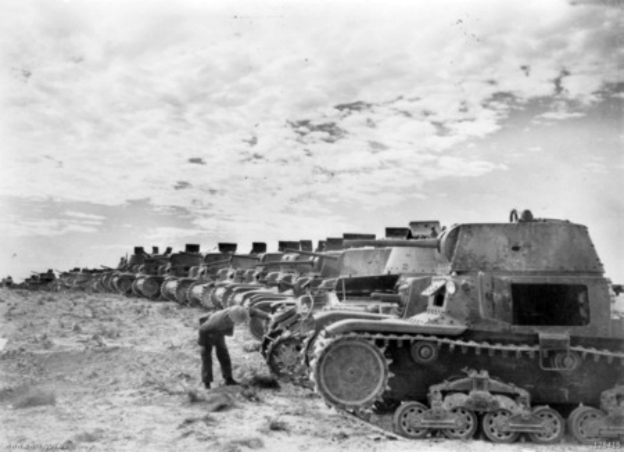
A small British force races across the desert and blocks the coast road south of Benghazi. The retreating Italian Tenth Army is trapped and surrenders.
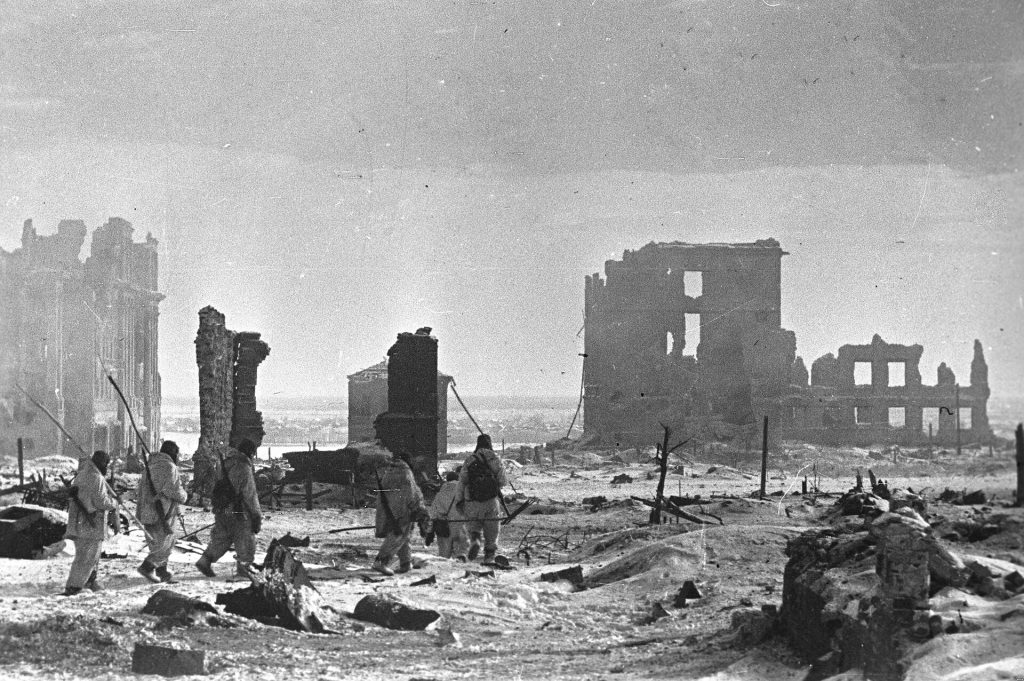
The last German troops in the northern ruins of Stalingrad lay down their arms. After more than five months, one of the most destructive battles in history is over.
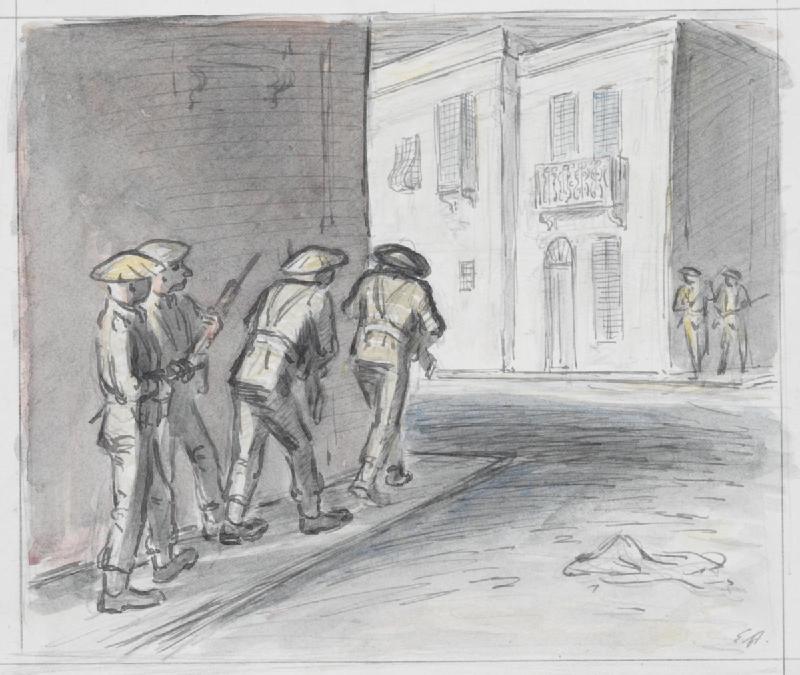
Three months after El Alamein, Montgomery’s Eighth Army enters the capital of Italian Libya. Mussolini’s North African empire is gone.
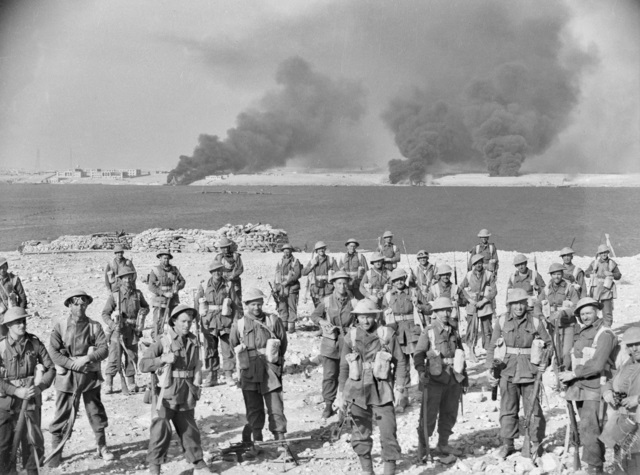
Fresh from victory at Bardia, the 6th Australian Division storms the fortress of Tobruk. By the next afternoon its harbour is in Allied hands.
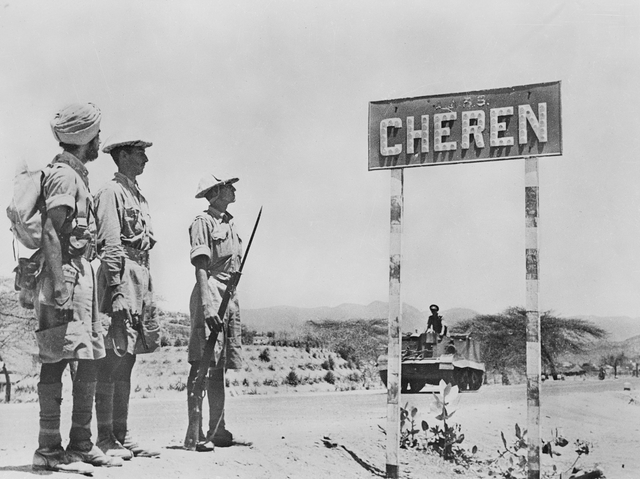
British and Indian troops cross from the Sudan into Italian Eritrea. The campaign that follows will end Mussolini’s empire in East Africa.
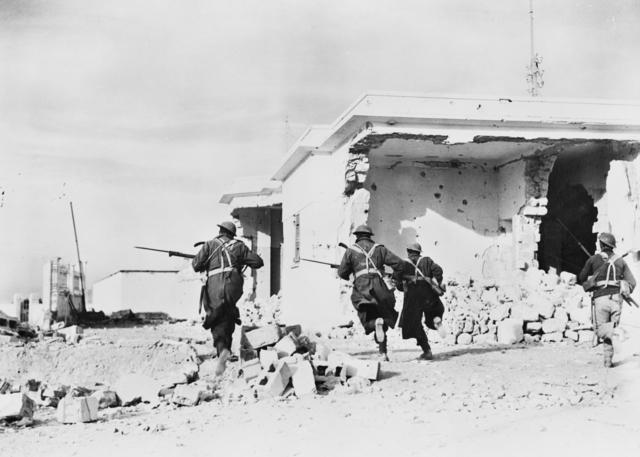
In their first battle of the war, the men of the 6th Australian Division storm the fortified Libyan port of Bardia and take tens of thousands of Italian prisoners.
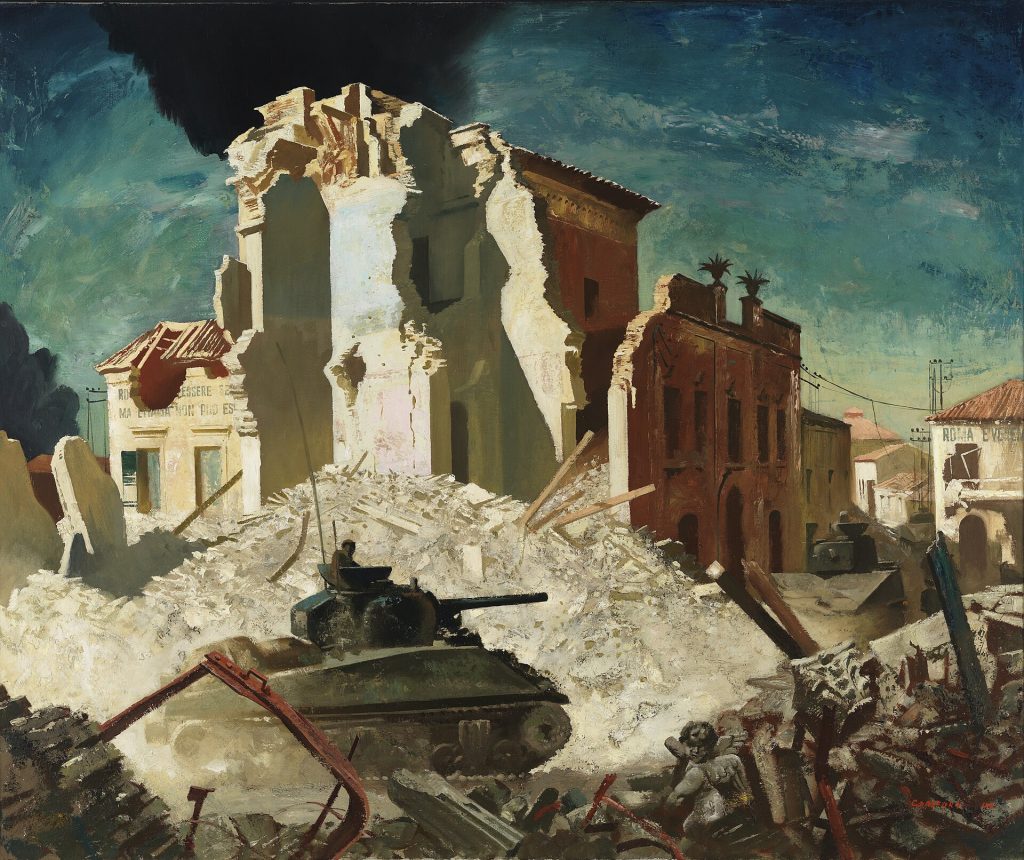
After eight days of house-to-house fighting, German paratroopers pull out of the Adriatic town of Ortona. Canadian soldiers have won one of the hardest urban battles of the Italian campaign.
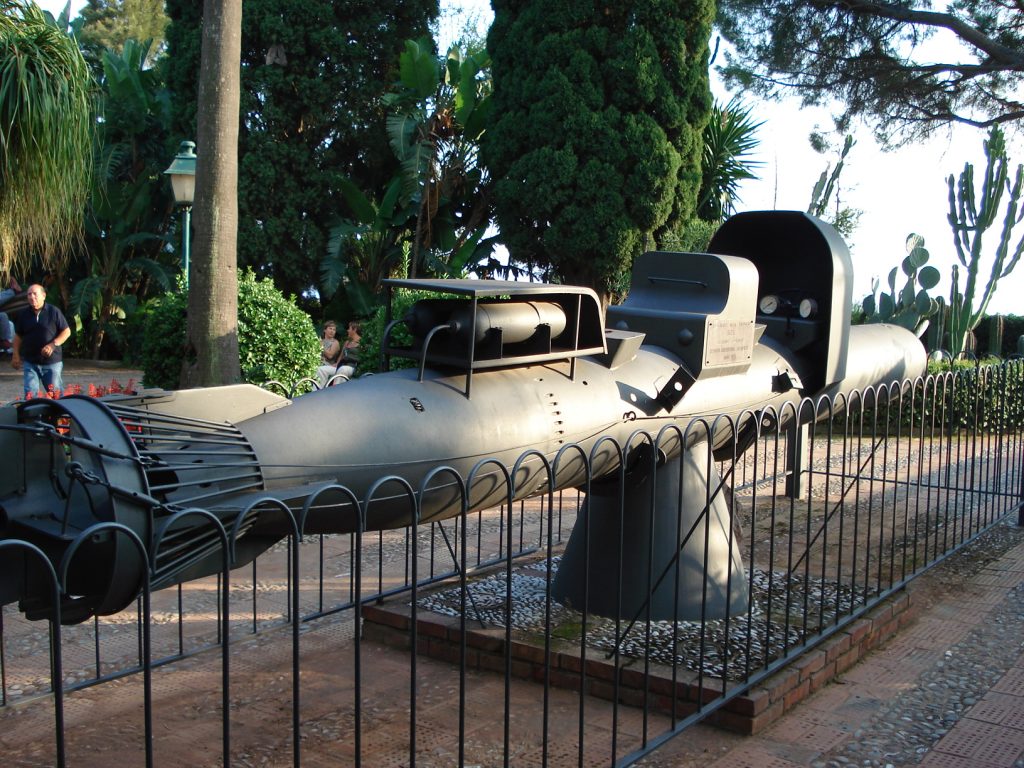
Six Italian frogmen riding human torpedoes slip into Alexandria harbour and sink two British battleships where they lie at anchor.
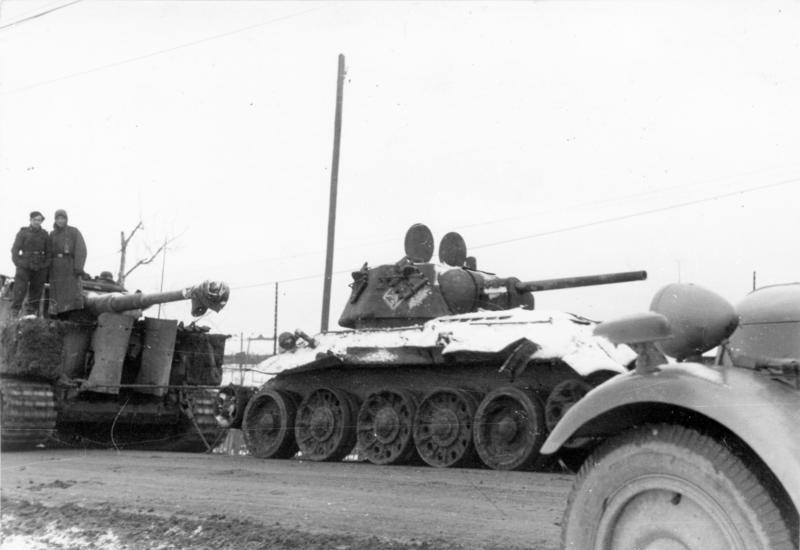
Field Marshal von Manstein launches a desperate attempt to break through to the German Sixth Army trapped at Stalingrad. His panzers get within about 50 kilometres, and no closer.
 United Kingdom
 United States
 Soviet Union
 Germany
 Japan
 France
 Poland
 South Africa