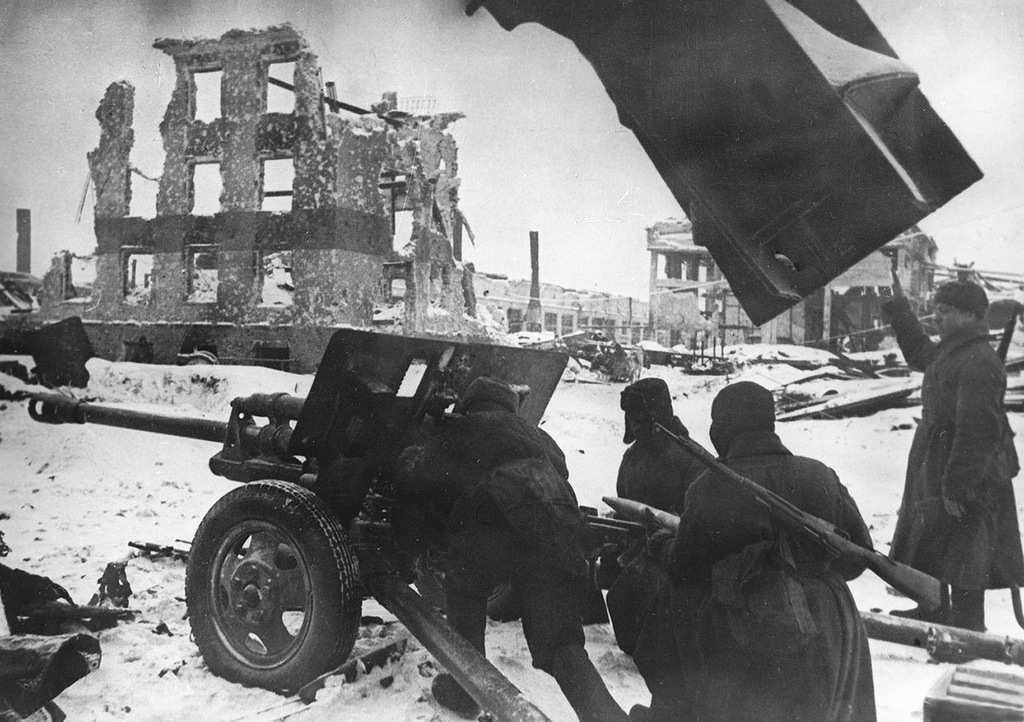
19 November 1942: Operation Uranus
Out of freezing fog, Soviet armies smash through the weak Romanian flanks north and south of Stalingrad. Within four days the German Sixth Army is surrounded.

Out of freezing fog, Soviet armies smash through the weak Romanian flanks north and south of Stalingrad. Within four days the German Sixth Army is surrounded.
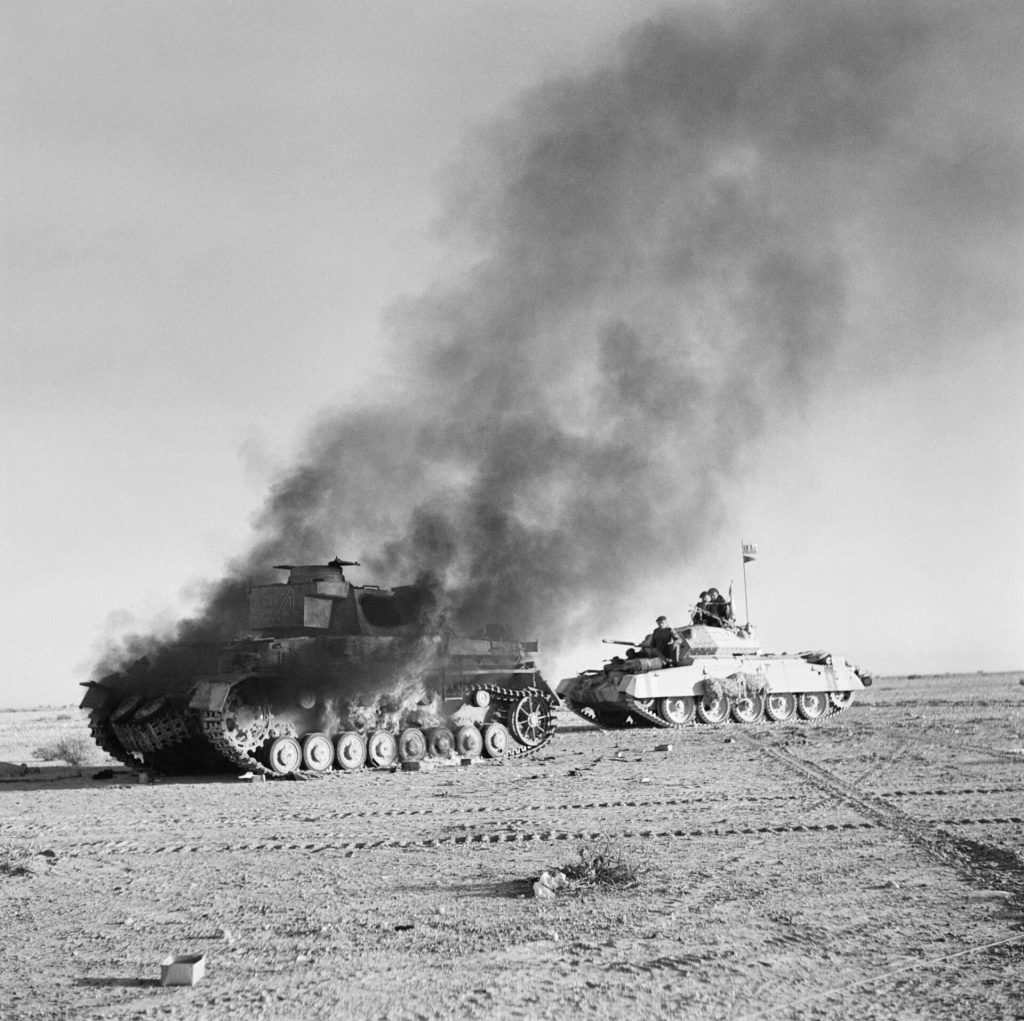
The newly formed British Eighth Army, with South African, New Zealand and Indian divisions in its ranks, strikes into Libya to relieve besieged Tobruk and take on Rommel in the open desert.
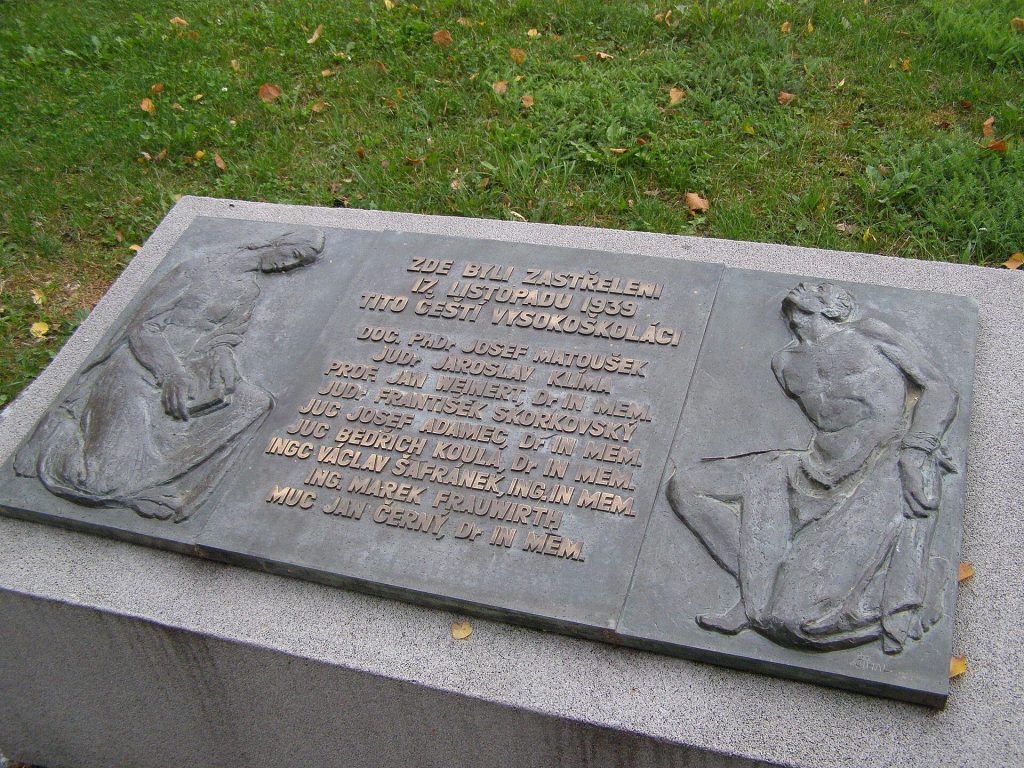
Nazi forces storm Czech university residences, execute nine students and staff without trial and send more than a thousand to a concentration camp. The date becomes International Students’ Day.
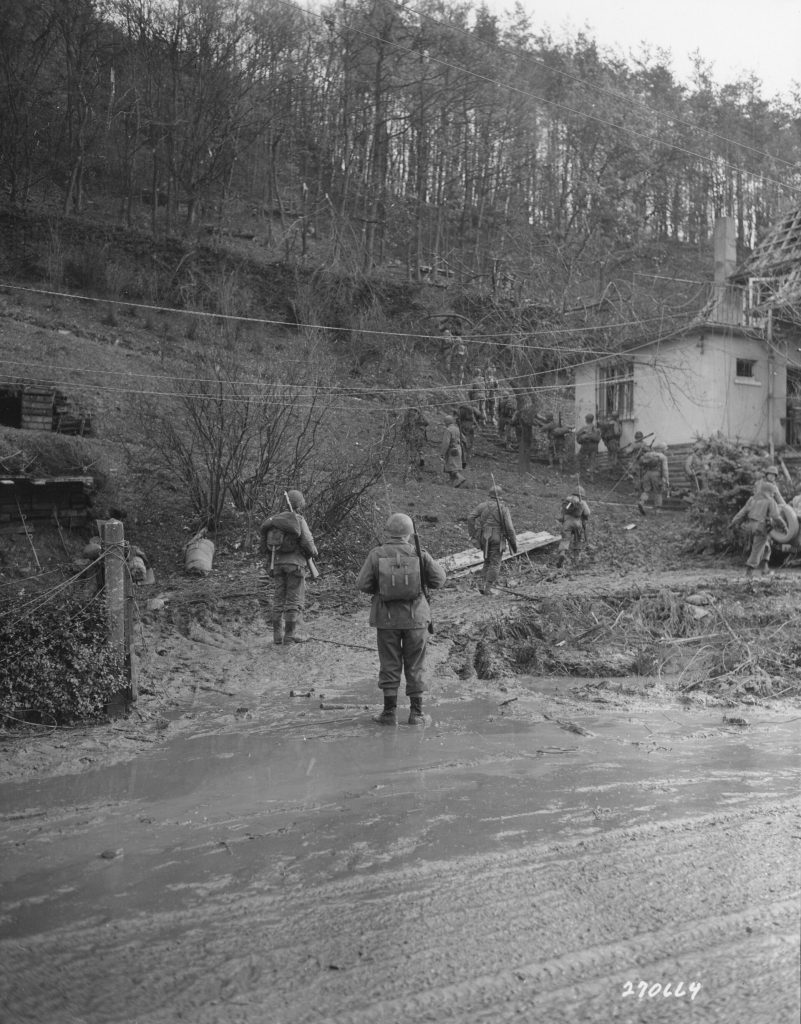
The US First and Ninth Armies attack towards the Roer River behind one of the heaviest air bombardments ever flown in direct support of ground troops.
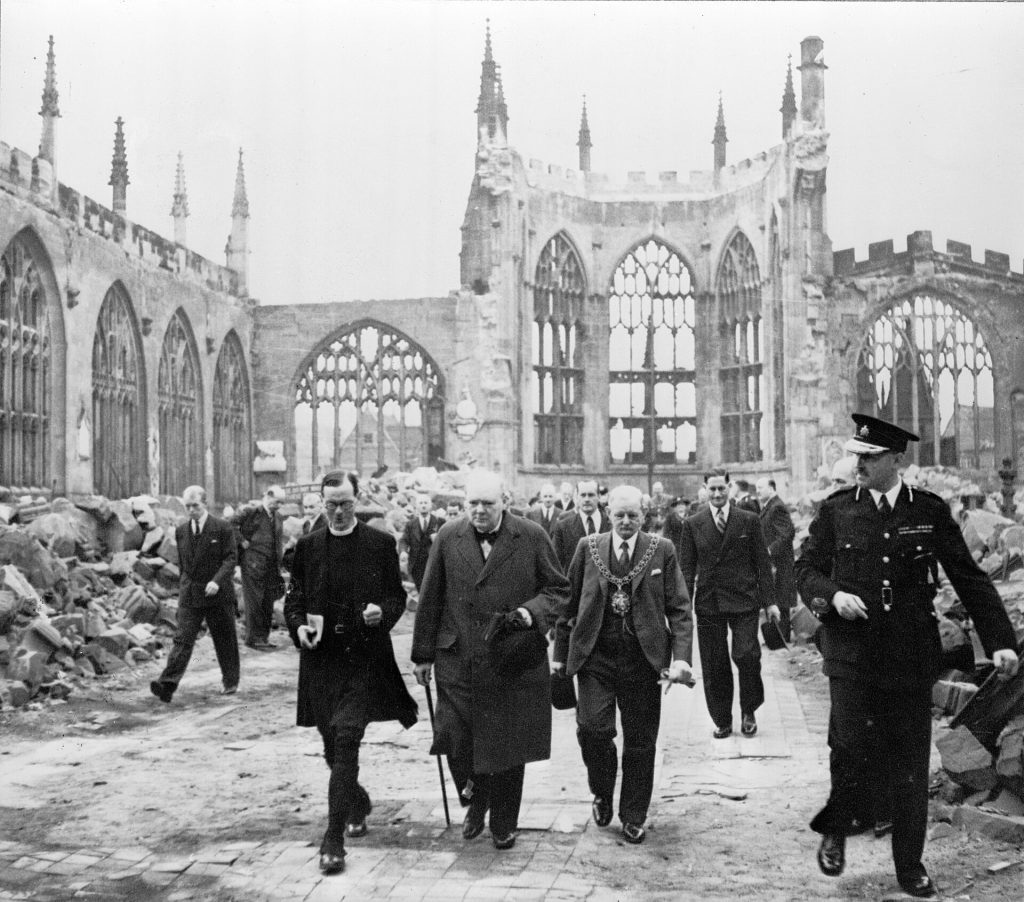
Guided by radio beams and lit by a full moon, around 500 German bombers devastate the heart of an English industrial city, and give the war a new word for total destruction.
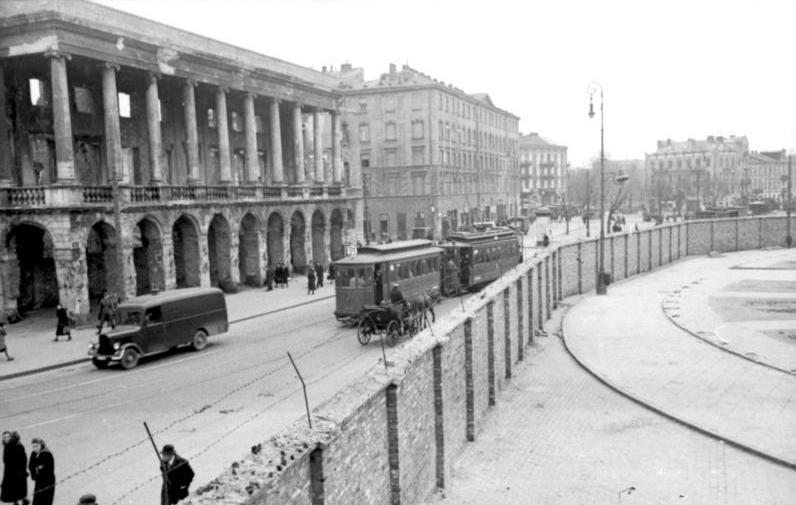
German authorities close the gates on the largest Jewish ghetto in occupied Europe, trapping some 400,000 people behind walls in a small fraction of the city.
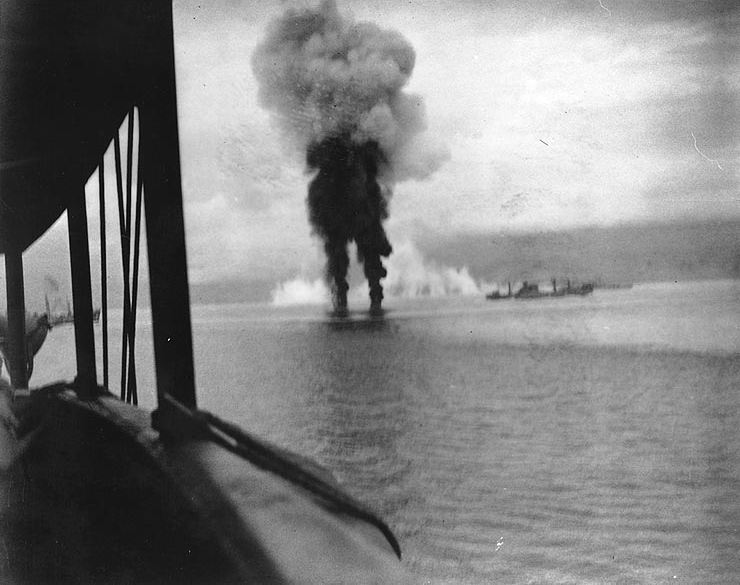
In a brutal close-range night action off Savo Island, American cruisers and destroyers turn back a Japanese bombardment force, opening three days of fighting that decide the fate of Guadalcanal.
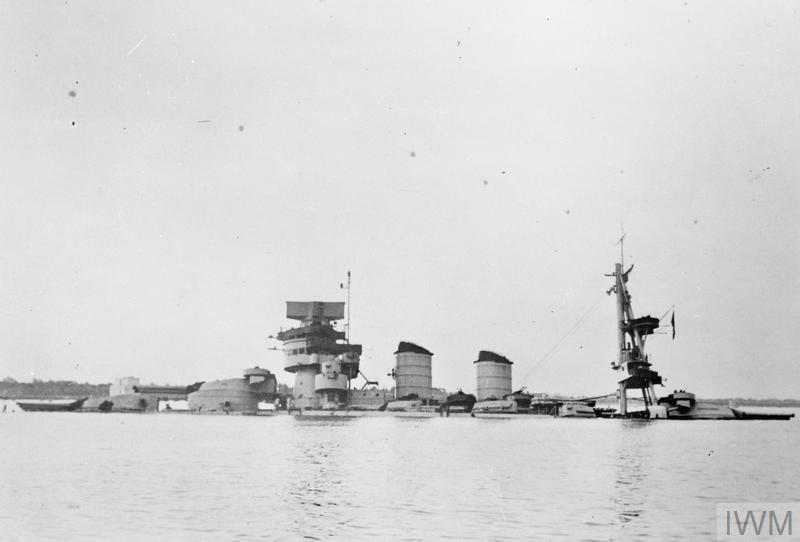
Twenty-one obsolete biplanes from HMS Illustrious cripple half the Italian battle fleet in a single night, and change naval warfare for good.
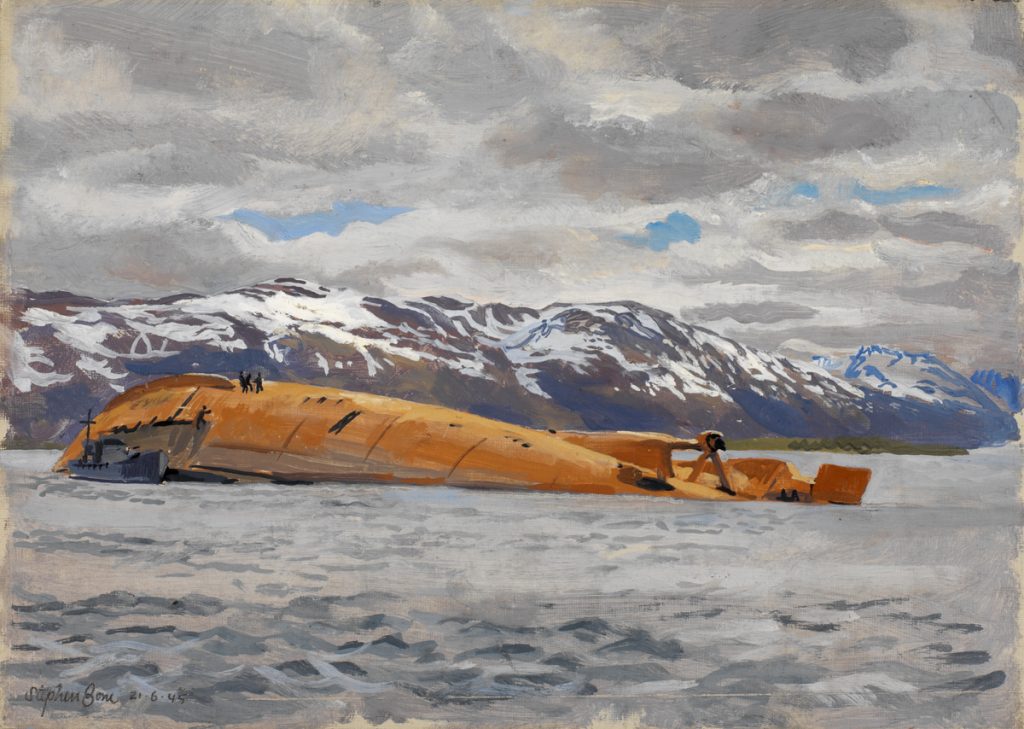
After years of threatening the Arctic convoys from the Norwegian fjords, Germany’s largest battleship is capsized in minutes by RAF Lancasters carrying Tallboy bombs.
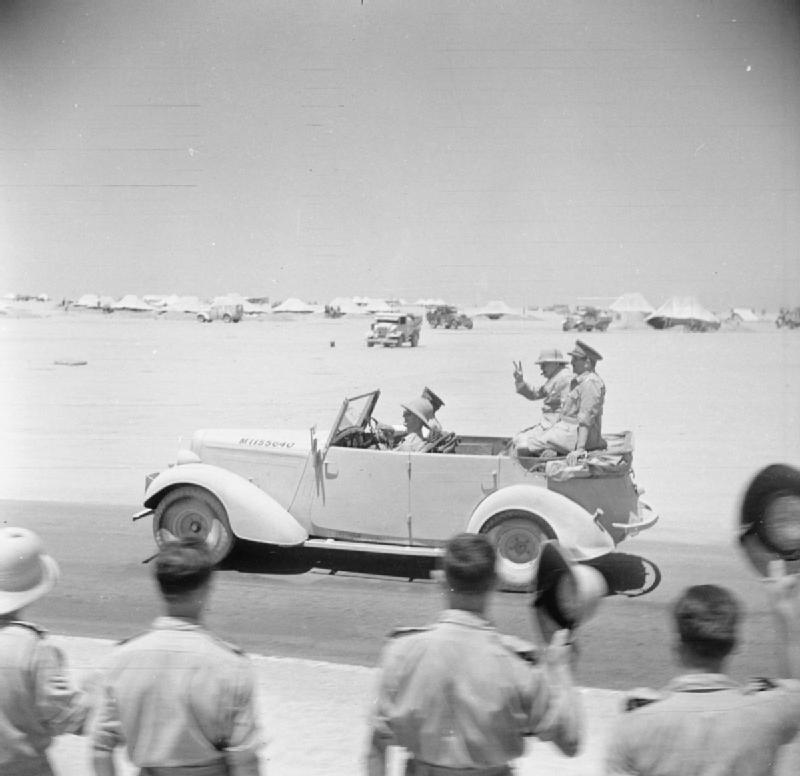
With Rommel in retreat from El Alamein and Allied armies ashore in French North Africa, Churchill gives Britain the most carefully measured victory speech of the war.
 United Kingdom
 United States
 Soviet Union
 Germany
 Japan
 France
 Poland
 South Africa