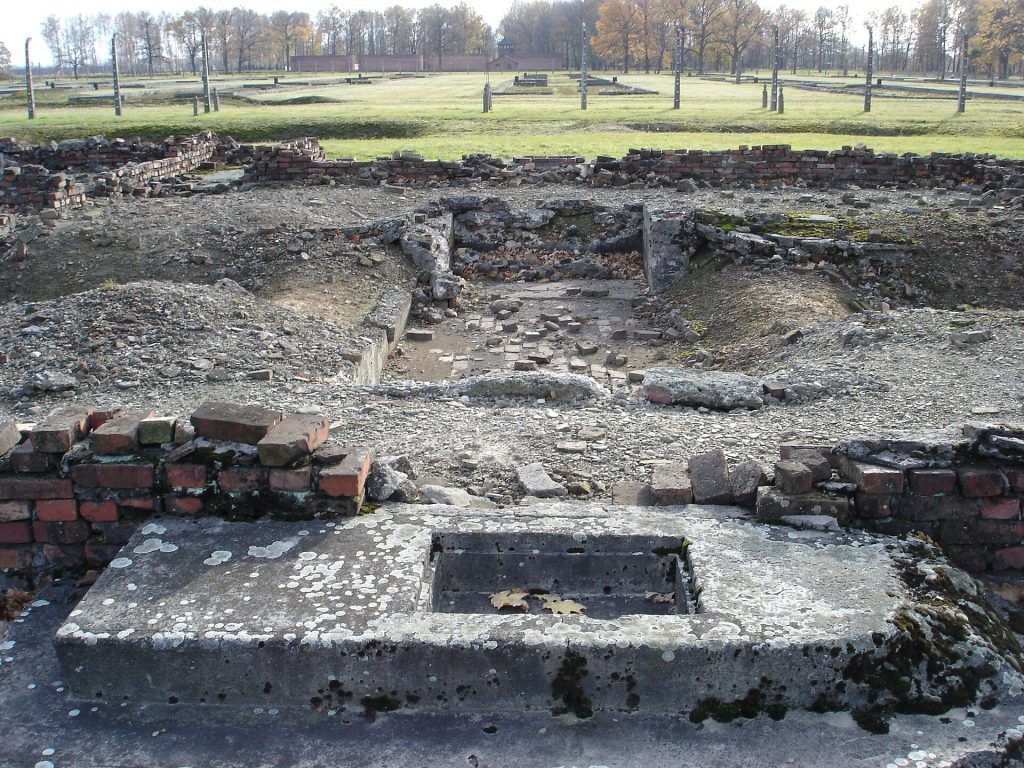
7 October 1944: The Sonderkommando Revolt
At Auschwitz-Birkenau, Jewish prisoners forced to work in the crematoria rise up against the SS. They set Crematorium IV on fire with smuggled explosives.
Every dispatch from 1944.
At Auschwitz-Birkenau, Jewish prisoners forced to work in the crematoria rise up against the SS. They set Crematorium IV on fire with smuggled explosives.

After 63 days, the Home Army signs the capitulation of Warsaw. Its fighters go into captivity as prisoners of war. Hitler orders the city to be wiped off the map.
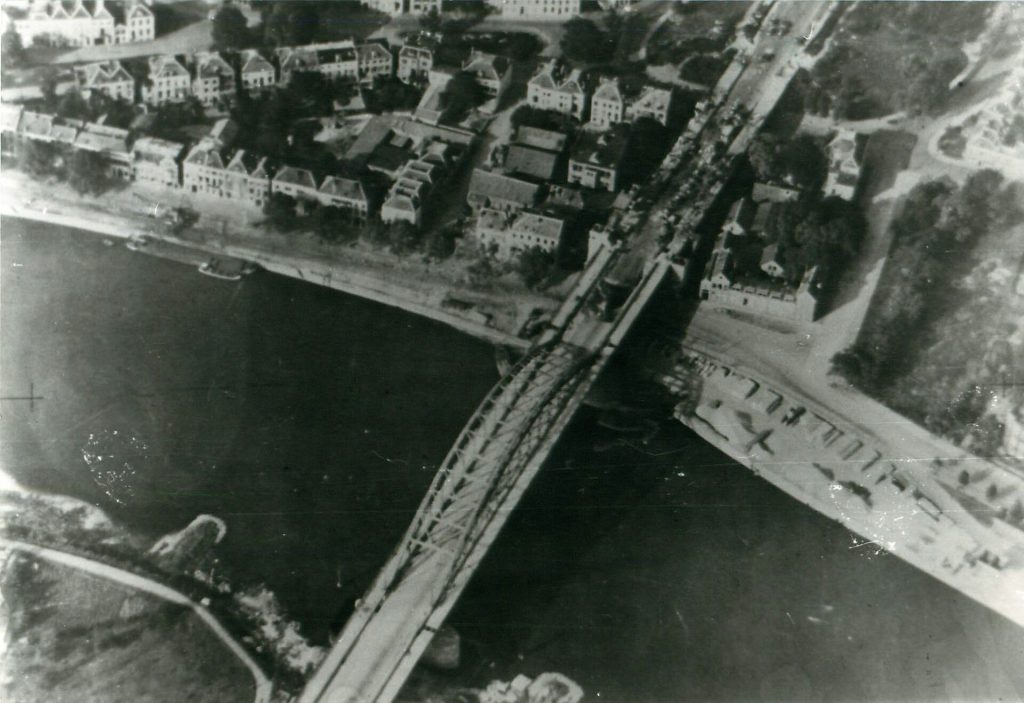
In darkness and rain, the survivors of the British 1st Airborne Division slip down to the Rhine and are ferried across. The bridge too far has been lost.
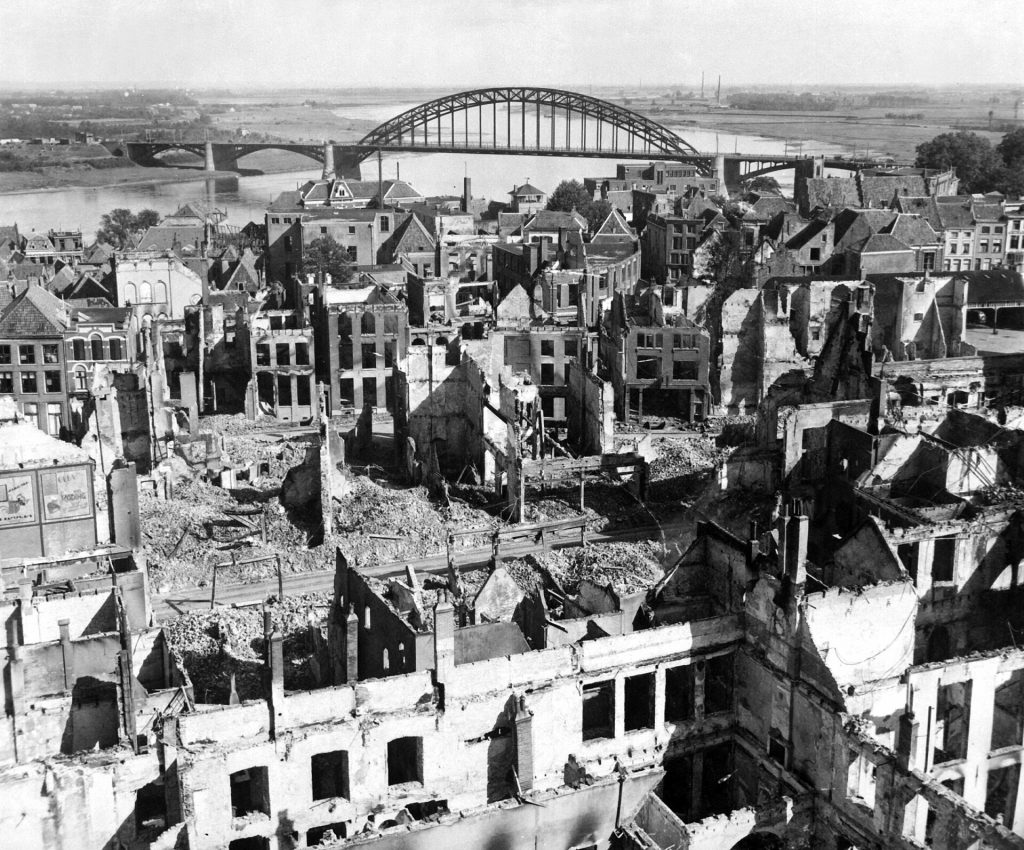
In broad daylight, American paratroopers paddle canvas boats across the wide Waal river under fire to capture the Nijmegen bridge. Arnhem is 18 kilometres away.
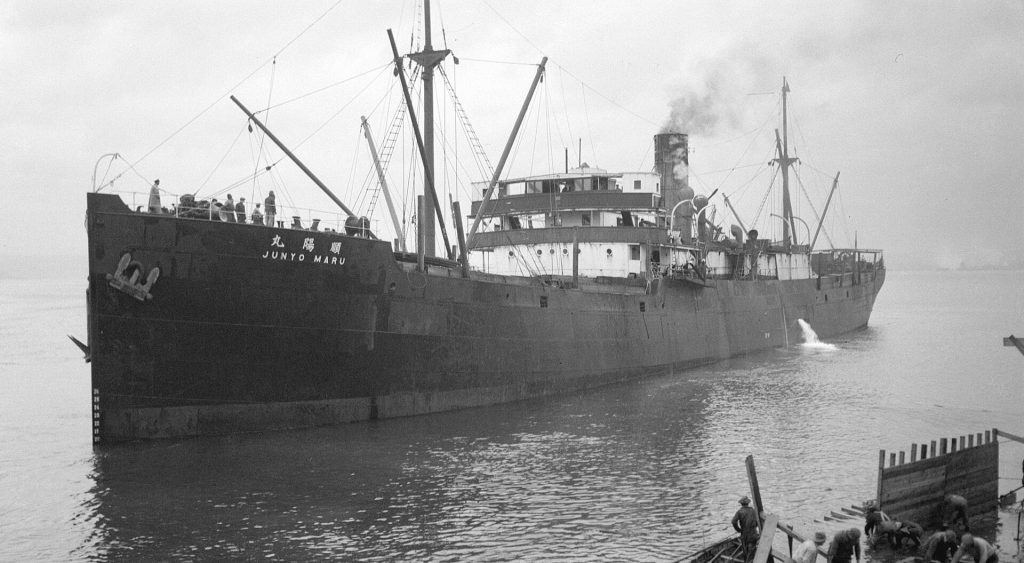
Off the coast of Sumatra, a British submarine torpedoes a Japanese cargo ship. Packed in her holds are thousands of Allied prisoners of war and Javanese forced labourers.
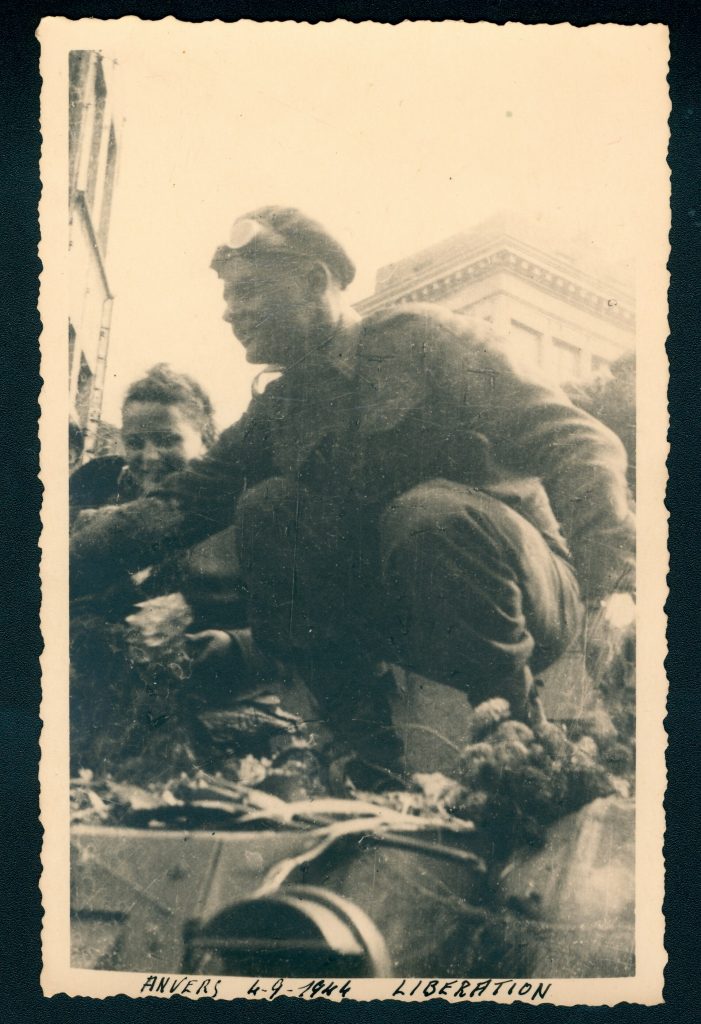
British tanks race into Antwerp, where the Belgian resistance has stopped the Germans from wrecking the docks. The Allies have taken one of Europe’s greatest ports almost intact. But they cannot yet use it.
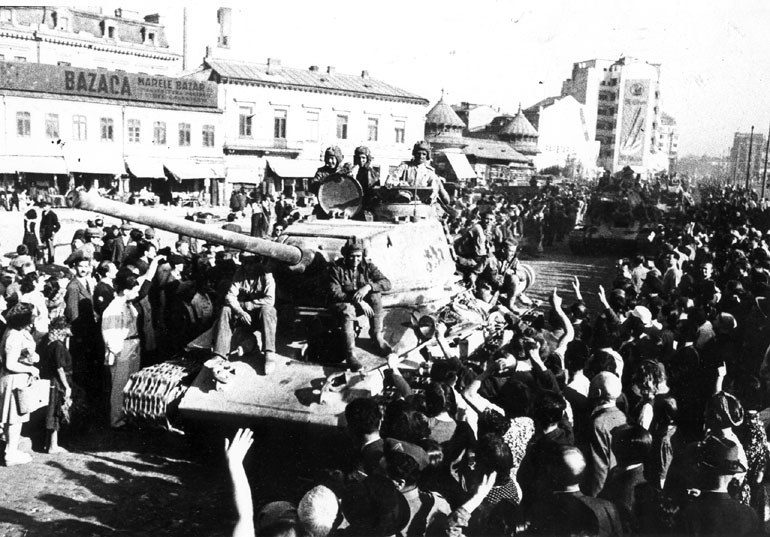
A week after Romania changes sides, Soviet troops enter Bucharest. Germany’s main source of natural oil is lost.
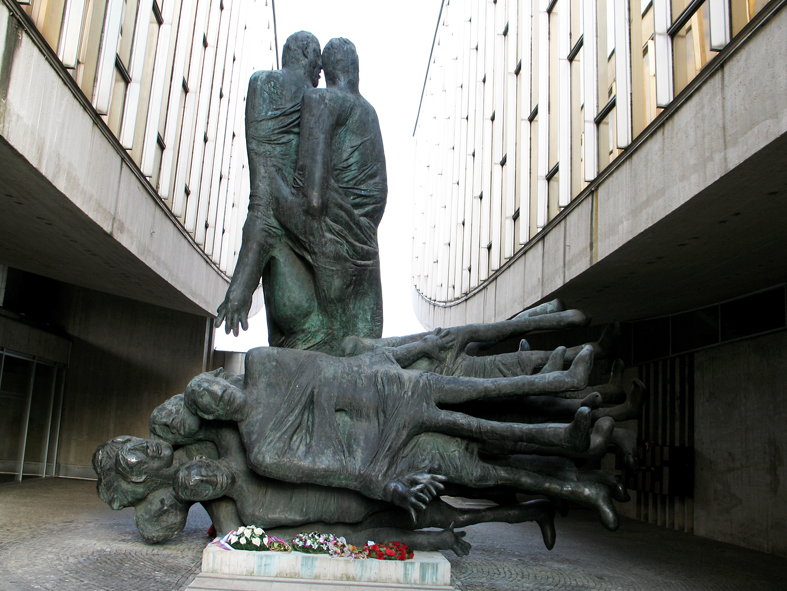
As German troops move into Slovakia, units of the Slovak army and partisans rise against the pro-Nazi regime. Their centre is the town of Banská Bystrica.
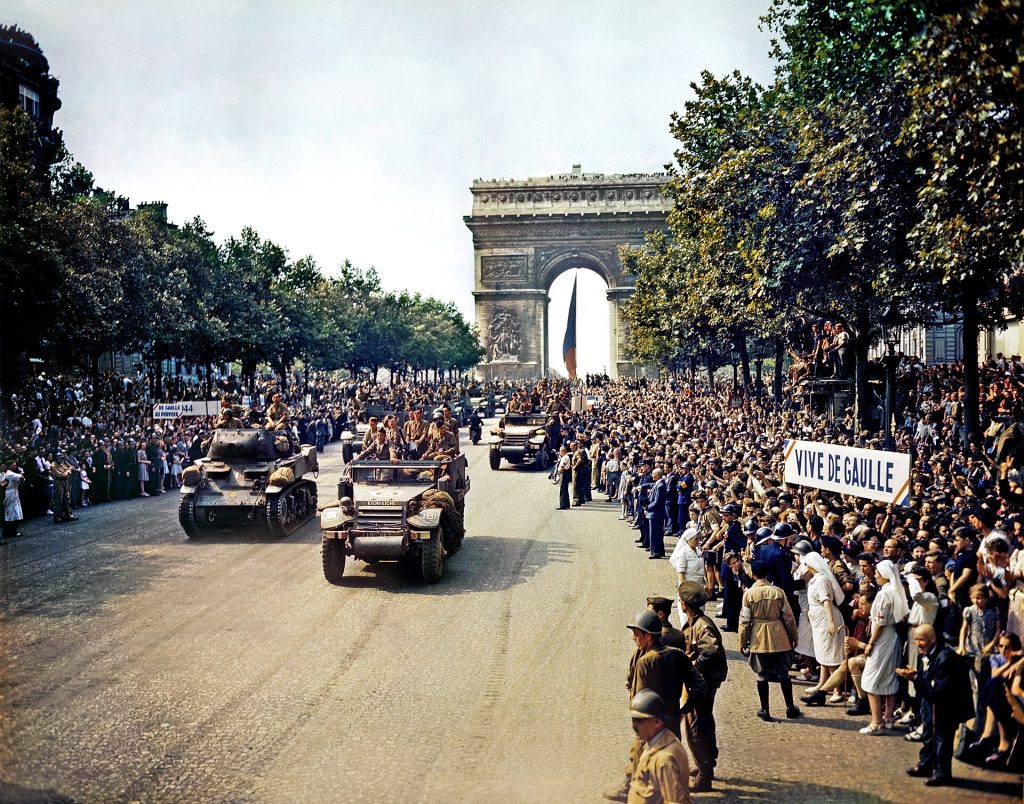
French tanks roll into Paris, and the German commander surrenders. That evening, General de Gaulle speaks to the crowds at the Hôtel de Ville.
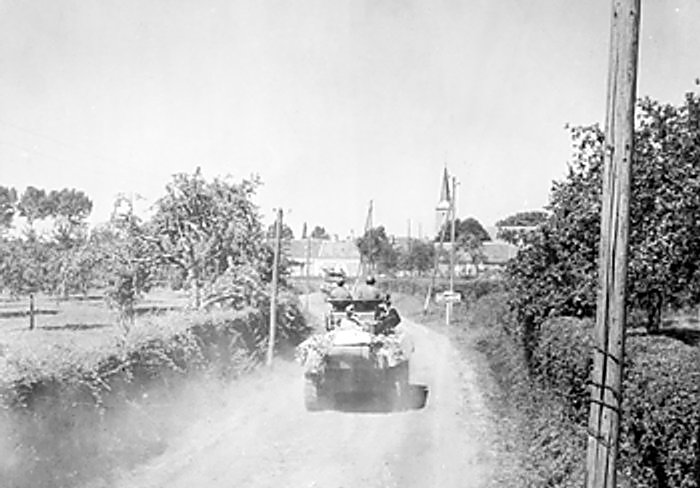
Canadian and Polish troops finally seal the gap at Chambois. The German armies in Normandy have been destroyed.
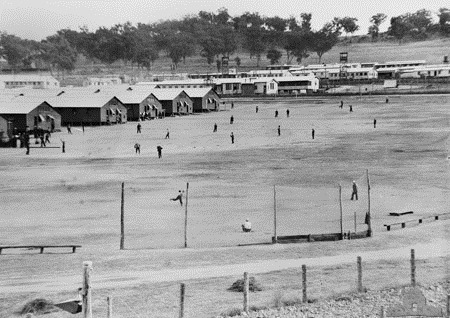
In the early hours, more than a thousand Japanese prisoners of war at Cowra in New South Wales charge the wire. It is one of the largest prison escapes of the war.
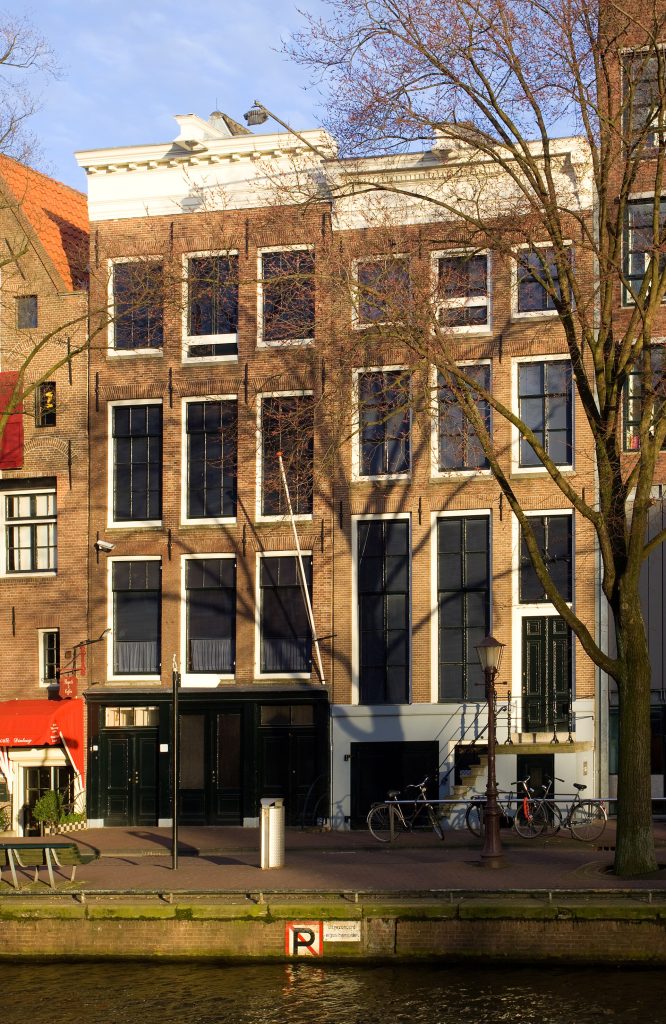
After more than two years in a hidden annexe above a canal-side warehouse in Amsterdam, Anne Frank, her family and four others are discovered and arrested.
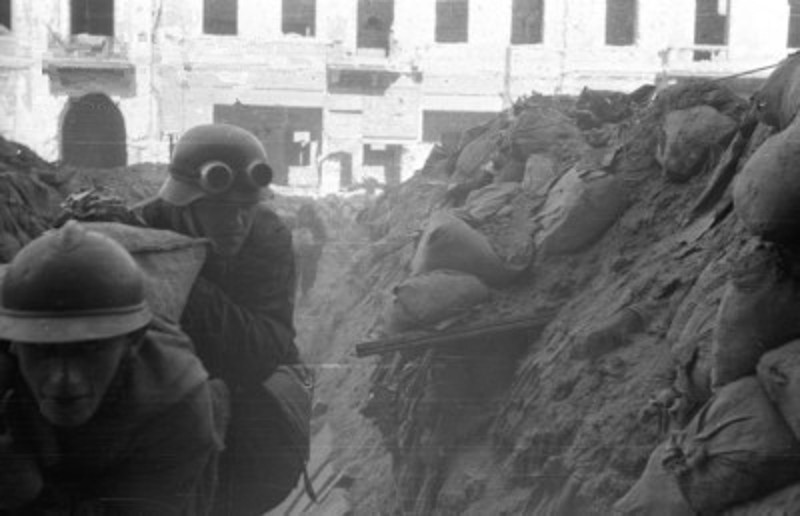
At five in the afternoon, the Polish Home Army rises against the German occupiers of Warsaw. It hopes to free the capital before the Red Army arrives. It will fight alone for 63 days.
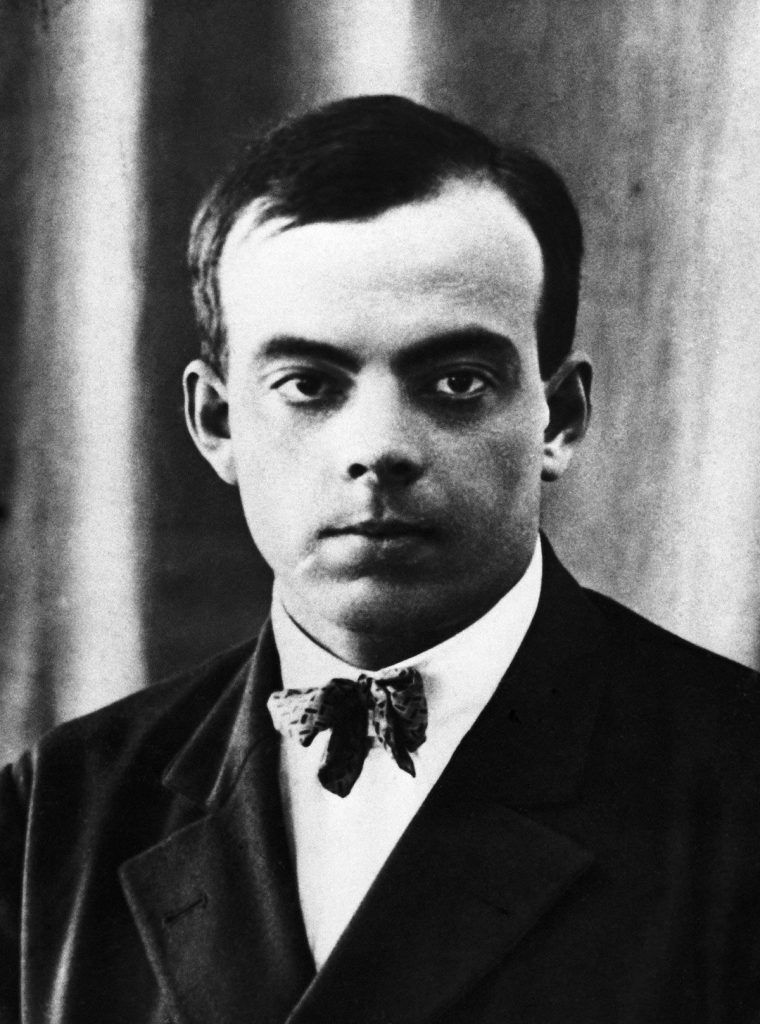
The author of The Little Prince takes off from Corsica on a reconnaissance flight over southern France. He never returns.
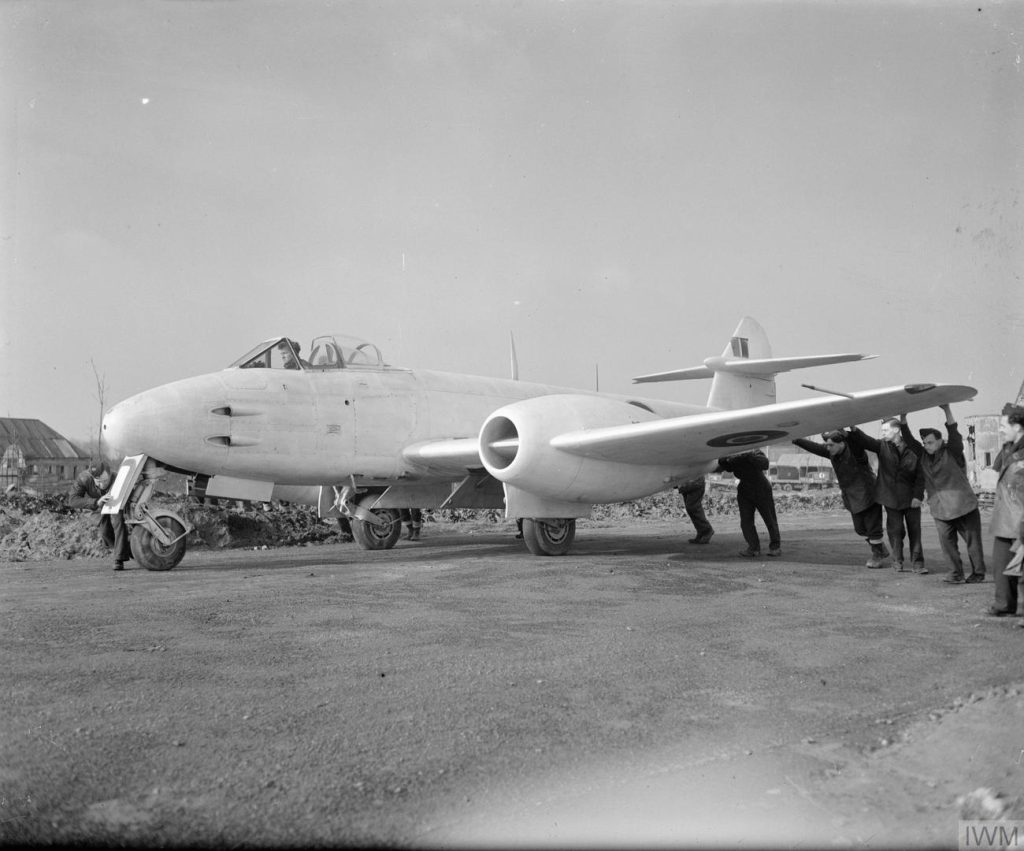
No. 616 Squadron flies the RAF’s first operational jet sorties, hunting the V-1 flying bombs that are falling on London. The Gloster Meteor is the only Allied jet to see combat in the war.
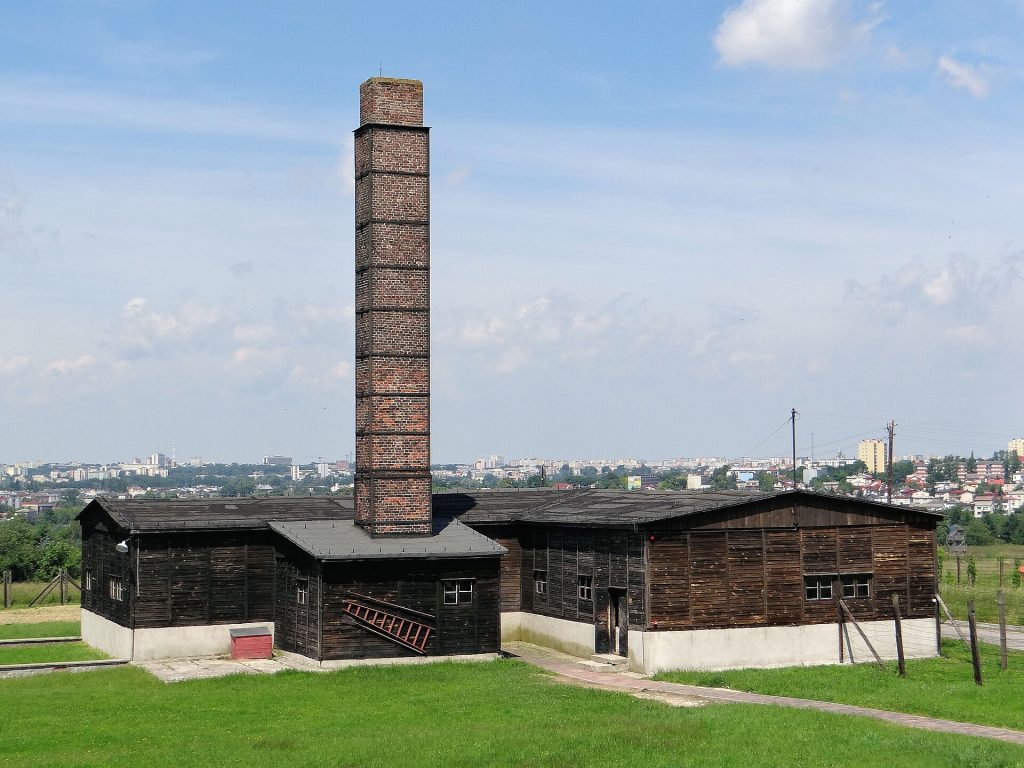
Advancing on Lublin, the Red Army reaches the Majdanek concentration camp, which the SS had no time to destroy. It is the first major Nazi camp to be liberated.
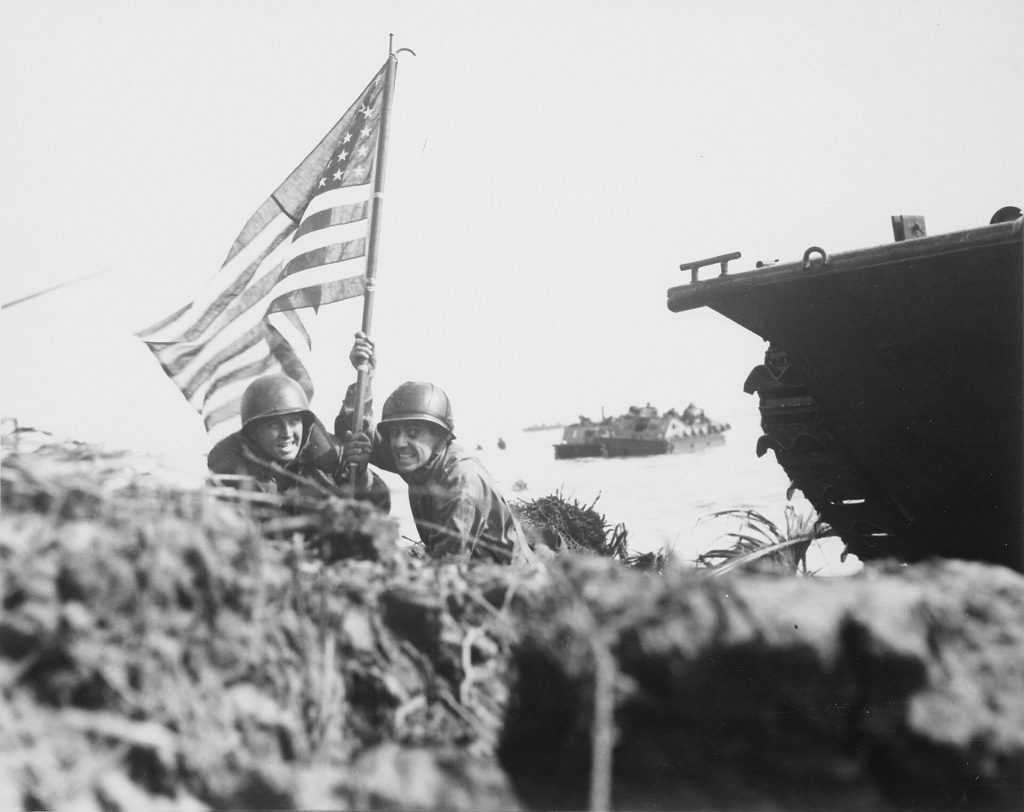
After the longest preliminary bombardment of the Pacific war so far, American Marines and soldiers land on Guam, the US territory captured by Japan in December 1941.
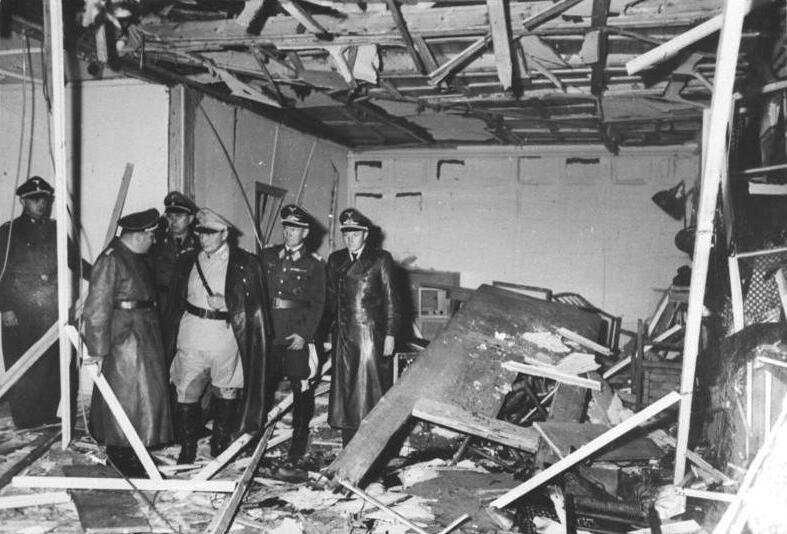
At Hitler’s headquarters in East Prussia, a bomb in a briefcase explodes beneath the conference table. Hitler survives, and the conspiracy to overthrow him collapses within hours.
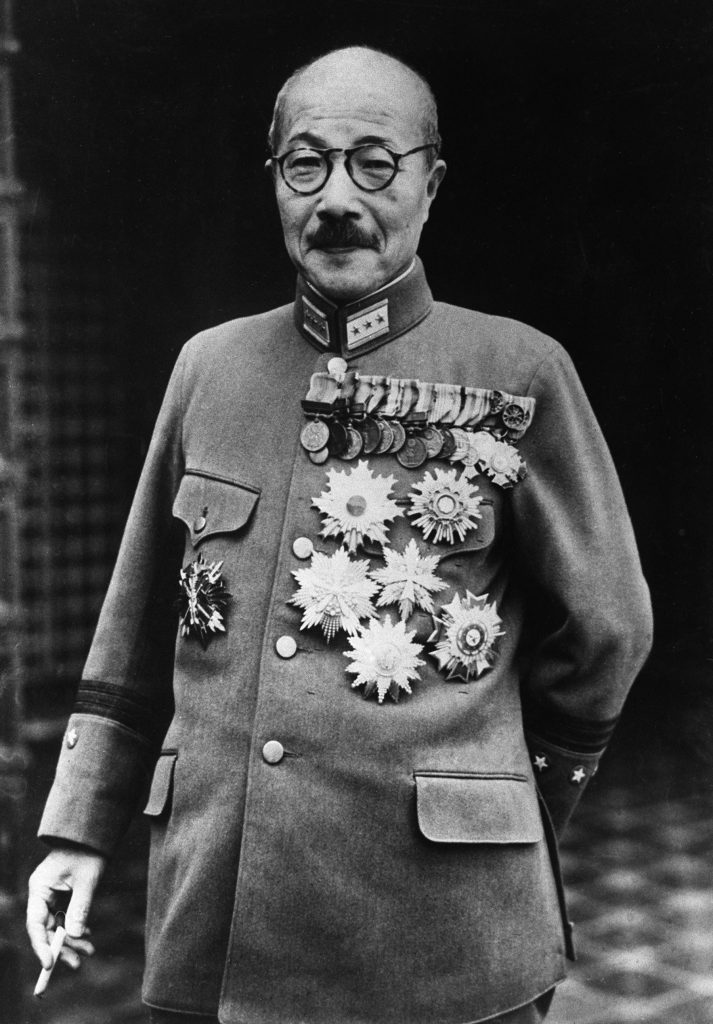
After the loss of Saipan, General Hideki Tojo and his cabinet resign. The man who led Japan into war with the United States is out of power.
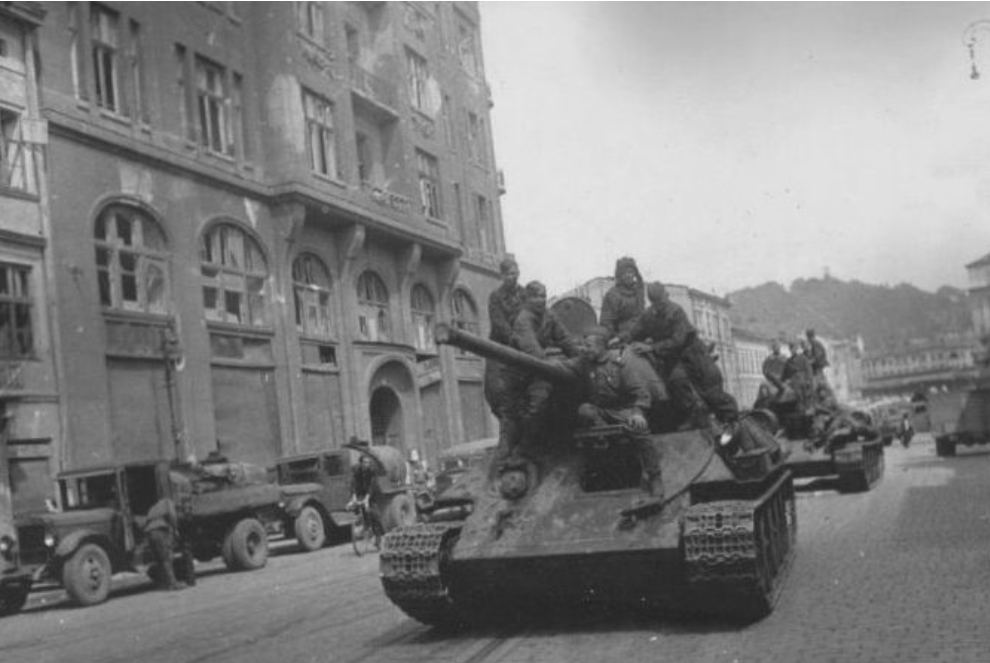
As Army Group Centre collapses in Belarus, Marshal Konev strikes in western Ukraine. Within weeks his armies take Lwów and seize a bridgehead across the Vistula.
 United Kingdom
 United States
 Soviet Union
 Germany
 Japan
 France
 Poland
 South Africa