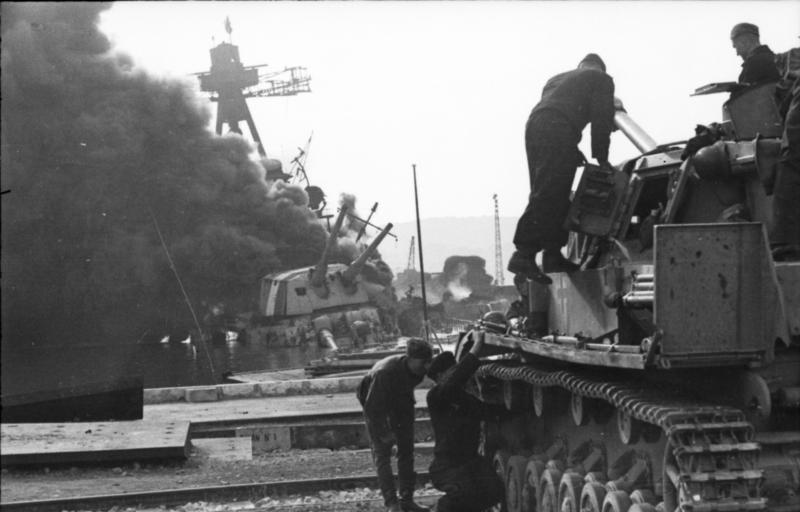
11 November 1942: Case Anton: Germany Occupies Vichy France
Three days after the Allied landings in North Africa, German and Italian troops pour into the unoccupied zone of France, ending the fiction of Vichy independence.
Persecution, genocide and occupation, and those who resisted.
Three days after the Allied landings in North Africa, German and Italian troops pour into the unoccupied zone of France, ending the fiction of Vichy independence.
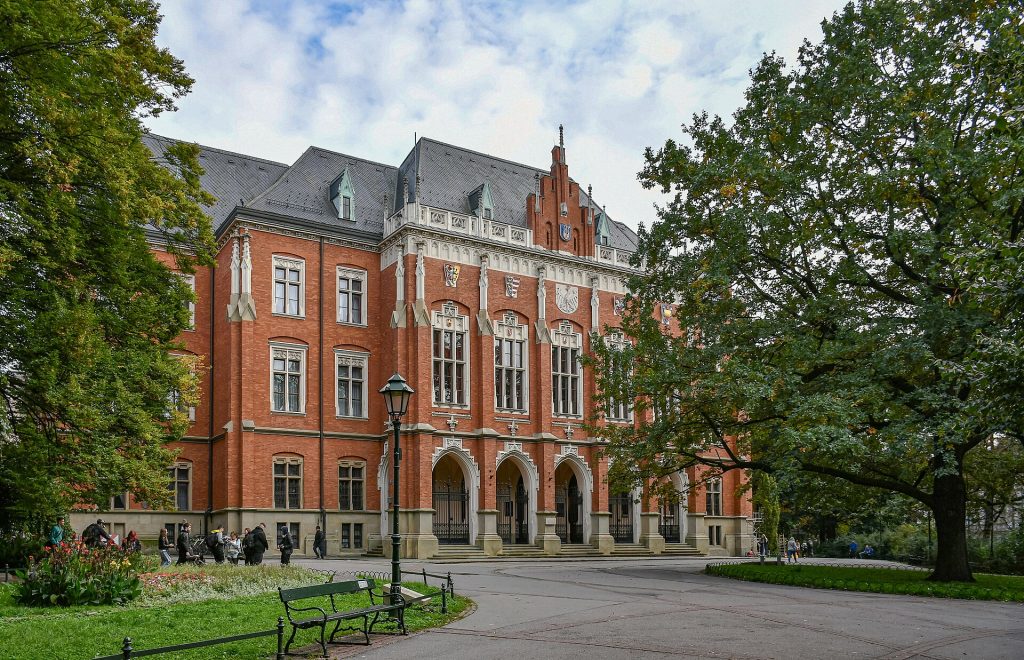
Summoned to a lecture at Kraków’s ancient university, 184 Polish scholars are arrested by the Gestapo and sent to a concentration camp, the opening blow of a campaign to destroy Poland’s educated class.
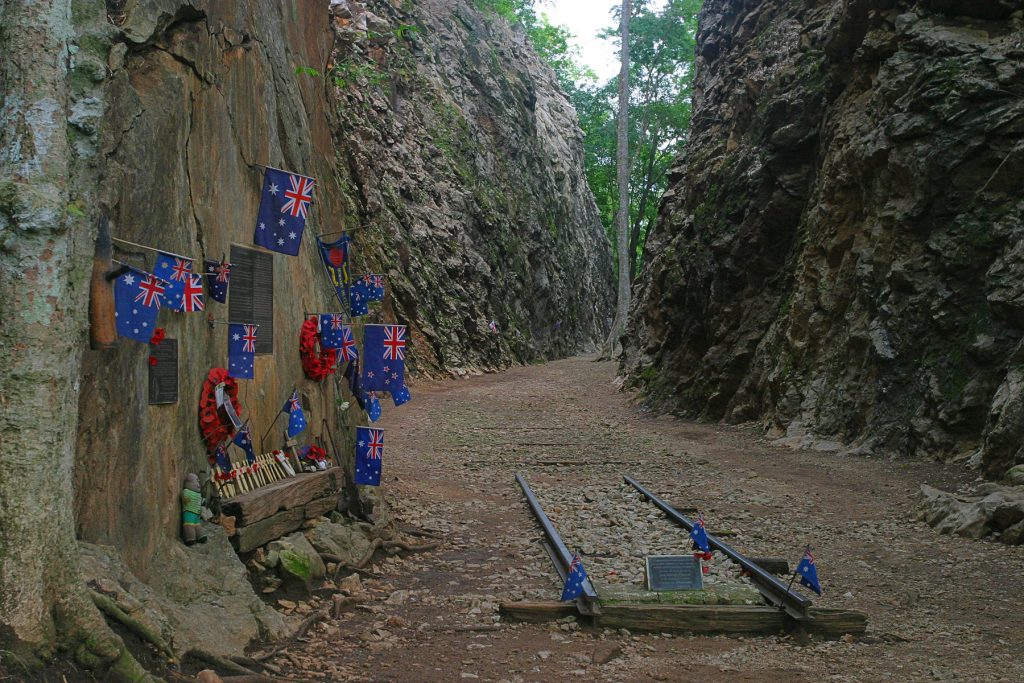
Near the Thai-Burmese border, the two halves of a 415-kilometre railway built by prisoners of war and Asian labourers are joined. Tens of thousands have died building it.
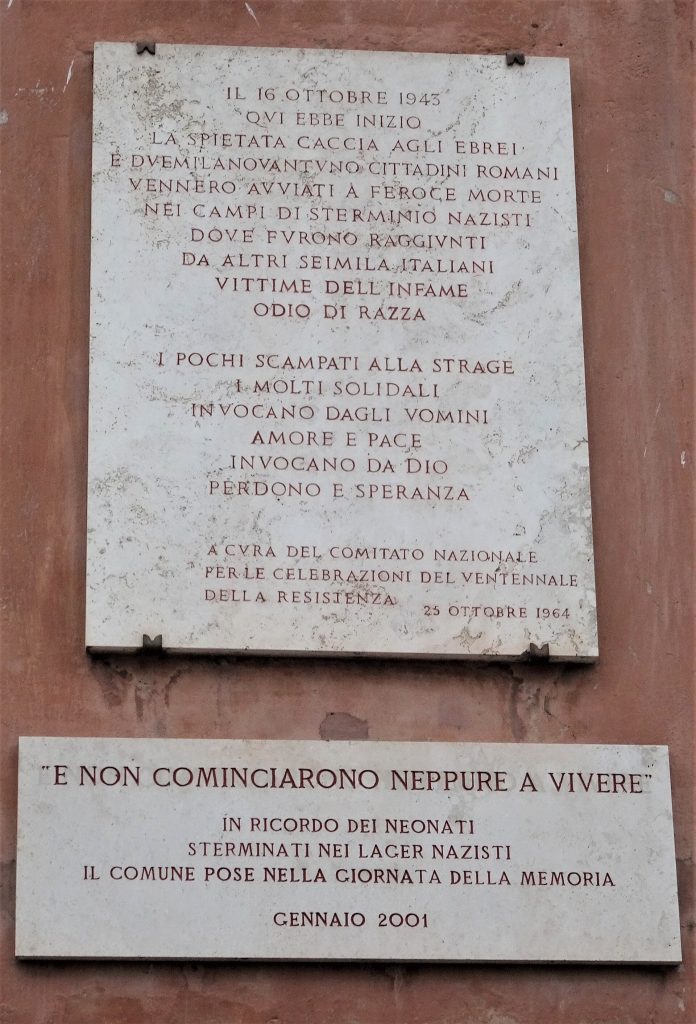
Before dawn on a Saturday, German police and SS troops seal off the old Jewish quarter of Rome and begin seizing families from their homes. Two days later a train leaves for Auschwitz.

Hungary’s regent, Admiral Horthy, announces on the radio that Hungary will stop fighting. Within hours, German commandos have kidnapped his son and forced him to hand power to the fascist Arrow Cross.
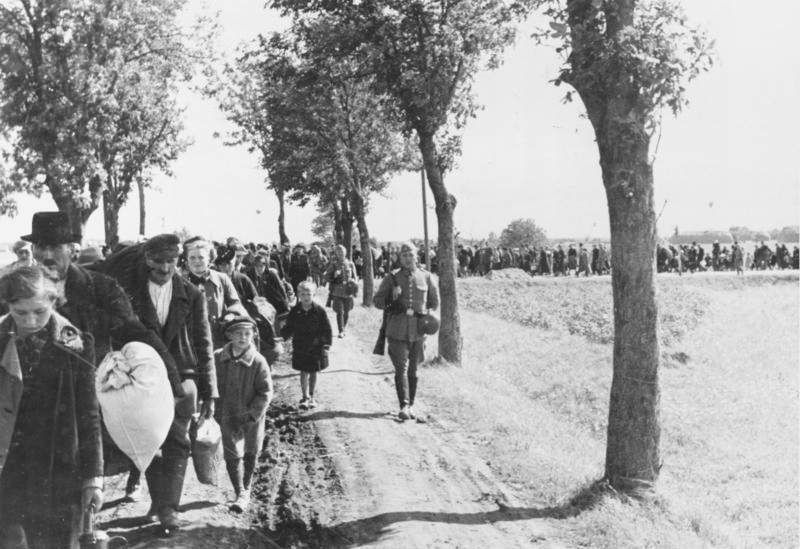
By decree, Hitler incorporates large parts of western Poland into Germany. Their Polish and Jewish inhabitants are to be expelled to make room for German settlers.
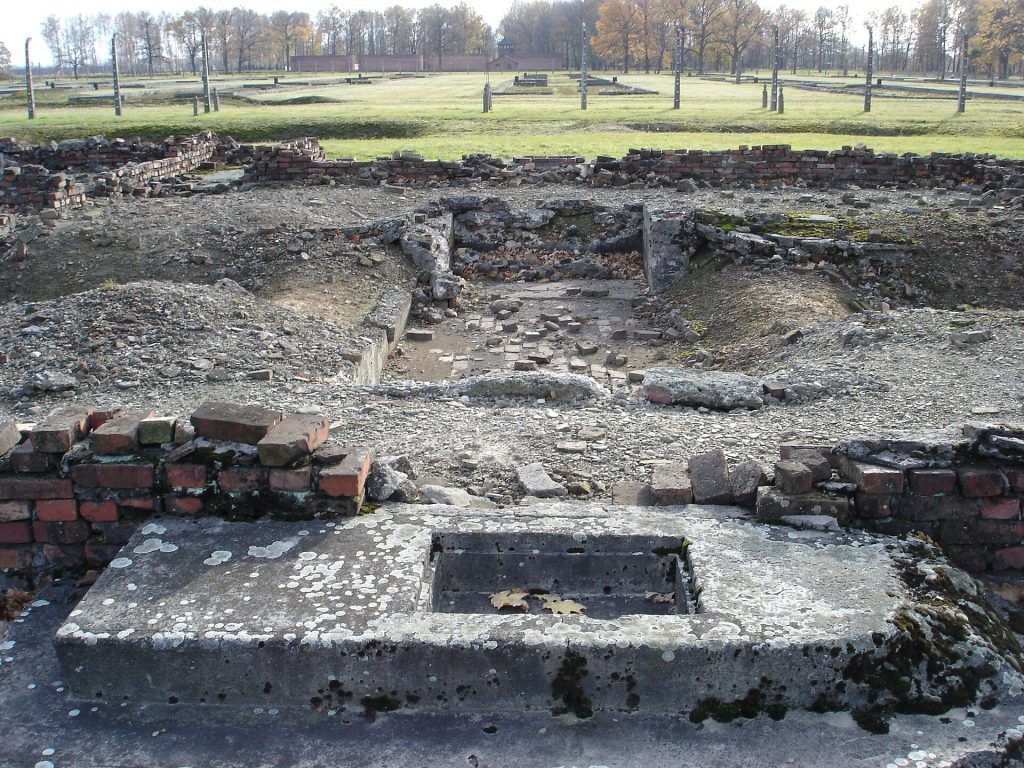
At Auschwitz-Birkenau, Jewish prisoners forced to work in the crematoria rise up against the SS. They set Crematorium IV on fire with smuggled explosives.
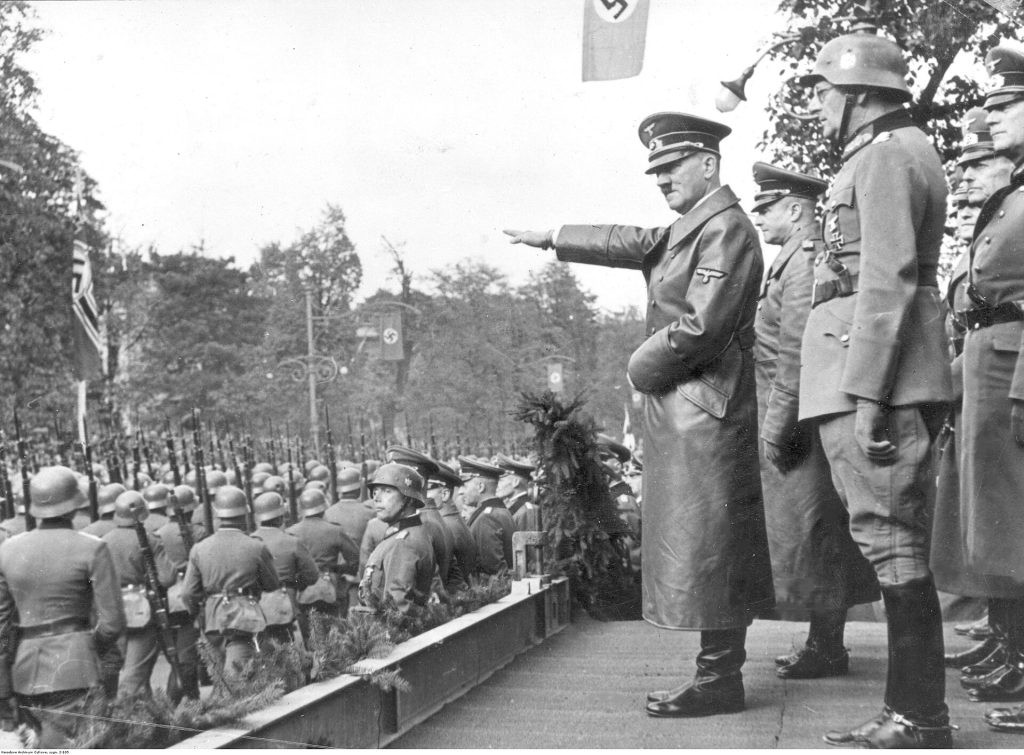
A week after Warsaw’s surrender, Hitler flies to the city to take a victory parade of German troops. To foreign journalists, he has a message: look at Warsaw.

After 63 days, the Home Army signs the capitulation of Warsaw. Its fighters go into captivity as prisoners of war. Hitler orders the city to be wiped off the map.
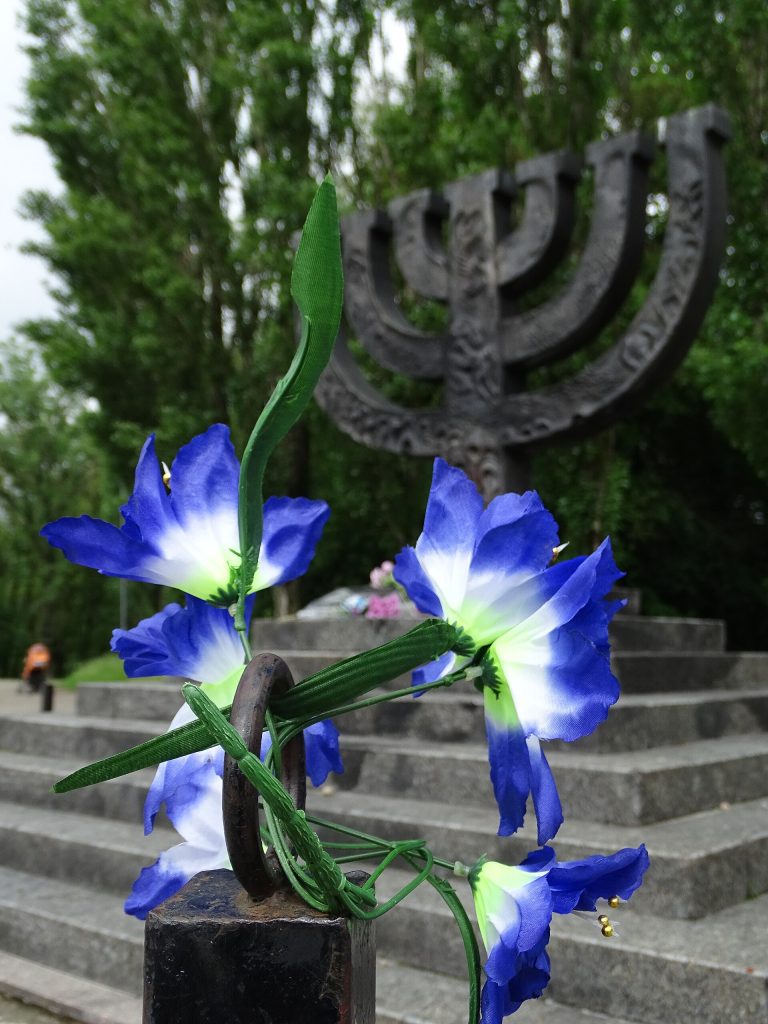
Ordered to assemble with their documents and belongings, the Jews of Kiev are marched to a ravine on the edge of the city. Over two days, 33,771 people are shot.

While the fighting in Poland is still going on, Reinhard Heydrich sends an urgent letter to his SS task force commanders. Jews are to be concentrated in cities, under Jewish councils answerable to the Germans.
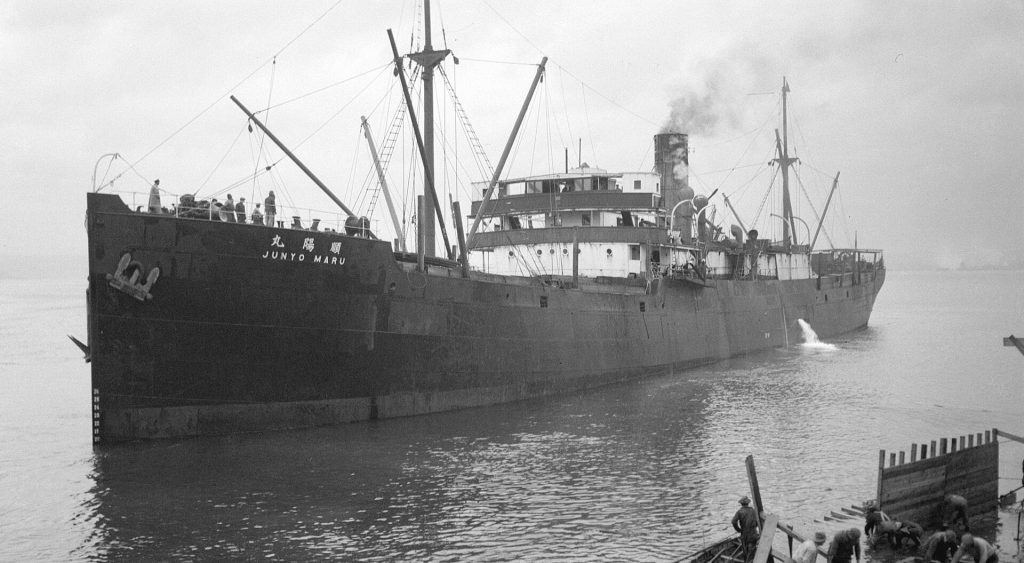
Off the coast of Sumatra, a British submarine torpedoes a Japanese cargo ship. Packed in her holds are thousands of Allied prisoners of war and Javanese forced labourers.
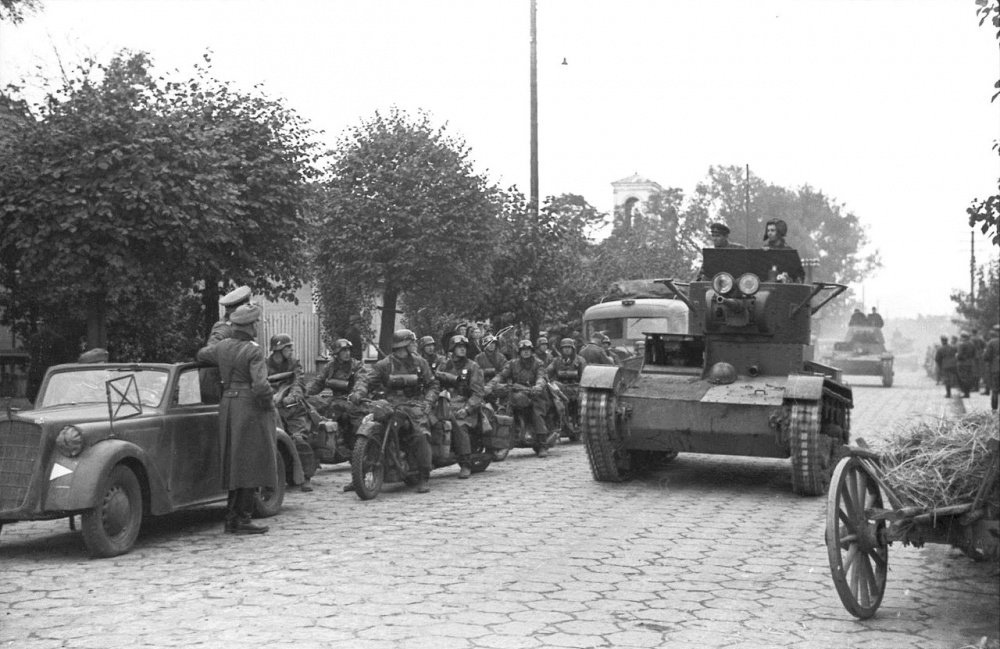
While the Polish army is fighting the Germans in the west, the Red Army crosses Poland’s eastern border. Moscow claims that the Polish state has ceased to exist.
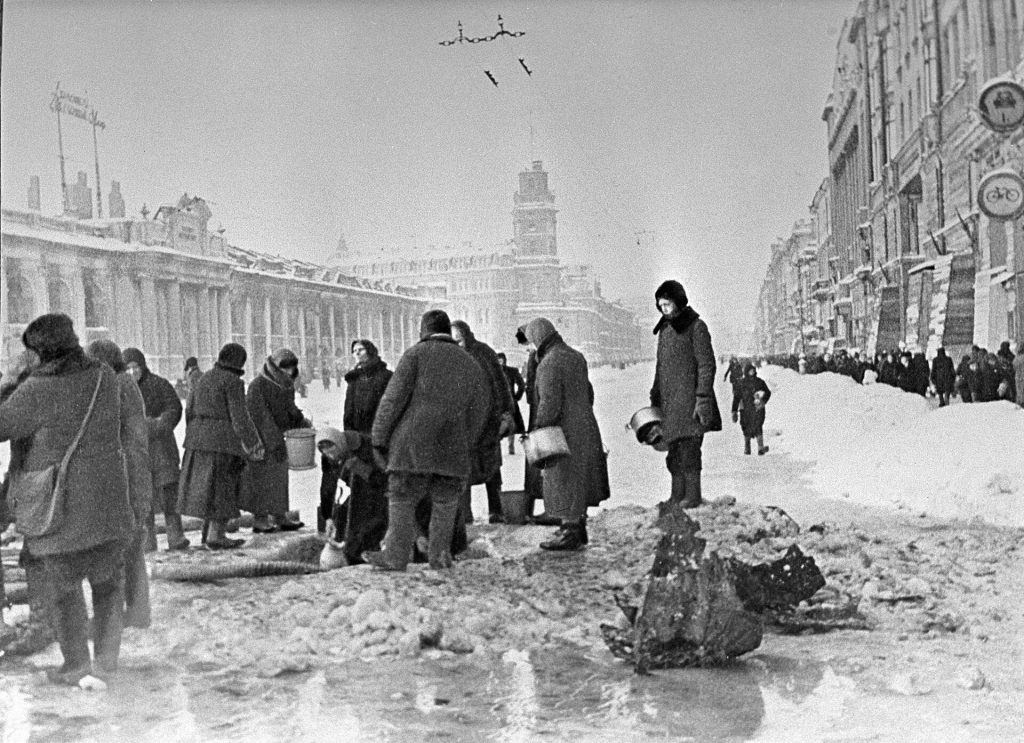
German troops take Shlisselburg on Lake Ladoga, cutting the last land route to Leningrad. The city of three million is surrounded. The siege will last 872 days.
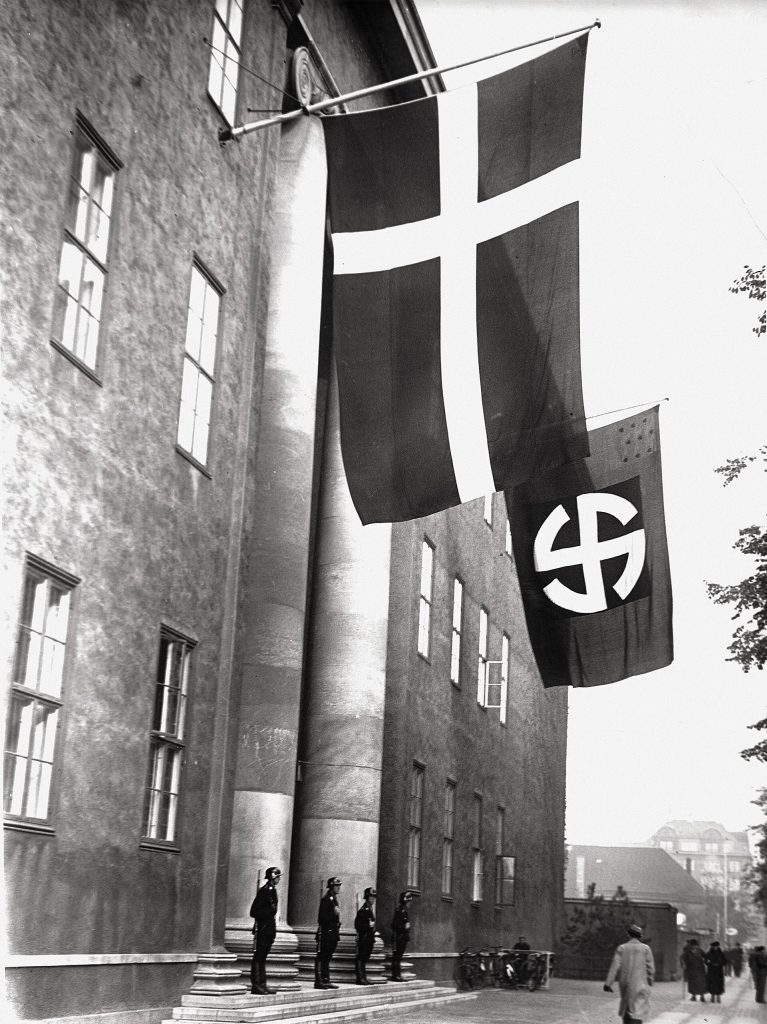
Faced with a German ultimatum to declare a state of emergency and impose the death penalty for sabotage, the Danish government refuses. The next day, Germany takes direct control.
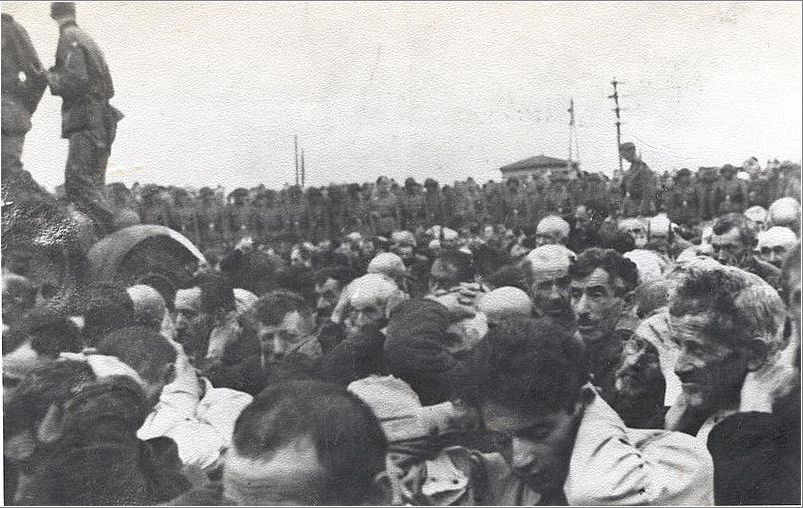
As German forces surround the ghetto to begin its final liquidation, Jewish resistance fighters in Białystok open fire. They know they cannot win.
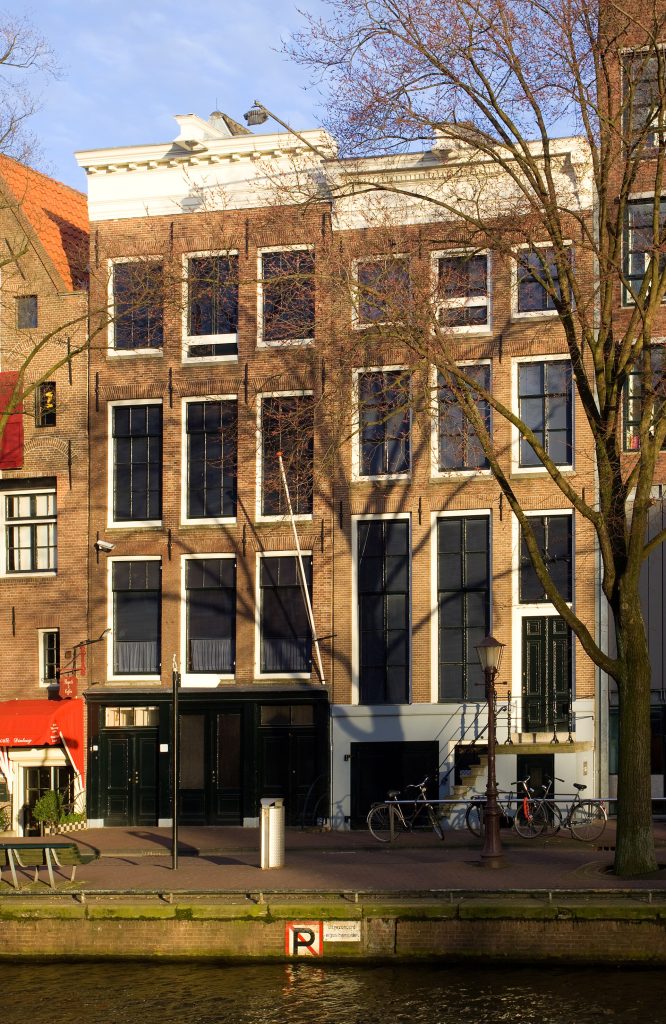
After more than two years in a hidden annexe above a canal-side warehouse in Amsterdam, Anne Frank, her family and four others are discovered and arrested.
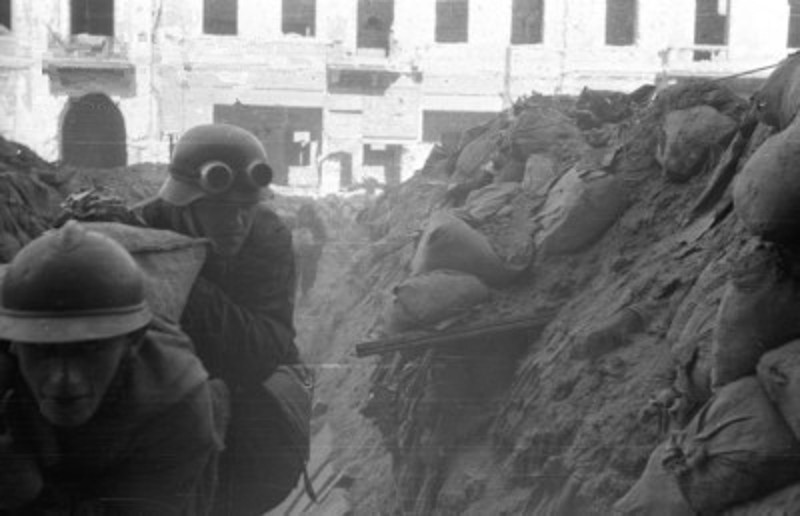
At five in the afternoon, the Polish Home Army rises against the German occupiers of Warsaw. It hopes to free the capital before the Red Army arrives. It will fight alone for 63 days.
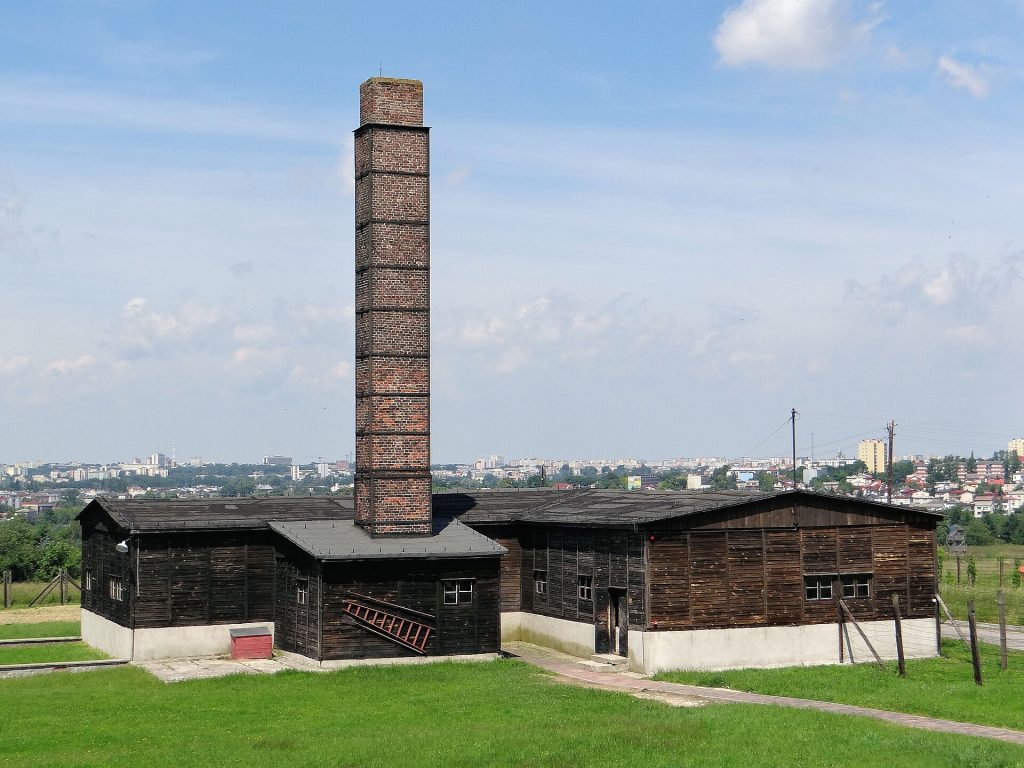
Advancing on Lublin, the Red Army reaches the Majdanek concentration camp, which the SS had no time to destroy. It is the first major Nazi camp to be liberated.
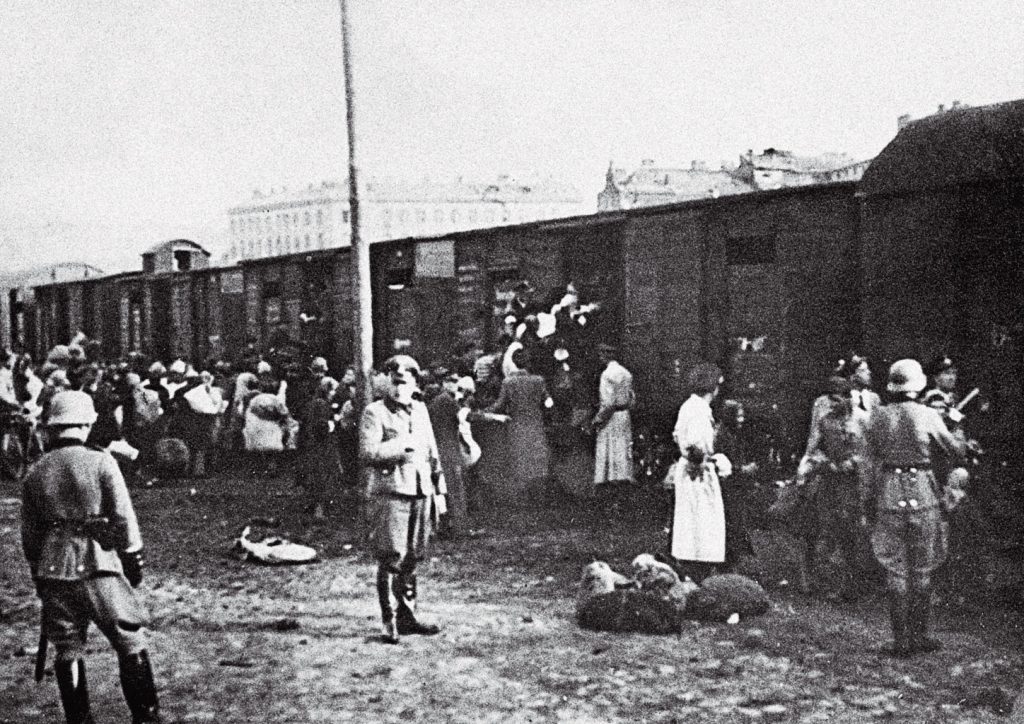
The SS orders the Jewish Council of the Warsaw Ghetto to deliver thousands of people a day for “resettlement in the east”. They are being sent to their deaths at Treblinka.
 United Kingdom
 United States
 Soviet Union
 Germany
 Japan
 France
 Poland
 South Africa