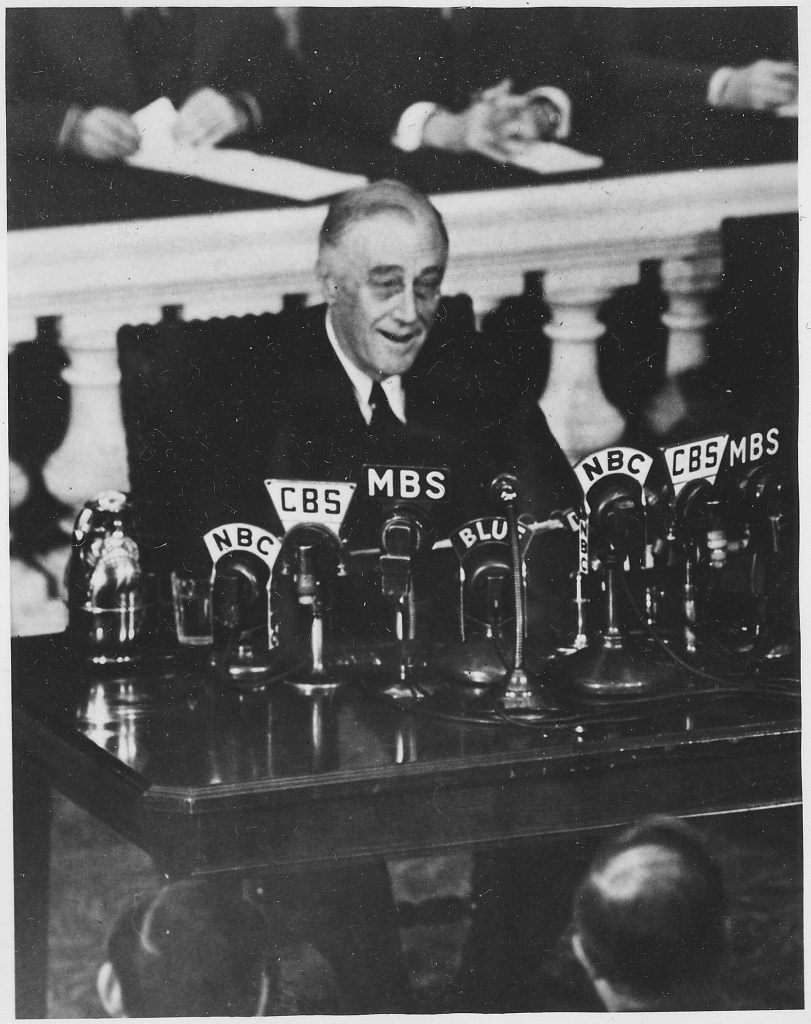
1 March 1945: Roosevelt Reports on Yalta
Back from the Crimea, an exhausted Roosevelt addresses Congress sitting down, and for the first time in public speaks of the steel braces on his legs.
Every dispatch dated in March, across all six years of the war.
Back from the Crimea, an exhausted Roosevelt addresses Congress sitting down, and for the first time in public speaks of the steel braces on his legs.
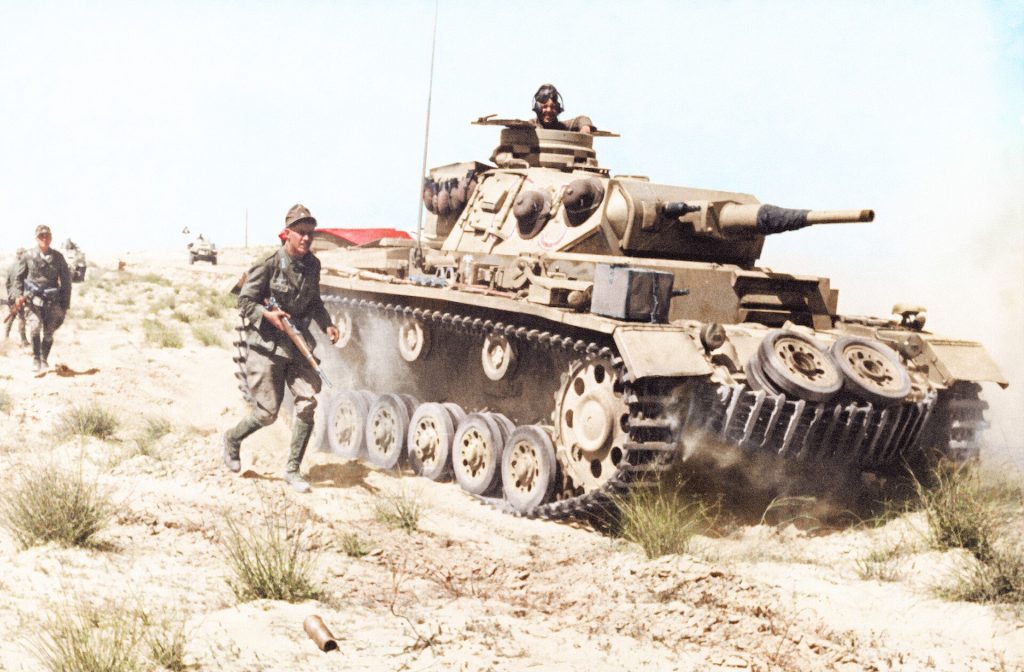
Weeks after arriving in Libya with orders to defend, Erwin Rommel attacks the thin British line at Mersa el Brega. Within two weeks the British are back in Egypt.
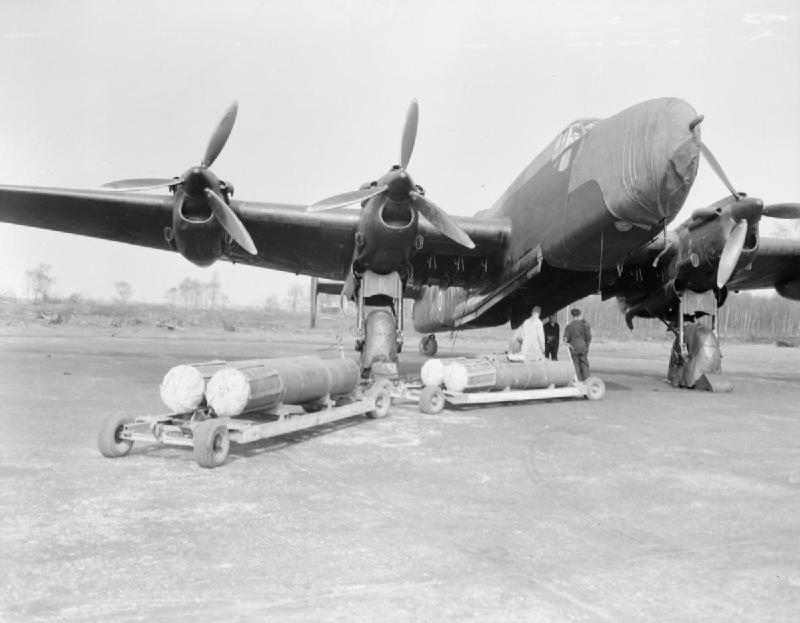
Under a bright moon and without the expected cloud, RAF Bomber Command flies a long, straight route into Germany. German night fighters are waiting.
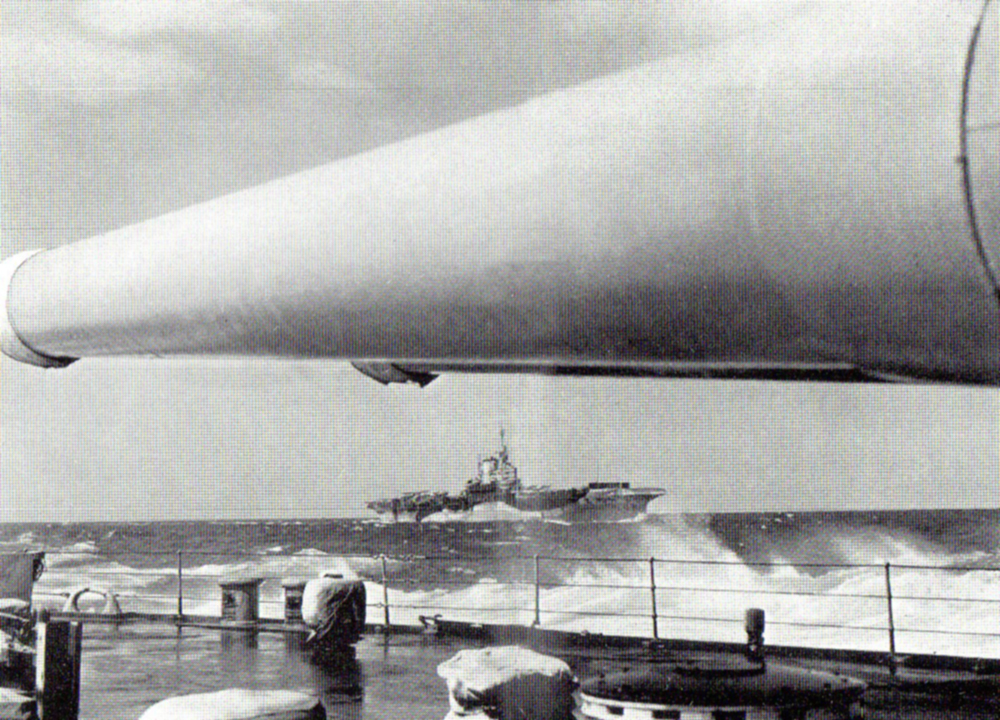
In the darkness off southern Greece, three British battleships open fire at point-blank range on unsuspecting Italian cruisers. Within minutes, two are wrecked.
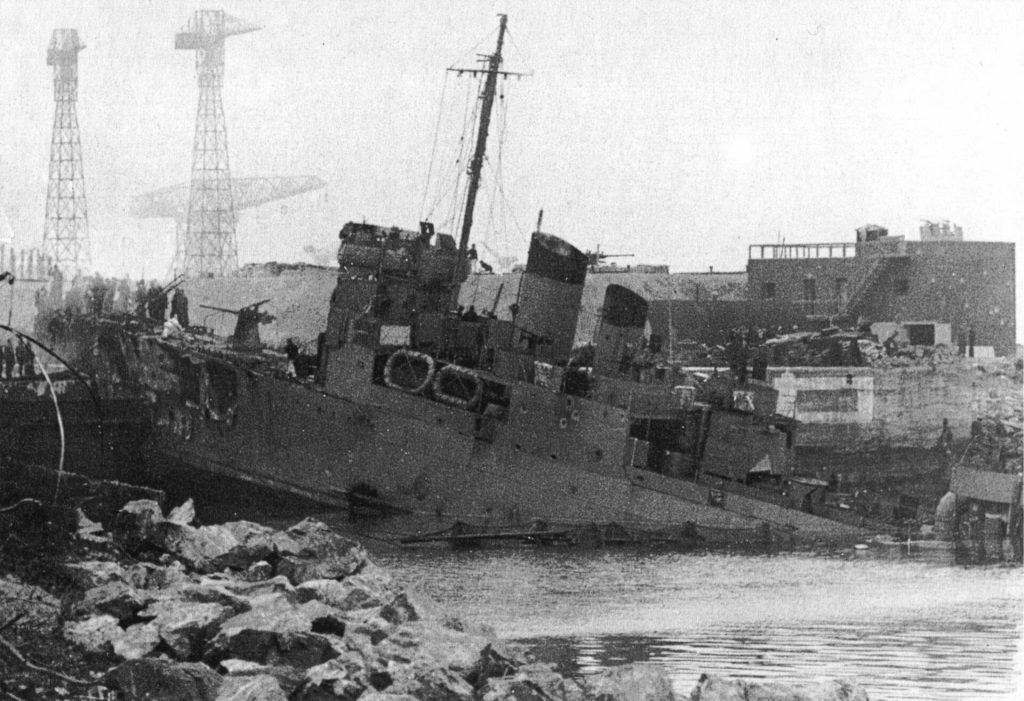
An old destroyer packed with explosives rams the gates of the only dry dock on the Atlantic coast big enough for the Tirpitz. Hours later, it blows up.
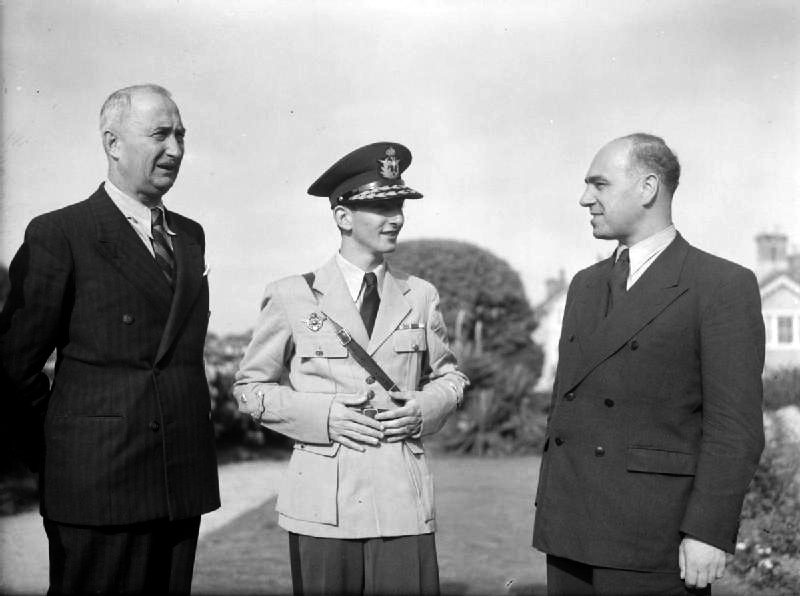
Yugoslav air force officers overthrow the regency that signed the Axis pact. Crowds fill the streets of Belgrade. In Berlin, Hitler orders Yugoslavia destroyed.
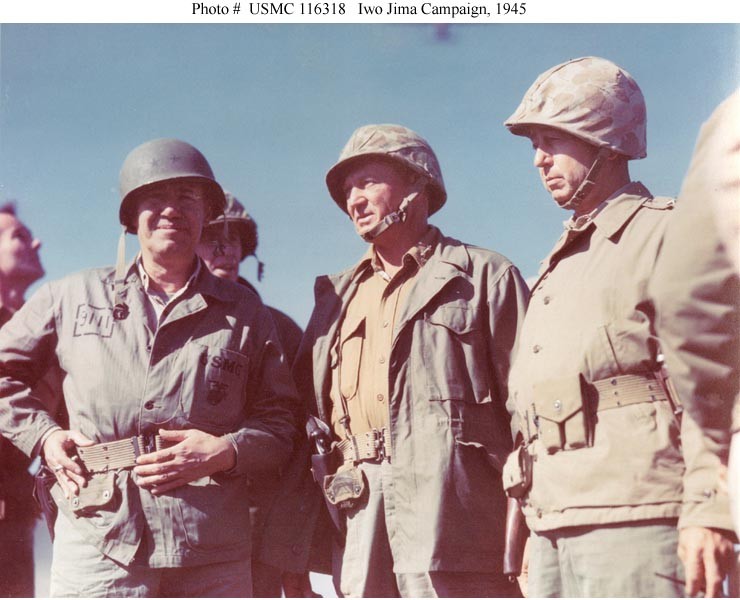
Before dawn, the last Japanese survivors launch a surprise attack on American camps near the airfields. When it is beaten off, the battle for Iwo Jima is declared over.
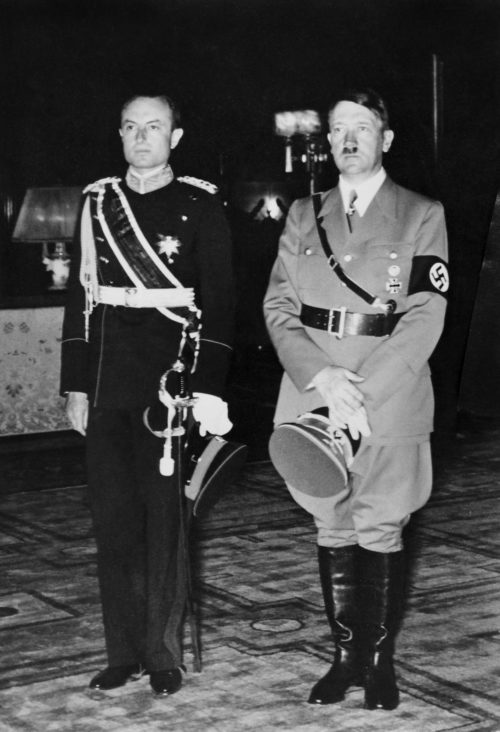
Under heavy German pressure, Yugoslavia’s government signs the Tripartite Pact in Vienna. Within two days, the decision will bring it down.
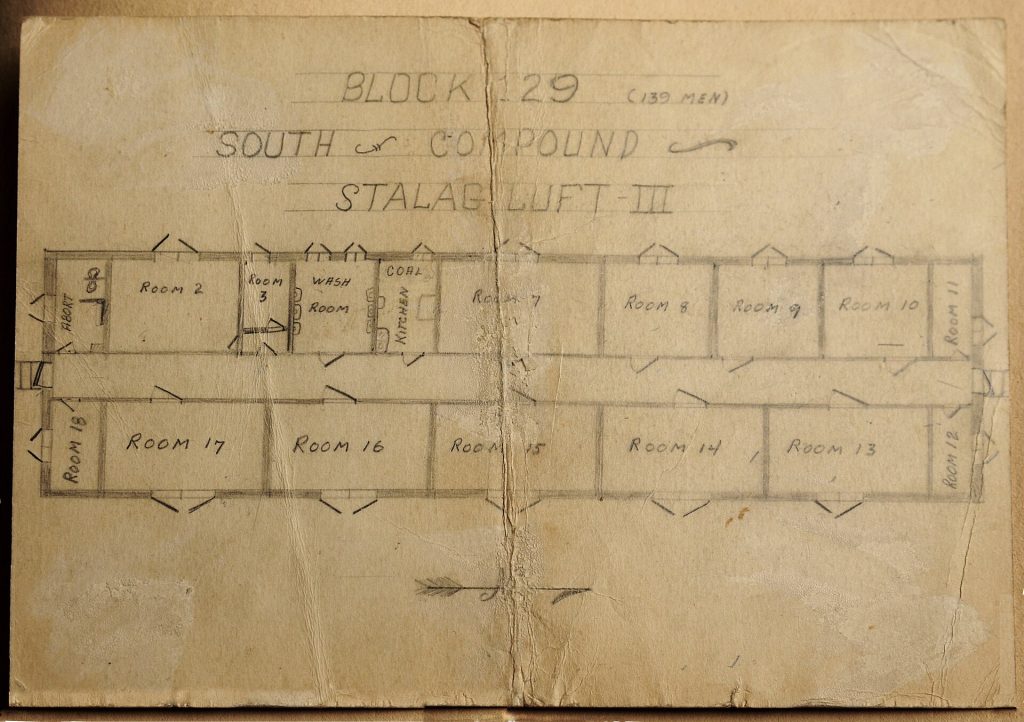
On a freezing night, Allied airmen begin crawling through a tunnel under the wire of Stalag Luft III. Seventy-six get out. Fifty will be shot.
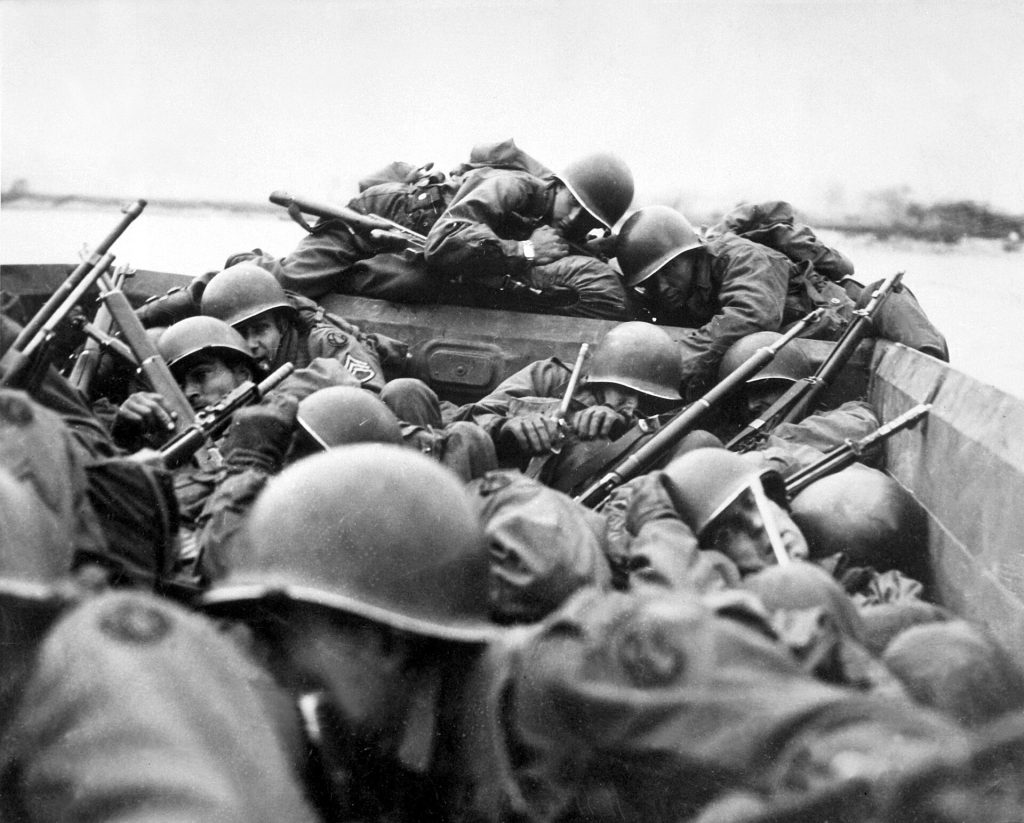
After a thunderous bombardment, Montgomery’s 21st Army Group crosses the Rhine on a broad front at night. The next morning two airborne divisions land on the far bank.
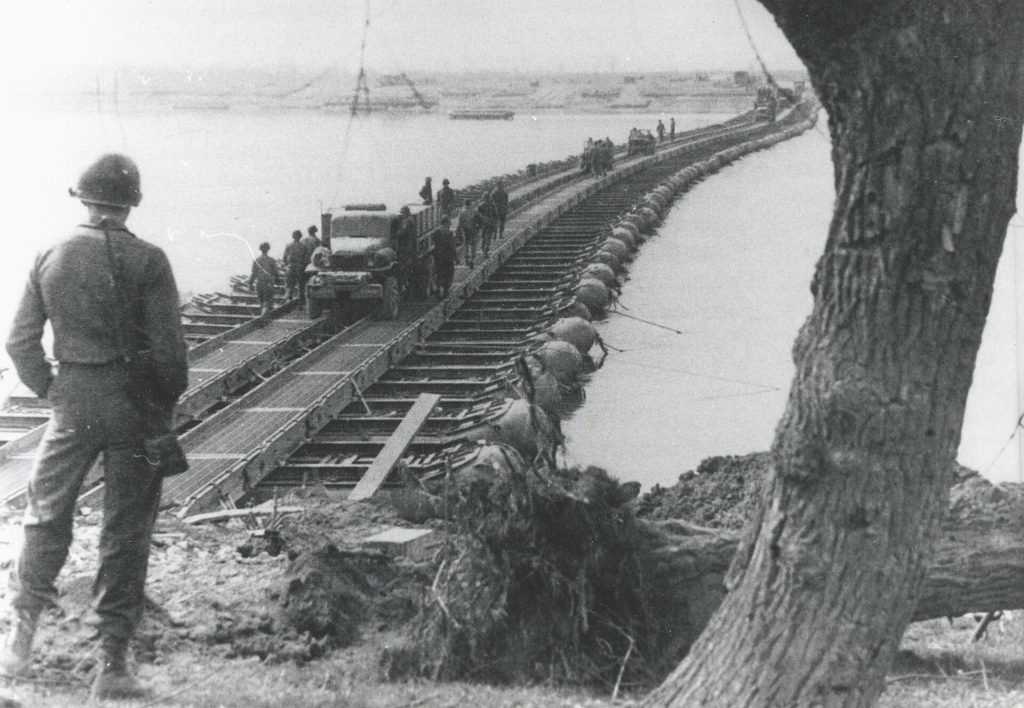
Without a bombardment or an announcement, Patton’s infantry quietly paddle across the Rhine at night. They beat Montgomery’s carefully prepared crossing by a day.
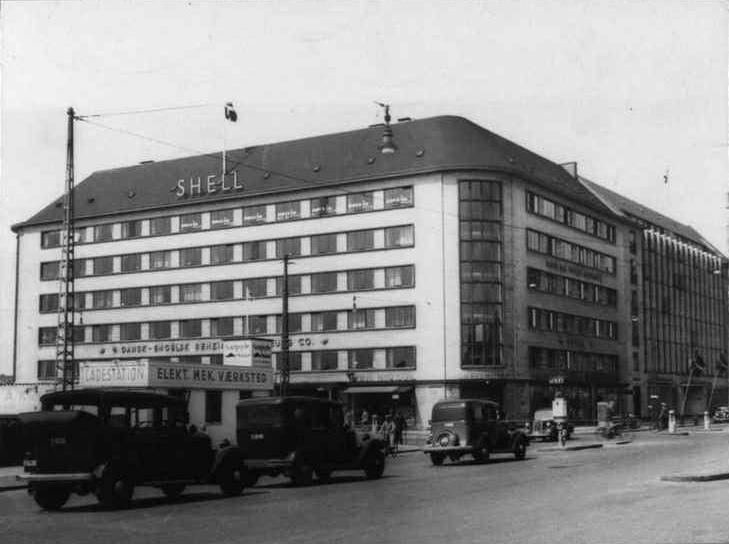
RAF Mosquitos attack the Gestapo headquarters in Copenhagen at rooftop height. Prisoners escape and records burn, but a tragic error kills dozens of children at a nearby school.
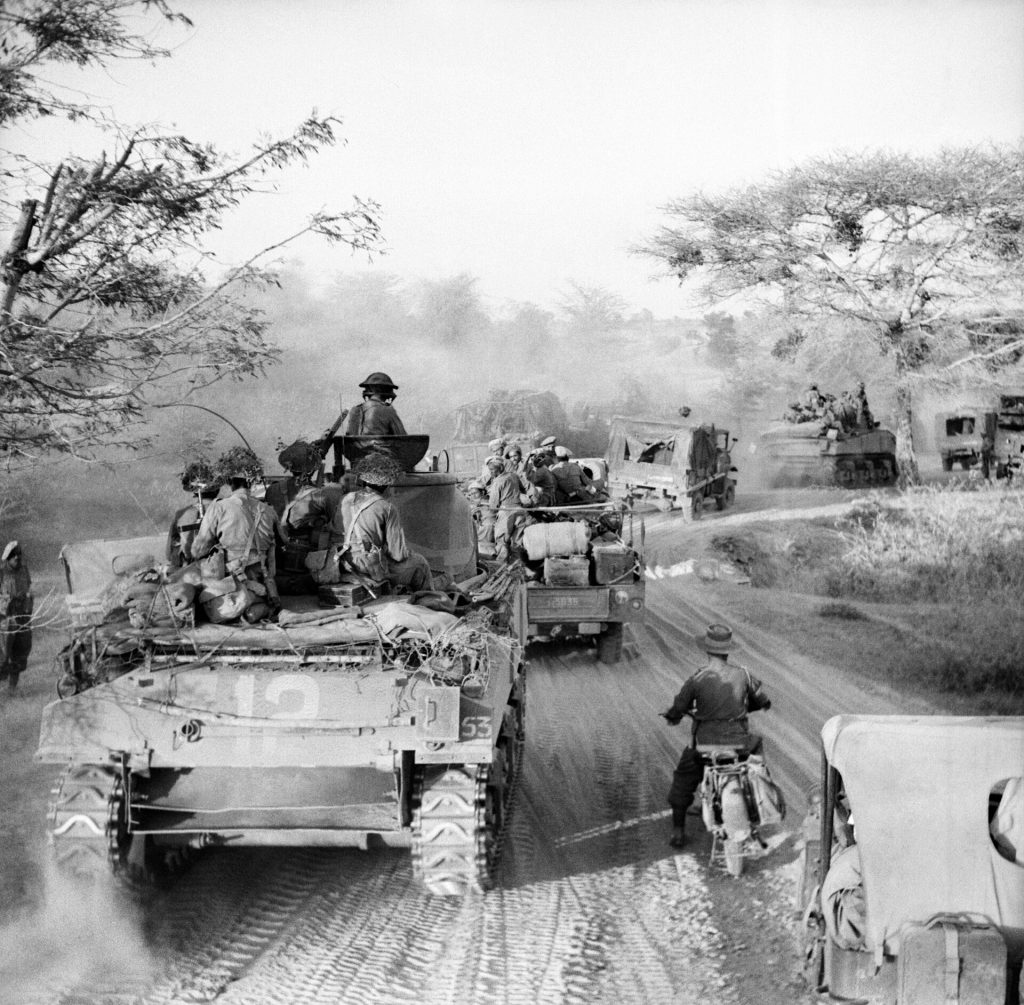
After a siege of more than a week, the Japanese abandon Fort Dufferin. The Fourteenth Army holds Mandalay, the old royal capital of Burma.
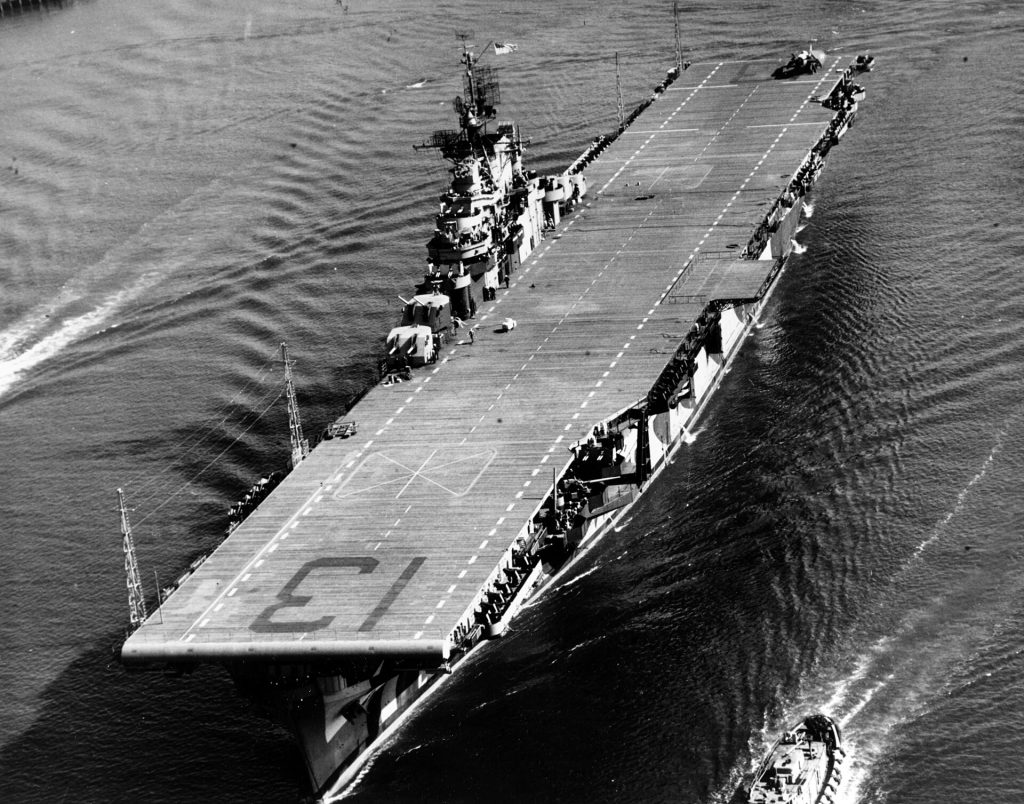
Off the coast of Japan, a single bomber hits the carrier Franklin as her aircraft prepare to launch. She survives the fires and explosions that follow, at a terrible cost.
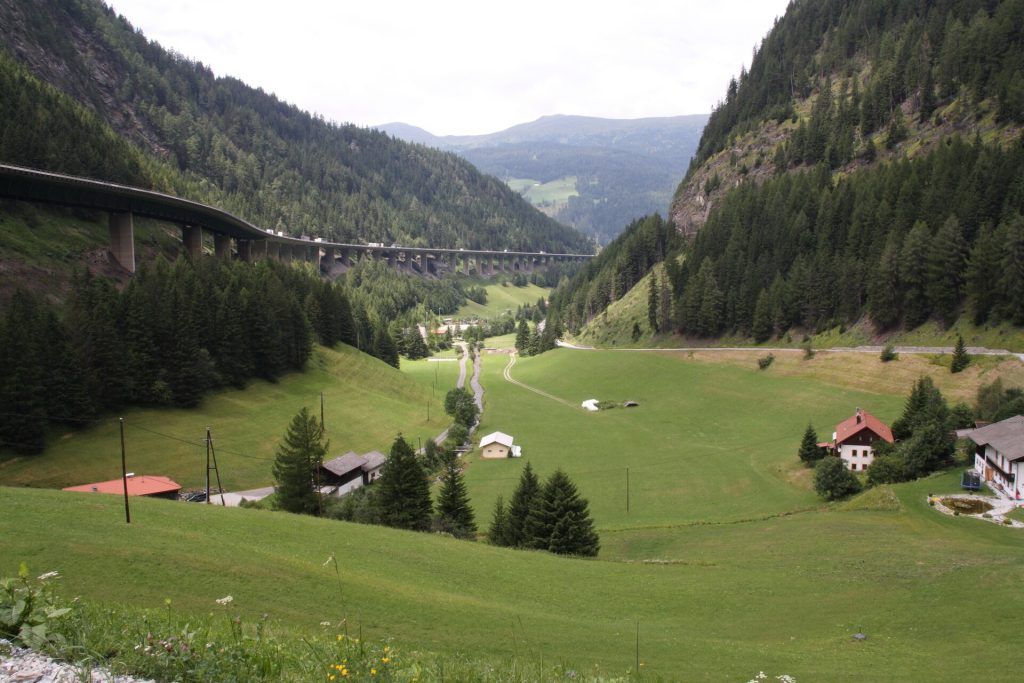
Hitler and Mussolini meet in a railway carriage at the Alpine frontier. Mussolini promises that Italy will enter the war, but only when the moment is right.
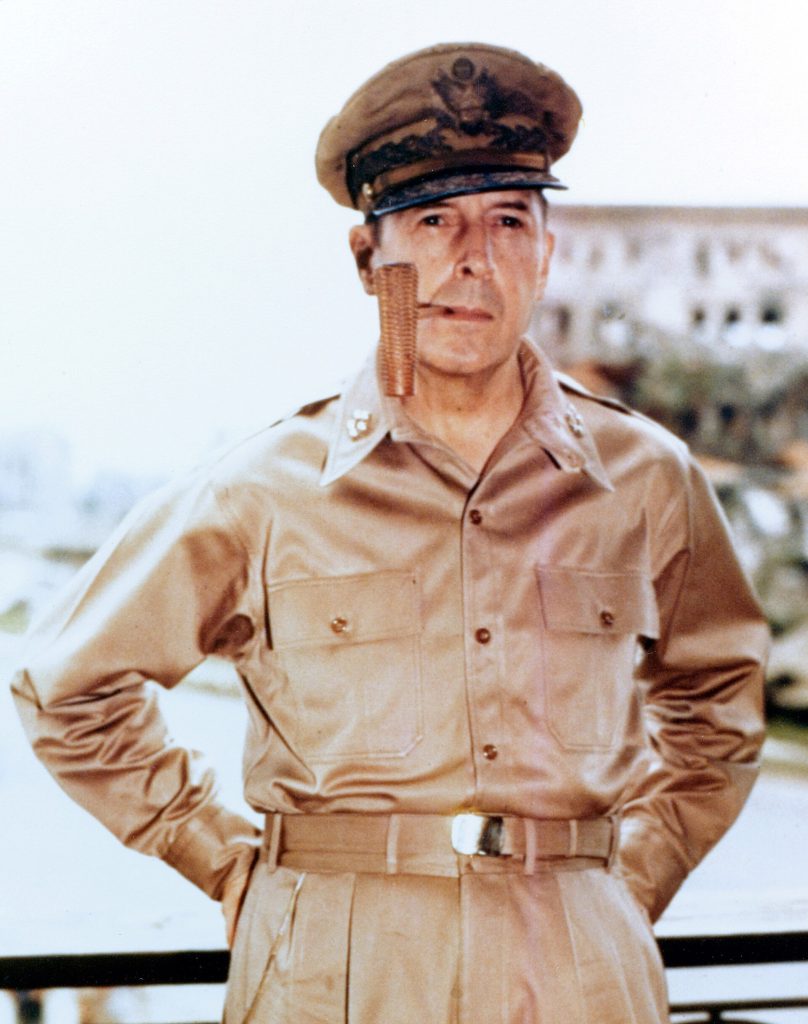
After a dangerous escape from Corregidor by torpedo boat and bomber, General Douglas MacArthur lands in northern Australia. Days later he promises: “I shall return.”
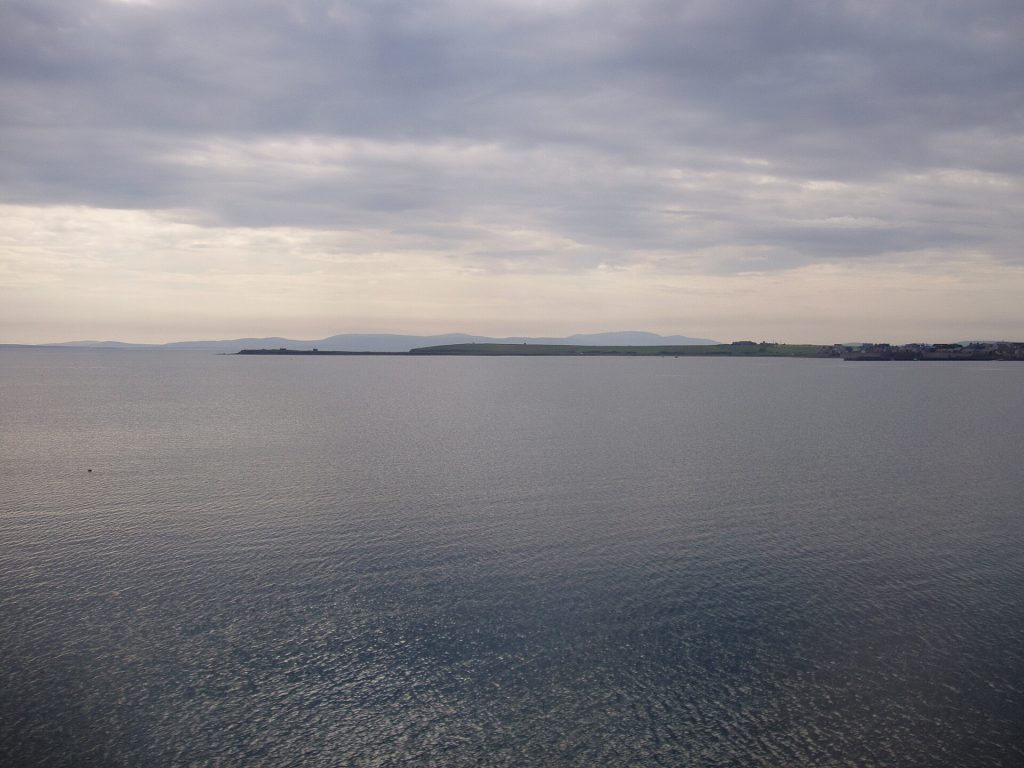
German bombers attack the naval base at Scapa Flow. Bombs fall on the Orkney village of Bridge of Waith, and a 27-year-old man becomes the first British civilian killed by bombing in the war.
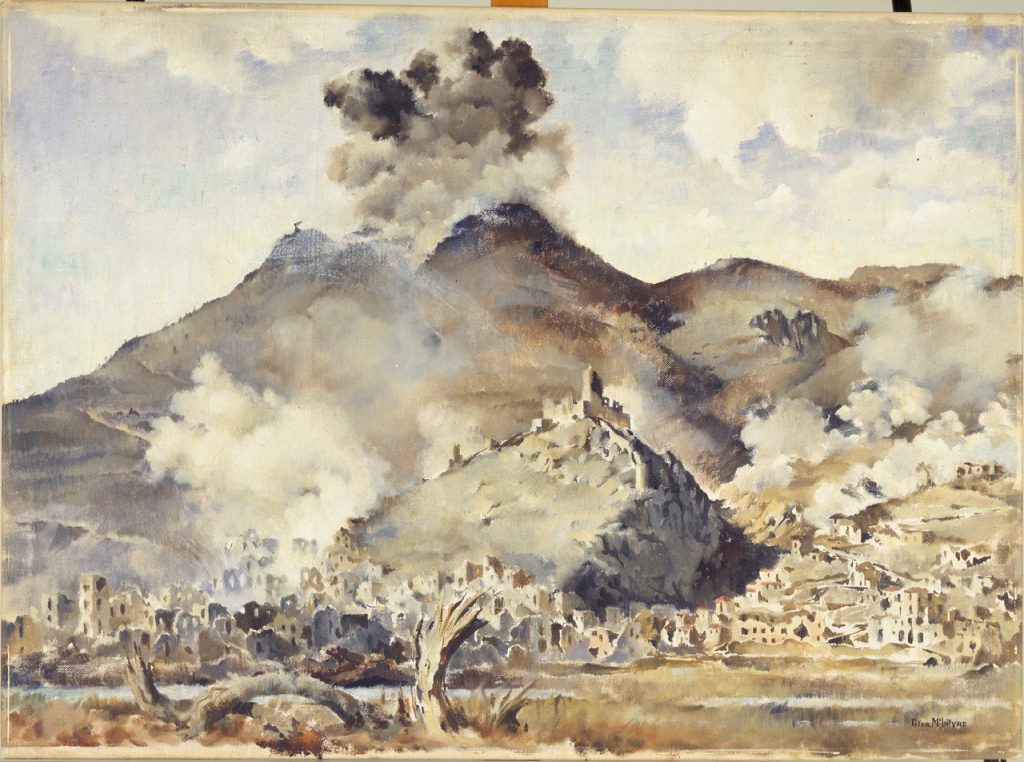
Hundreds of Allied bombers reduce the town of Cassino to rubble. New Zealand and Indian troops go in, but the German paratroopers are still there.
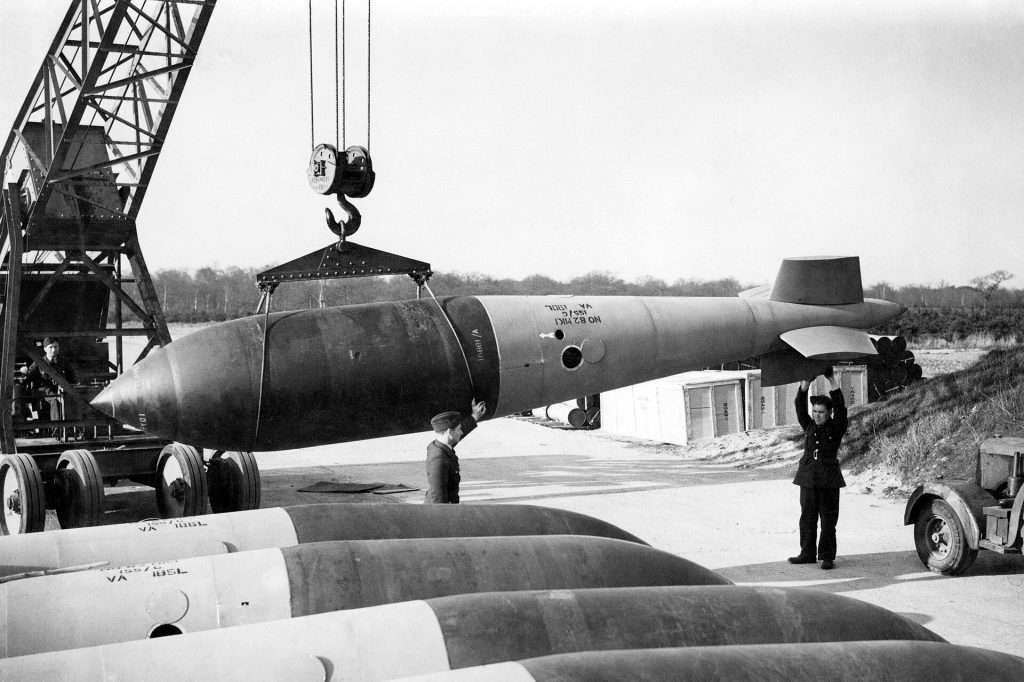
A single Lancaster of 617 Squadron drops a ten-tonne bomb near the Bielefeld railway viaduct. The earthquake it causes brings down several spans.
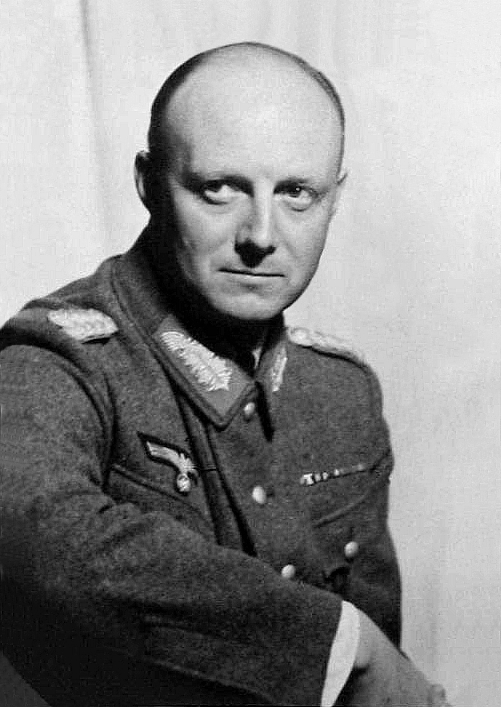
German officers plotting against Hitler smuggle a bomb disguised as bottles of brandy onto his aircraft at Smolensk. It flies all the way to East Prussia and never explodes.
 United Kingdom
 United States
 Soviet Union
 Germany
 Japan
 France
 Poland
 South Africa