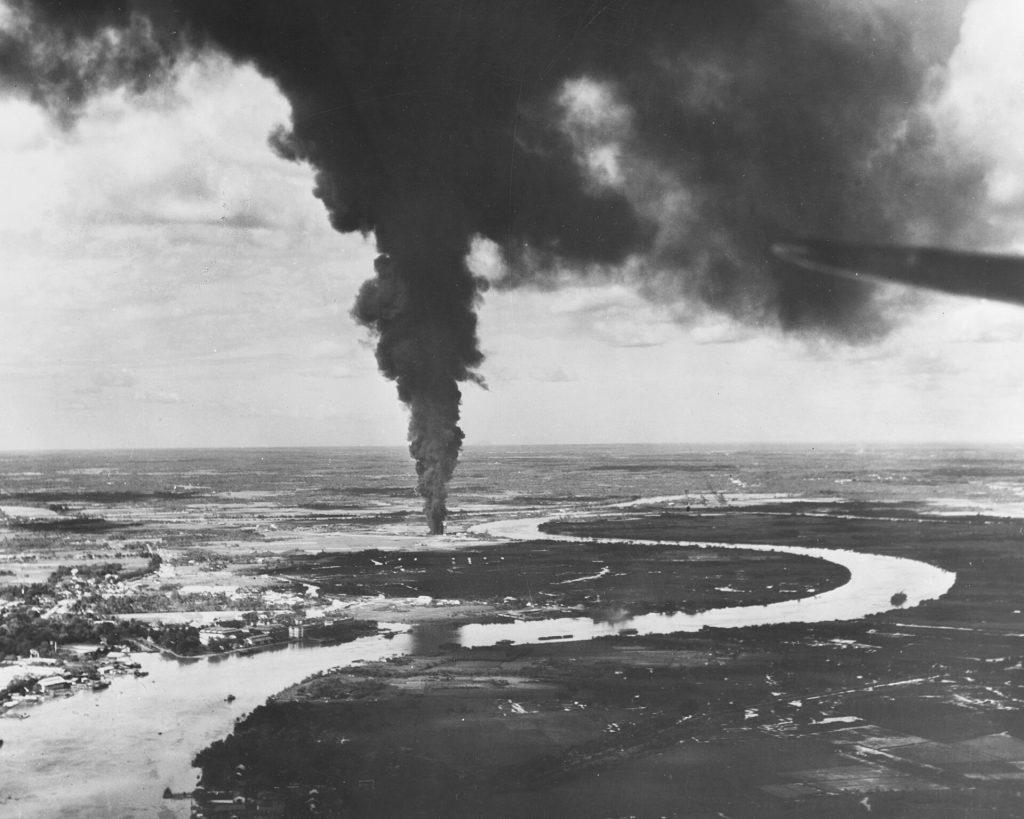
12 January 1945: Halsey Strikes the South China Sea
Carrier aircraft of the US Third Fleet fall on Japanese shipping along the coast of French Indochina, in one of the most destructive days of the war at sea.
Dispatches involving United States.
Carrier aircraft of the US Third Fleet fall on Japanese shipping along the coast of French Indochina, in one of the most destructive days of the war at sea.
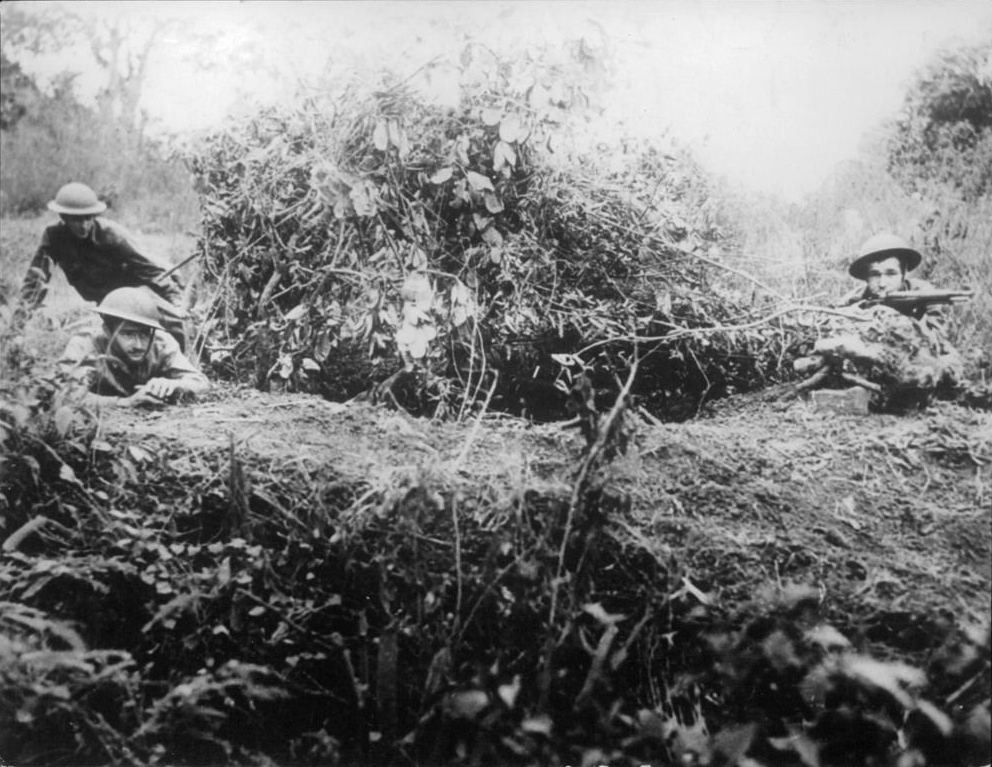
Filipino and American troops dig in on the Bataan peninsula for a stand that will last three months on ever-shrinking rations.
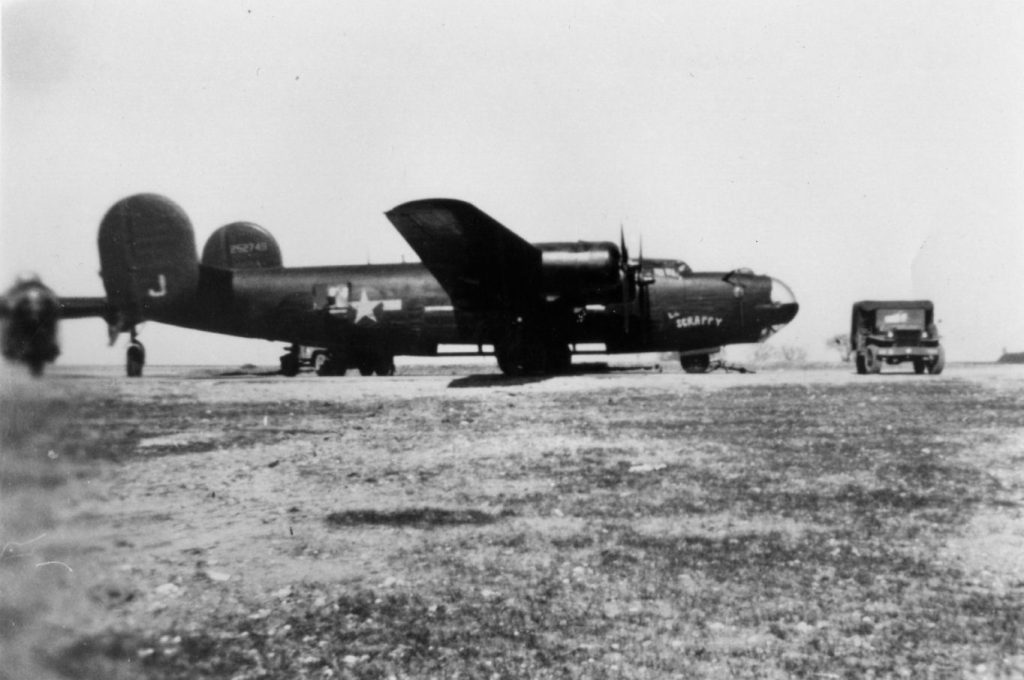
American bomber crews begin a secret war of night flights over occupied Europe, dropping agents, weapons and supplies to the resistance.
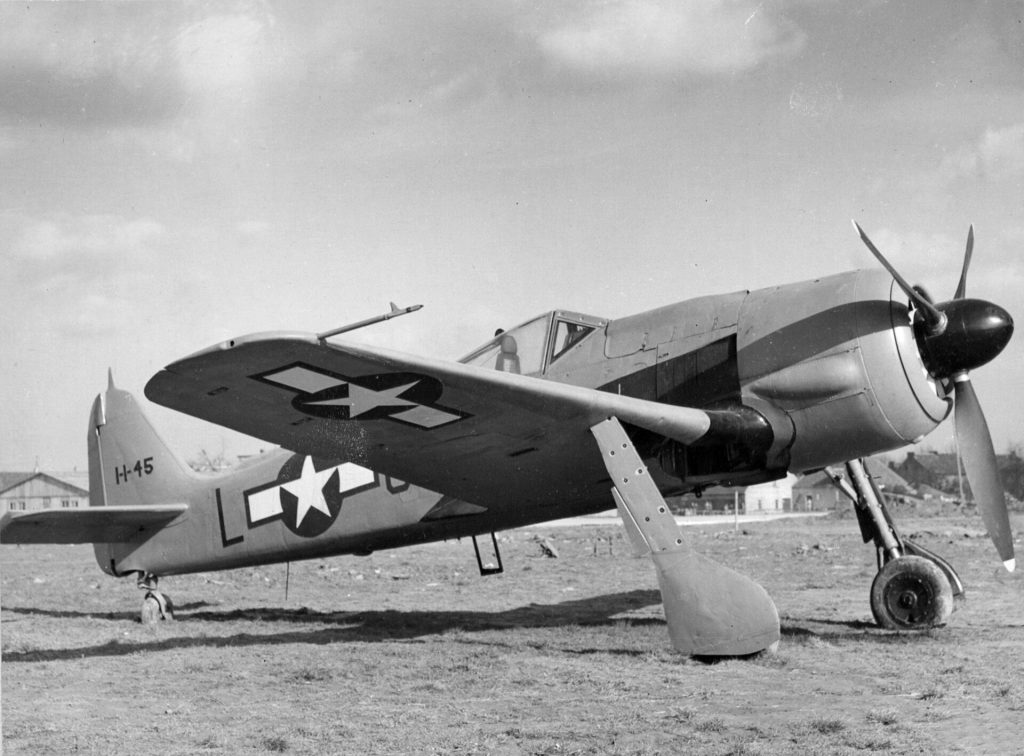
At first light on New Year’s Day, the Luftwaffe throws more than a thousand fighters at Allied airfields in the Low Countries in its last great offensive of the war.

In a Brooklyn courtroom, 33 members of a German spy network are sentenced to more than 300 years in prison between them, closing the largest espionage case in American history to end in convictions.
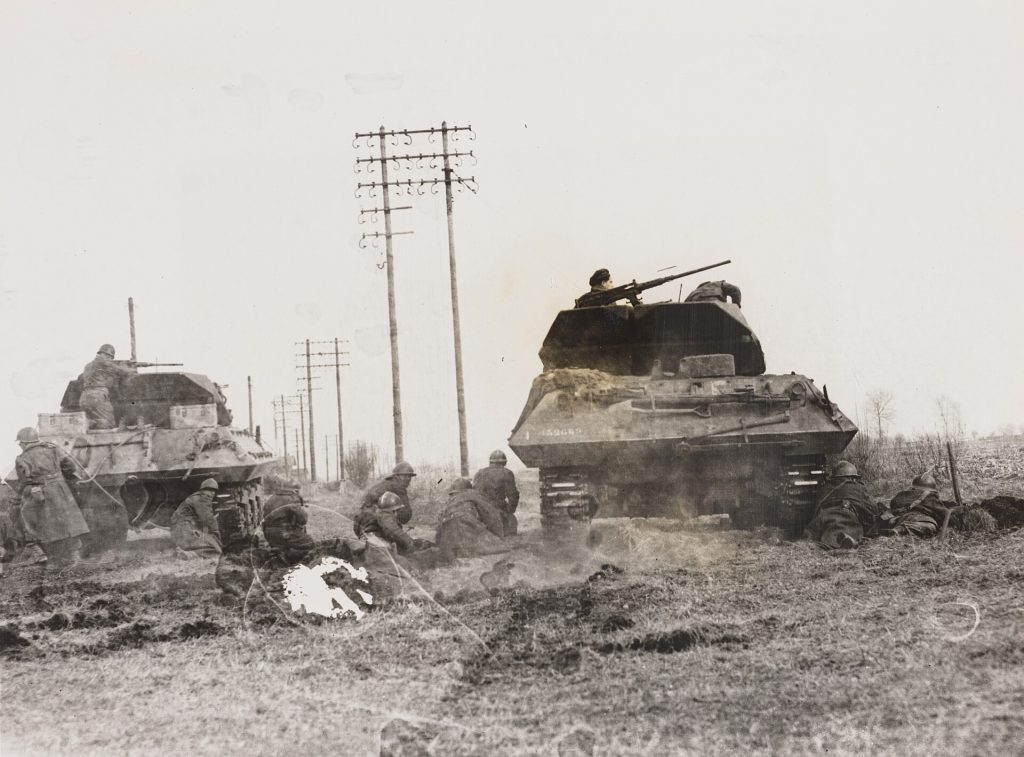
On New Year’s Eve, as American troops have been pulled north to the Ardennes, Germany launches its last major offensive in the West, against the thinned-out lines in Alsace.
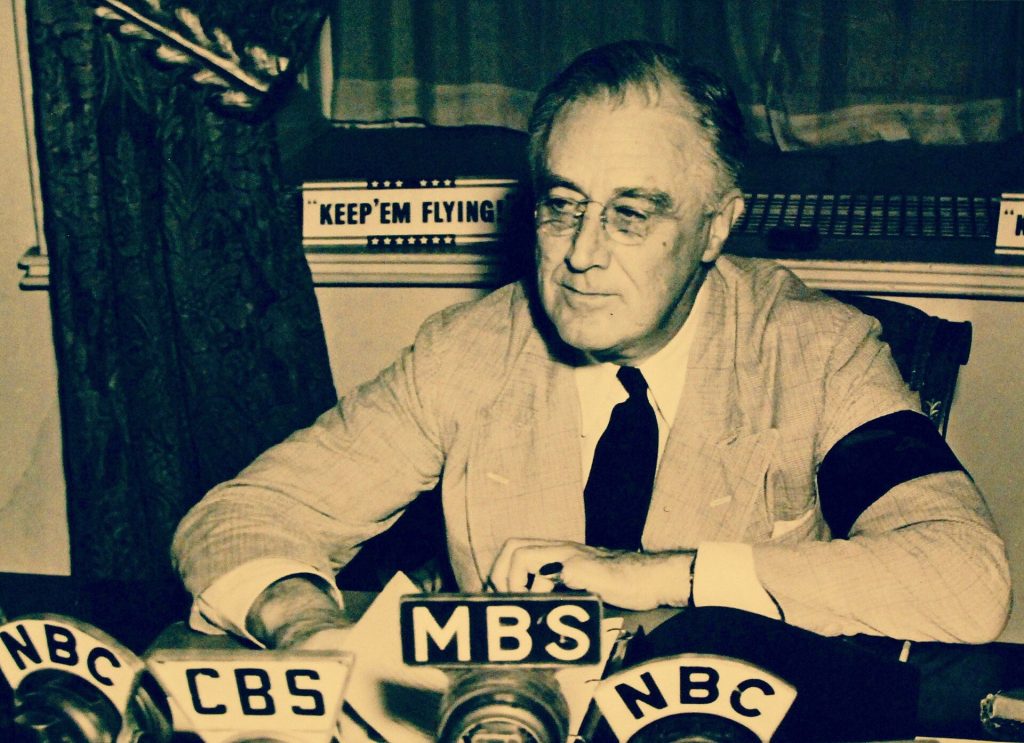
In a fireside chat to the American people, Roosevelt declares that the United States must become the great arsenal of democracy, supplying Britain with the weapons to fight on.
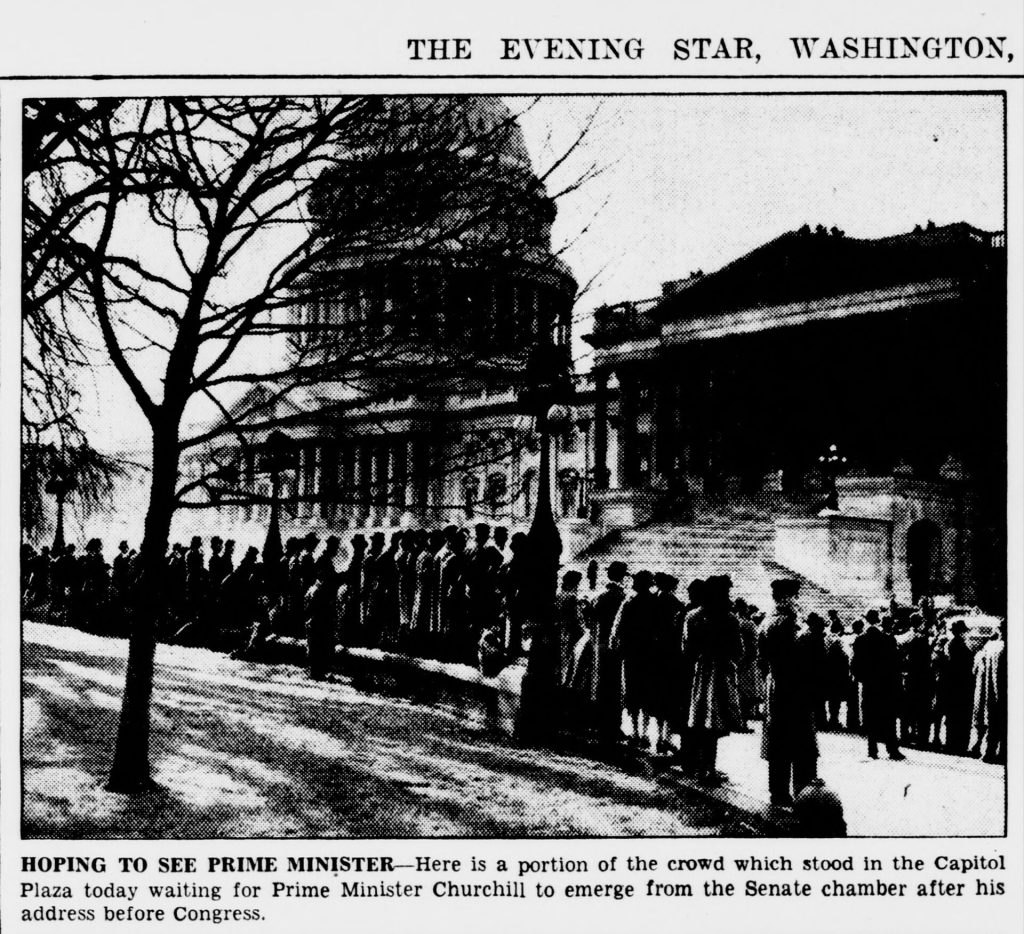
Standing in the Senate chamber, the British Prime Minister speaks to a joint meeting of Congress and to the American people by radio, and asks of the Axis: what kind of people do they think we are?
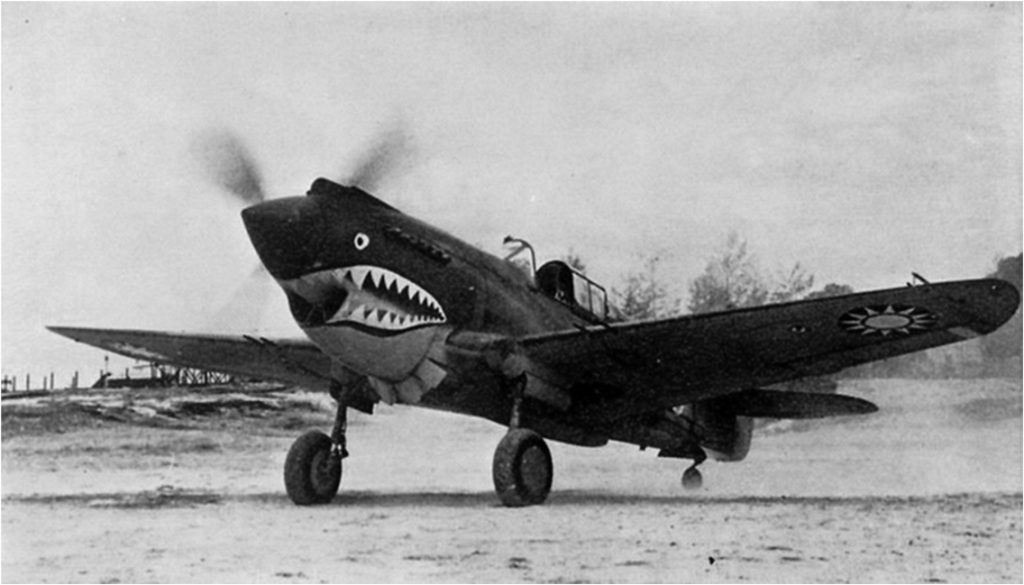
Japanese bombers strike the capital of British Burma for the first time, killing over a thousand civilians and setting off an exodus that paralyses the port.
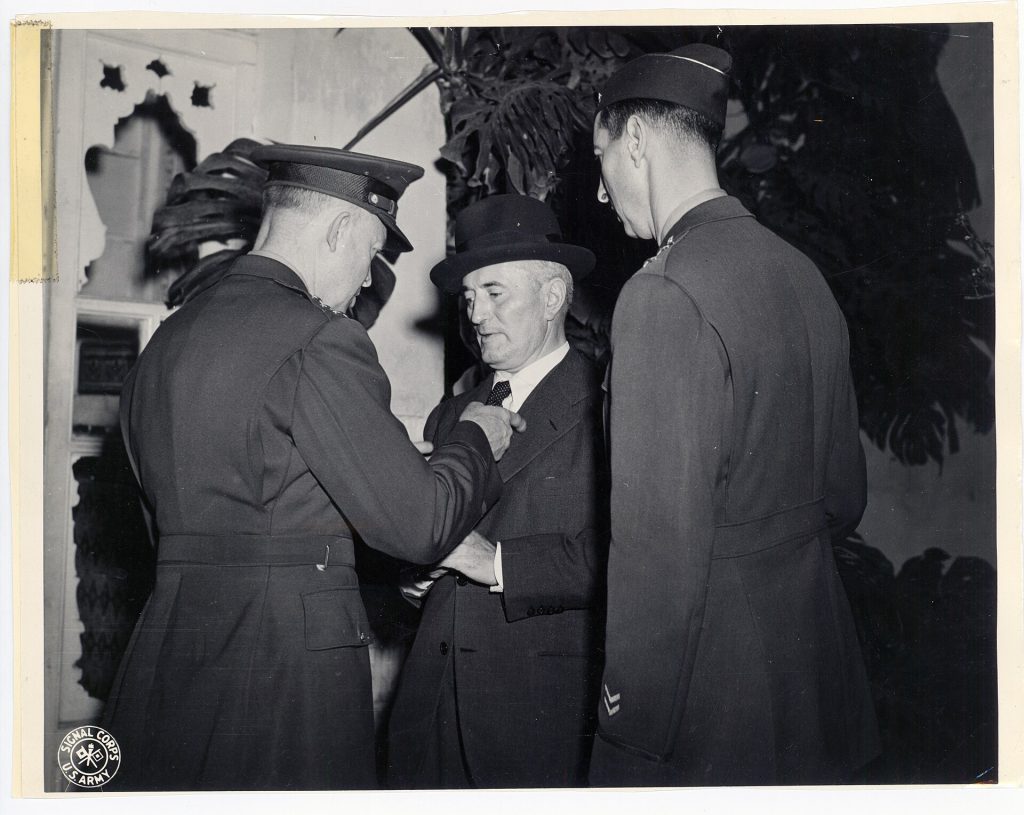
In Algiers on Christmas Eve, a 20-year-old monarchist shoots Admiral François Darlan, the former Vichy leader whom the Allies had accepted as head of French North Africa.
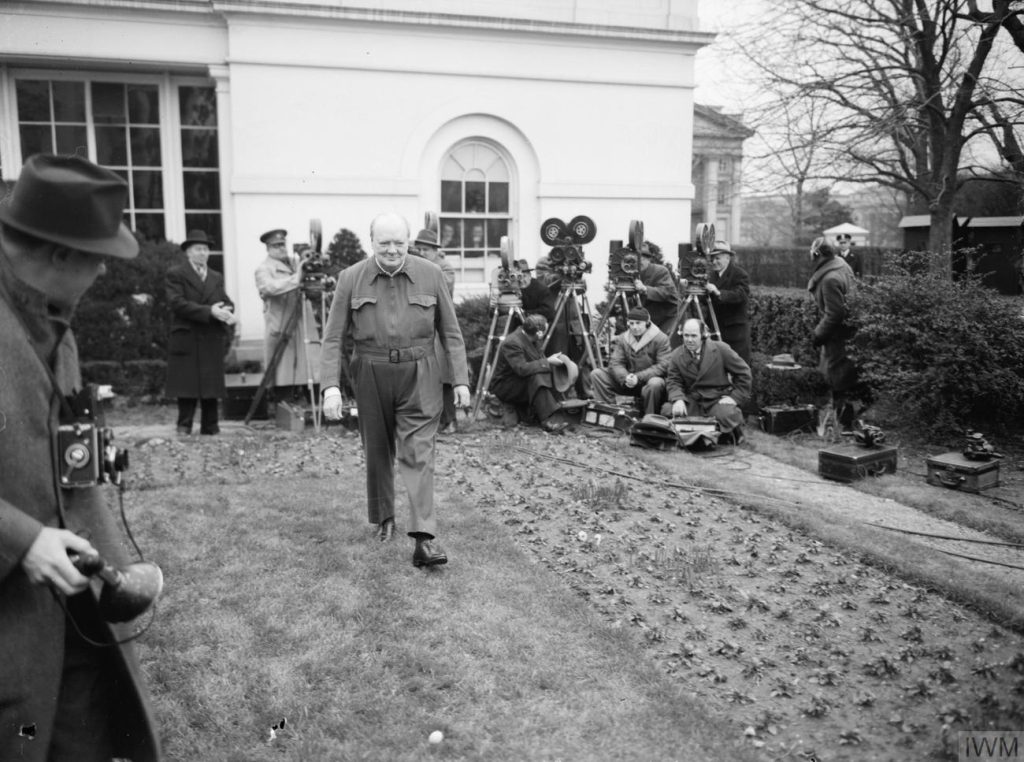
Two weeks after Pearl Harbor, Churchill arrives in Washington to plan a joint war with Roosevelt. Their first decision is the most important of all: Germany first.
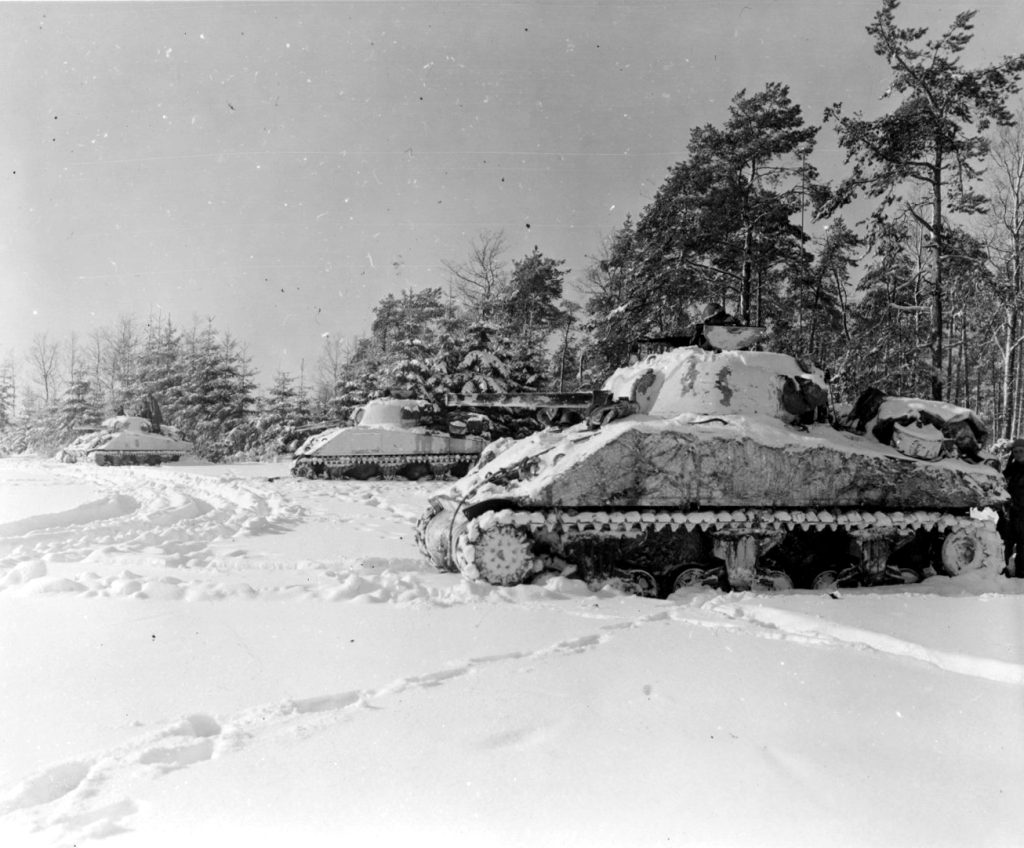
After five days holding a vital Belgian road junction against overwhelming odds, the US 7th Armored Division pulls out of St. Vith, having thrown the German offensive badly off schedule.
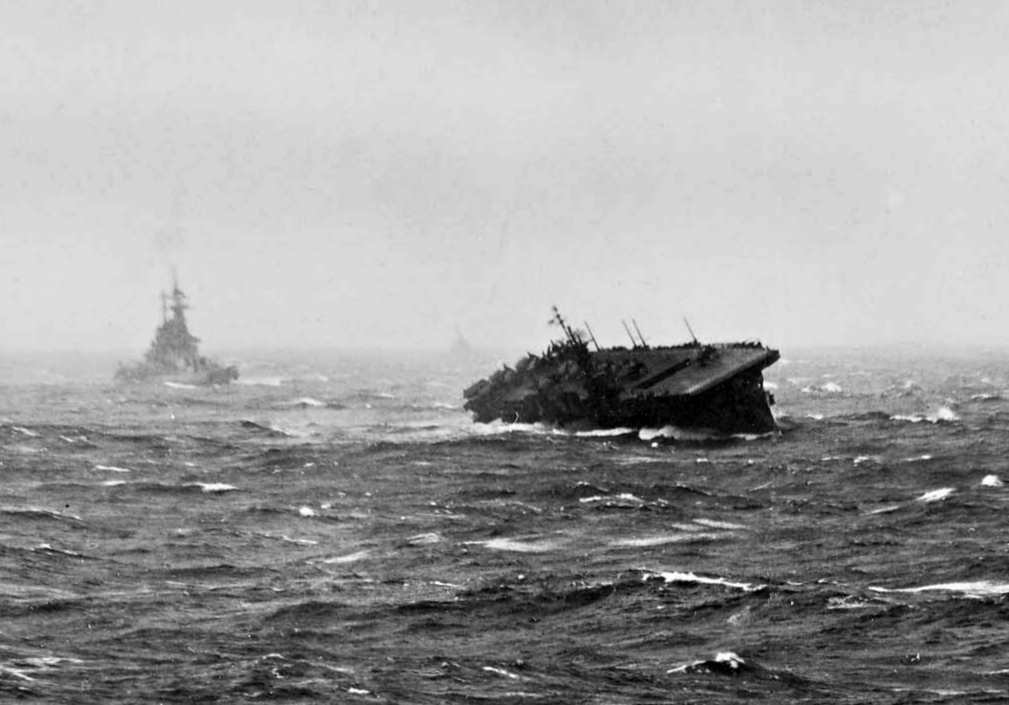
East of Luzon, Admiral Halsey’s Third Fleet sails into the heart of a typhoon. Three destroyers capsize and 790 sailors are lost, more than in many battles.
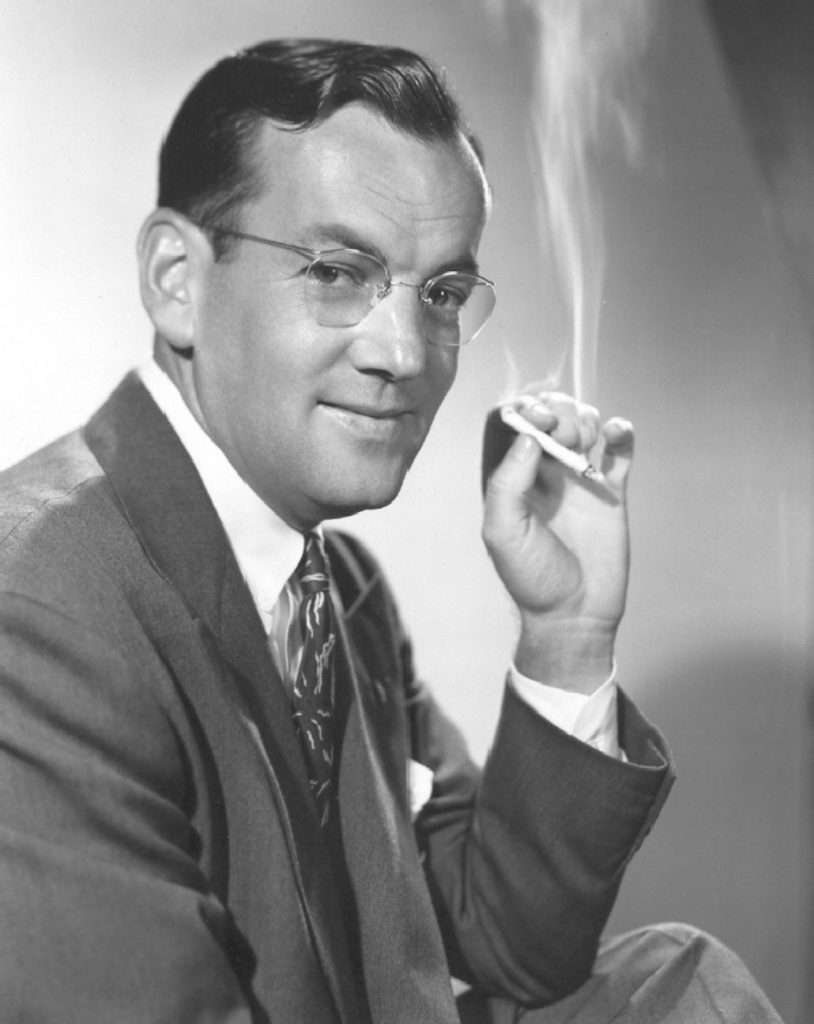
The most popular bandleader in America takes off from an English airfield for Paris in a small single-engined aircraft. Neither he nor the plane is ever seen again.
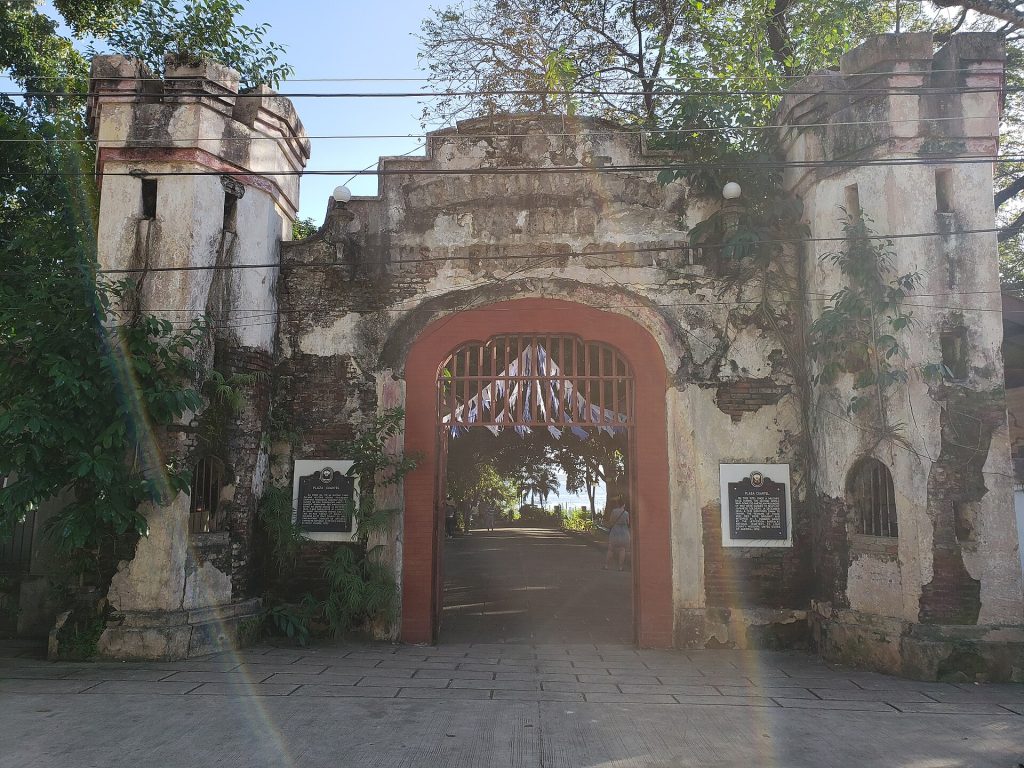
Fearing an American landing, Japanese guards on the Philippine island of Palawan herd 150 American prisoners into air raid shelters and set them on fire. Only 11 survive.
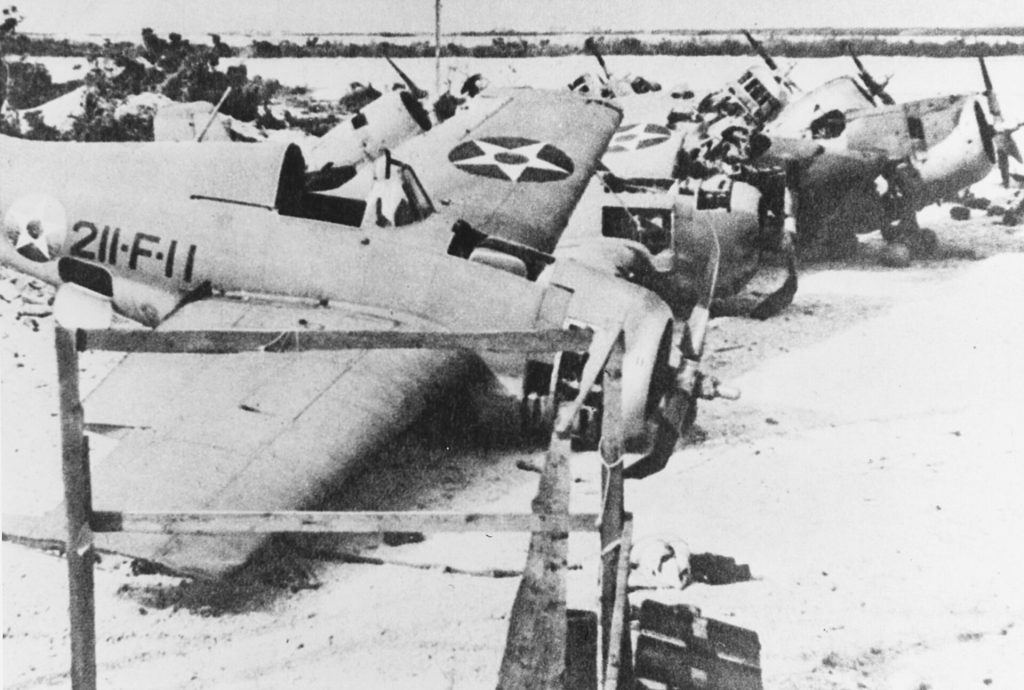
Holding their fire until the last moment, the Marines on Wake Island sink a Japanese destroyer with their coastal guns, and their last fighters sink another, forcing the invasion fleet to turn back.
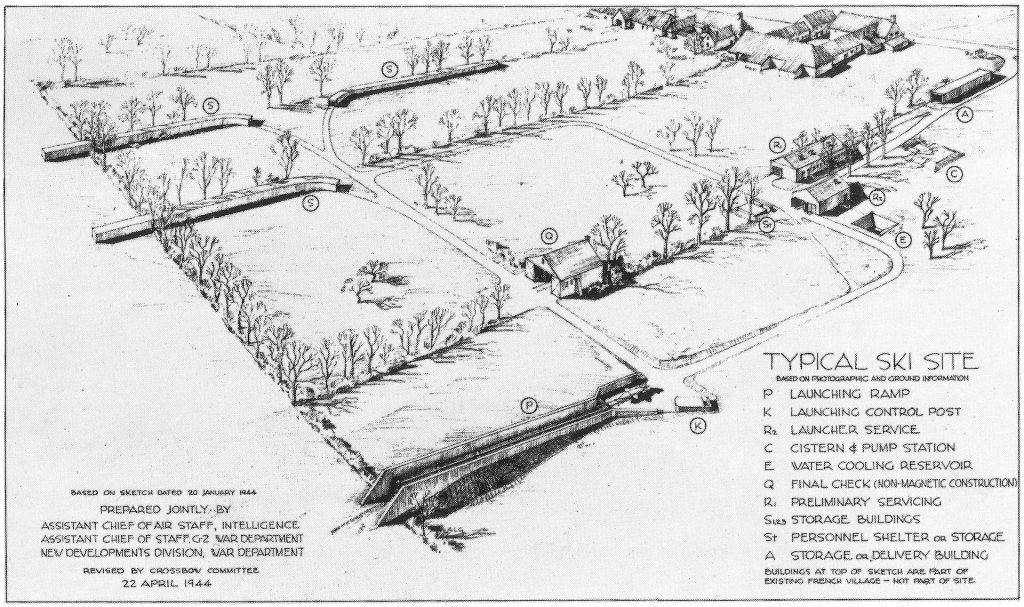
Allied bombers start attacking the concrete launch ramps hidden in the woods of northern France, from which Germany plans to fire its flying bombs at London.
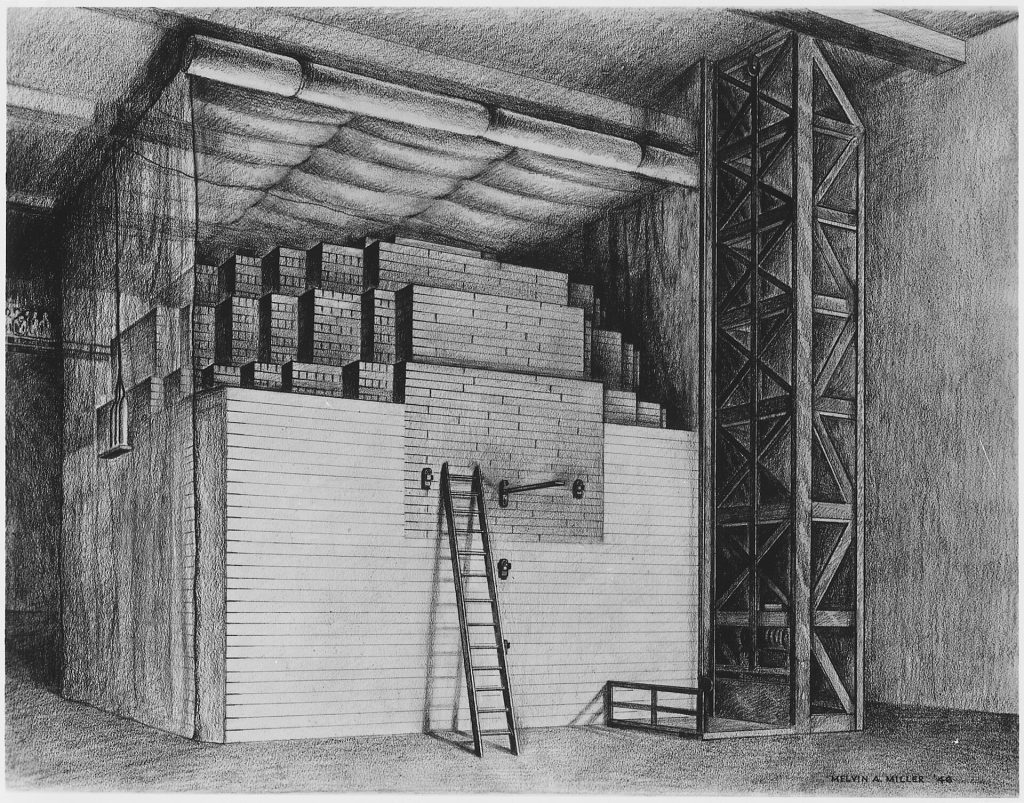
Under the stands of a Chicago football field, Enrico Fermi’s team withdraws a control rod and achieves the world’s first self-sustaining nuclear chain reaction.
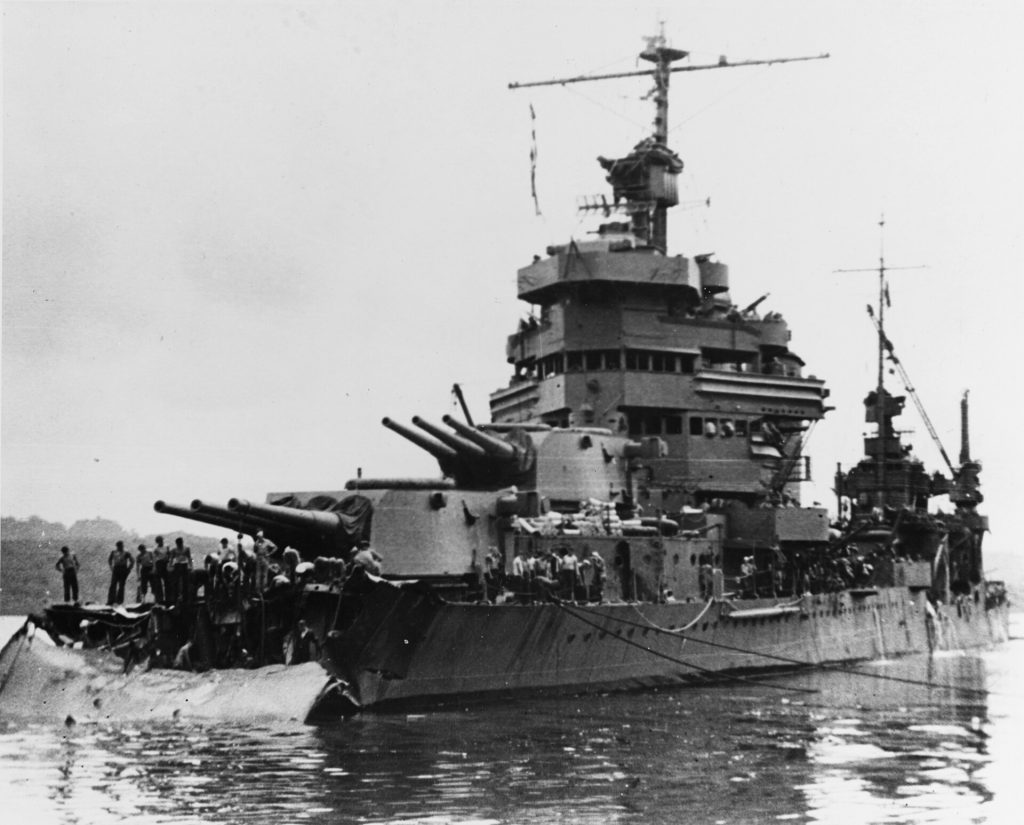
An American cruiser force with every advantage surprises eight Japanese destroyers off Guadalcanal, and is torn apart by their Long Lance torpedoes.
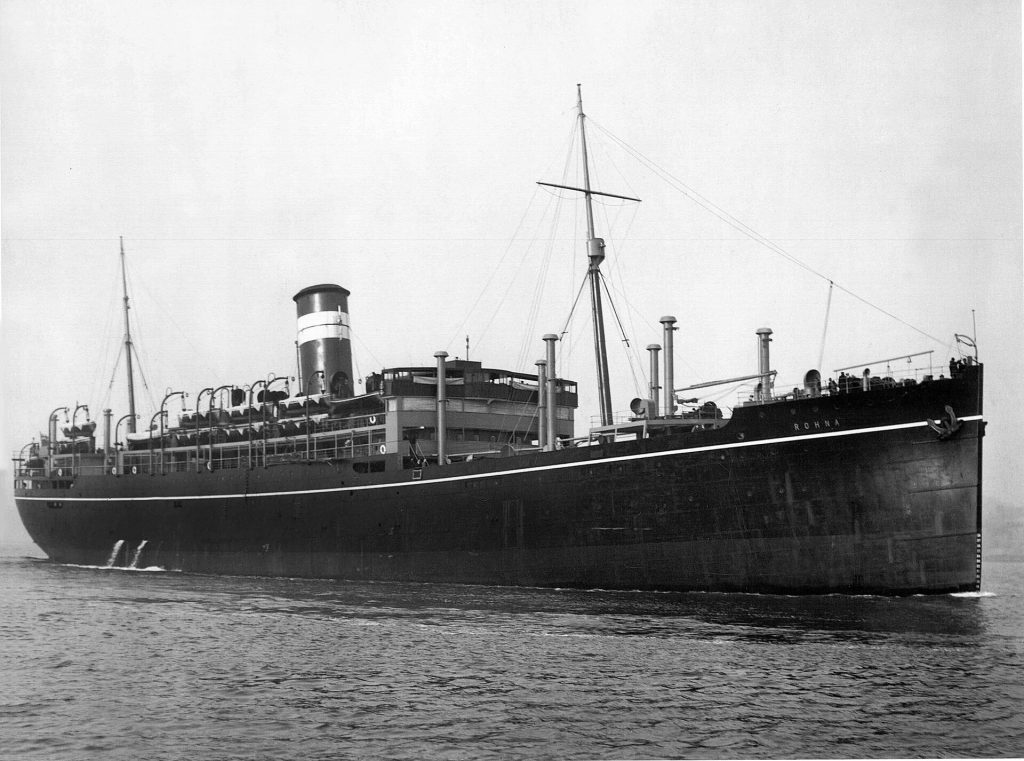
Off the coast of Algeria, a German radio-guided glide bomb strikes a British troopship carrying 2,000 American soldiers. More than 1,000 of them die in a disaster kept secret for decades.
 United Kingdom
 United States
 Soviet Union
 Germany
 Japan
 France
 Poland
 South Africa