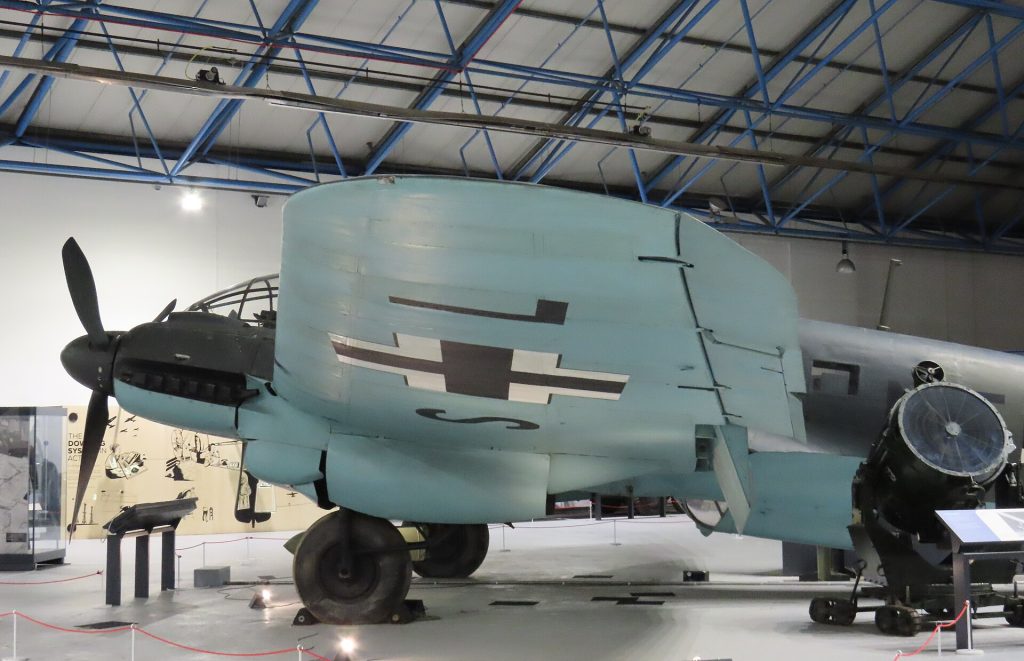
8 February 1945: Escape in a Stolen Bomber
Soviet prisoners kill their guard at Germany’s rocket base on Usedom, seize a Heinkel bomber and fly it back to their own lines.
Every dispatch dated in February, across all six years of the war.
Soviet prisoners kill their guard at Germany’s rocket base on Usedom, seize a Heinkel bomber and fly it back to their own lines.
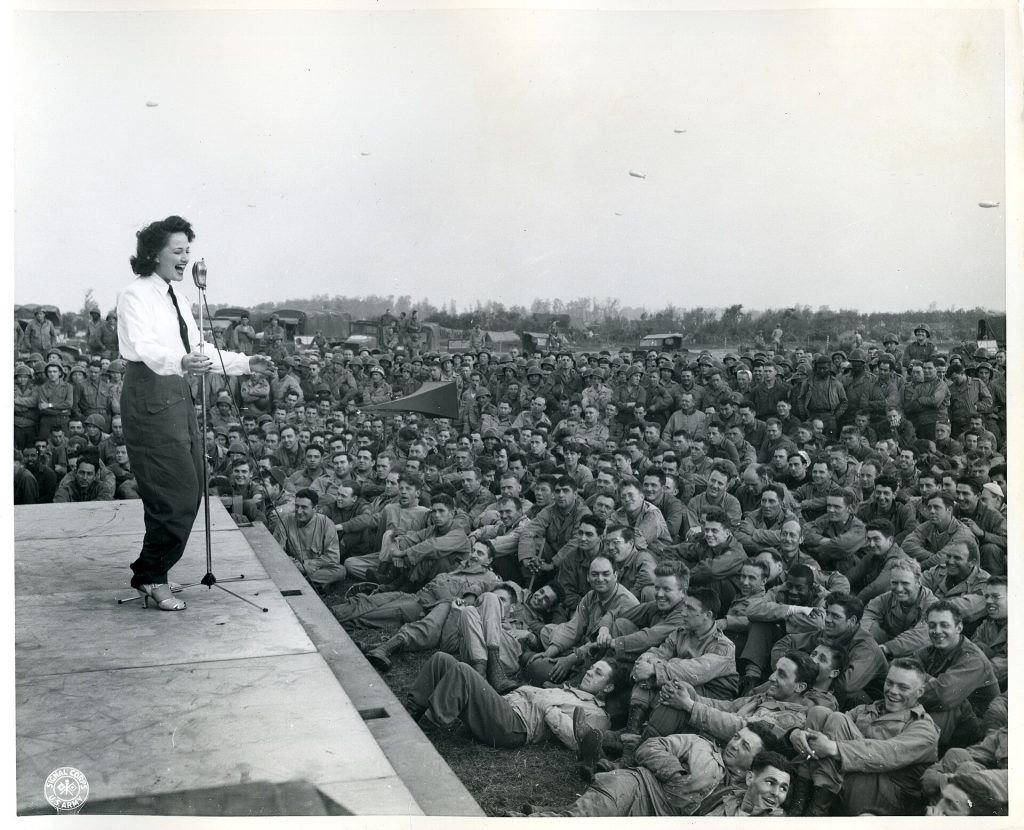
Six civilian organisations join forces at President Roosevelt’s request to look after America’s fast-growing army, creating the USO.
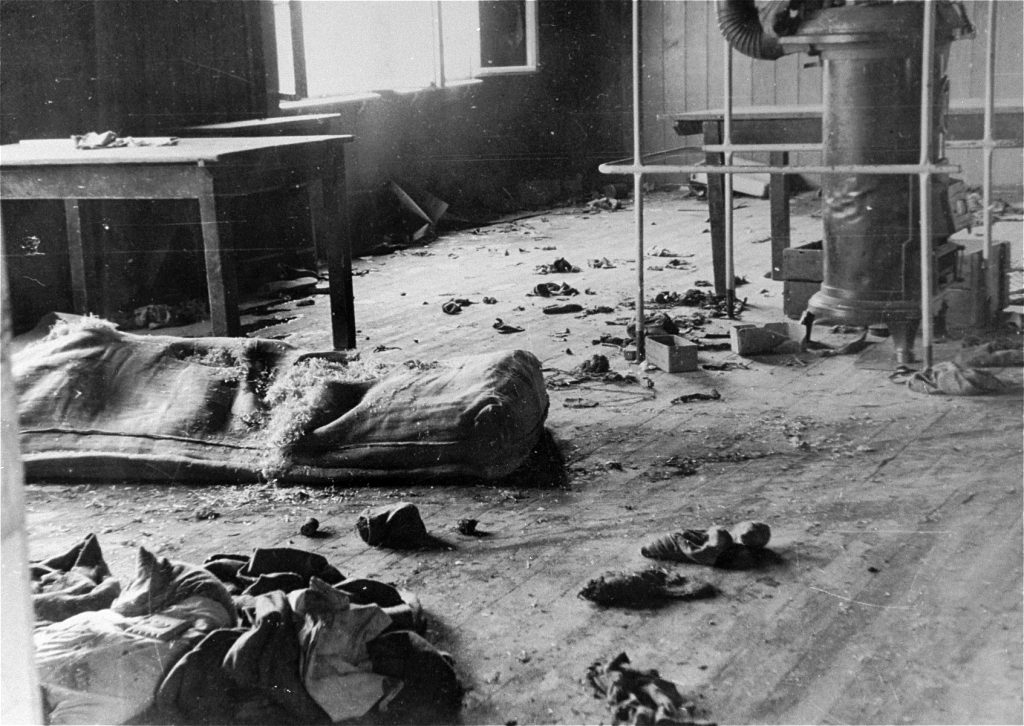
On a freezing night, some 500 Soviet officers held in Mauthausen’s death block storm the wire. The manhunt that follows becomes known by a grim name: the Mühlviertel hare hunt.

Close to a thousand American bombers strike the centre of Berlin by day. Among the dead is Roland Freisler, the judge who sent the July plotters to the gallows.

In occupied Oslo, the Germans install Vidkun Quisling at the head of a puppet national government, a man whose name has already become a byword for treason.
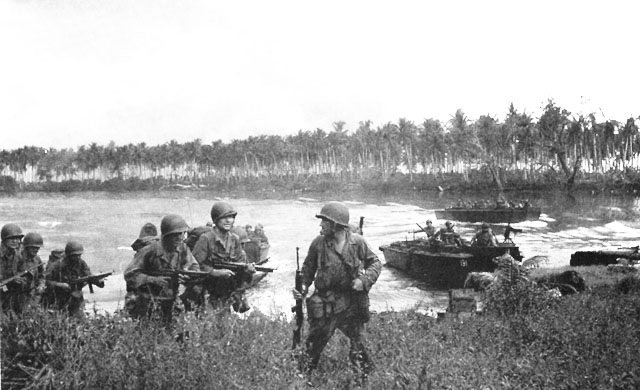
On the war’s last leap day, a thousand American cavalrymen land on Los Negros in a gamble ordered by MacArthur. It seals the fate of Rabaul.
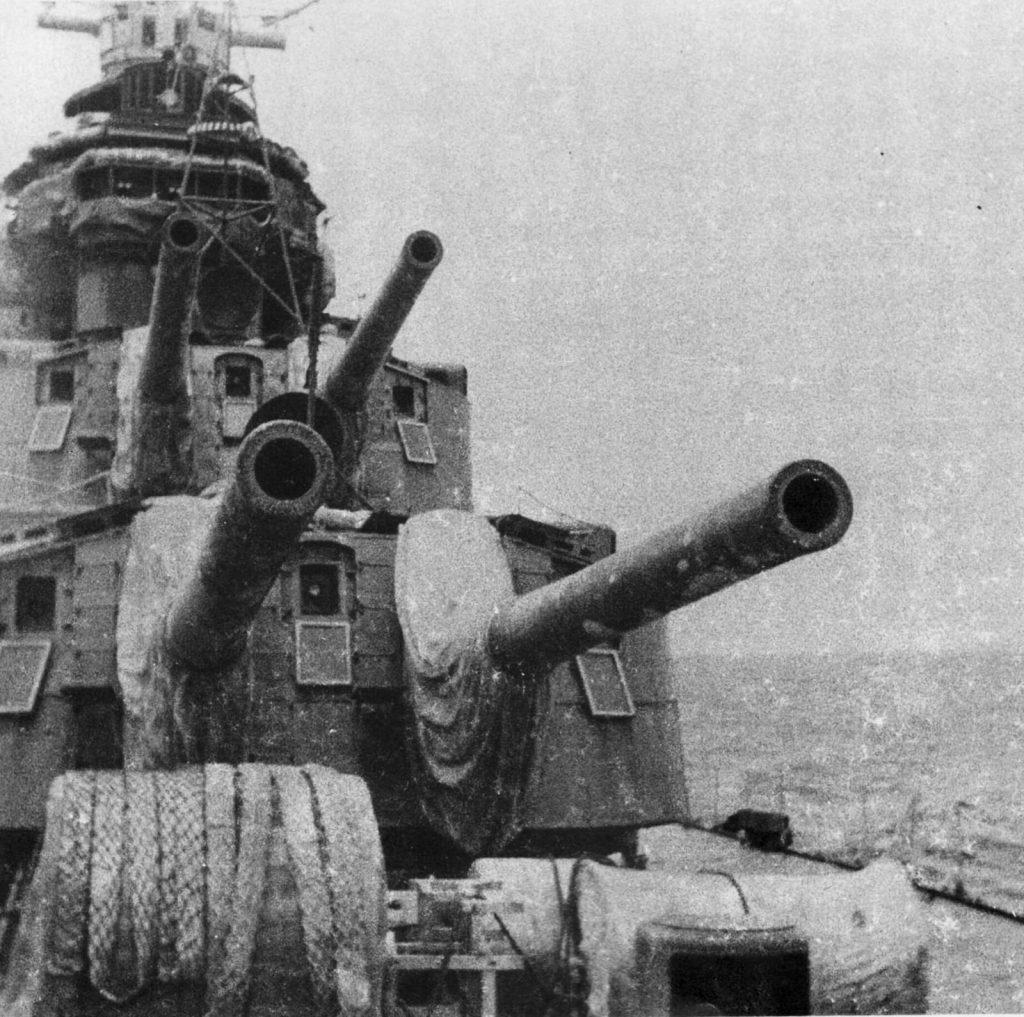
A combined Dutch, British, Australian and American squadron sails out to stop the Japanese invasion of Java. By midnight its admiral is dead and two of its cruisers are sunk.
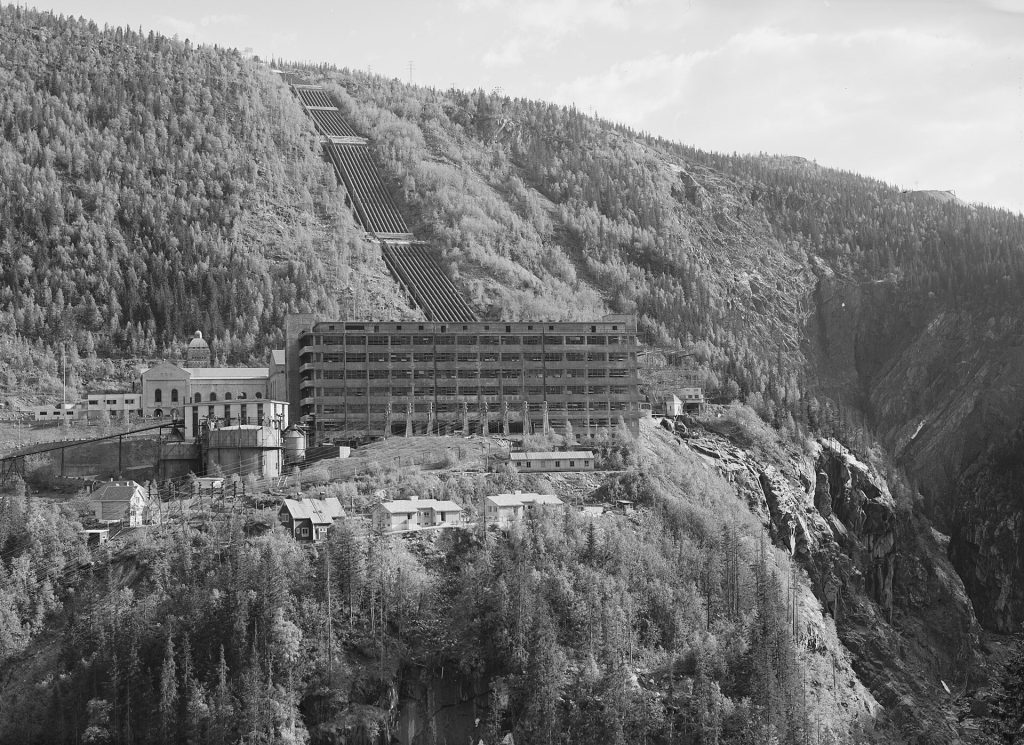
In the early hours, Norwegian commandos climb a frozen gorge, slip into the Vemork plant and destroy Germany’s supply of heavy water. Not a shot is fired.
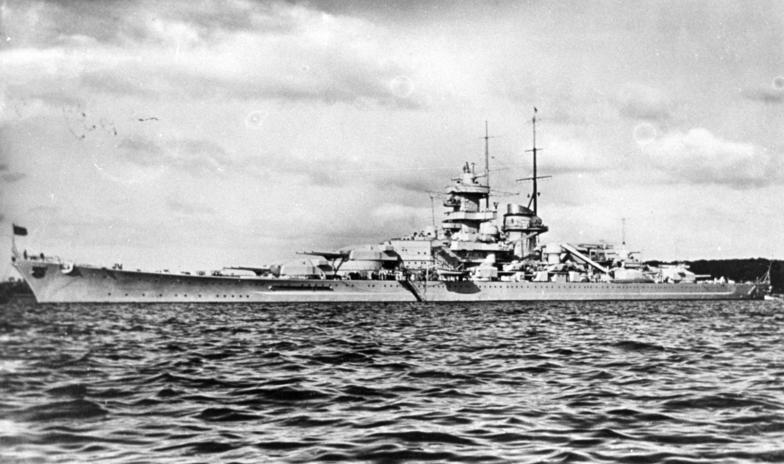
Two weeks after her triumphant dash up the Channel, the battleship Gneisenau is hit by an RAF bomb in dry dock at Kiel. She never sails as a warship again.
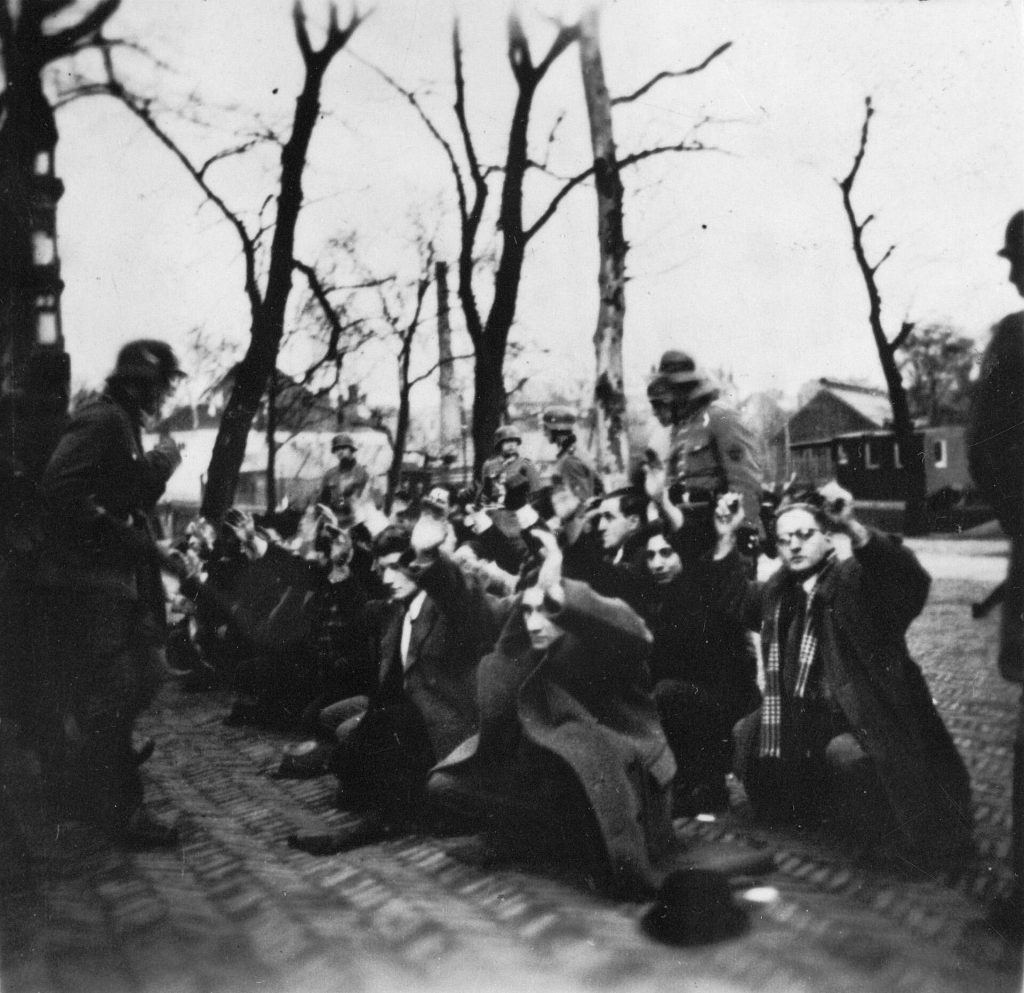
Days after the first mass round-ups of Jewish men in Amsterdam, tram drivers, dockers and factory workers walk out in protest. The city comes to a standstill.
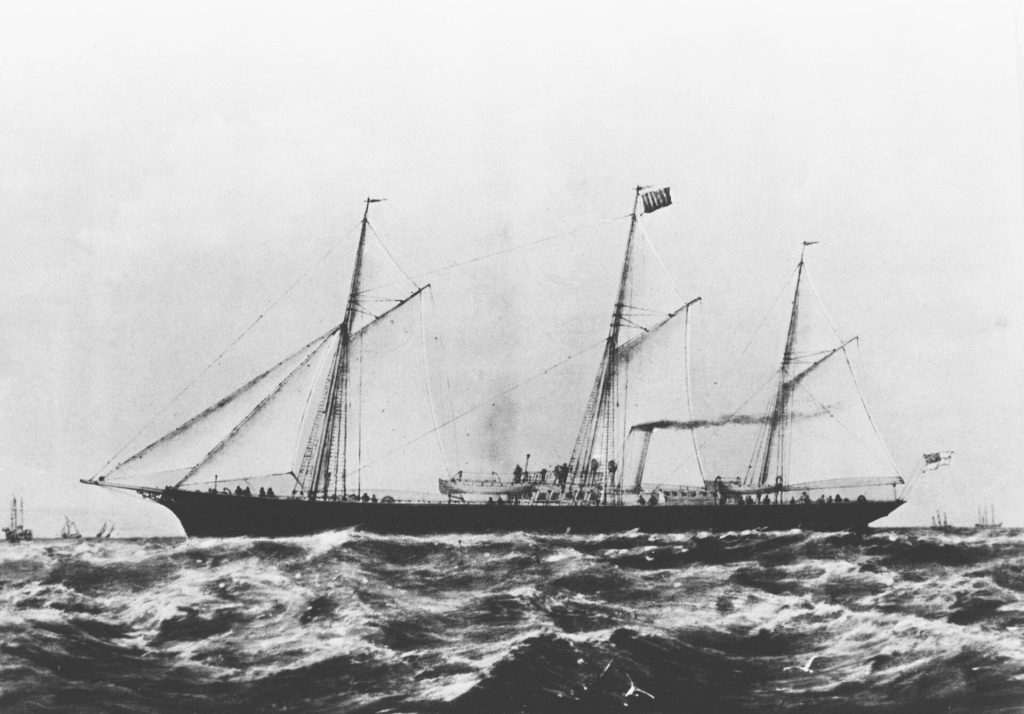
An old, overcrowded boat carrying Jewish refugees from Romania is towed out into the Black Sea and torpedoed. Of the nearly 800 people aboard, one survives.
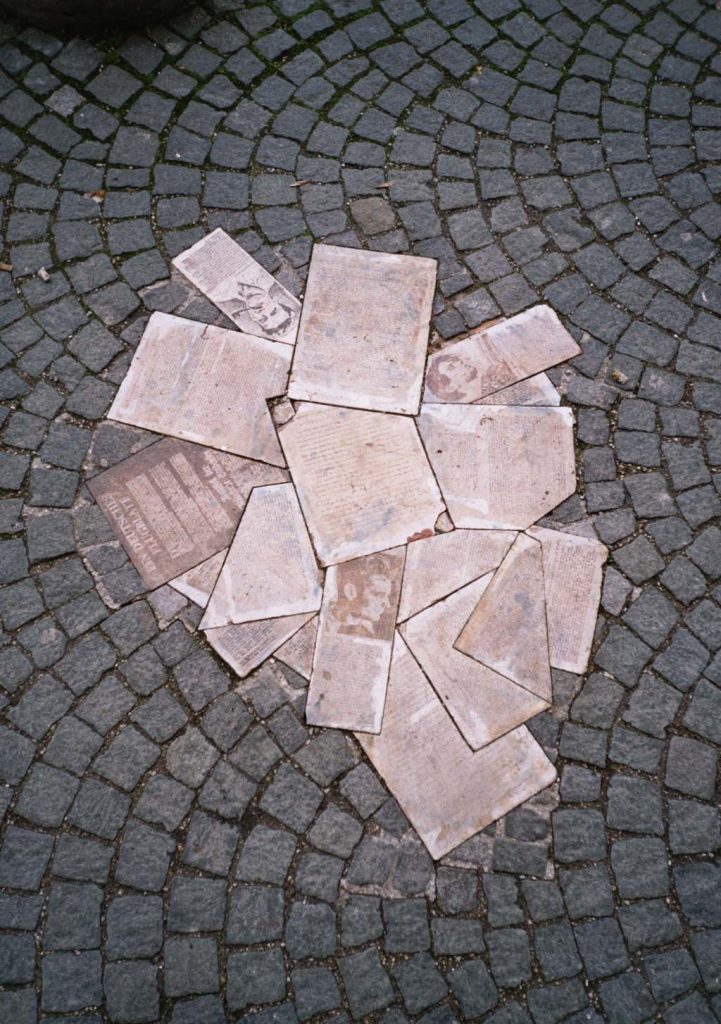
Four days after their arrest, the students Hans and Sophie Scholl and Christoph Probst are tried by the People’s Court and executed the same afternoon.
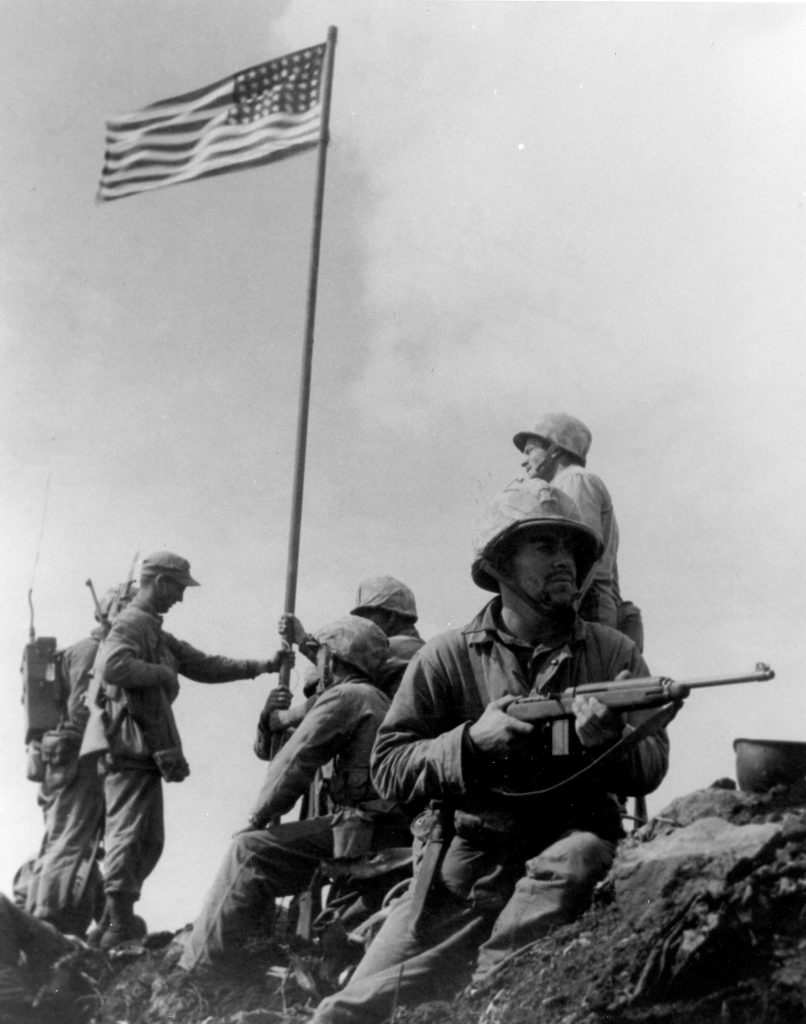
Marines reach the summit of Mount Suribachi and raise the Stars and Stripes. A second, larger flag raised hours later becomes the most famous photograph of the war.
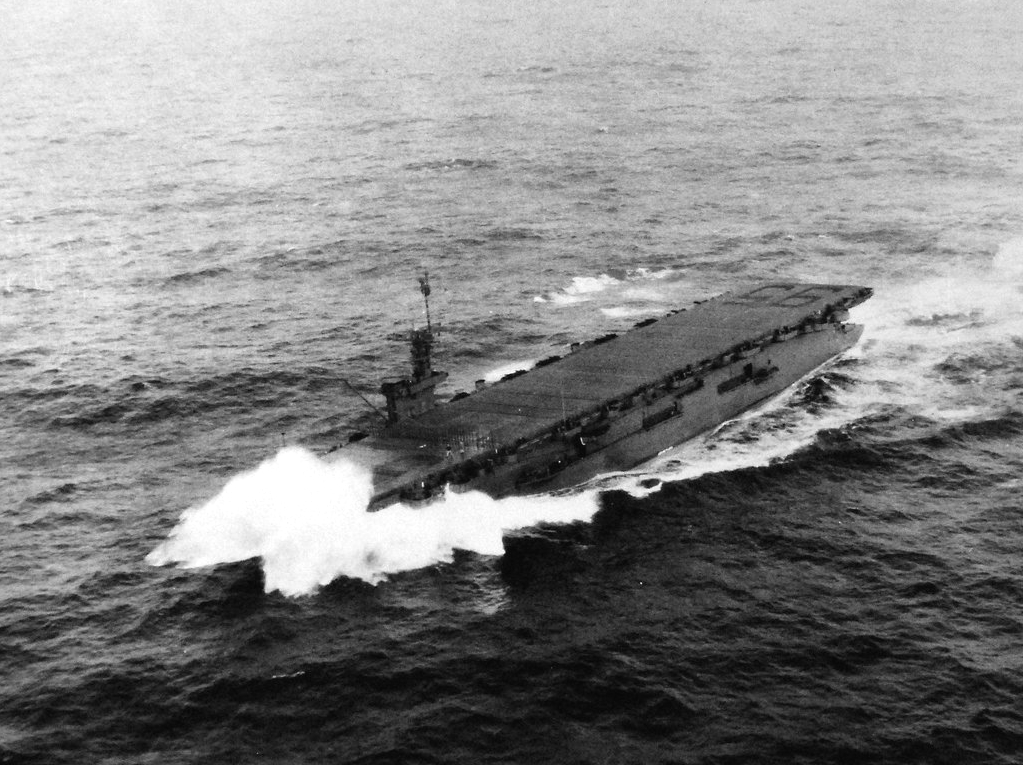
Two days into the Iwo Jima landings, suicide aircraft strike the American fleet offshore. The carrier Saratoga is badly damaged, and the escort carrier Bismarck Sea goes down.
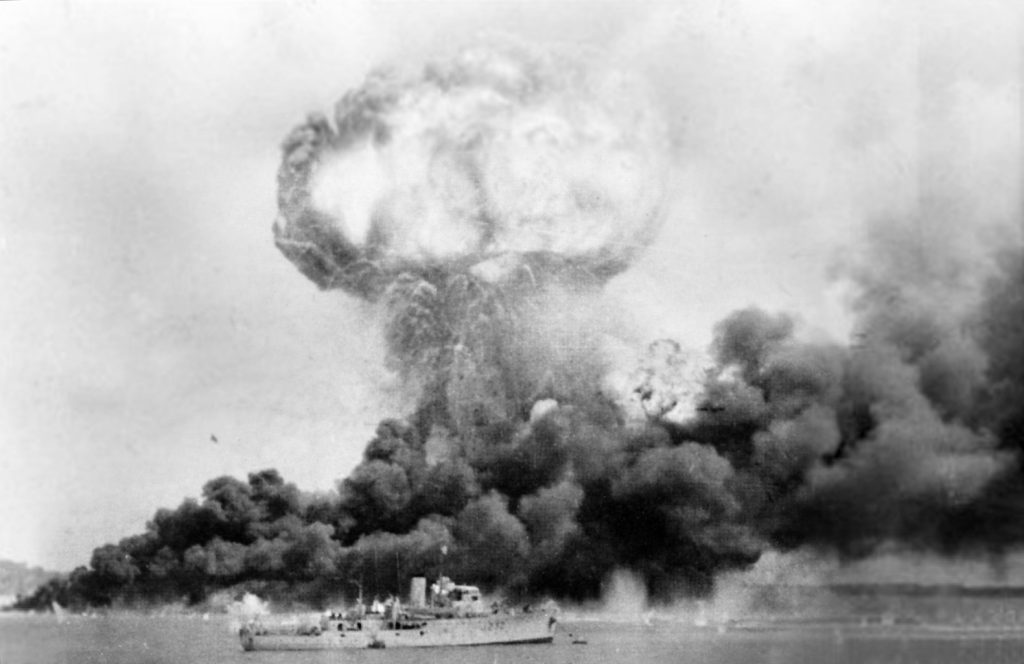
The aircraft carriers that struck Pearl Harbor launch a devastating raid on Darwin. For the first time, mainland Australia comes under attack.
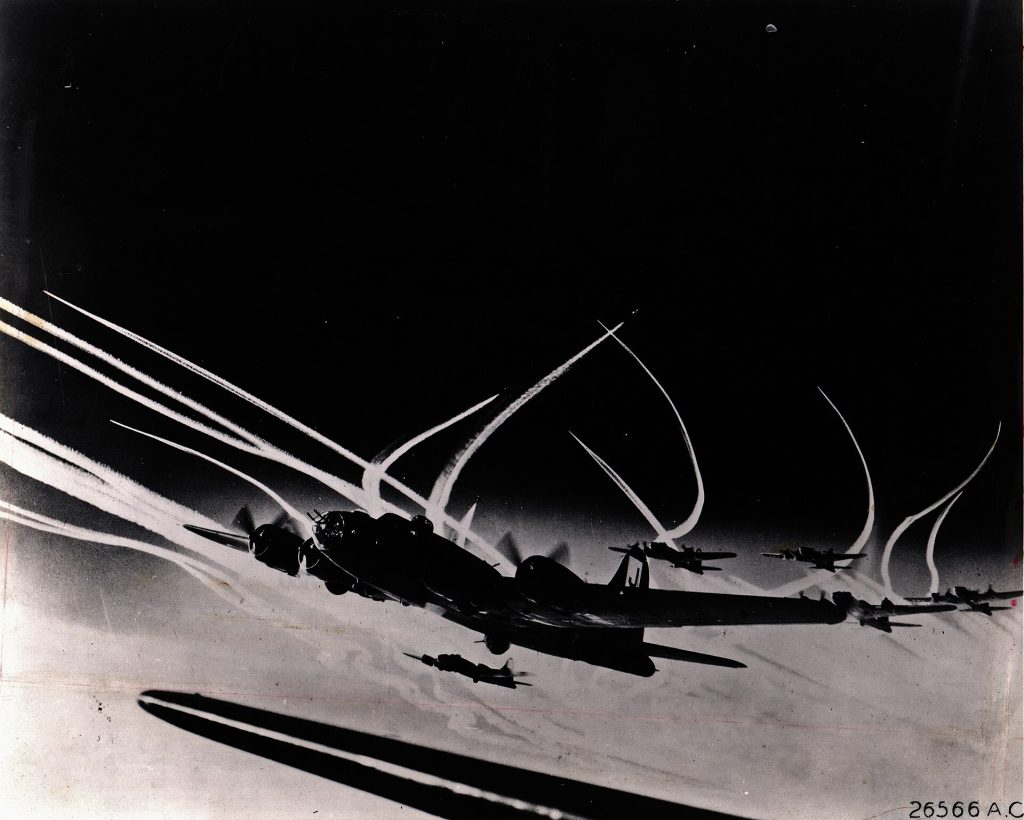
With a break in the winter weather, the Allied air forces launch a week of massed attacks on the German aircraft industry. The real target is the Luftwaffe itself.
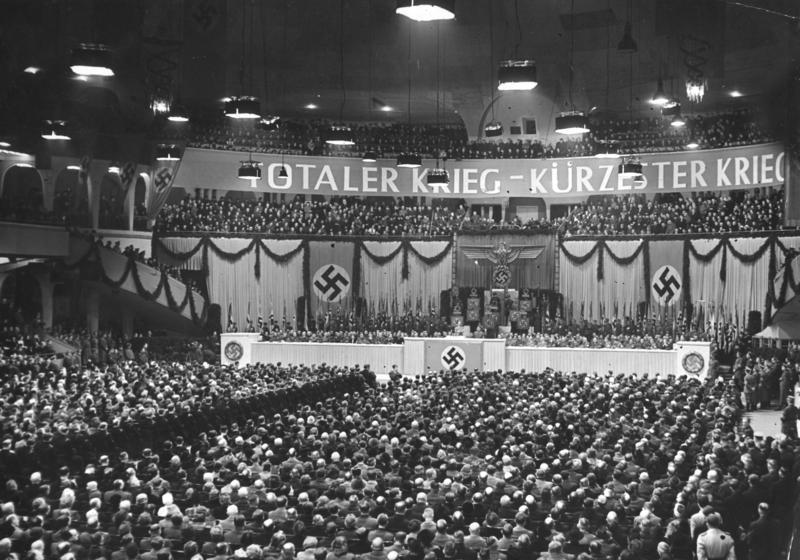
Two weeks after Stalingrad, Joseph Goebbels addresses a packed hall in Berlin and asks the crowd whether it wants total war. The answer is a roar of approval.
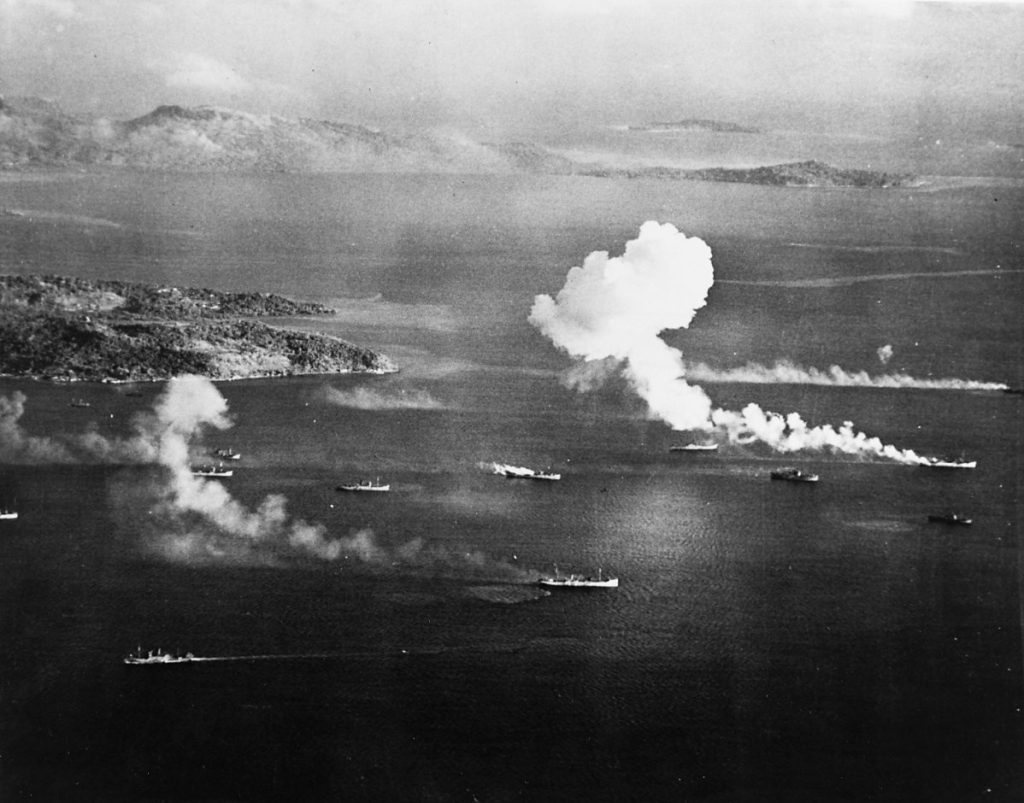
American carrier aircraft descend on Truk, Japan’s great fleet anchorage in the central Pacific, and wreck the shipping and aircraft they find there.
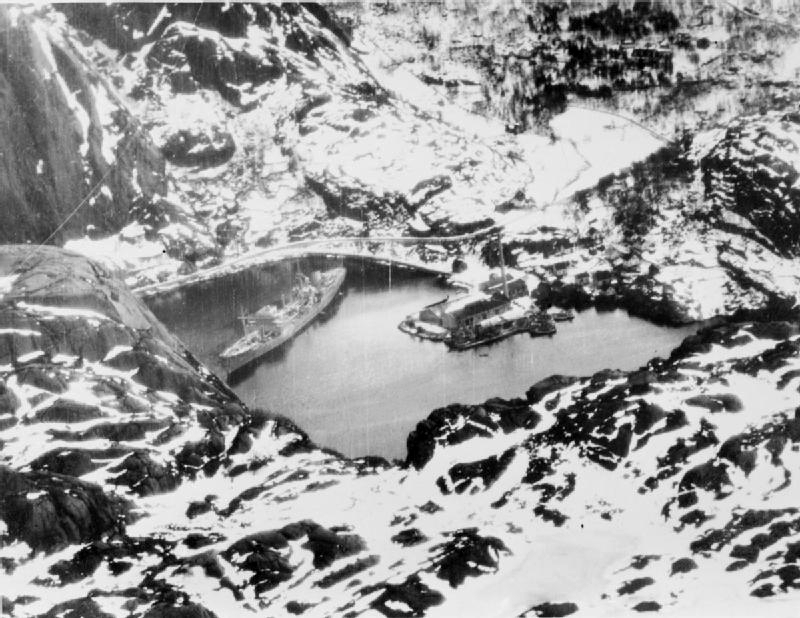
A British destroyer enters a Norwegian fjord, boards a German supply ship and frees around 300 British seamen held captive below decks.
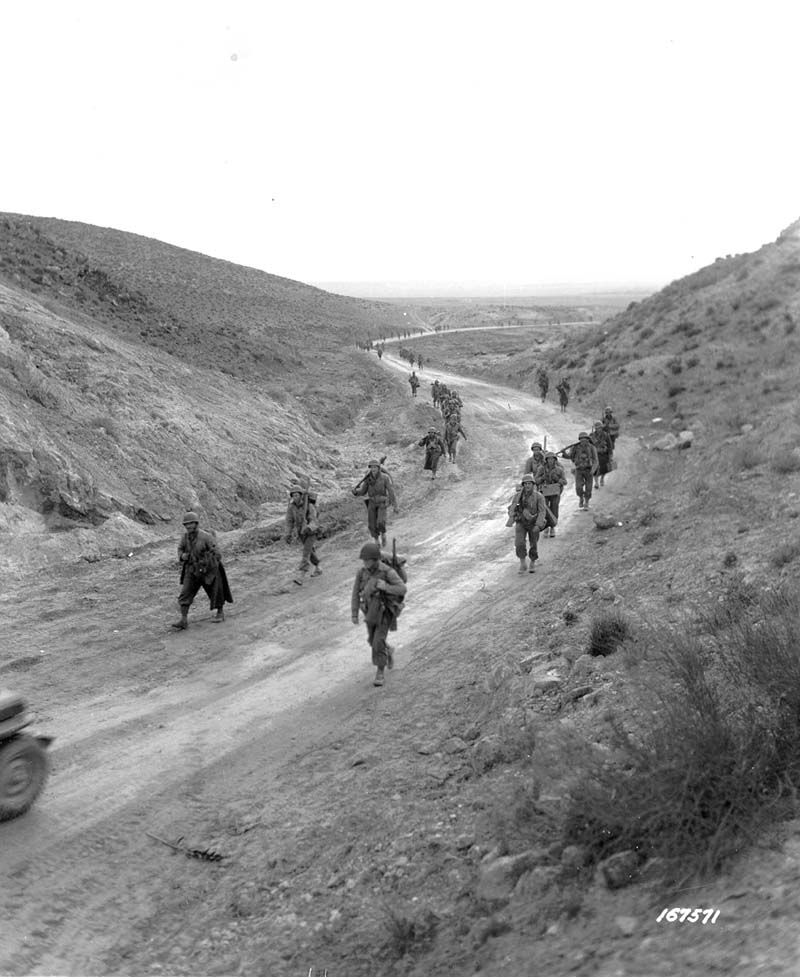
German panzer divisions strike the inexperienced US II Corps in central Tunisia. Within days the Americans are driven back through the Kasserine Pass.
 United Kingdom
 United States
 Soviet Union
 Germany
 Japan
 France
 Poland
 South Africa