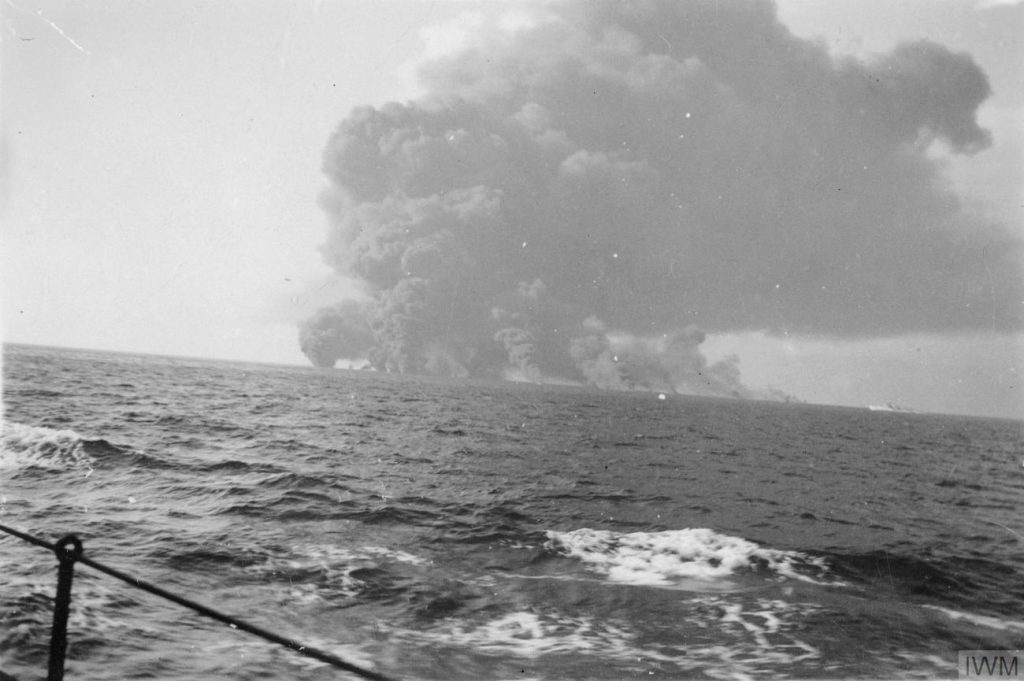
11 August 1942: Operation Pedestal
A massive convoy fights its way towards besieged Malta. On its first day of action, a U-boat sinks the aircraft carrier HMS Eagle.
Every dispatch dated in August, across all six years of the war.
A massive convoy fights its way towards besieged Malta. On its first day of action, a U-boat sinks the aircraft carrier HMS Eagle.
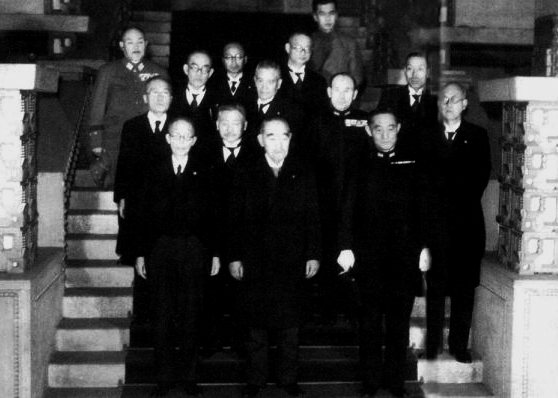
After a deadlocked night meeting, Emperor Hirohito breaks the tie. Japan tells the Allies it will accept the Potsdam Declaration, on one condition: the Emperor’s position must be preserved.
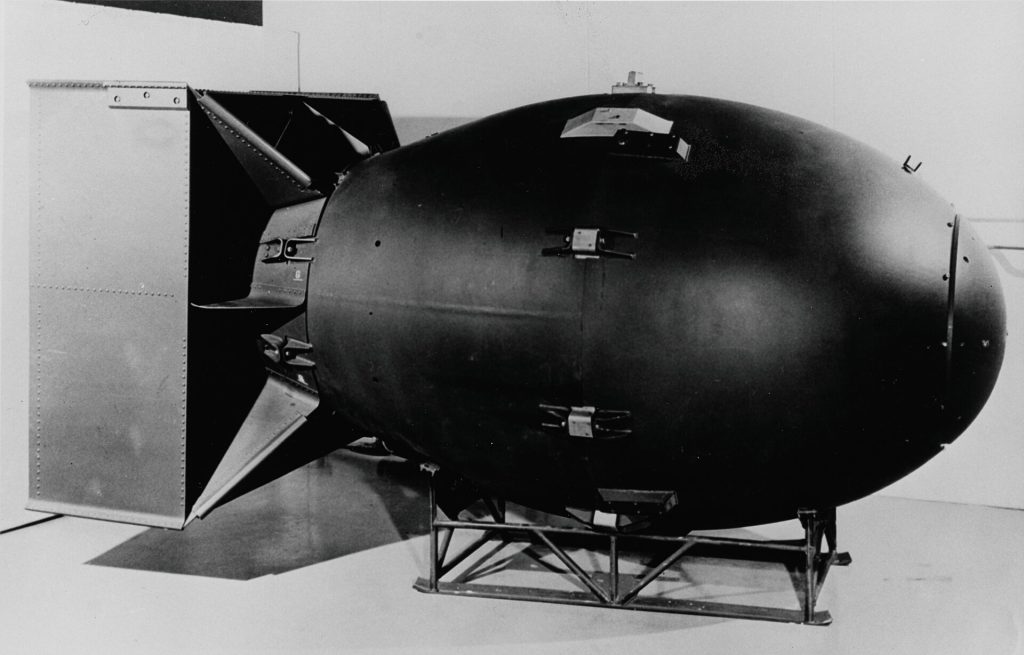
Three days after Hiroshima, a second atomic bomb is dropped. Clouds over the primary target, Kokura, send the B-29 Bockscar on to Nagasaki.
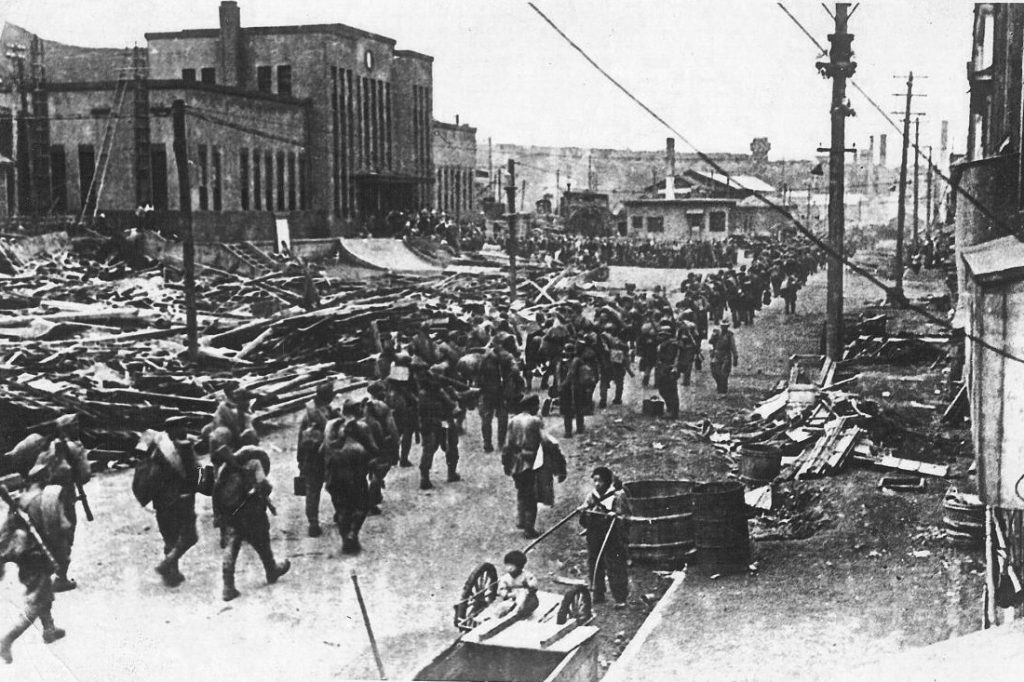
Exactly three months after Germany’s surrender, as Stalin promised at Yalta, Moscow declares war on Japan. Within hours, Soviet armies pour into Manchuria.
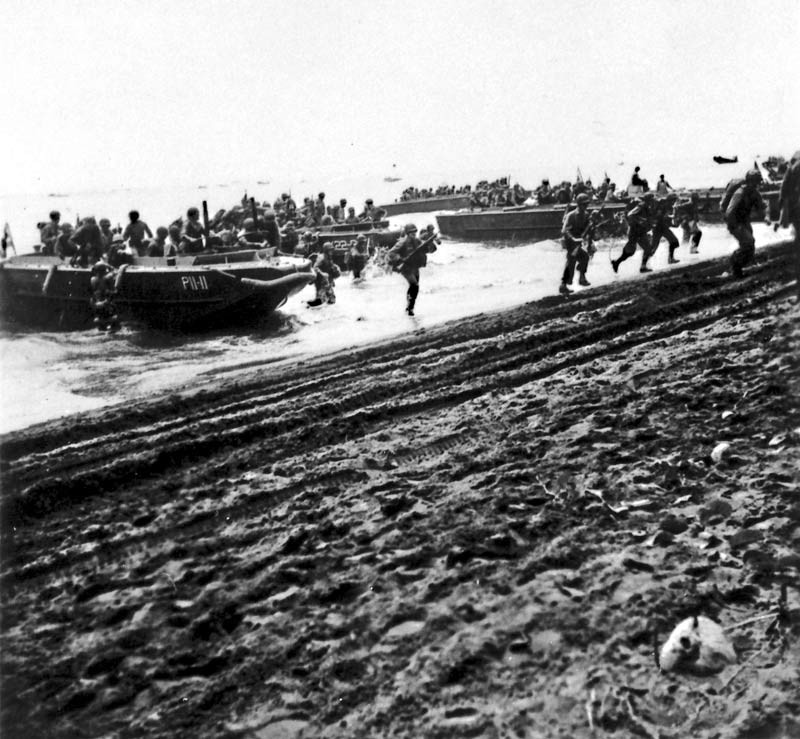
US Marines land on Guadalcanal and nearby Tulagi in the Solomon Islands. It is the first major Allied offensive against Japan, and it will last six months.
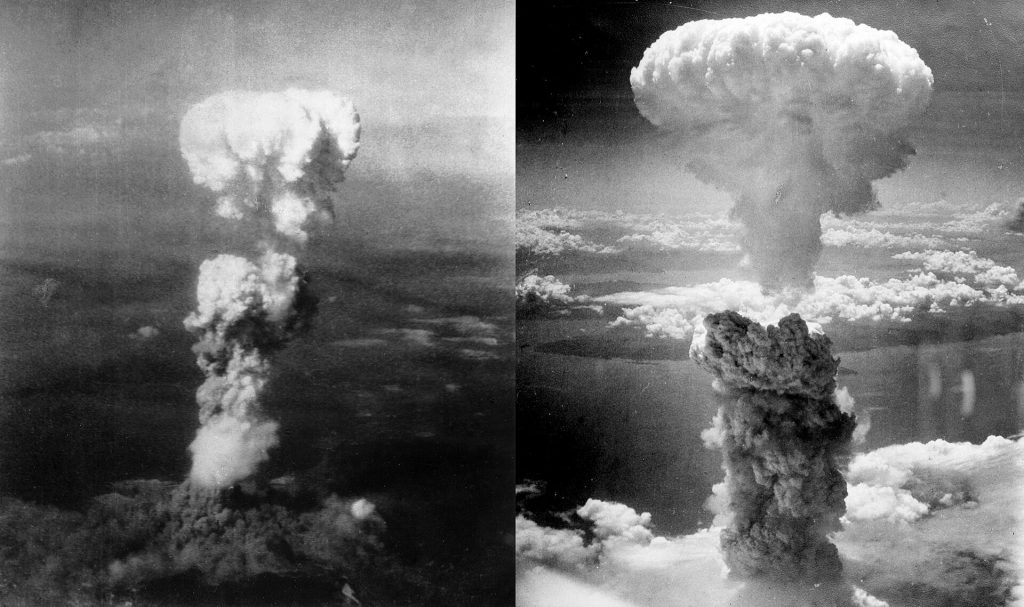
At 08:15, the American B-29 Enola Gay drops an atomic bomb on Hiroshima. A single bomb destroys most of the city.
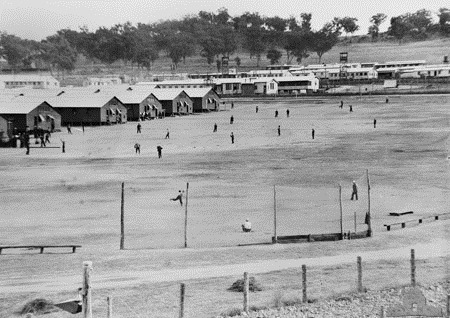
In the early hours, more than a thousand Japanese prisoners of war at Cowra in New South Wales charge the wire. It is one of the largest prison escapes of the war.
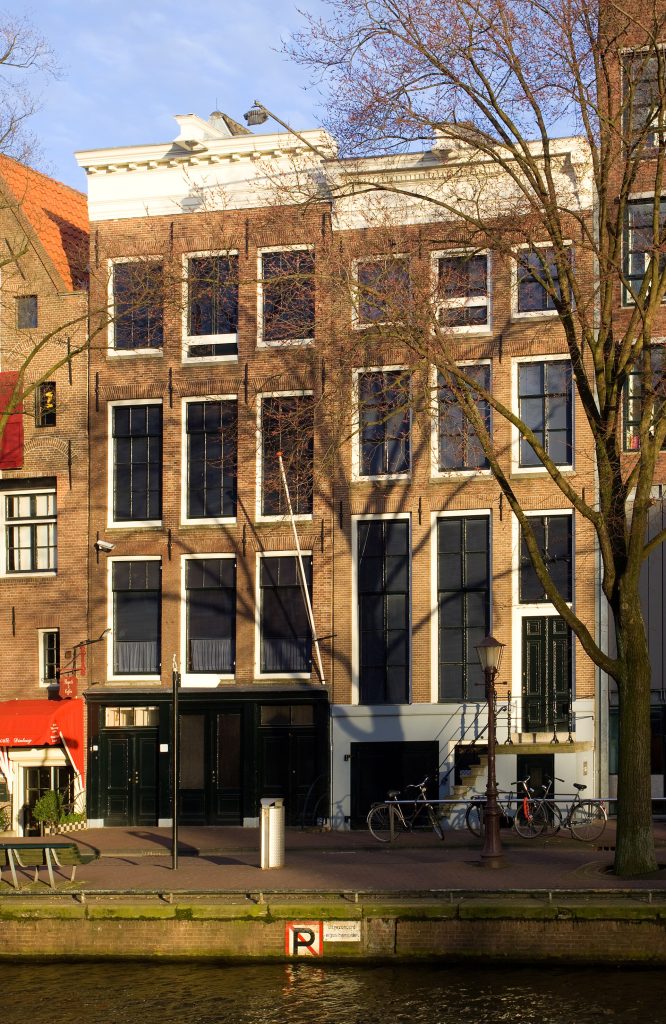
After more than two years in a hidden annexe above a canal-side warehouse in Amsterdam, Anne Frank, her family and four others are discovered and arrested.
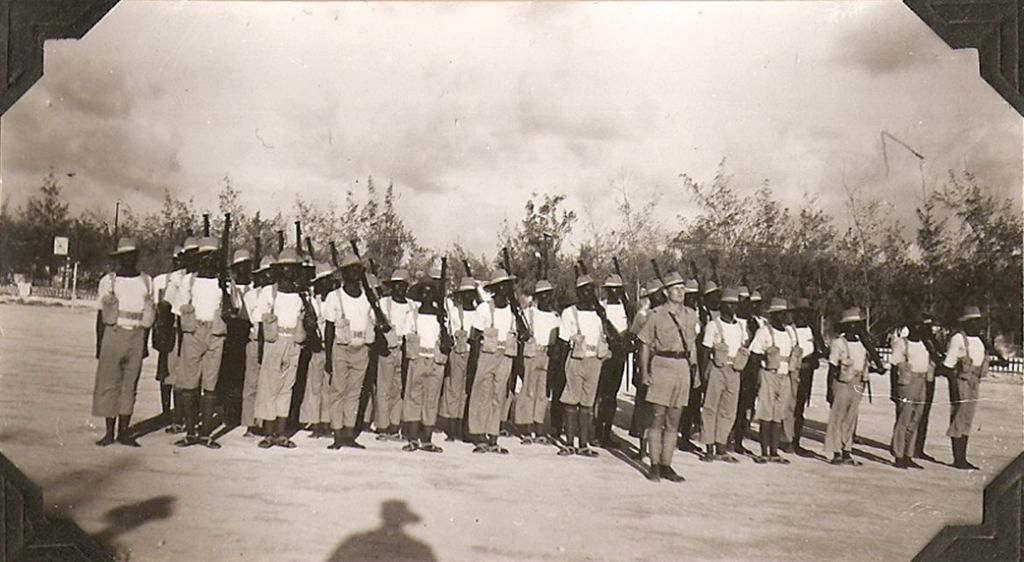
Italian forces cross from Ethiopia into British Somaliland. In just over two weeks, the small British garrison is forced to evacuate by sea.
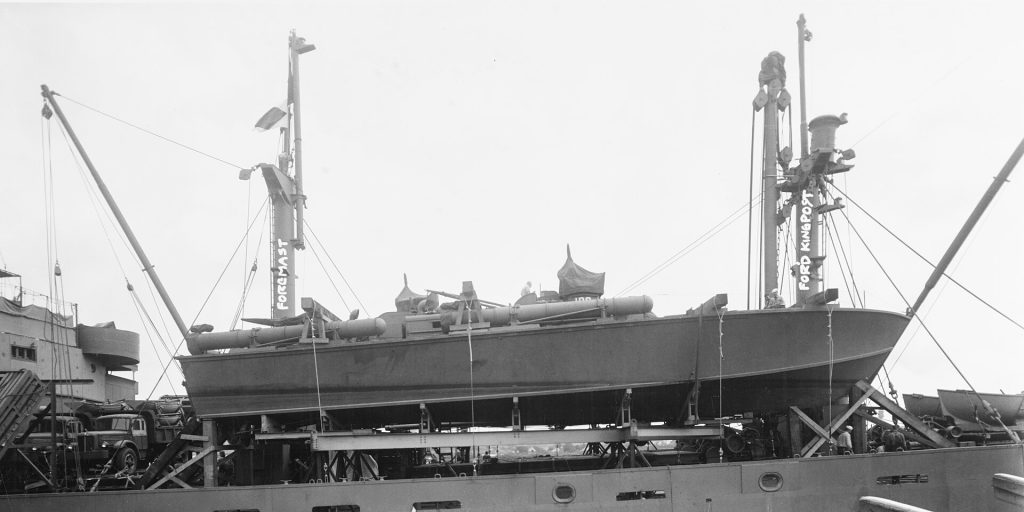
In the dark of Blackett Strait in the Solomons, a Japanese destroyer rams and slices through an American torpedo boat. Its young commander is Lieutenant John F. Kennedy.
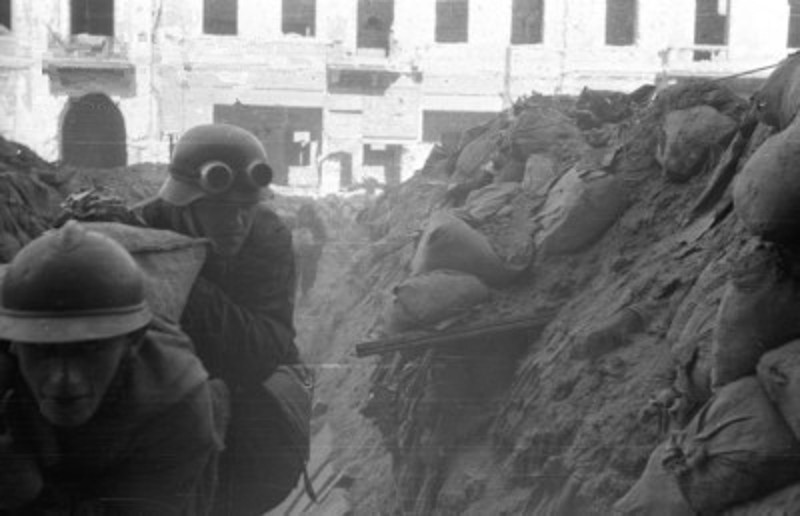
At five in the afternoon, the Polish Home Army rises against the German occupiers of Warsaw. It hopes to free the capital before the Red Army arrives. It will fight alone for 63 days.
 United Kingdom
 United States
 Soviet Union
 Germany
 Japan
 France
 Poland
 South Africa