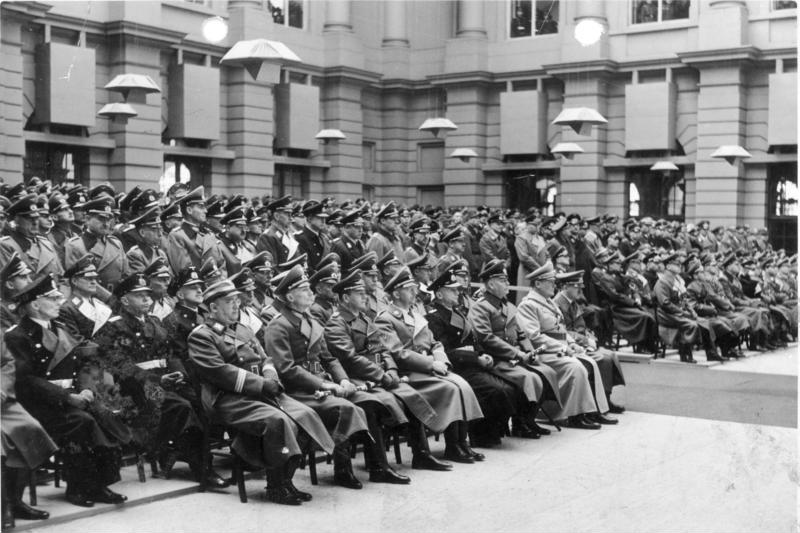
21 March 1943: The Bomb in the Zeughaus
At an exhibition of captured Soviet weapons in Berlin, an army officer walks beside Hitler with two primed bombs in his coat pockets, ready to die with him.
Dispatches involving Germany.
At an exhibition of captured Soviet weapons in Berlin, an army officer walks beside Hitler with two primed bombs in his coat pockets, ready to die with him.

In reprisal for a partisan ambush, a German police battalion burns the Belarusian village of Khatyn with its people locked in a shed. About 149 die, nearly half of them children.
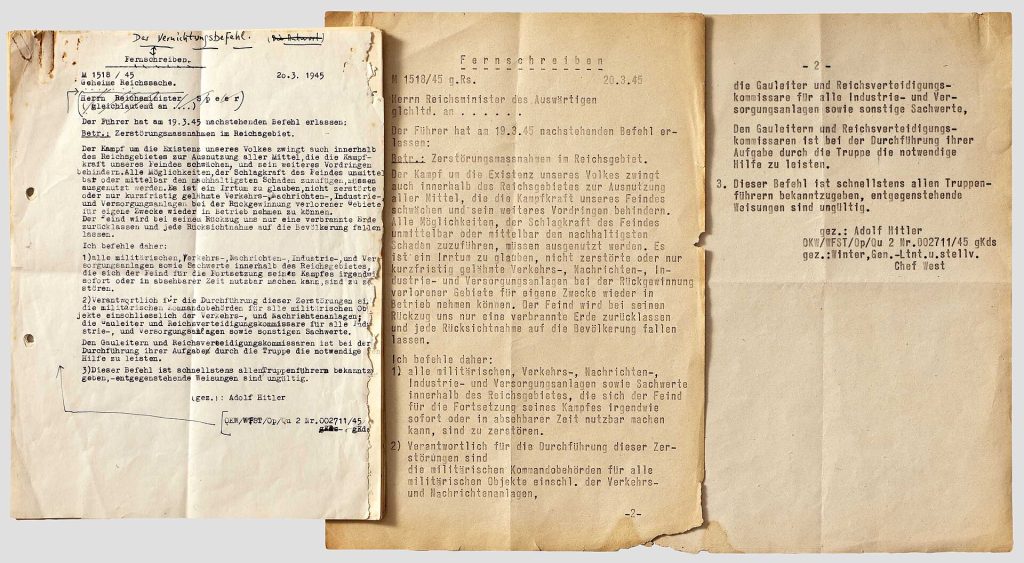
With his armies collapsing on every front, Hitler orders the destruction of everything inside Germany the enemy might use. His armaments minister quietly sets out to stop him.
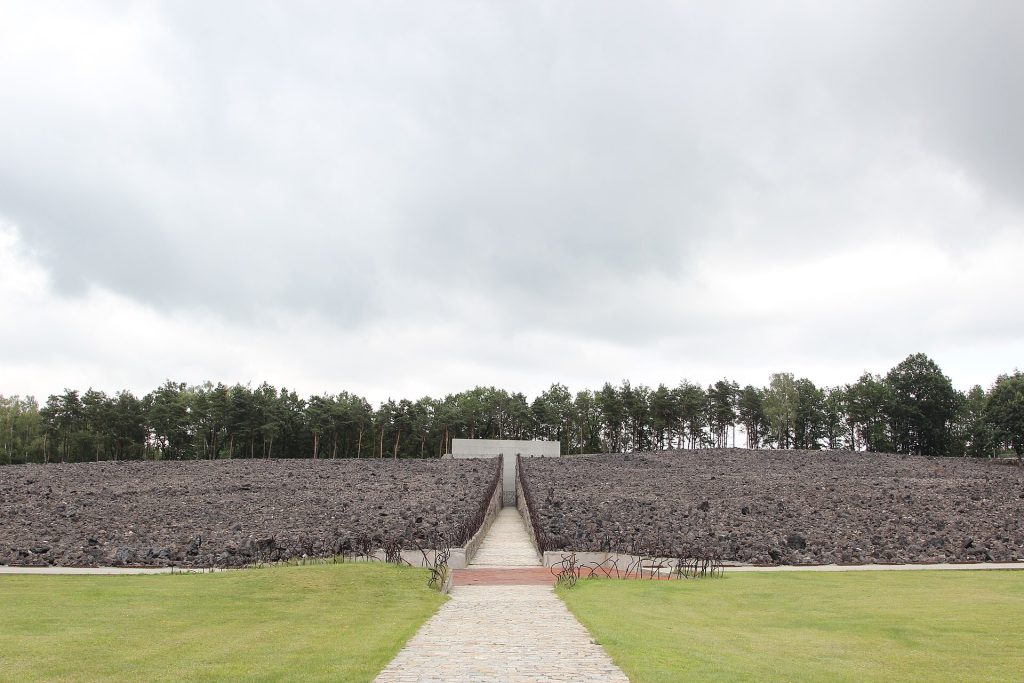
At a new camp in the Lublin district of occupied Poland, the first transports of Jews from the Lublin Ghetto are murdered in gas chambers. Operation Reinhard has begun.
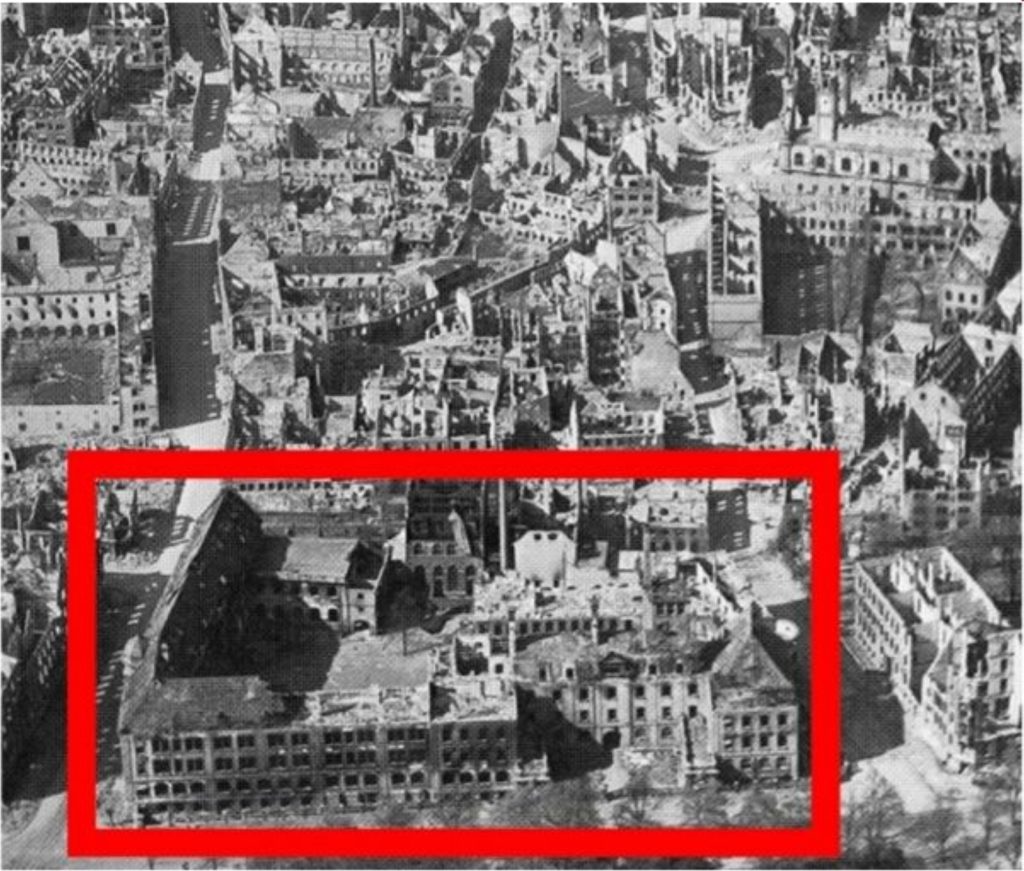
In under 20 minutes, RAF Lancasters set the baroque city of Würzburg ablaze. By morning almost nine-tenths of its centre is gone.
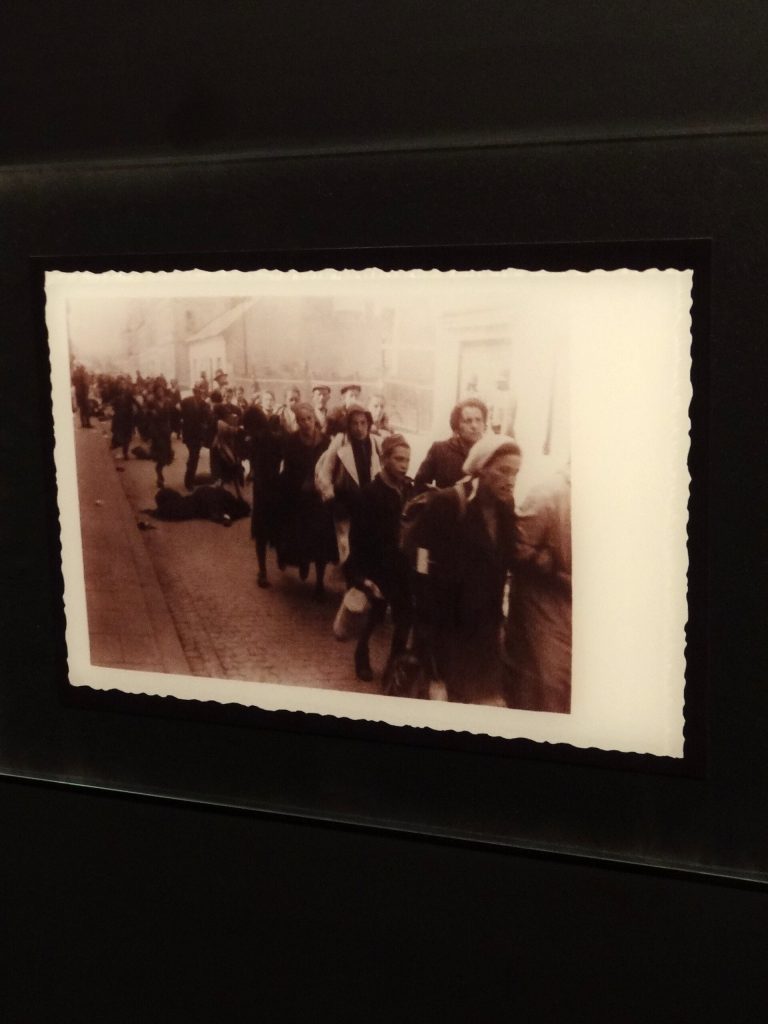
Under Amon Göth, the Germans clear the last Jews from the Kraków Ghetto. Those who can work are marched to Płaszów; the rest are shot in the streets or sent to Auschwitz.
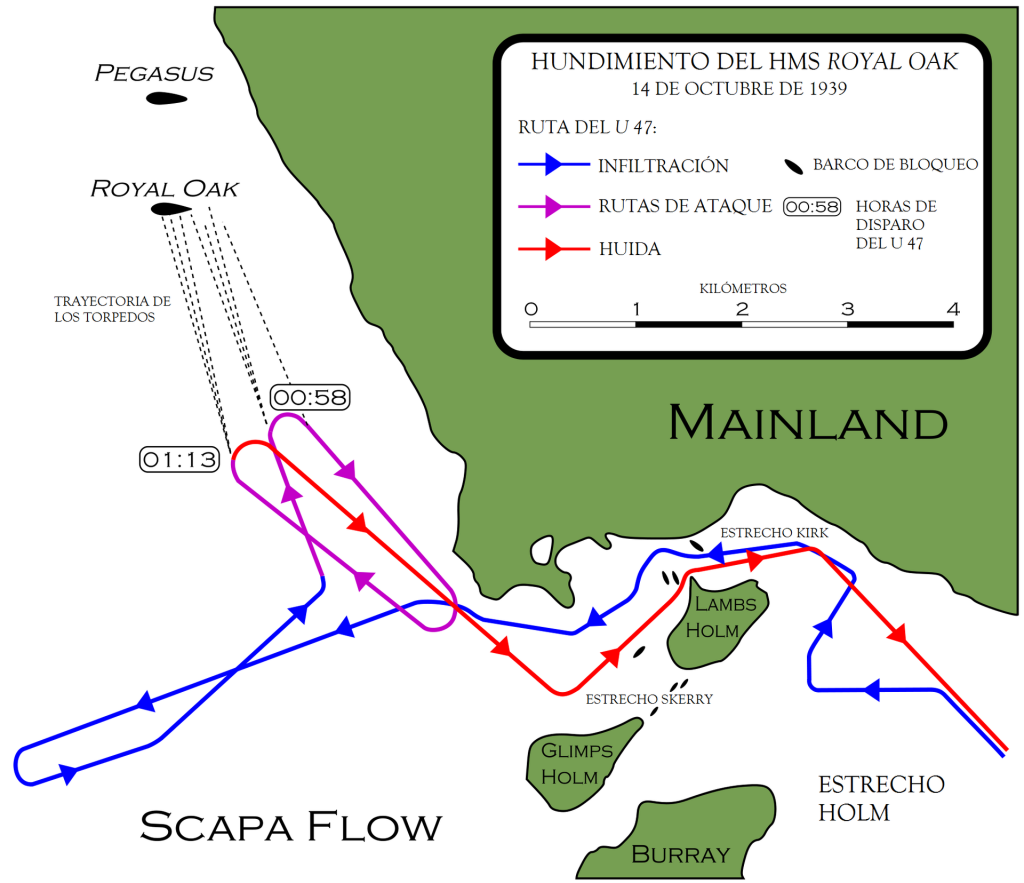
Günther Prien, the U-boat commander who sank the Royal Oak inside Scapa Flow, vanishes with his boat and crew in the North Atlantic.
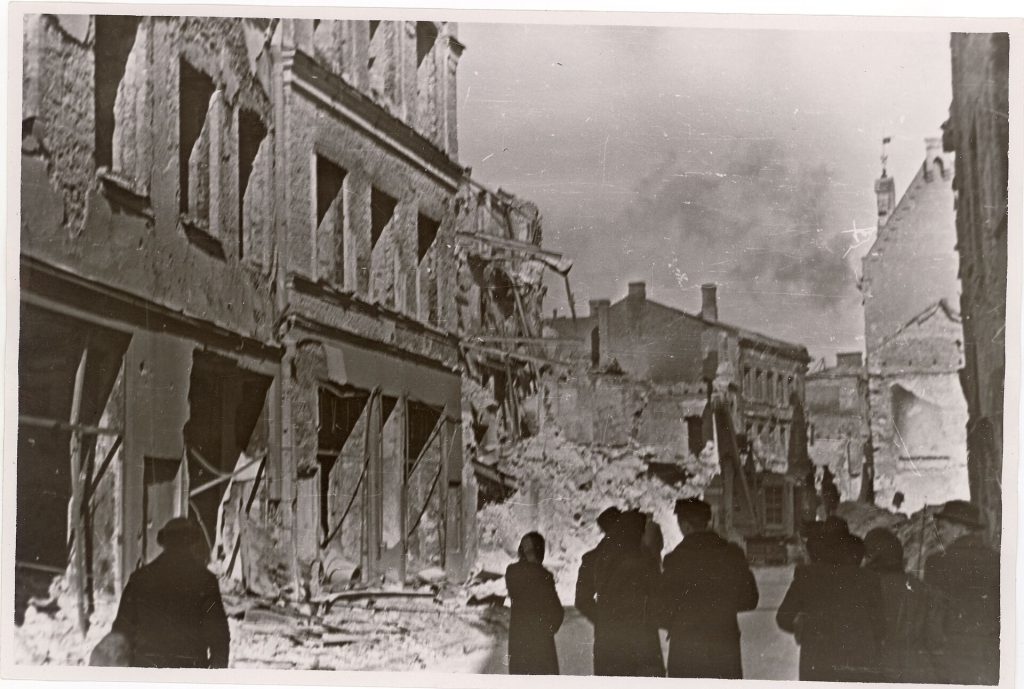
Soviet bombers strike Estonia’s capital in a single evening raid, burning a fifth of the city and killing hundreds of its people.

Hundreds of American bombers and their escorts fight their way to Berlin and back in daylight, at the heaviest cost the Eighth Air Force will suffer in a single day.
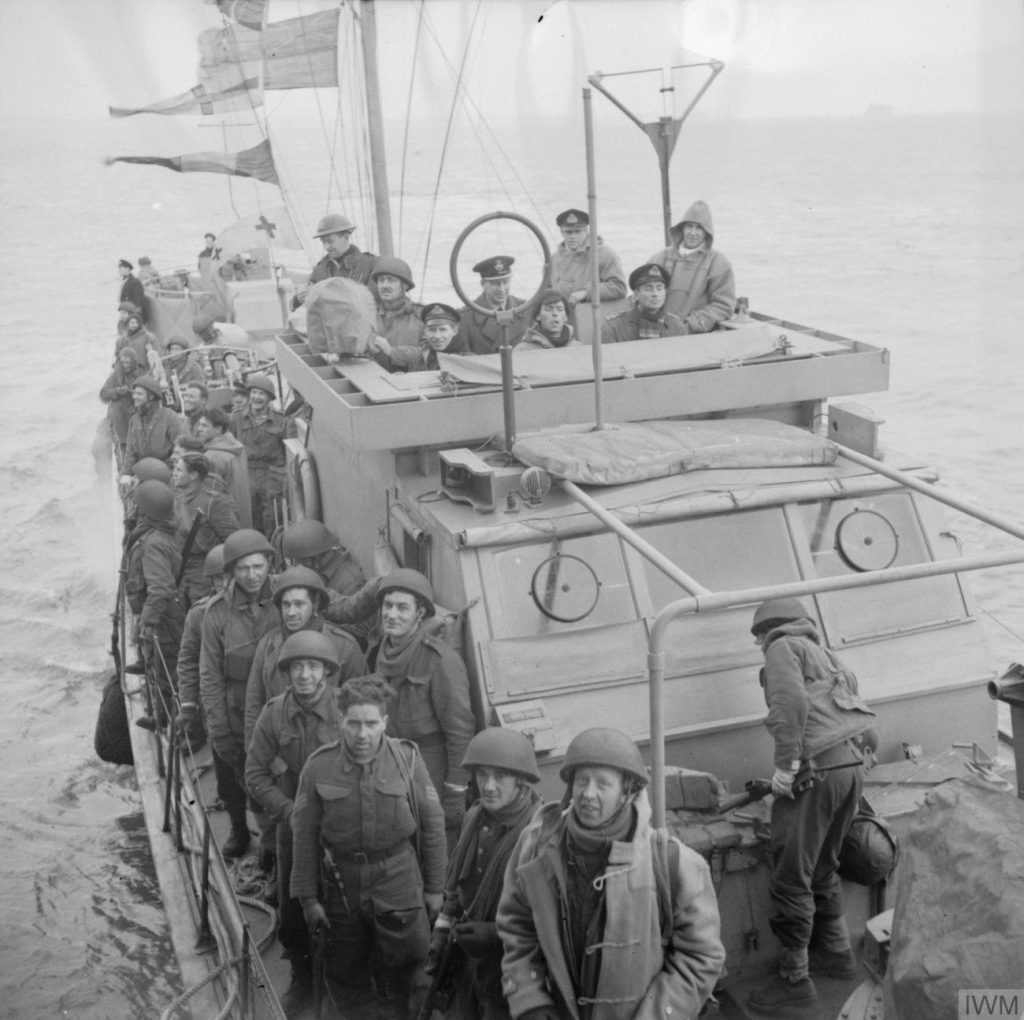
British paratroopers drop onto the French coast, seize the heart of a German radar station and carry its secrets home by sea.
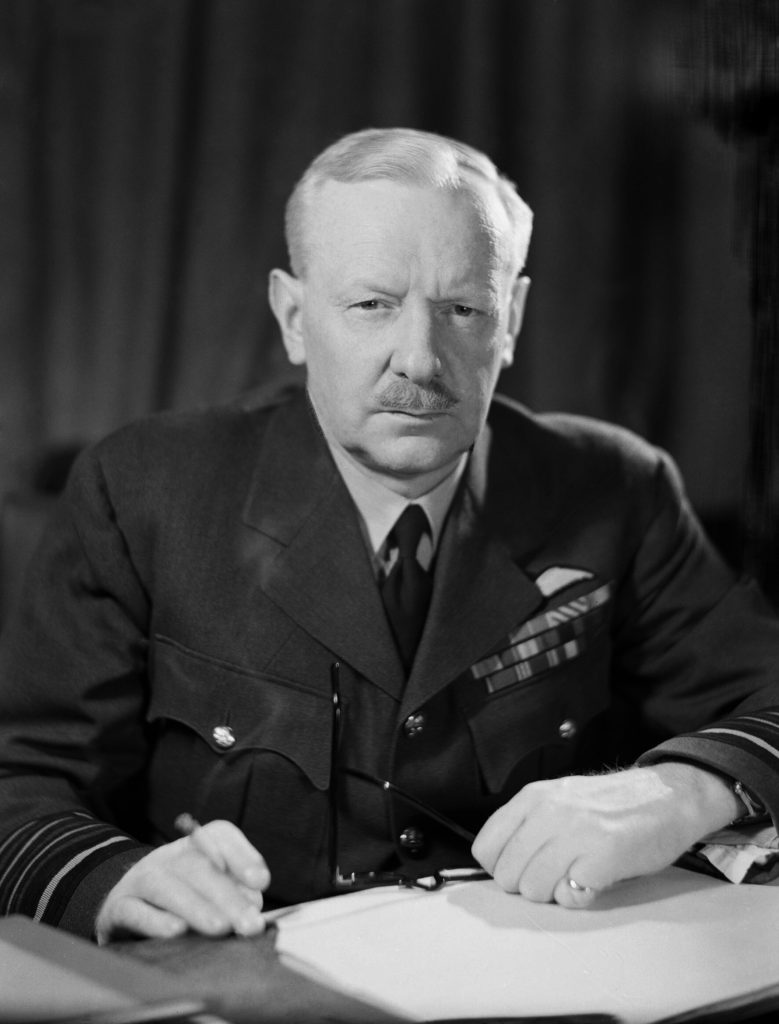
Air Marshal Arthur Harris takes charge of a bomber force that has so far disappointed. He will lead it to the end of the war, and into lasting controversy.
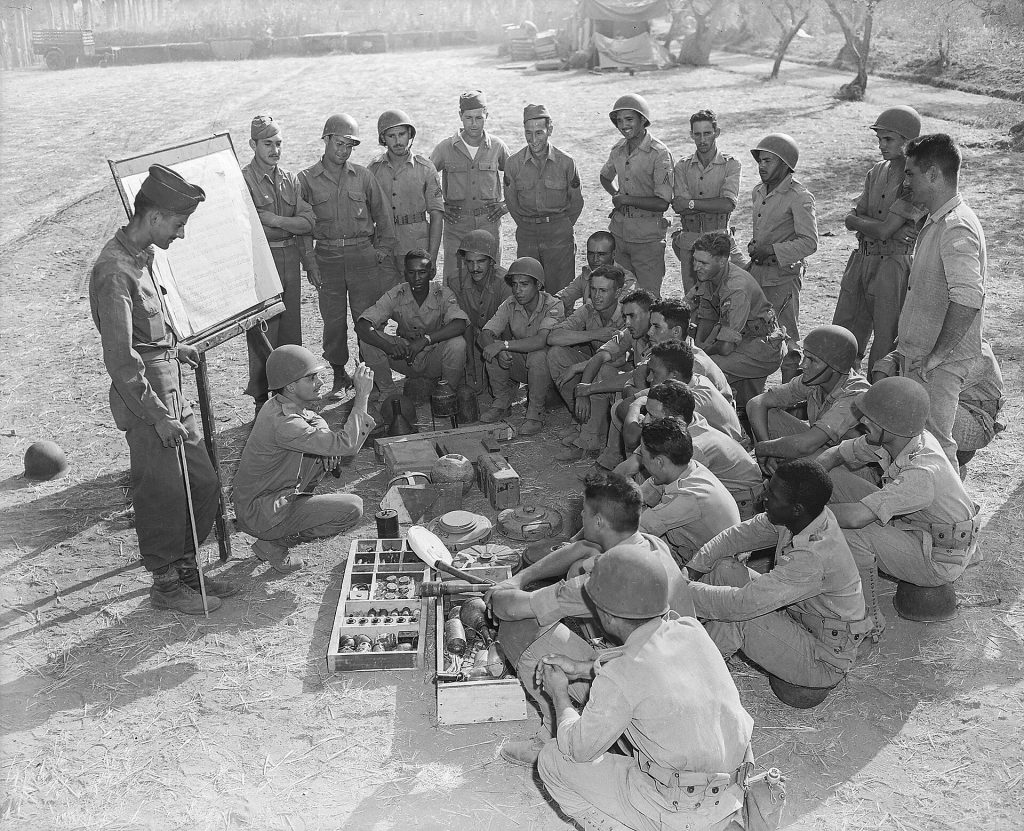
After three months of failed attacks in the northern Apennines, the Brazilian Expeditionary Force finally storms Monte Castello.
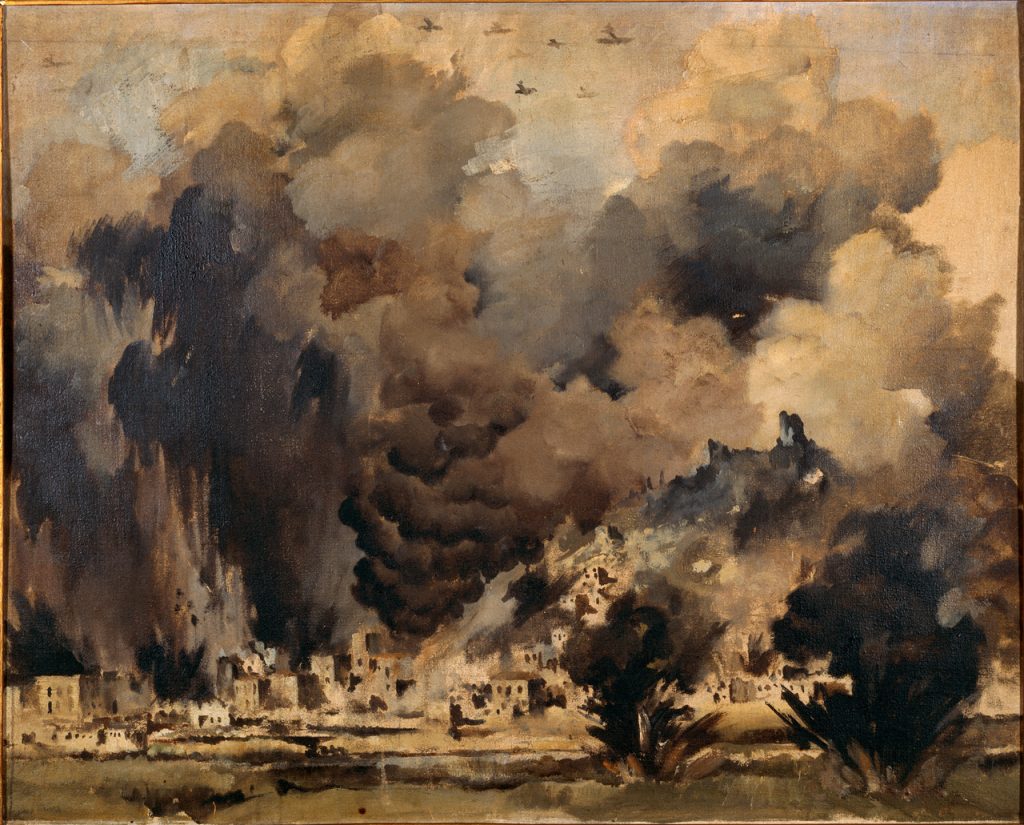
Allied bombers destroy the ancient Benedictine abbey above Cassino, believing the Germans are using it. They are not, until the ruins hand them a fortress.

Riding the momentum of Stalingrad, Soviet troops enter Kharkov, one of the largest cities in Ukraine. Within a month the Germans will take it back.
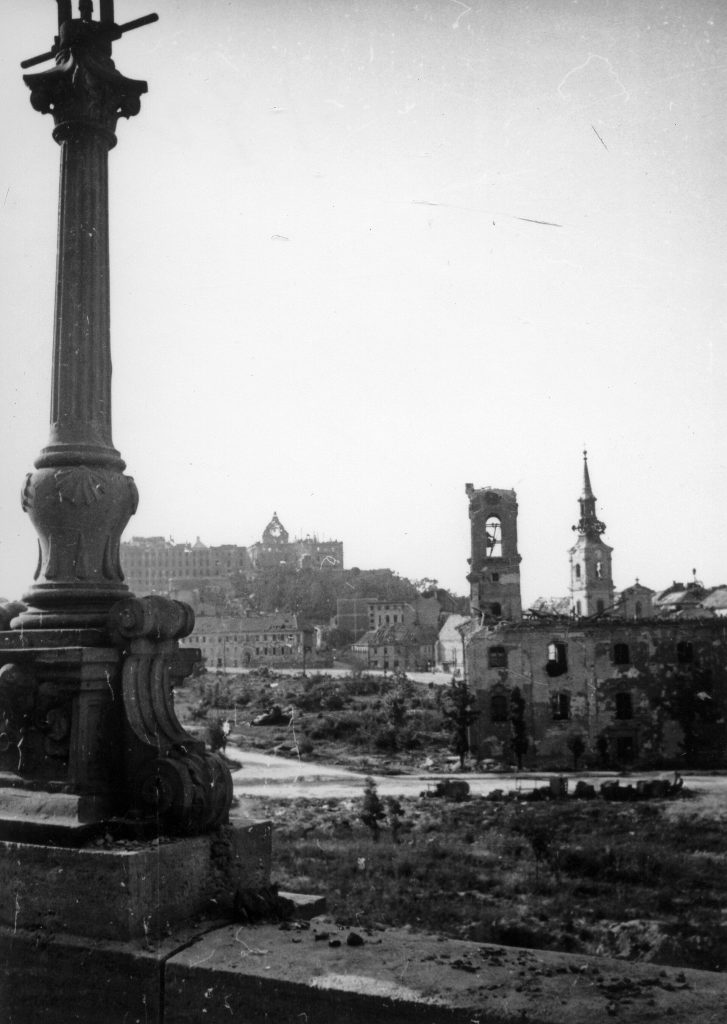
After seven weeks of siege and a desperate, doomed breakout from Buda, the last German and Hungarian defenders of the Hungarian capital surrender.
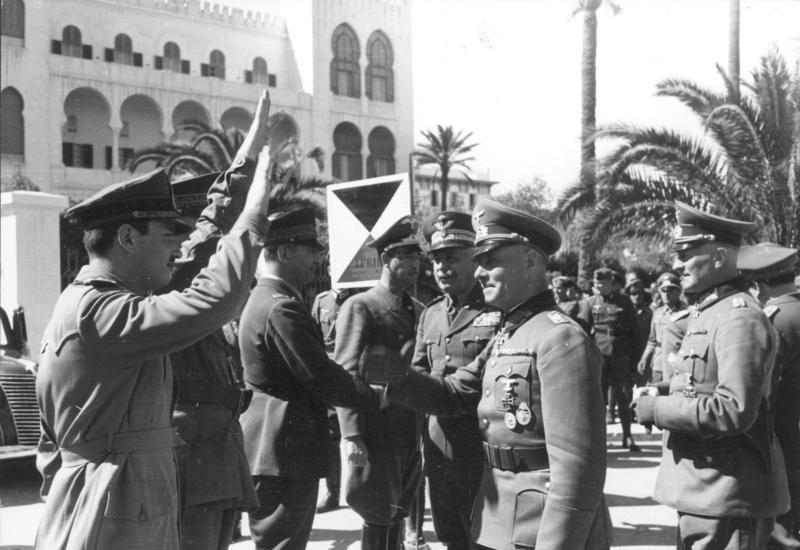
With the Italian army in Libya routed at Beda Fomm, a German general lands in Tripoli to stiffen the defence. Erwin Rommel has other ideas.
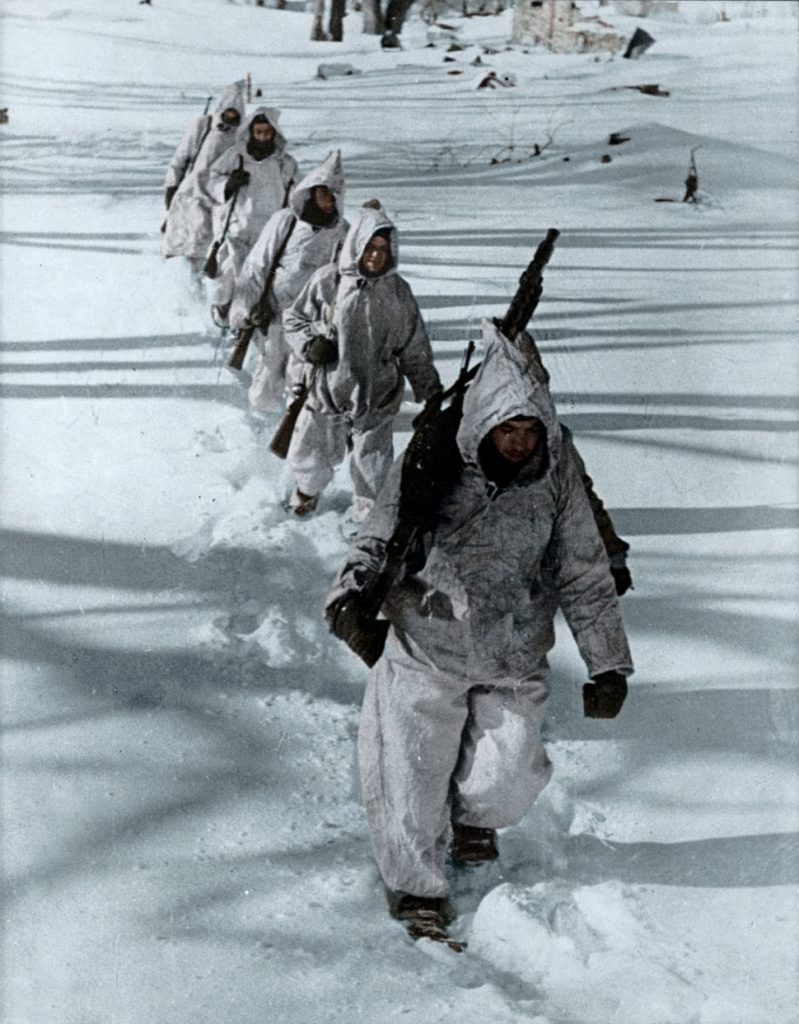
South of Leningrad, a Soviet army attacks a sector held by the Spanish volunteers of Franco’s Blue Division. The Spaniards are shattered, but the Soviet breakthrough never comes.
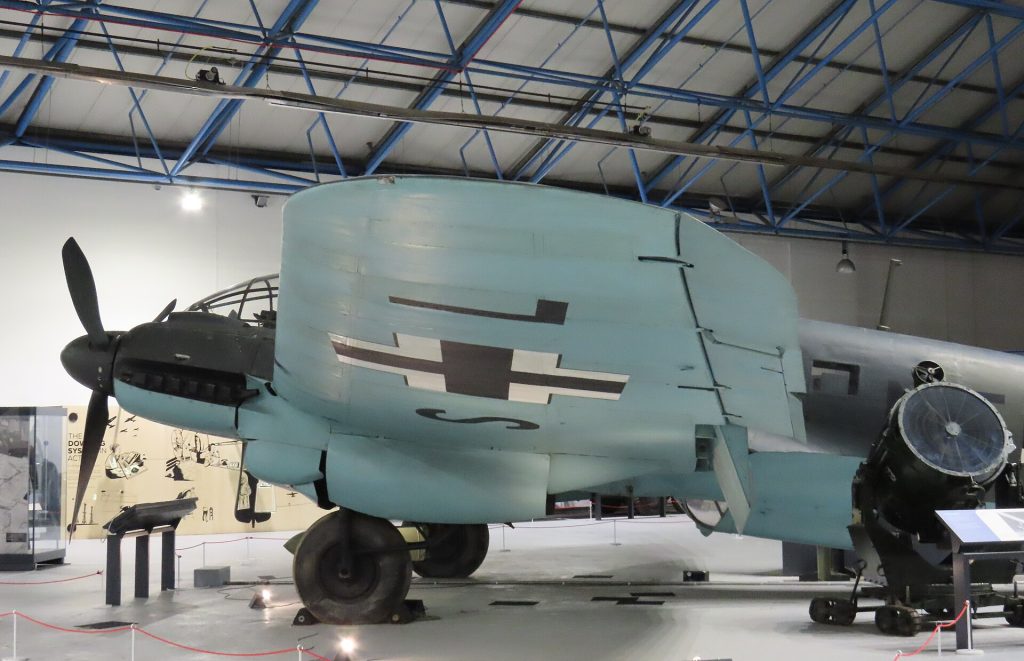
Soviet prisoners kill their guard at Germany’s rocket base on Usedom, seize a Heinkel bomber and fly it back to their own lines.
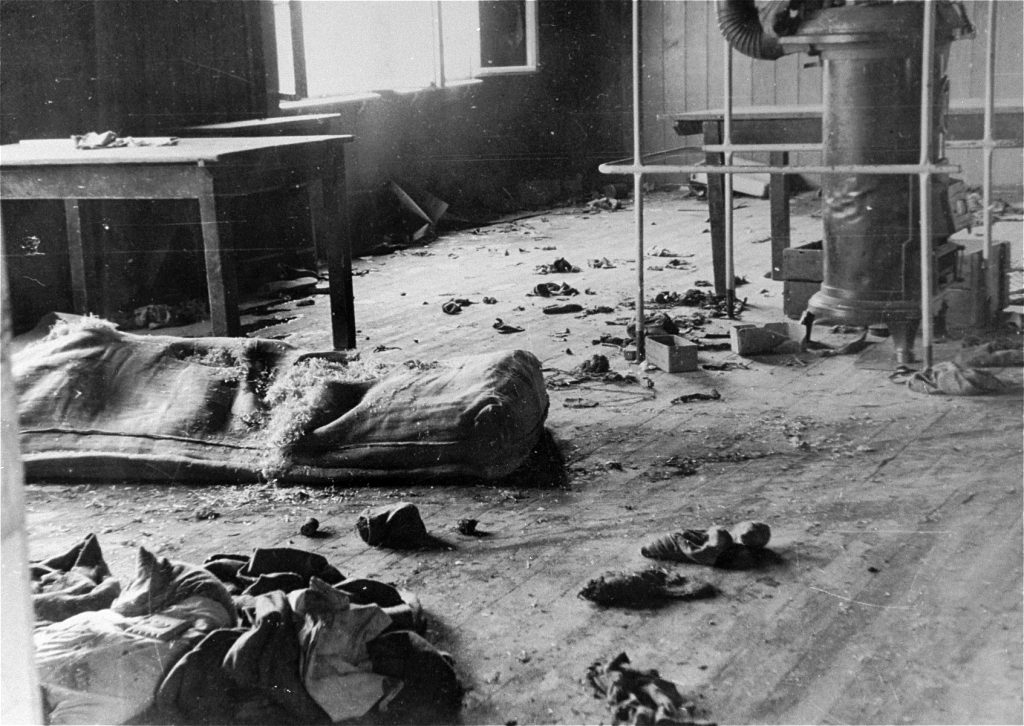
On a freezing night, some 500 Soviet officers held in Mauthausen’s death block storm the wire. The manhunt that follows becomes known by a grim name: the Mühlviertel hare hunt.

Close to a thousand American bombers strike the centre of Berlin by day. Among the dead is Roland Freisler, the judge who sent the July plotters to the gallows.
 United Kingdom
 United States
 Soviet Union
 Germany
 Japan
 France
 Poland
 South Africa