Grand Strategy · Politics · South Africa
South Africa Goes to War
After a bitter debate that splits the government, South Africa declares war on Germany. Jan Smuts, who led the vote for war, is now prime minister.
- Parliament vote
- 80 to 67 for Smuts’s amendment, 4 September
- Prime minister
- Jan Smuts, from 5 September
- Previous prime minister
- J. B. M. Hertzog, who wanted neutrality
- Volunteers
- About 334,000 for full-time service
- War clock
- Day 6 of 2,194
When Britain declared war, South Africa’s fusion government was divided. Prime Minister J. B. M. Hertzog wanted the Union to remain neutral. His deputy, Jan Smuts, argued that South Africa must stand with Britain and the Commonwealth against Nazi Germany.
The vote
On 4 September 1939 the House of Assembly voted 80 to 67 for Smuts’s amendment in favour of breaking with Germany. Hertzog asked the Governor-General, Sir Patrick Duncan, to dissolve parliament and call an election. Duncan refused, and Hertzog resigned. Smuts became prime minister on 5 September, and on 6 September South Africa declared war.
A volunteer army
South Africans were not conscripted for service abroad. Soldiers who volunteered to fight outside the country took an oath and wore an orange flash on their shoulder straps. About 334,000 men volunteered for full-time service, white, black, coloured and Indian, although black South Africans were barred from combat roles. Many Afrikaners opposed the war, and some joined the Ossewabrandwag, which sabotaged the war effort.
Sources and further reading
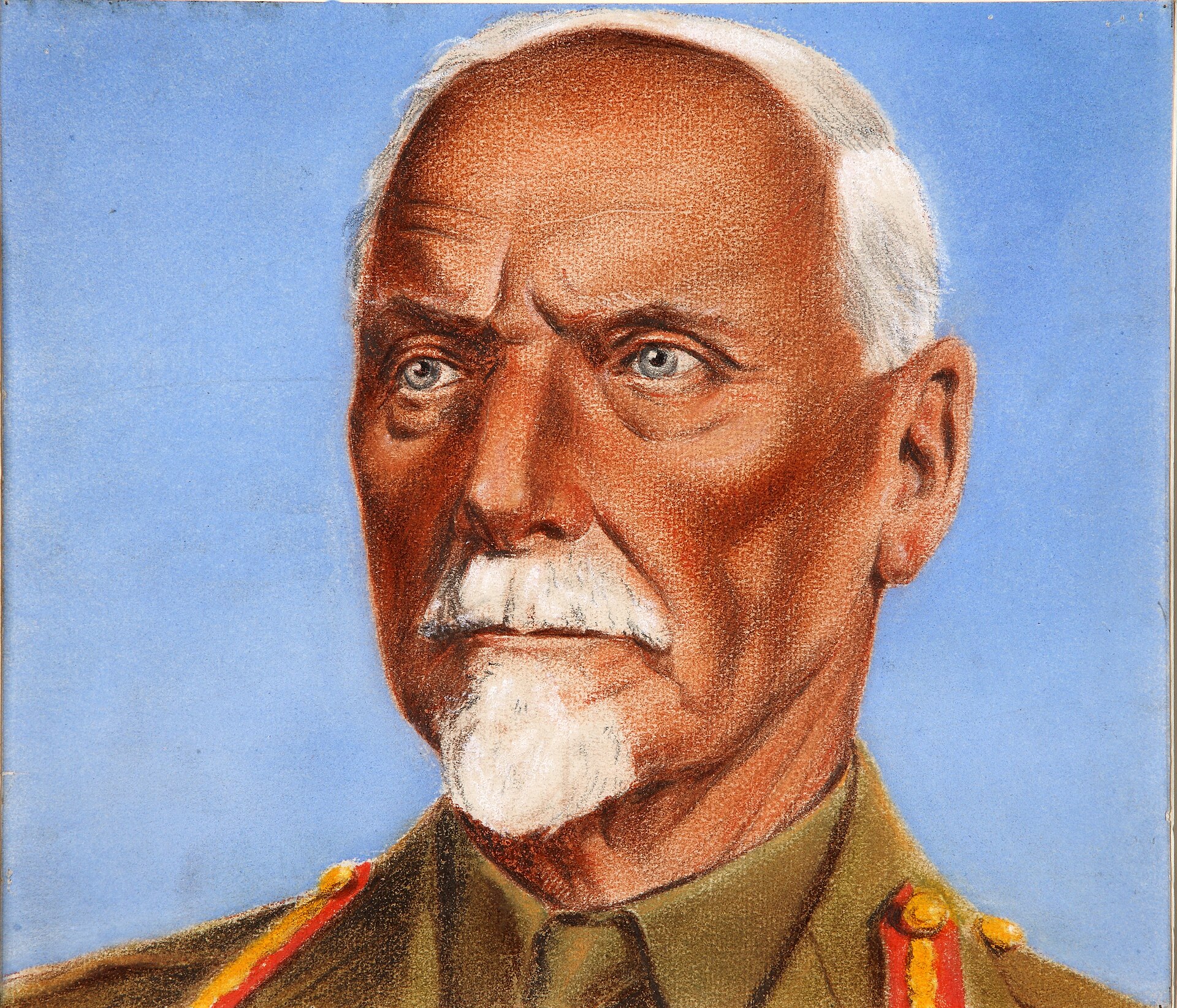
Lead image: Wartime portrait of General Jan Smuts. William Timym, Public domain, via Wikimedia Commons. See our sources and image policy.
 United Kingdom
 United States
 Soviet Union
 Germany
 Japan
 France
 Poland
 South Africa