Western Front · Land Battles · Belgium and Germany
Belgium Surrenders
King Leopold III orders the Belgian army to lay down its arms. His government, against the decision, will carry on the war from abroad.
- Surrender took effect
- 04:00, 28 May 1940
- King
- Leopold III, commander of the army
- Government
- PM Hubert Pierlot, later in exile in London
- Effect
- Exposed the flank of the Dunkirk perimeter
- War clock
- Day 271 of 2,194
The Belgian army had fought for eighteen days, falling back across the country as German forces advanced. By late May it was pressed against the coast on the river Lys, exhausted and short of ammunition, with masses of refugees crowding the roads behind it.
The king’s decision
King Leopold III, who commanded the army himself, decided further resistance was hopeless. Despite the objections of his ministers, who wanted him to leave the country and continue the fight, he asked the Germans for terms. The surrender took effect at 04:00 on 28 May 1940. Leopold chose to remain in Belgium and became, in effect, a prisoner.
Allied anger
The British and French had little warning. The surrender opened a gap on the eastern flank of the Dunkirk perimeter, which British troops had to rush to fill. The French prime minister publicly condemned the king.
Sources and further reading
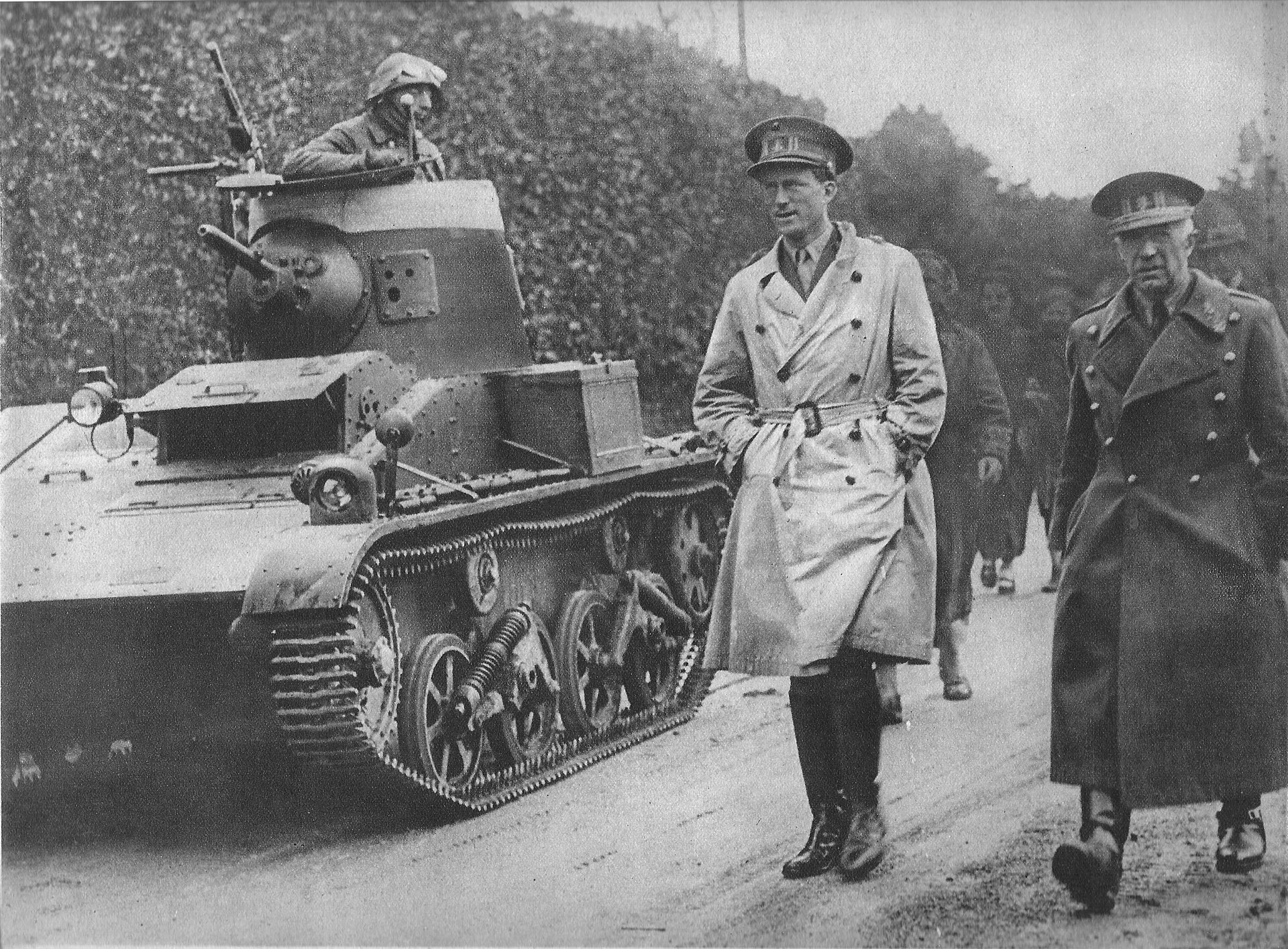
Lead image: King Leopold III of the Belgians, 1940. Unknown photographer, Public domain, via Wikimedia Commons. See our sources and image policy.
 United Kingdom
 United States
 Soviet Union
 Germany
 Japan
 France
 Poland
 South Africa