Occupied Europe · Holocaust · Poland
Operation Harvest Festival
Over two days in the Lublin district of occupied Poland, SS and police units murder around 42,000 Jewish prisoners. It is one of the largest single massacres of the Holocaust.
- Location
- Majdanek, Trawniki and Poniatowa, occupied Poland
- German name
- Aktion Erntefest
- Dates
- 3 and 4 November 1943
- Victims
- Around 42,000 Jewish men, women and children
- War clock
- Day 1,525 of 2,194
By the autumn of 1943 most of the Jews of occupied Poland had already been murdered in the death camps of Operation Reinhard. Tens of thousands remained alive as forced labourers in the camps of the Lublin district, working for the SS and German industry. After armed revolts in the Warsaw Ghetto, at Treblinka and at Sobibor, Heinrich Himmler ordered that these last Jewish workers be killed.
The operation
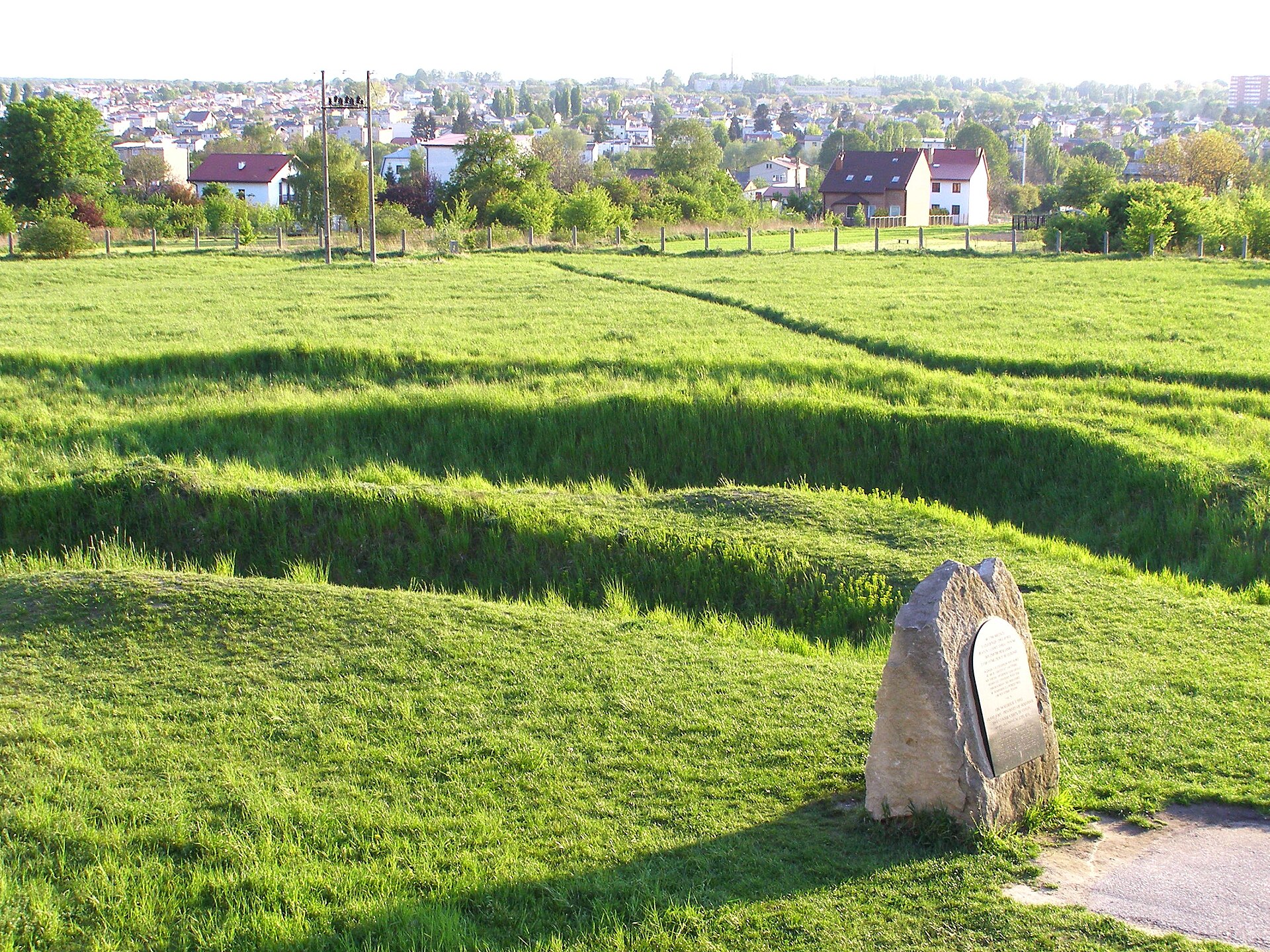
The SS assembled police battalions and Waffen-SS units from across the region. At the Majdanek camp on the edge of Lublin, prisoners were forced to dig long zigzag trenches in the days beforehand, told they were anti-aircraft defences. On 3 November 1943 Jewish prisoners from Majdanek and from labour camps in the city were marched to the trenches and shot. Music was played through loudspeakers in an attempt to drown out the sound of the gunfire.
Around 18,000 people were murdered at Majdanek that single day. The killings continued at the labour camps of Trawniki and Poniatowa, where in some places prisoners attempted to resist. By the end of 4 November about 42,000 people had been killed.
Afterwards
Prisoners who were spared were forced to burn the bodies over the following weeks, an attempt to erase the evidence. When Soviet troops reached Majdanek in July 1944 they found much of the camp intact, and it became one of the first Nazi camps to be shown to the world.
Also on 3 November
- 1943US Marines on Bougainville extend their beachhead at Empress Augusta Bay.
Sources and further reading
Lead image: The memorial site at Majdanek where Jewish prisoners were murdered in November 1943. Bronisław Wesołowski, Public domain, via Wikimedia Commons. See our sources and image policy.
 United Kingdom
 United States
 Soviet Union
 Germany
 Japan
 France
 Poland
 South Africa