Northern Europe · Diplomacy · Finland and Soviet Union
The Moscow Peace
Late at night in Moscow, Finnish delegates sign a harsh peace treaty. The Winter War will end the next day, and Finland will lose a tenth of its territory.
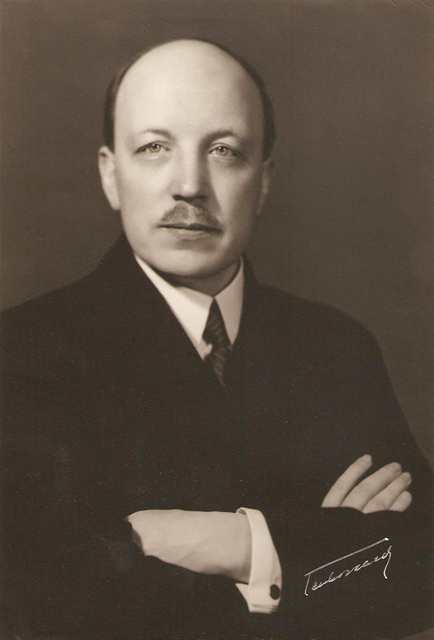
- Signed
- 12 March 1940, Moscow
- Fighting ended
- 11:00 on 13 March 1940
- Finnish delegation led by
- Prime Minister Risto Ryti
- Territory ceded
- Karelian Isthmus, Viipuri, Ladoga Karelia and more
- War clock
- Day 194 of 2,194
After the Red Army broke through the Mannerheim Line in February 1940, the Finnish army was exhausted and running short of ammunition. Britain and France offered an expeditionary force, but it would take weeks to arrive and had to cross neutral Norway and Sweden. The Finnish government decided to seek peace.
Hard terms
The Soviet terms were harsher than those Finland had rejected before the war. Finland had to cede the whole Karelian Isthmus, including Viipuri, its second-largest city, along with the lands north of Lake Ladoga, areas in the north and islands in the Gulf of Finland. The Hanko peninsula was leased to the Soviet Union as a naval base.
The cost
The treaty was signed late on 12 March, and the fighting stopped the next day. Almost the entire population of the ceded areas, more than 400,000 people, chose to leave and resettle in the rest of Finland. Flags flew at half-mast across the country.
Sources and further reading
Lead image: Risto Ryti, Prime Minister of Finland, who signed the peace. Unknown photographer, Public domain, via Wikimedia Commons. See our sources and image policy.
 United Kingdom
 United States
 Soviet Union
 Germany
 Japan
 France
 Poland
 South Africa