Occupied Europe · Sabotage · Norway and Britain vs Germany
The Heavy Water Raid
In the early hours, Norwegian commandos climb a frozen gorge, slip into the Vemork plant and destroy Germany’s supply of heavy water. Not a shot is fired.
- Location
- Vemork hydroelectric plant, near Rjukan, Norway
- Operation
- Gunnerside, with the Grouse team already in place
- Leader
- Lt Joachim Rønneberg
- Target
- Heavy water production cells
- War clock
- Day 1,277 of 2,194
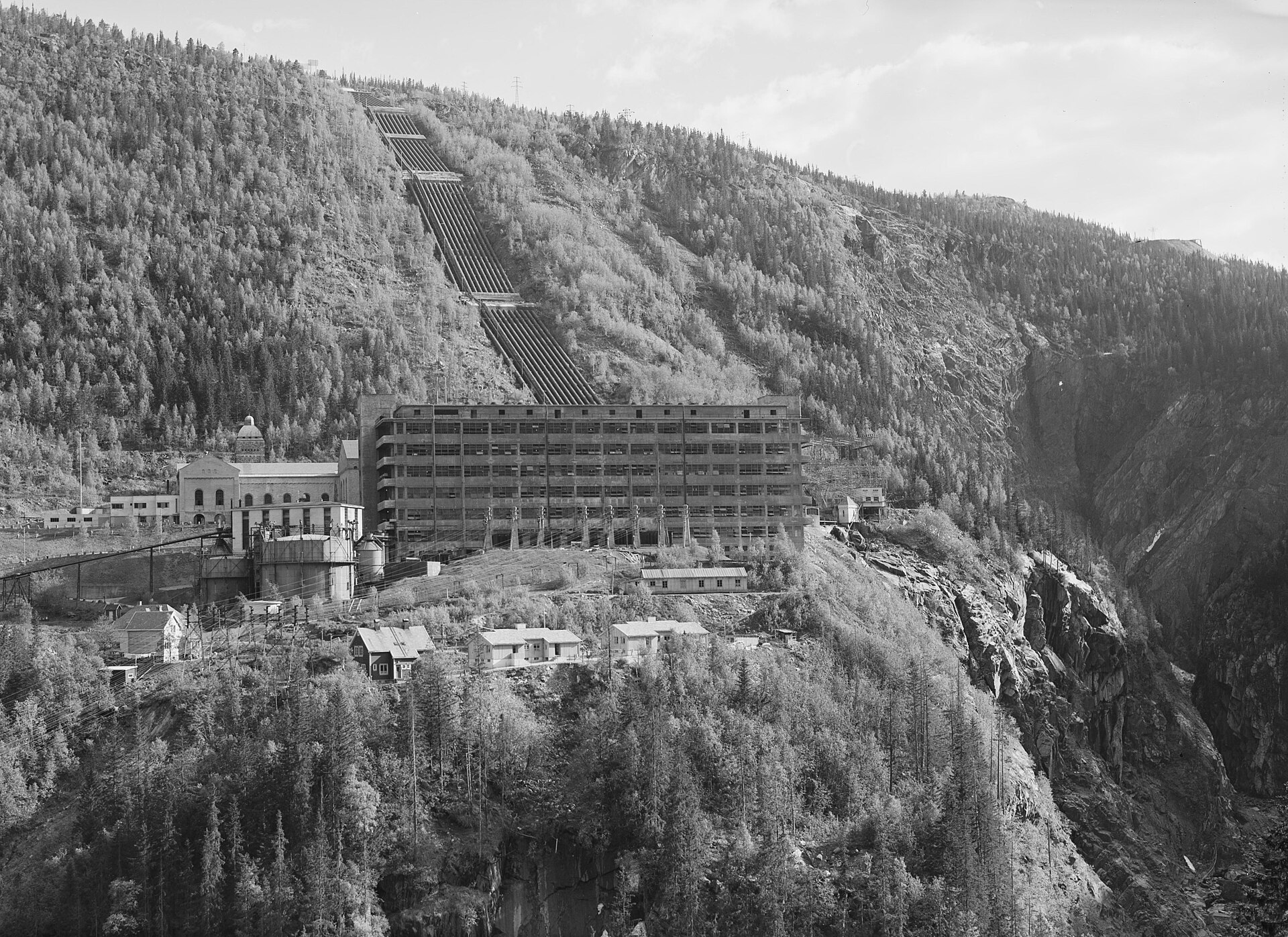
The Norsk Hydro plant at Vemork, in a deep valley in southern Norway, was the only large-scale producer of heavy water in Europe. After occupying Norway, Germany increased production. Allied scientists feared it could be used in a German nuclear reactor programme, and the British decided it had to be stopped.
Failure, then a second try
A first attempt in November 1942, Operation Freshman, ended in disaster when gliders carrying British engineers crashed; the survivors were executed by the Germans. A small team of Norwegian commandos, codenamed Grouse, had already parachuted in and survived the winter on the mountain plateau. On 16 February 1943 six more Norwegians of Operation Gunnerside, trained in Britain, joined them.
Into Vemork
On the night of 27 to 28 February the team descended into the gorge, crossed the frozen river and climbed to the plant, avoiding the guarded bridge. Some entered through a cable tunnel, placed explosive charges on the heavy water cells and left before they went off. All the men escaped, several of them skiing hundreds of kilometres to Sweden.
Sources and further reading
Lead image: The Vemork hydroelectric plant at Rjukan, Norway. Unknown photographer, National Library of Norway, Public domain, via Wikimedia Commons. See our sources and image policy.
 United Kingdom
 United States
 Soviet Union
 Germany
 Japan
 France
 Poland
 South Africa