Home Front · Air Defence · United States
The Battle of Los Angeles
Two days after a Japanese submarine shells the California coast, air raid sirens wail over Los Angeles and the guns open fire at an enemy that is not there.
- Date
- Night of 24 to 25 February 1942
- Sirens
- 02:25
- Barrage
- 03:16 to 04:14
- Rounds fired
- About 1,440
- Deaths
- 5, all indirect
- War clock
- Day 909 of 2,194
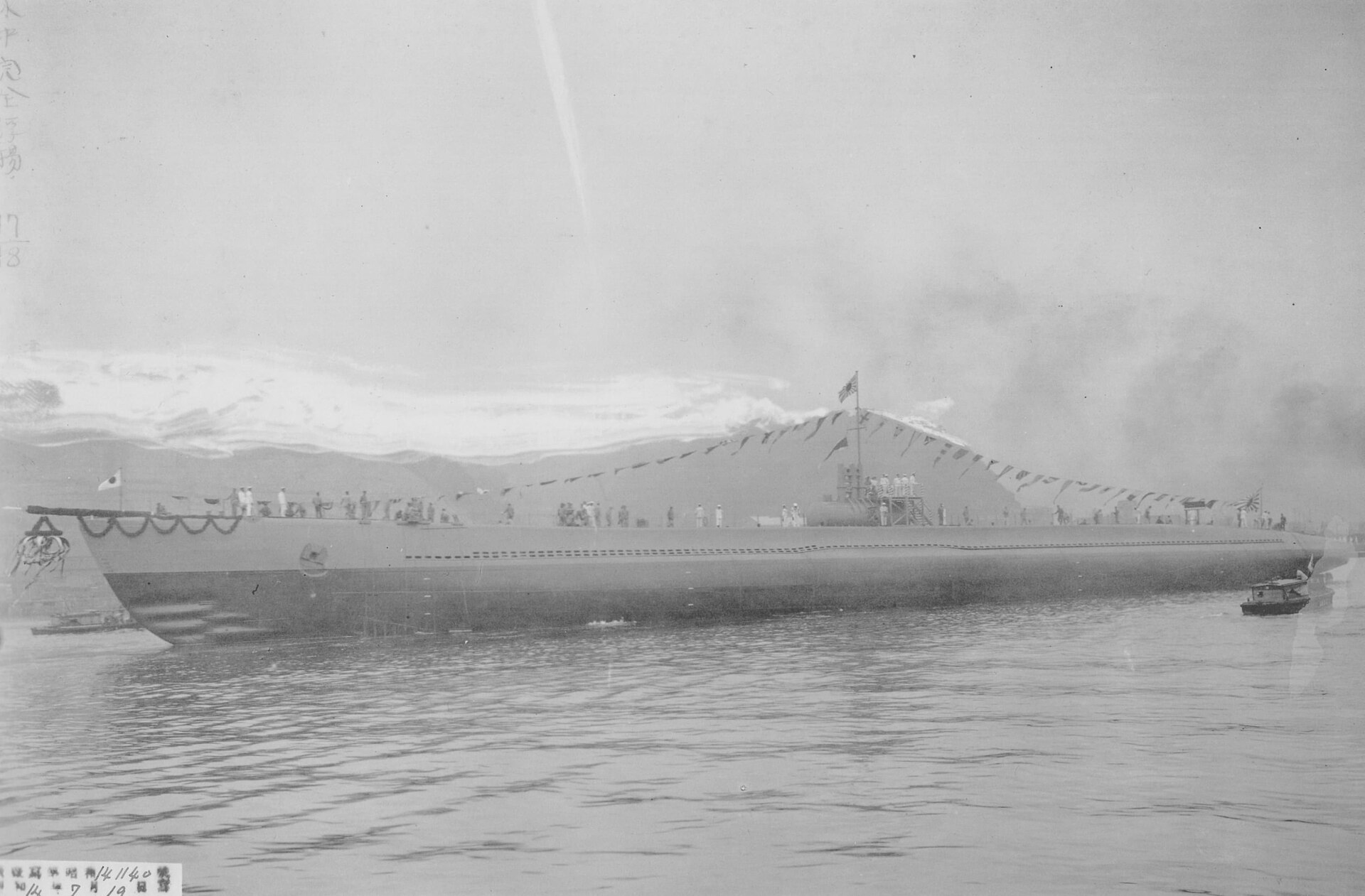
On the evening of 23 February 1942, as President Roosevelt gave one of his fireside chats, the Japanese submarine I-17 surfaced off Santa Barbara and shelled the Ellwood oil field. The damage came to about $500 and no one was hurt, but the attack put the whole West Coast on edge.
Guns in the night
In the early hours of 25 February, reports of enemy aircraft set off the alarm. Air raid sirens sounded across Los Angeles County at 02:25 and the city was blacked out. At 03:16 anti-aircraft batteries opened fire, and for almost an hour they lit up the sky, firing some 1,440 rounds at targets no one could identify. The all-clear sounded at 07:21.
No bombs fell and no enemy aircraft were found. But five civilians died: three in car accidents in the blackout and two of heart attacks brought on by the stress.
War nerves
Navy Secretary Frank Knox called it a false alarm, put down to anxiety and war nerves. Later studies concluded that a weather balloon released early that morning, followed by flares and shell bursts, had set off the barrage.
Sources and further reading
Lead image: The Japanese submarine I-17 shortly after her launch in 1939. In February 1942 she shelled the Ellwood oil field near Santa Barbara. Unknown photographer, Public domain, via Wikimedia Commons. See our sources and image policy.
 United Kingdom
 United States
 Soviet Union
 Germany
 Japan
 France
 Poland
 South Africa